Stone, Wood or Slab? Choosing a Media Wall Finish
Compare stone, wood, and slab finishes for media walls, exploring their style, durability, maintenance, and how to choose the right look for your home.
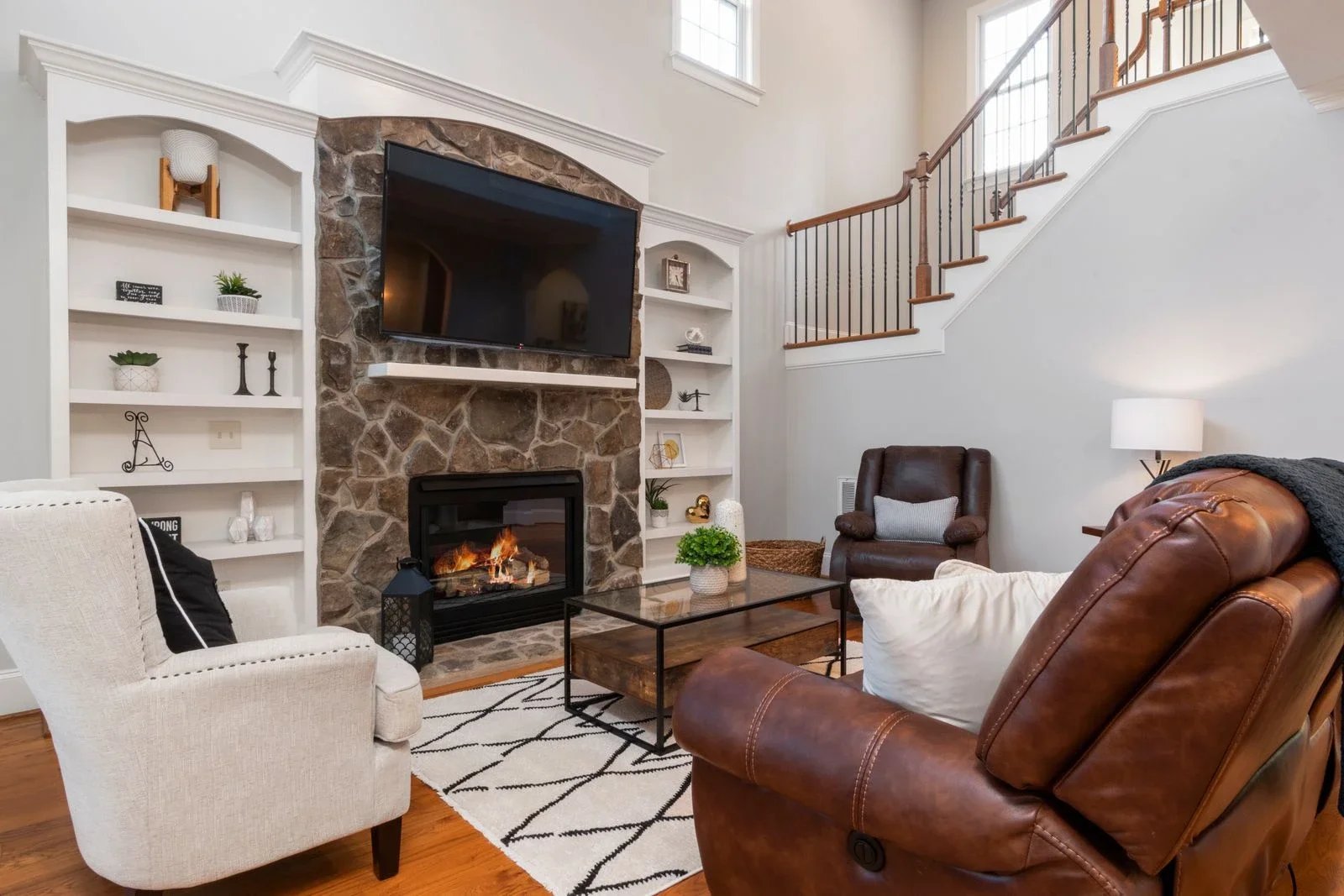
The living room wall behind the TV used to be an afterthought: a bracket, a tangle of cables and a console pushed underneath. Today it is often the most designed surface in the house. A media wall pulls the television, an electric fireplace, lighting and storage into one built feature, and the finish you wrap it in decides whether the room feels warm, crisp, rustic or quietly luxurious.
Choosing that finish is where most homeowners get stuck. Every material looks great in a photo, but each one behaves differently in real life: how it takes light, how it handles heat near a fireplace, how much it costs per square foot and how much care it needs. Here is a practical way to narrow it down.
Start with the room, not the material
Before you fall for a specific surface, answer three questions. How much natural light does the wall get? Texture reads very differently in a bright south-facing room than in a dim den. What is the room's existing style? A fluted oak wall can look out of place next to a traditional crown-molded ceiling, while stone bridges almost any style. And how will you use the space? A family media room that sees sticky fingers and rogue footballs needs a tougher surface than a formal sitting room.
Stacked stone: the timeless anchor
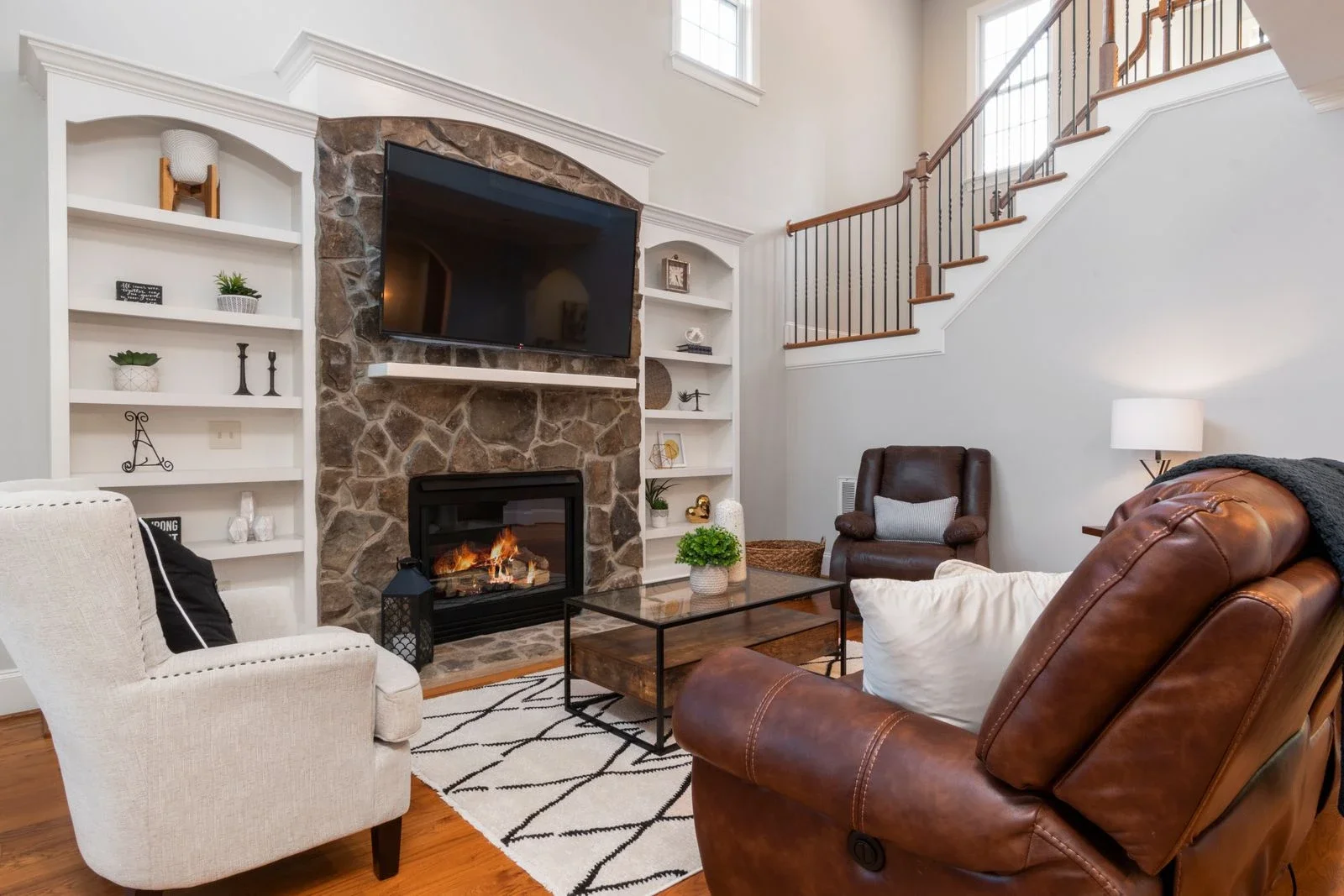
Stacked stone is the classic choice for a fireplace media wall, and for good reason. It adds depth and shadow, it pairs naturally with a firebox, and it works in farmhouse, transitional and mountain-modern interiors alike. Manufactured stone veneer is lighter and less expensive than natural stone, which matters when the wall is framed rather than built from masonry.
Keep in mind that stone is visually heavy. On a small wall, run it only around the fireplace section and switch to a smoother surface around the TV so the screen does not compete with busy texture. Stone installed with mortar also needs cure time, so plan for a few extra days in the schedule.
Fluted and slat wood: warmth with rhythm
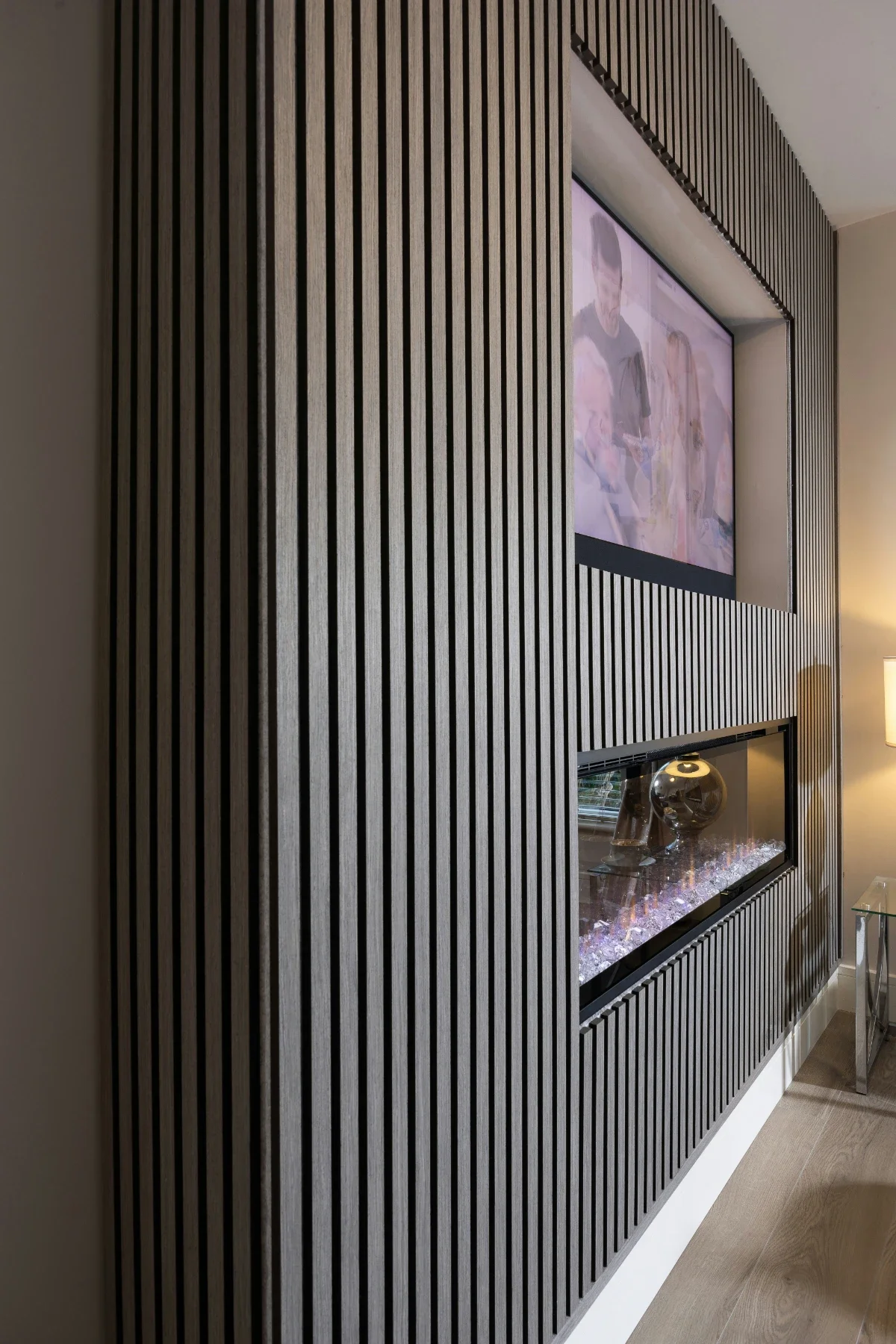
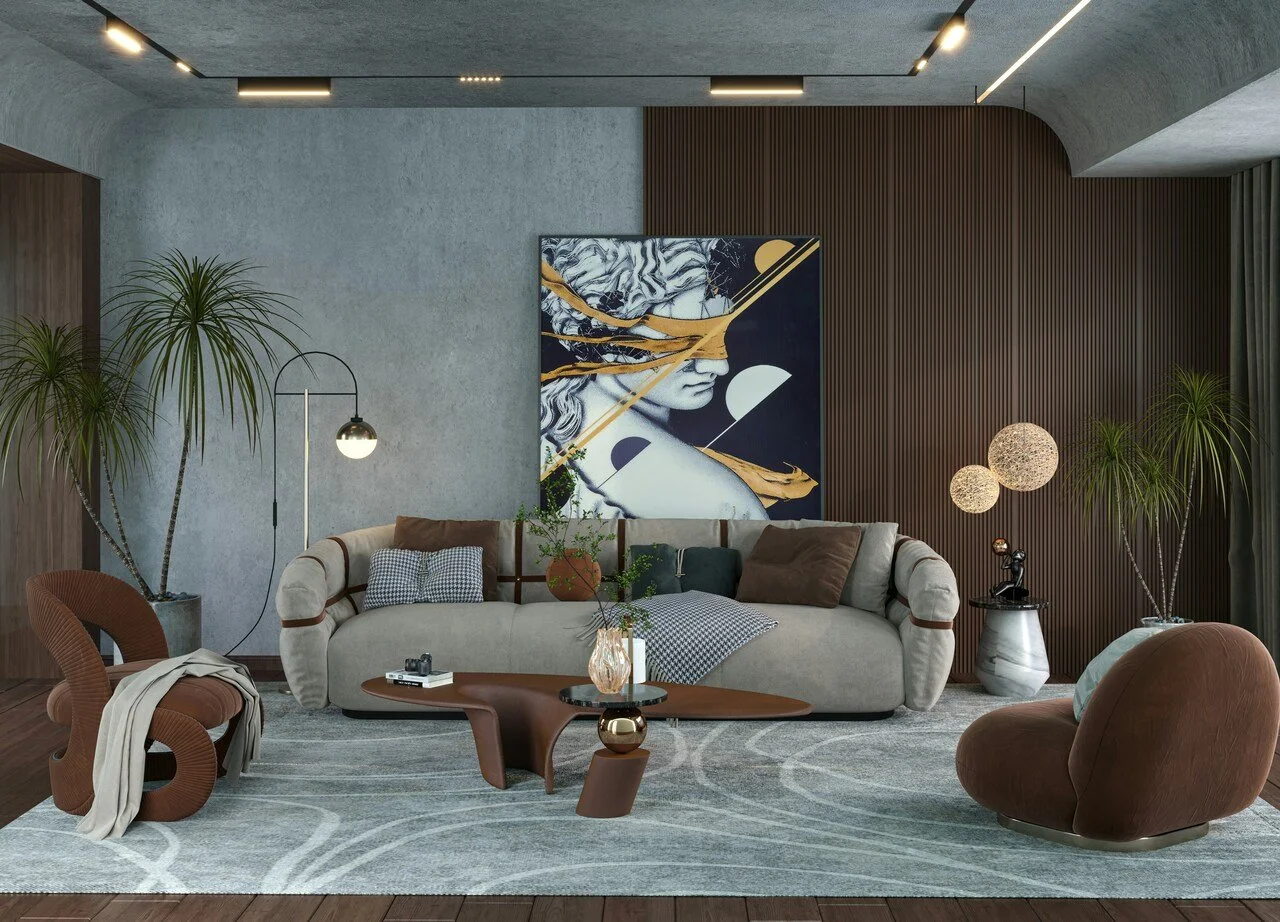
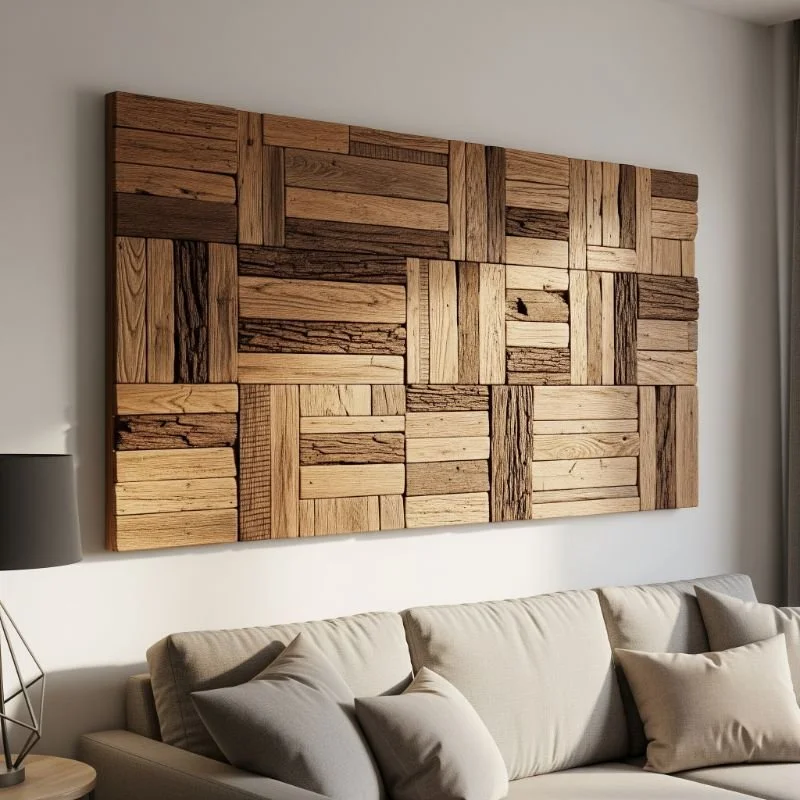
Vertical wood slats, often called fluted paneling, are the finish of the moment, and they earn the attention. The repeating lines draw the eye upward, which makes ceilings feel taller, and the shadow lines between slats come alive under an LED strip. Oak and walnut tones feel warm and mid-century; painted or black-stained slats read more contemporary.
The trade-off is dust. Slats collect it in the grooves, so a soft brush attachment on your vacuum becomes part of the routine. Also ask how the slats are finished around the TV cutout and fireplace opening; clean, mitered returns are what separate a custom look from a kit.
Shiplap and board and batten: budget-friendly character
If you want texture without a premium price, shiplap is hard to beat. Horizontal boards widen a narrow wall, while nickel-gap spacing gives a tailored, less rustic look than traditional farmhouse planks. Board and batten, with its grid of vertical or square panels, adds architectural detail that suits traditional and transitional homes. Both are painted, which means you can change the color later without replacing the wall.
Porcelain slab and marble: the luxury statement
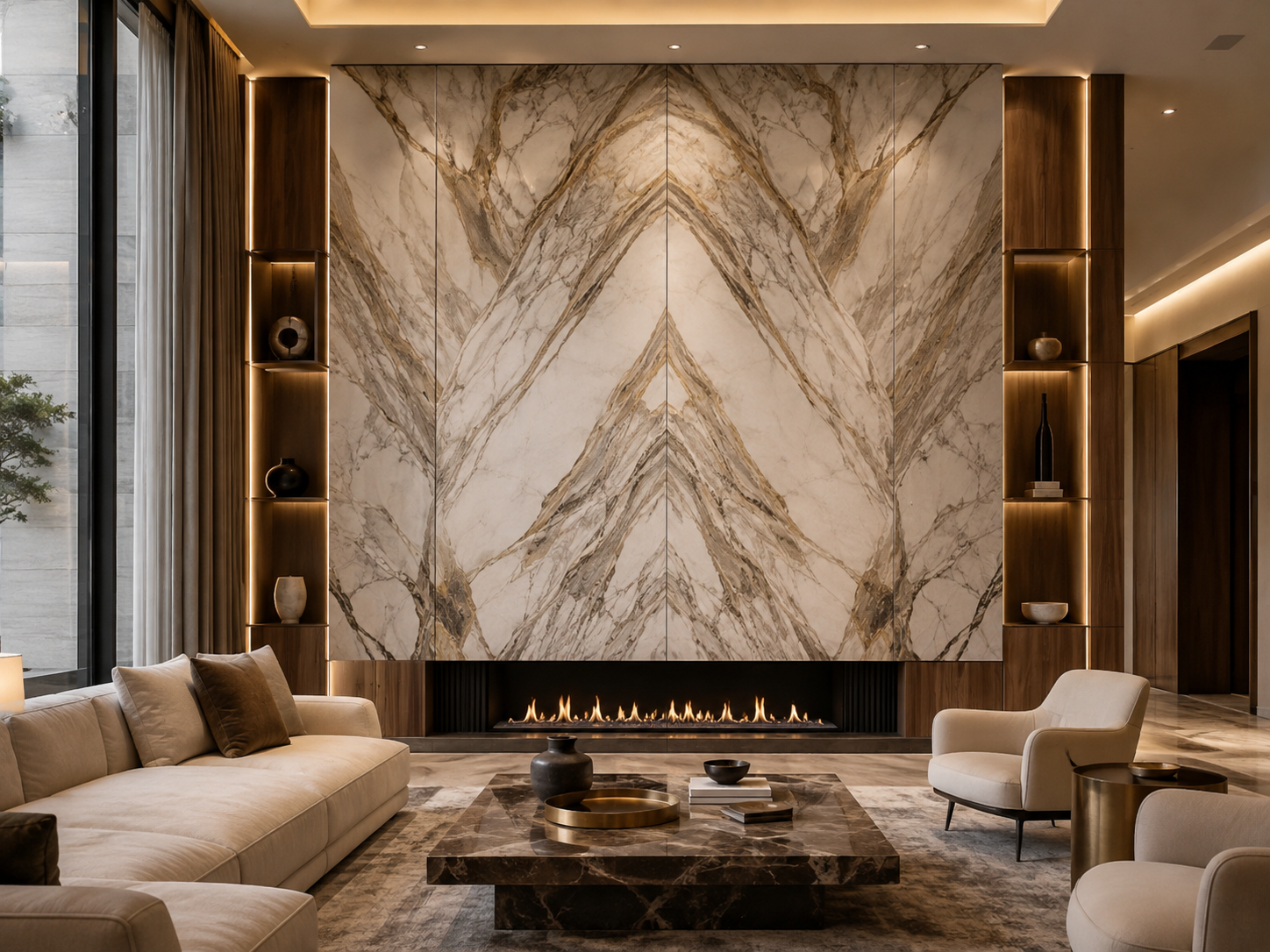
Large-format porcelain slabs deliver the look of book-matched marble with fewer seams and far less maintenance. A floor-to-ceiling slab wall with a recessed linear fireplace is about as dramatic as a living room gets. Porcelain is also heat-tolerant and wipes clean, which makes it a smart choice right above a fireplace.
The downside is cost and handling. Slabs are heavy, fragile until installed and require precise cutting around outlets and the TV niche. This is the finish where installer experience matters most.
Limewash and plaster: soft, organic texture
For a quieter, gallery-like look, limewash and Venetian-style plaster create a subtle, cloudy texture that changes throughout the day. They pair beautifully with minimalist rooms, warm neutrals and Mediterranean or Spanish-revival homes. Plaster can be applied over a framed media wall, but it needs a properly prepared substrate and drying time between coats, so it is rarely the fastest option.
Drywall: clean, minimal and flexible
Sometimes the best finish is almost no finish at all. A crisp, painted drywall wall with a recessed TV niche, a floating shelf and a linear fireplace looks architectural rather than decorative. It is also the most budget-friendly route and the easiest to update: a new paint color or a wallpaper panel can refresh the whole room years later.
Mixing materials without overdoing it
Many of the best media walls combine two finishes. A popular formula is one textured material and one calm material: stone around the fireplace with painted drywall above it, or fluted wood behind the TV with plaster on the side returns. Limit yourself to two surfaces plus the wood tone of any shelving, and repeat at least one color elsewhere in the room so the wall looks planned, not pasted on.
Don't forget lighting and the hidden details
Finish and lighting work together. Grazing LED light makes stone and fluted wood look richer, while a soft backlight behind the TV reduces eye strain in a dark room. Plan the lighting and power before the finish goes up, including recessed outlets behind the TV and in-wall rated low-voltage cabling, so nothing has to be cut out later.
If you are weighing options, it helps to see several finishes on your own wall before you commit. Specialists in custom media walls can typically show how a few different materials would look in your space and give you a fixed price for each, which makes the decision far less of a guessing game.
The bottom line
Choose stone for timeless warmth, fluted wood for modern texture, shiplap or board and batten for character on a budget, porcelain slab for a luxury statement, plaster for softness and drywall for clean flexibility. Match the material to your light, your style and how hard the room is used, and your media wall will still look right long after the next design trend has passed.
Stay up to date with our latest ideas!