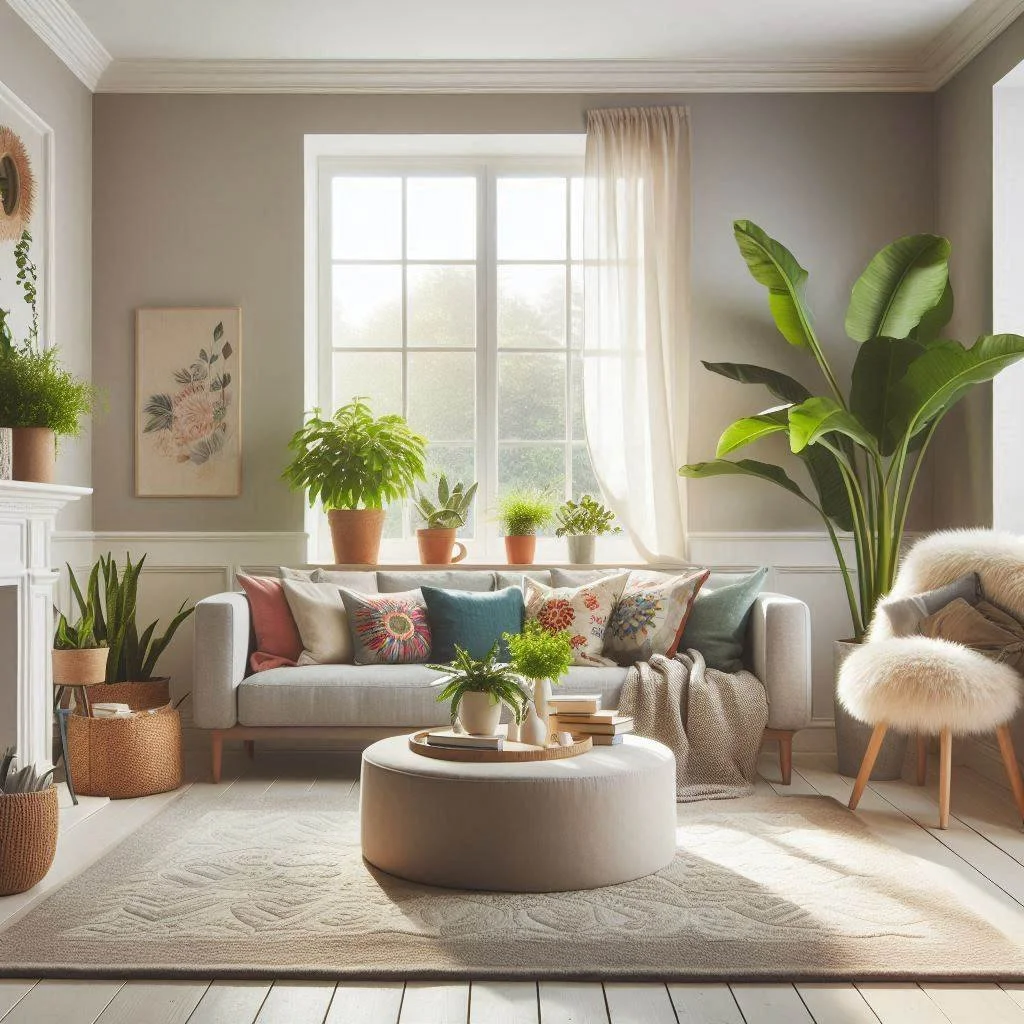
How Wall Colors Affect Mood and Atmosphere in Your Home
Discover how wall colors influence mood and atmosphere in your home, with tips on choosing shades that enhance comfort, energy, and overall living experience.

Color is an environmental force that is subtle, constant, and deeply psychological. Within the home, wall color shapes perceptions, regulates emotional tone, and even influences behavior over time. For a homeowner who values thoughtful interior design, understanding how color interacts with space, light, and surface condition is essential to creating rooms that feel intentional rather than incidental. Let’s explore how color affects mood and atmosphere in the home.
Light Interaction and Color Perception
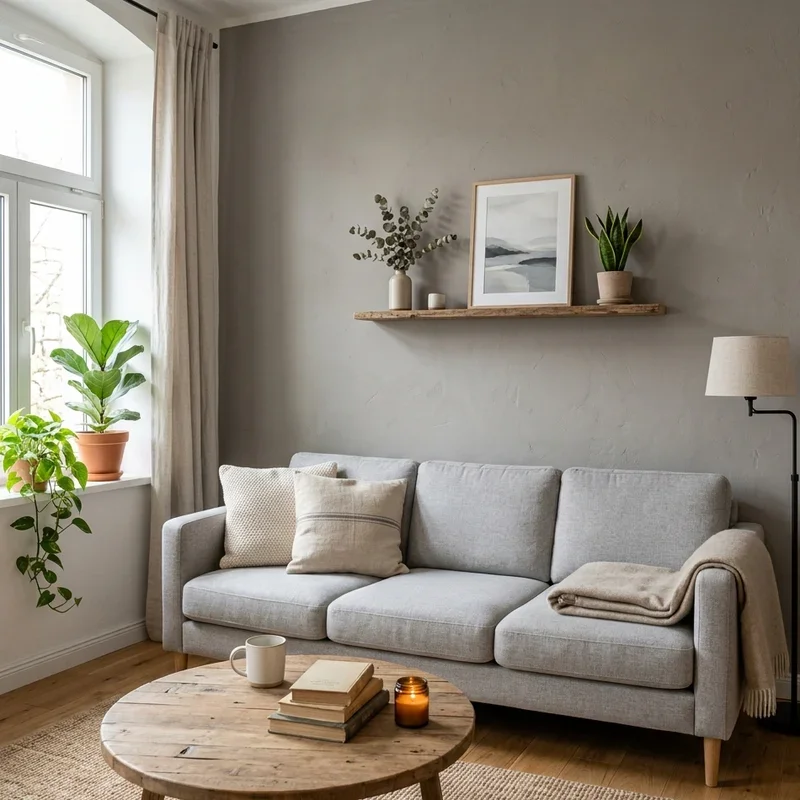
Wall color is constantly shaped by light. Natural daylight reveals undertones and shifts hues across different times of the day, while artificial lighting can either enhance or distort a chosen palette. For example, north-facing rooms often receive cooler light, which can make colors appear more subdued or even slightly gray.
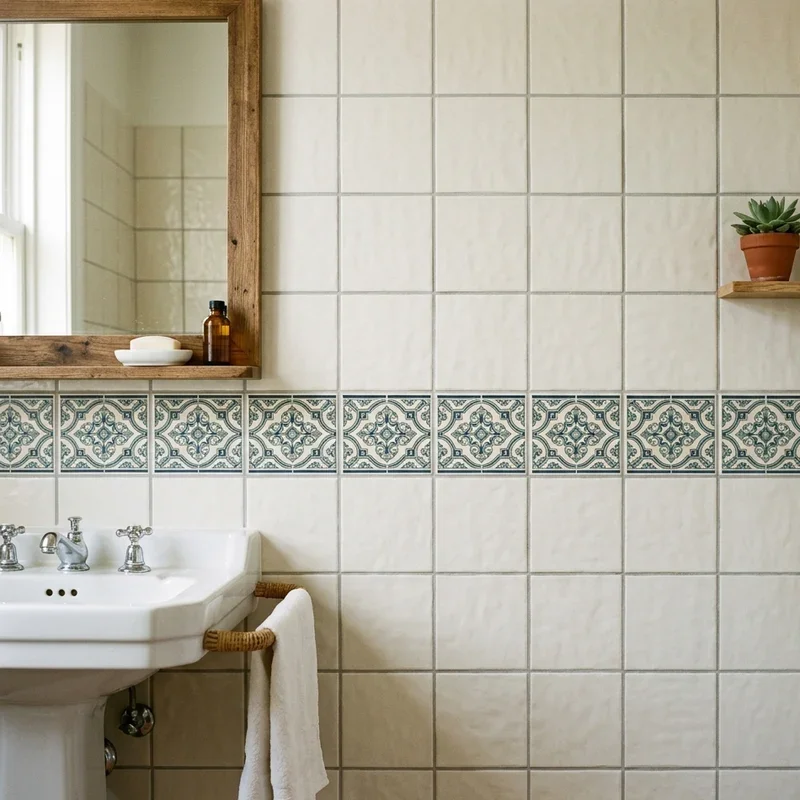
In these spaces, warmer neutrals or soft creams can counterbalance the chill. Conversely, rooms flooded with southern exposure can handle cooler shades without feeling stark. Paint finish also plays a role. Matte surfaces absorb light, creating a softer and more understated atmosphere, while satin and gloss finishes reflect light, adding vibrancy and dimension.
Spatial Perception and Visual Balance
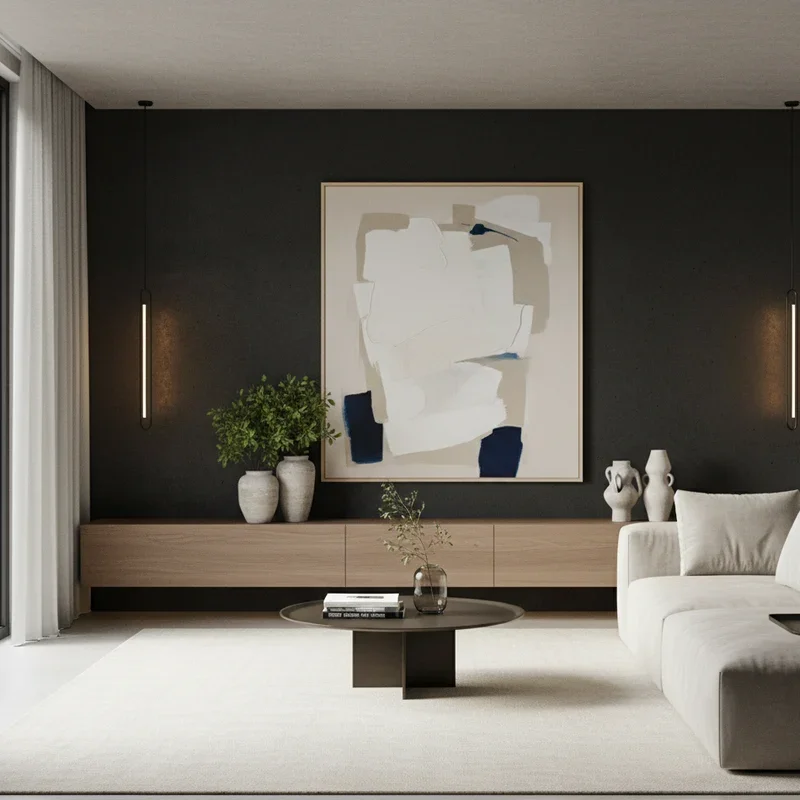
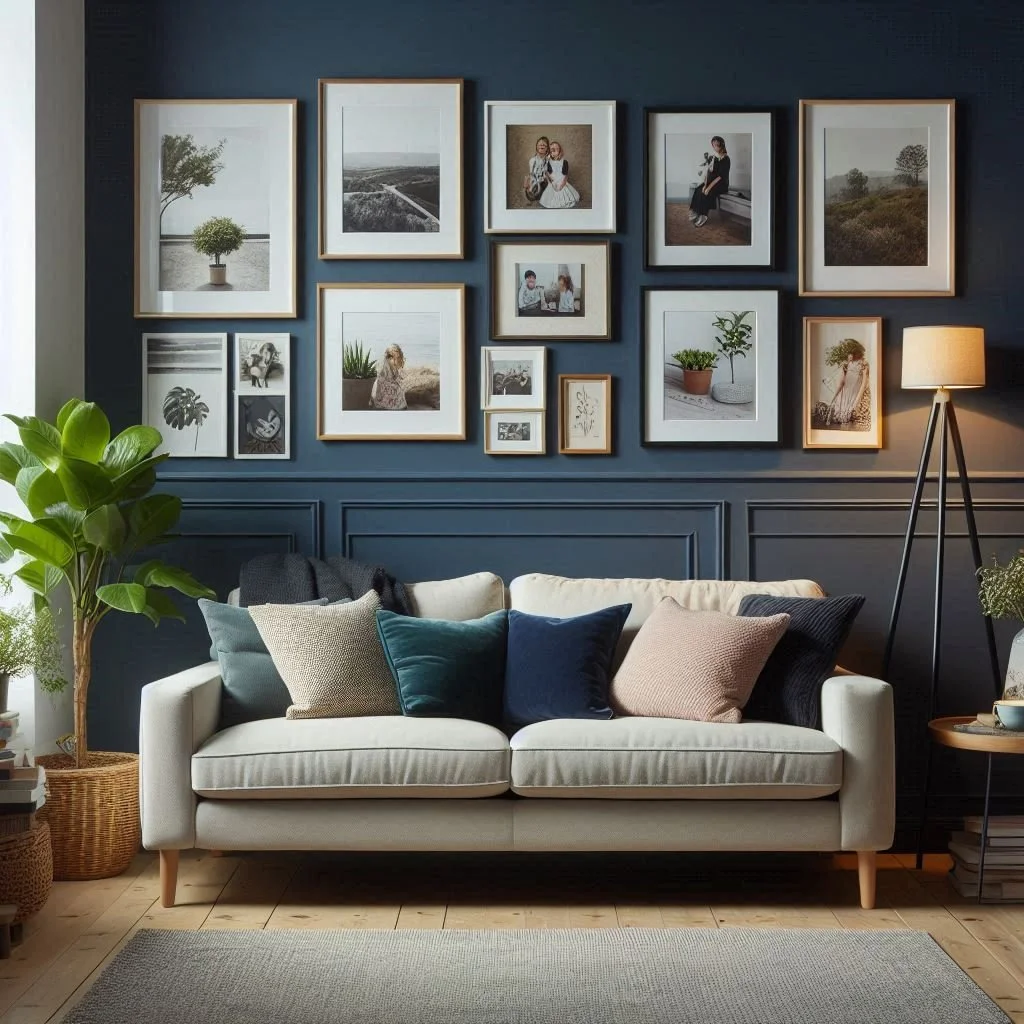
Color has the ability to alter spatial perception without changing physical dimensions. Lighter tones tend to expand a room visually, making small spaces feel more open and breathable. Darker hues, when used strategically, can create depth and intimacy, transforming large or impersonal areas into more inviting environments.
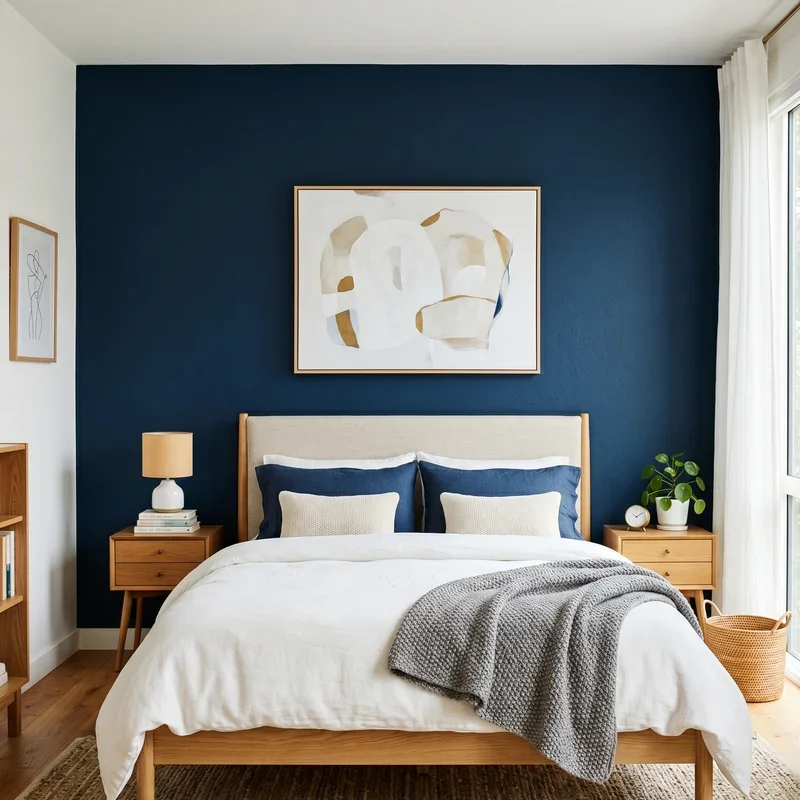
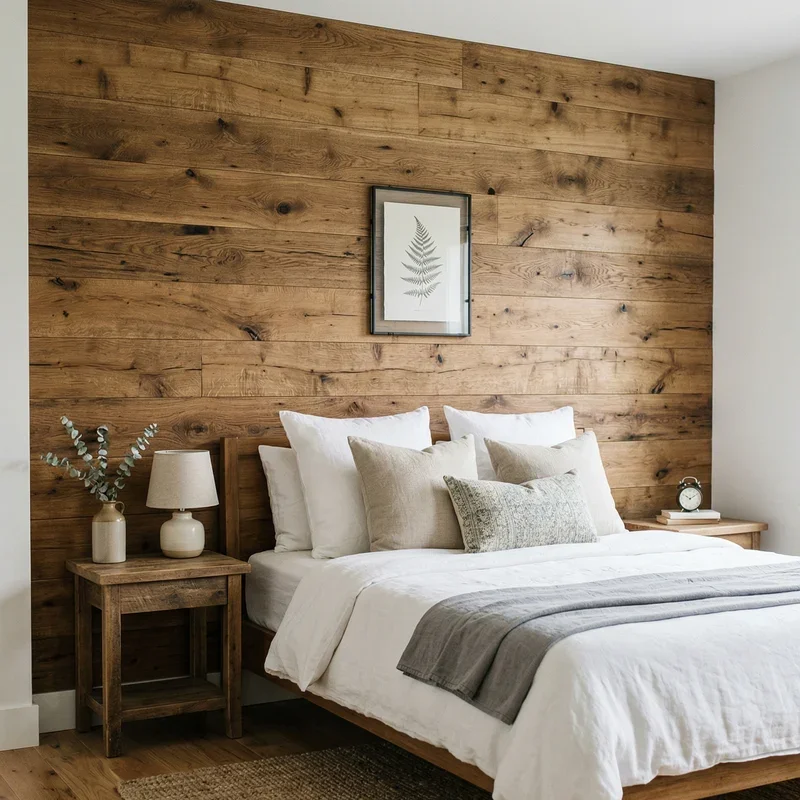
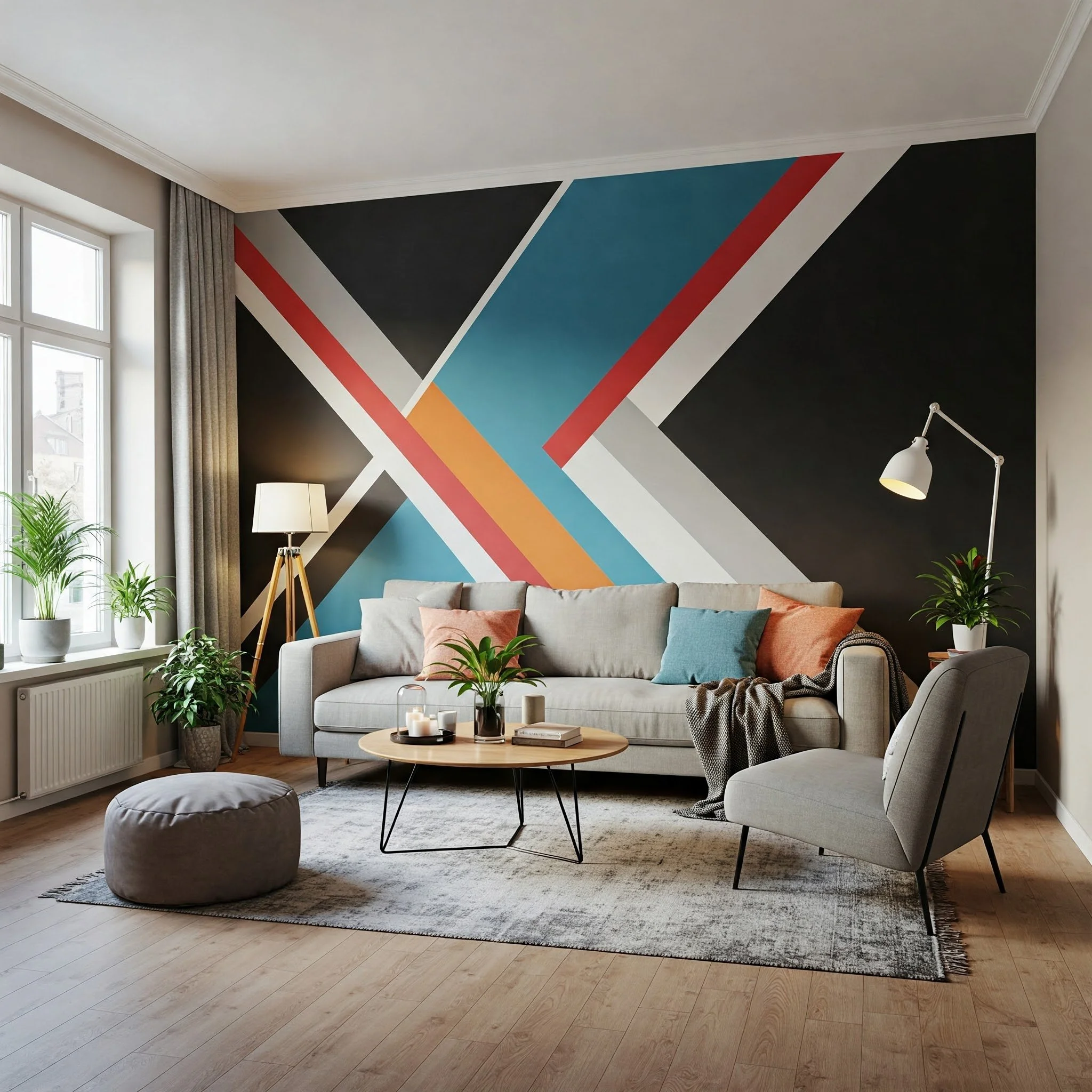
Accent walls and color zoning further refine spatial experience. A darker shade behind a bed can anchor the room, while a contrasting color in a workspace can delineate function without the need for physical partitions. The thoughtful placement of color guides the eye and establishes a natural flow within the home.
Wall Condition Effect on Final Aesthetics
Even the most carefully selected color will fall short if the wall beneath it is compromised. Surface imperfections such as stains, cracks, or uneven textures disrupt how paint adheres and reflects light. This not only diminishes the visual appeal but also alters the intended mood of the space.
For instance, water stains can create subtle discoloration that interferes with uniformity, making even premium paint appear inconsistent. Addressing underlying issues before painting is therefore critical. In cases where moisture damage has occurred, solutions such as professional water damage restoration Columbus services ensure that walls are properly treated and stabilised before any aesthetic work begins. A flawless surface allows color to perform as intended by ensuring depth, consistency, and longevity.
Emotional Continuity Through Color Flow
A well-designed home does not treat each room as an isolated entity. Instead, it maintains a sense of continuity through a cohesive color narrative. This does not require uniformity, but rather a thoughtful progression of tones that feel connected. Transitional spaces such as hallways and staircases play a crucial role in this flow.
Neutral palettes often serve as ivory bridges, allowing bolder or more distinctive colors in adjacent rooms to stand out without clashing. Repeating subtle undertones, whether warm or cool, across different areas reinforces harmony. This continuity reduces visual friction, creating a sense of ease and coherence as one moves through the home.
Endnote
Wall color helps to shape mood, perception, and the overall atmosphere in ways that extend beyond immediate visual impact. Its effectiveness depends on hue selection, light interaction, spatial context, and the condition of the surface itself.
Stay up to date with our latest ideas!