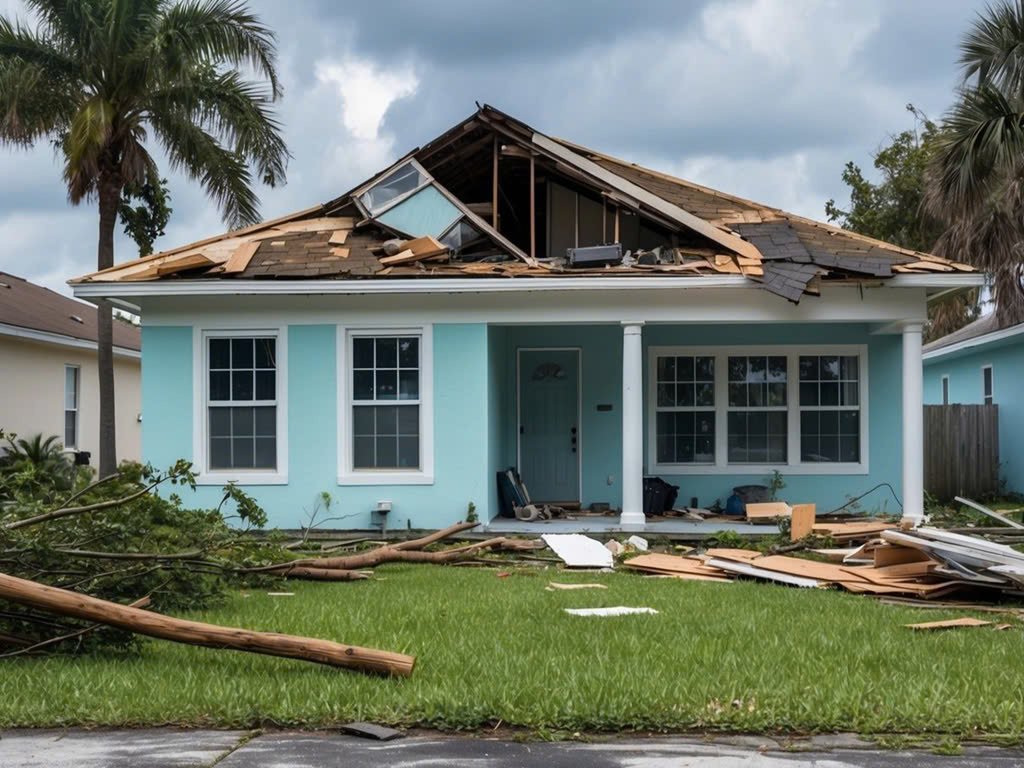
Common Reasons Property Claims get Denied and How to Avoid Them
Learn common reasons property claims get denied and how to avoid them, from documentation and policy exclusions to missed deadlines and reporting errors.

A denied claim feels like a decision made at the moment of the loss. Most of the time it was made much earlier, when the policy was written. The terms that decide the outcome were agreed long before the damage, which is why they are worth reading first.
A policy is a list of boundaries
Every home policy names what it covers, what it excludes, and the conditions attached to both. When a loss happens, it is measured against those lines. Damage can be real, expensive, and outside the contract all at once, because coverage is defined by cause and circumstance rather than by severity.
A denial is rarely a verdict on the damage. It is a comparison between the loss and terms that were set before it happened.
Where losses commonly fall outside the policy
A few boundaries account for most of the gap between what owners expect and what a policy covers:
Gradual damage, since most policies cover sudden and accidental losses rather than deterioration over years.
Water entering from outside, because flooding is generally excluded from a standard home policy and needs separate coverage.
Maintenance the policy assumed you were keeping up, such as an aging roof or an untreated leak.
Property details that changed and were never reported, including renovations, a pool, business use, or a long vacancy.
Categories with internal sublimits, like jewelry or electronics, where coverage exists but caps below replacement value.
None of these are hidden terms. They are ordinary parts of a policy that go unread until they matter.
Excluded is not the same as underinsured
Two situations feel alike and call for different fixes. A loss that falls outside the policy entirely is a coverage gap, and the remedy is an endorsement or a separate policy. A loss that is covered but capped is a limit problem, and the remedy is a higher limit or scheduled coverage on specific items. Knowing which one applies to the risks around your home is worth more than a general sense of being insured.
What to check while nothing is wrong
Read your declarations page and the exclusions list once a year, alongside a task you already repeat. Confirm which perils are excluded and whether an endorsement exists for the ones that concern you. Tell your insurer about changes to the property, since undisclosed details are entirely within your control. Then compare sublimits against what you actually own.
Key takeaways
Coverage is defined by cause and circumstance, so policy terms decide the outcome more than the size of the damage.
Gradual wear, flooding, deferred maintenance, and unreported changes sit outside most standard policies.
A capped loss and an excluded loss feel alike but need different remedies: a higher limit, or added coverage.
An annual read of your declarations page and exclusions list is the cheapest protection available.
Nsure is a licensed digital insurance agency founded in 2018, operating in all 50 states and working with more than 100 top-rated carriers rated A- or better. It does not underwrite these policies itself: it shops your details across its carrier network and brings back real, bindable offers rather than a single quote whose terms you have nothing to compare against. You answer a set of questions once, then review quotes for home insurance at Nsure side by side, where limits and coverage differences sit next to each other instead of appearing one policy at a time. Nsure also quotes flood insurance, which is worth knowing given how consistently water from outside the home sits outside a standard policy. Every document, including your declarations page, arrives electronically when you bind, so the terms stay easy to find later. Nsure is paid a commission by the carrier you choose, the same way any licensed agency is paid, so reading coverage closely before you buy never costs you more.
Stay up to date with our latest ideas!









![7 Charming Waterfront Towns Perfect for a Coastal Escape [2025 Edition]](https://images.squarespace-cdn.com/content/v1/63dde481bbabc6724d988548/61c7904e-773d-480c-b6e5-a083cab18445/pexels-axp-photography-500641970-30417132.jpg)