Sideboard Cabinets vs. Clutter: Transform Your Kitchen Decor
Discover how sideboard cabinets reduce kitchen clutter while adding stylish storage that enhances organization, functionality, and your overall kitchen décor.

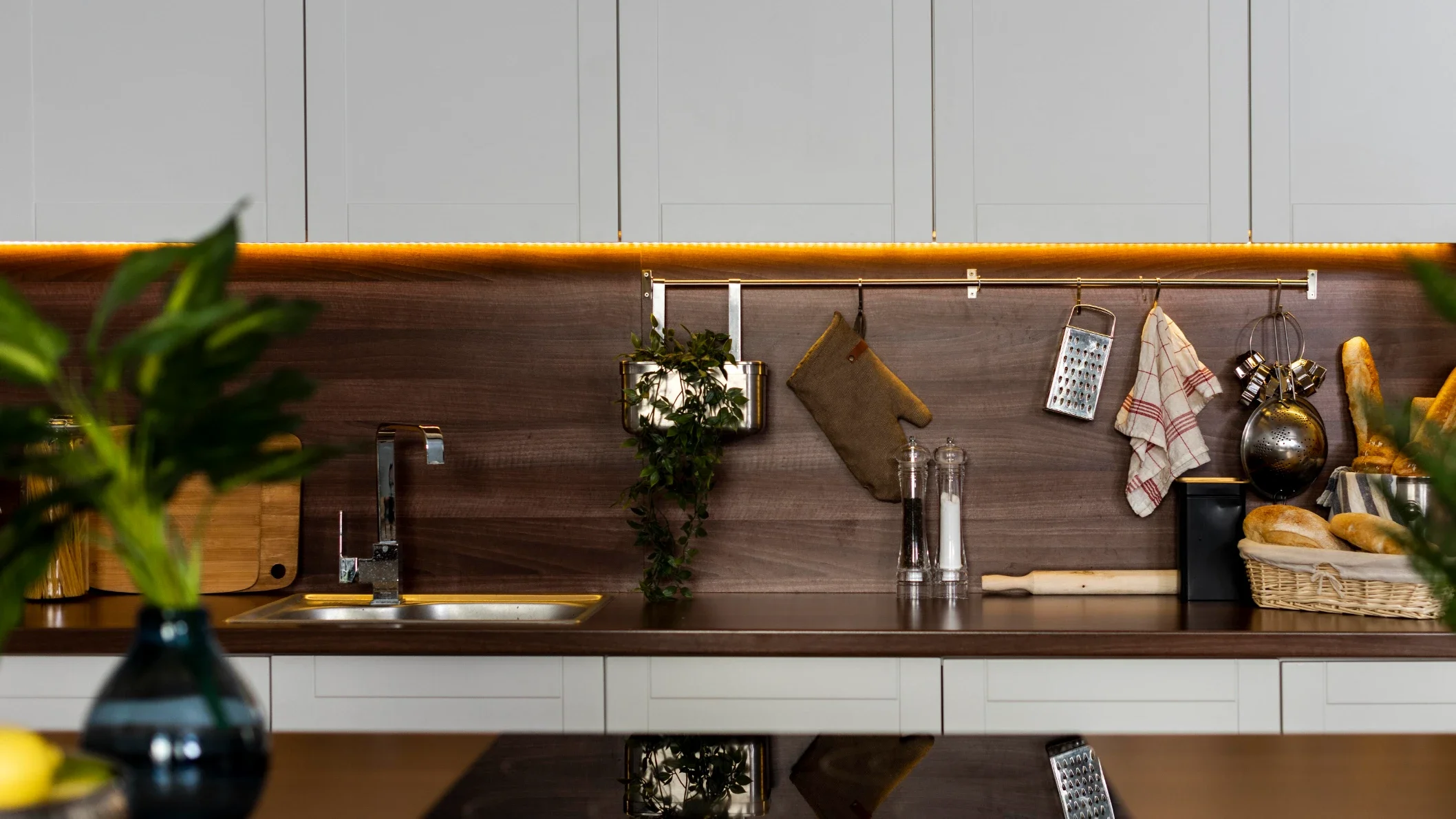
Picture this: your kitchen counter disappears beneath a blender you use twice a month, a growing stack of unopened mail, half-empty spice bottles, and that bread machine still in its box from last holiday season. The fruit bowl competes for space with car keys and charging cables, while cabinet doors barely close over mismatched containers shoved inside. You love your kitchen—it's the heart of your home—but somewhere between moving in and settling down, functionality lost its battle against chaos. Every surface became a landing zone, and the style you envisioned during those excited planning days faded under layers of everyday life. Here's the truth most new homeowners discover too late: the problem isn't that you own too much. The problem is that your kitchen lacks a dedicated piece of furniture designed to bridge the gap between storage and style. Enter the sideboard cabinet—an elegant, strategic solution that doesn't ask you to choose between a beautiful kitchen and a practical one. It delivers both, and it might just be the single most transformative addition you can make to reclaim your space.
Unlocking Kitchen Serenity: Understanding the Sideboard Cabinet Solution
The sideboard cabinet traces its roots to 18th-century dining rooms, where it served as a staging ground for elaborate meals. Servants would use these long, low pieces to hold dishes between courses—hence the name "side board." Today's versions have evolved dramatically, adapting to modern kitchens with sleeker profiles, smarter storage configurations, and materials that suit every aesthetic from industrial loft to coastal cottage. Unlike a kitchen island, which demands open floor space and often requires plumbing or electrical work, a sideboard sits gracefully against a wall, asking for nothing more than a few feet of linear space. It differs from a pantry too—pantries hide everything behind closed doors in a separate area, while a sideboard lives within your kitchen or adjoining dining space, combining concealed storage with intentional display surfaces. This dual-purpose nature makes it simultaneously a storage powerhouse and a style statement. For new homeowners establishing their kitchen's workflow and visual identity, the sideboard represents an ideal first major furniture investment. It immediately organizes daily essentials while anchoring the room's design direction, giving you both function and beauty from day one without renovation or permanent commitment.
Functional Elegance: Maximizing Space and Utility with Sideboard Cabinets
Intelligent Storage Solutions: Taming the Kitchen Clutter
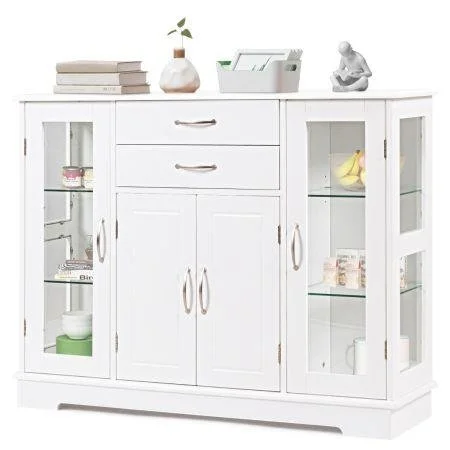
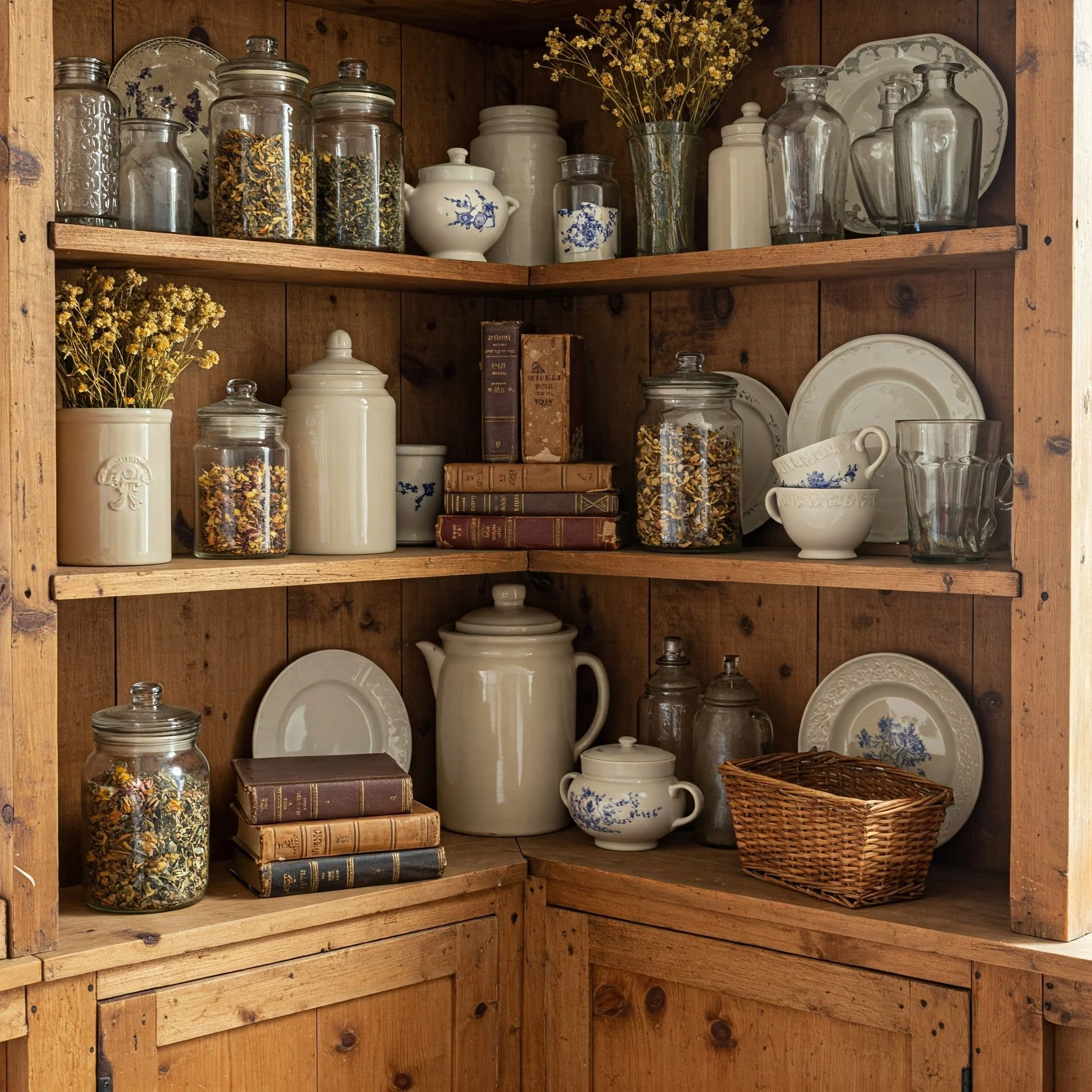
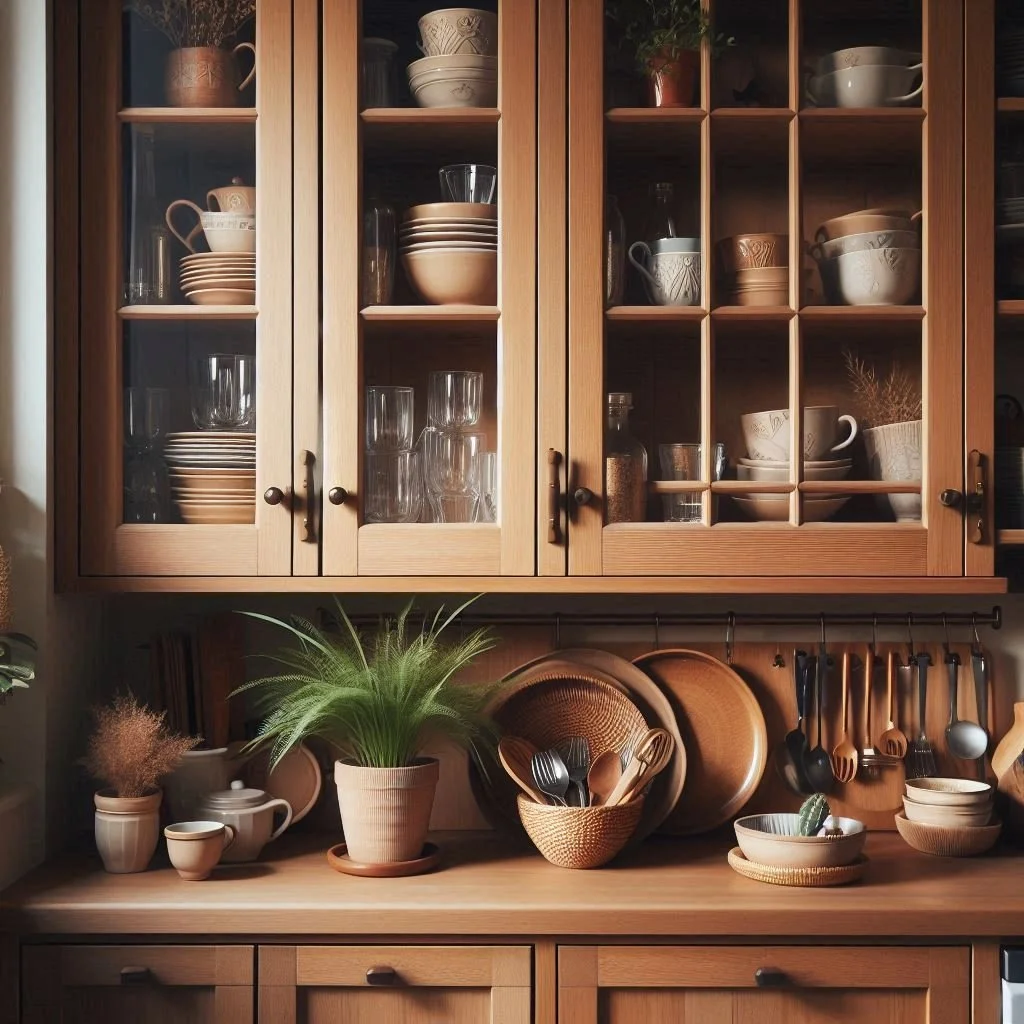
A well-designed sideboard cabinet doesn't just hide your mess—it categorizes and contains it with purpose. Shallow top drawers lined with dividers become dedicated homes for serving utensils, wine openers, and cloth napkins that previously drifted between junk drawers. Behind lower cabinet doors, deep shelving accommodates the bulky items stealing your counter real estate: the stand mixer, the food processor, the slow cooker you pull out every Sunday. Some sideboards feature adjustable interior shelves, letting you customize compartment heights for tall pitchers or stacked dinner plates. Open shelving sections, when included, offer intentional display space for cookbooks you actually reference, ceramic bowls collected from travels, or a curated herb garden in matching pots. The key is modular thinking—each zone within the sideboard addresses a specific category of kitchen chaos. Linens go in one drawer, entertaining essentials behind one door, everyday dinnerware behind another. When everything owns a designated spot, maintaining order becomes effortless rather than exhausting.
Extending Your Workspace and Serving Area
Beyond storage, a sideboard's flat top surface delivers something every kitchen desperately needs: more usable workspace. Position it as a permanent coffee and tea station, keeping your kettle, mugs, and a canister of beans ready without crowding the countertop near your stove. During meal preparation, it becomes a secondary staging area where chopped vegetables wait in bowls or cooling racks hold fresh baked goods away from your active cooking zone. When guests arrive, the sideboard transforms effortlessly into a buffet line or cocktail bar—plates stacked at one end, dishes arranged along its length, drinks station at the other. This versatility directly reclaims your primary countertops for actual cooking, eliminating that frustrating shuffle of moving items aside just to find space for a cutting board. The sideboard essentially multiplies your kitchen's functional square footage without expanding its physical footprint, working harder than any single piece of furniture reasonably should.

Designing with Distinction: Choosing Your Elegant Sideboard
Material Matters: Wood, Metal, and Composite Styles
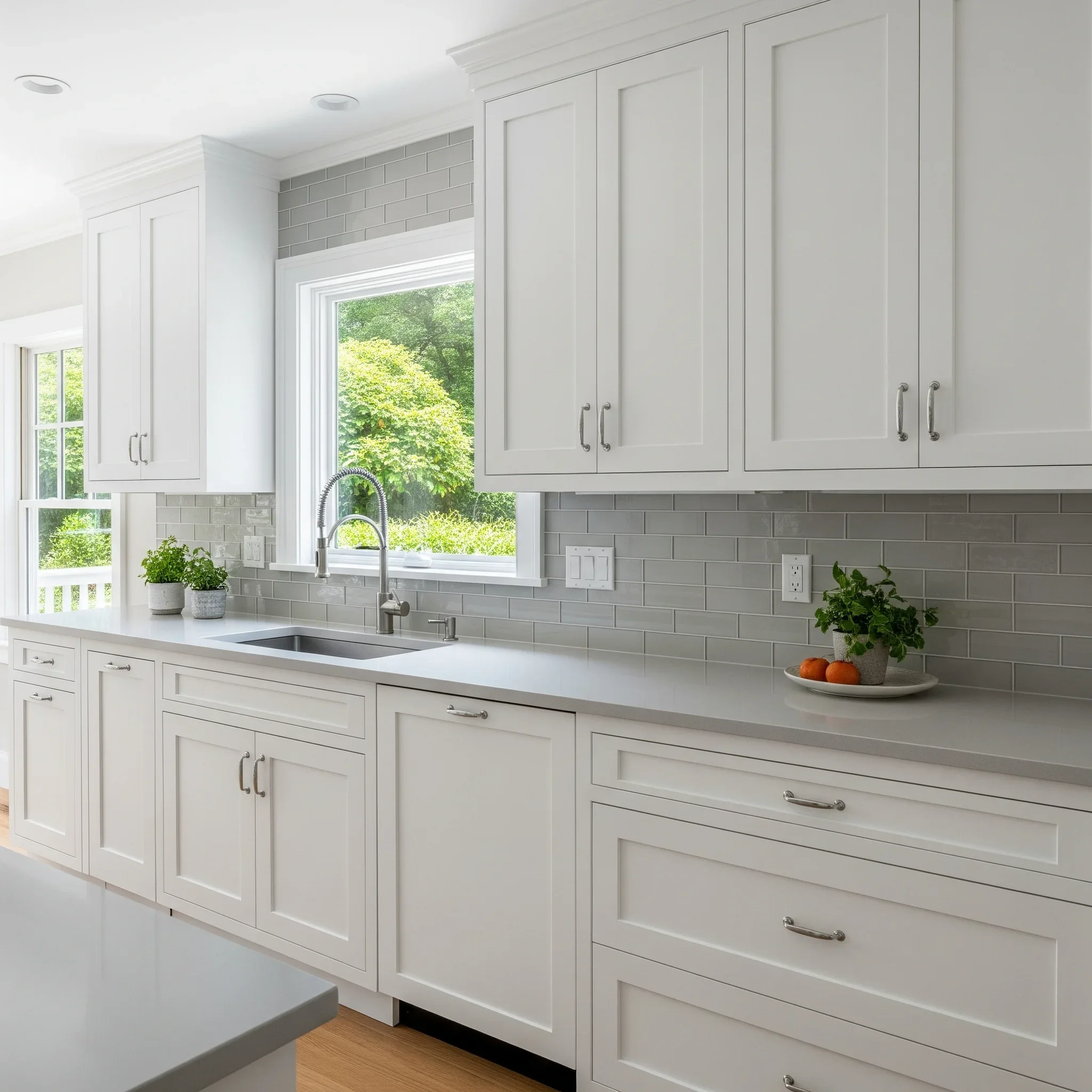
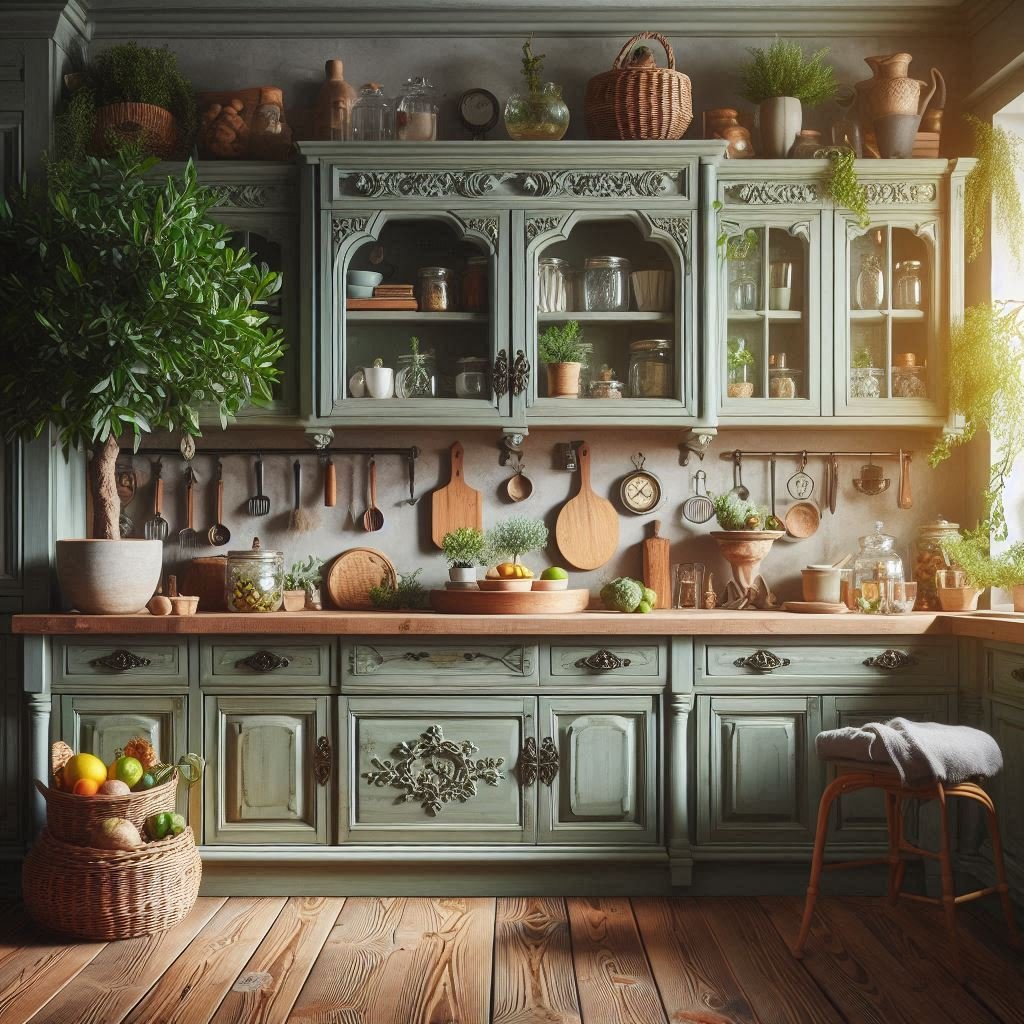
The material you choose dictates not just durability but the entire mood your sideboard brings into the room. Solid wood—walnut, oak, or mango—delivers warmth and timeless elegance, aging gracefully with a patina that tells a story over years of family dinners. For kitchens leaning contemporary, metal frames paired with glass doors or concrete-effect tops create an industrial edge that feels curated and intentional. Painted MDF and composite options offer remarkable versatility at accessible investment levels, available in virtually any color to match existing cabinetry or provide a deliberate contrast. A matte black composite sideboard against white kitchen walls creates instant drama, while a soft sage green piece introduces organic calm. Consider your kitchen's existing hard surfaces—if granite countertops and stainless appliances dominate, a natural wood sideboard introduces necessary textural warmth that prevents the space from feeling clinical.
Form Meets Function: Shape, Size, and Style Selection
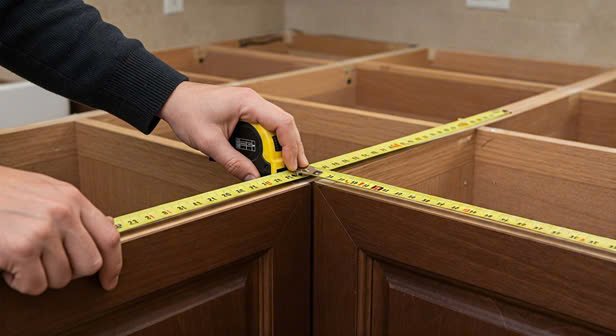
Before falling for any sideboard's appearance, measure your intended wall space carefully—length, depth from wall to traffic path, and height relative to windows or switches nearby. Standard sideboards run between 48 and 72 inches long and 16 to 20 inches deep, but narrow-profile designs exist specifically for tighter kitchens or galley-style layouts where every inch matters. Style should complement rather than compete with your kitchen's existing personality. A farmhouse rustic sideboard with turned legs and distressed finish feels natural alongside shaker-style cabinetry and open shelving. Mid-century modern pieces with tapered legs and clean geometric hardware suit kitchens featuring flat-panel cabinets and brass fixtures. Traditional sideboards with raised panel doors and ornate pulls anchor more formal eat-in kitchens or adjoining dining rooms. The goal is selecting a piece that feels like it belongs while simultaneously elevating the space—a focal point that draws the eye without clashing with what surrounds it. When style and proportion align with your room's architecture, the sideboard appears intentional rather than afterthought.

Your Step-by-Step Guide to Sideboard Success
Step 1: Assess Your Needs and Space
Start by conducting an honest inventory of your kitchen's current pain points. Walk through your space with a notebook and document every item sitting on countertops that doesn't belong there permanently—the mail pile, the appliances used less than weekly, the overflow from packed cabinets. Categorize these displaced items: entertaining supplies, small appliances, paperwork, linens, or seasonal pieces. This list becomes your storage requirement blueprint. Next, grab a tape measure and identify potential sideboard locations—the empty wall in your eat-in area, the stretch between doorways, or that awkward gap beside the refrigerator. Record the available length, the depth you can sacrifice before blocking foot traffic (leave at least 36 inches for comfortable passage), and note any obstacles like outlets, vents, or light switches that limit placement options.
Step 2: Select the Perfect Sideboard Cabinet
With your clutter inventory and measurements in hand, match your needs to specific features. If bulky appliances dominate your list, prioritize a sideboard with deep lower cabinets and removable shelves. If scattered linens and utensils are the main culprits, seek out models with multiple divided drawers. Retailers like Costway-AU offer a range of sideboard options across various styles and sizes, making it easier to find a piece that fits both your dimensions and your kitchen's design language. Cross-reference your recorded dimensions against available options, remembering that the piece needs breathing room—an inch on each side prevents a cramped appearance. Then apply your style and material preferences from your kitchen's existing design language. A quick compatibility check works well here: hold a photo of a potential sideboard against a photo of your kitchen to see whether the lines, tones, and textures feel harmonious or jarring before committing.
Step 3: Style and Accessorize for Maximum Impact
Once your sideboard arrives and swallows all that former clutter, the top surface becomes your canvas for intentional beauty. Apply the rule of three when arranging decorative objects—group items in odd numbers at varying heights for visual interest. A tall ceramic vase, a medium wooden bowl holding seasonal fruit, and a small potted succulent create an effortless vignette. Use a decorative tray to corral functional items like your coffee canister, sugar bowl, and a small plant together—this trick makes everyday objects look curated rather than scattered. Above the sideboard, hang a mirror to reflect light and visually expand the space, or lean a piece of artwork that pulls color from your kitchen's palette. A table lamp at one end adds warm ambient lighting that transforms the area during evening hours, making the sideboard feel like an intentional design moment rather than simply another piece of furniture. The magic happens when utility items and decorative pieces coexist on the same surface—your morning coffee setup looks beautiful because you've framed it with thoughtful accessories surrounding it.
The Visual Transformation: Sideboard Cabinets vs. Clutter in Action
Imagine walking into your kitchen six months ago. The countertop beside the stove held a toaster, a knife block, three half-used cooking oils, and a stack of takeout menus you kept meaning to sort. The small dining table against the wall had become a permanent landing pad for school papers, reusable bags, and a collection of vitamins nobody could find when they actually needed them. Cabinet doors stayed slightly ajar because containers inside were stacked precariously, and the fruit bowl—buried behind a laptop charger and sunglasses—held two bruised bananas nobody noticed until too late. The kitchen felt smaller than its square footage suggested, and cooking dinner required a five-minute clearing ritual before any actual food preparation could begin.
Now picture that same kitchen today. A walnut sideboard with brass hardware rests against the wall where chaos once reigned. Behind its left cabinet door, the toaster and blender sit on an adjustable shelf, ready when needed but invisible otherwise. The two top drawers contain neatly divided sections—one for takeout menus, coupons, and a notepad; the other for cloth napkins and serving utensils. The countertops breathe freely, showing off their beautiful surface for the first time in months. On top of the sideboard, a ceramic lamp glows warmly beside a wooden tray holding a single cookbook propped open, a small trailing plant, and a bowl of fresh lemons. Above it, a round mirror reflects the pendant lights overhead, making the entire space feel open and intentionally designed. The kitchen hasn't grown a single square foot—but it has transformed from a space you tolerated into one you genuinely enjoy inhabiting.
Your Clutter-Free Kitchen Starts with One Strategic Sideboard
The battle between clutter and calm doesn't require a full kitchen renovation, a Marie Kondo marathon, or sacrificing the tools and items that make your daily life work. It requires one strategic piece of furniture that pulls double duty with grace. A sideboard cabinet delivers superior organization by giving every displaced item a purposeful home—appliances behind closed doors, linens in divided drawers, entertaining essentials within arm's reach yet beautifully out of sight. It enhances functionality by multiplying your usable workspace, serving as a prep station, coffee bar, or buffet surface depending on the moment's demand. And it elevates your kitchen's elegance instantly, anchoring the room's design with intentional materials, proportions, and curated styling that reflect your personal taste. For new homeowners still defining how their space should look and feel, the sideboard represents more than furniture—it's a declaration that your kitchen will be both hardworking and beautiful, that organization and style aren't competing priorities but natural partners. So take that first step. Measure your wall, inventory your countertop refugees, and envision the kitchen you imagined when you first turned the key in your front door. That serene, clutter-free sanctuary isn't a fantasy. It's one sideboard away from becoming your everyday reality.
Stay up to date with our latest ideas!