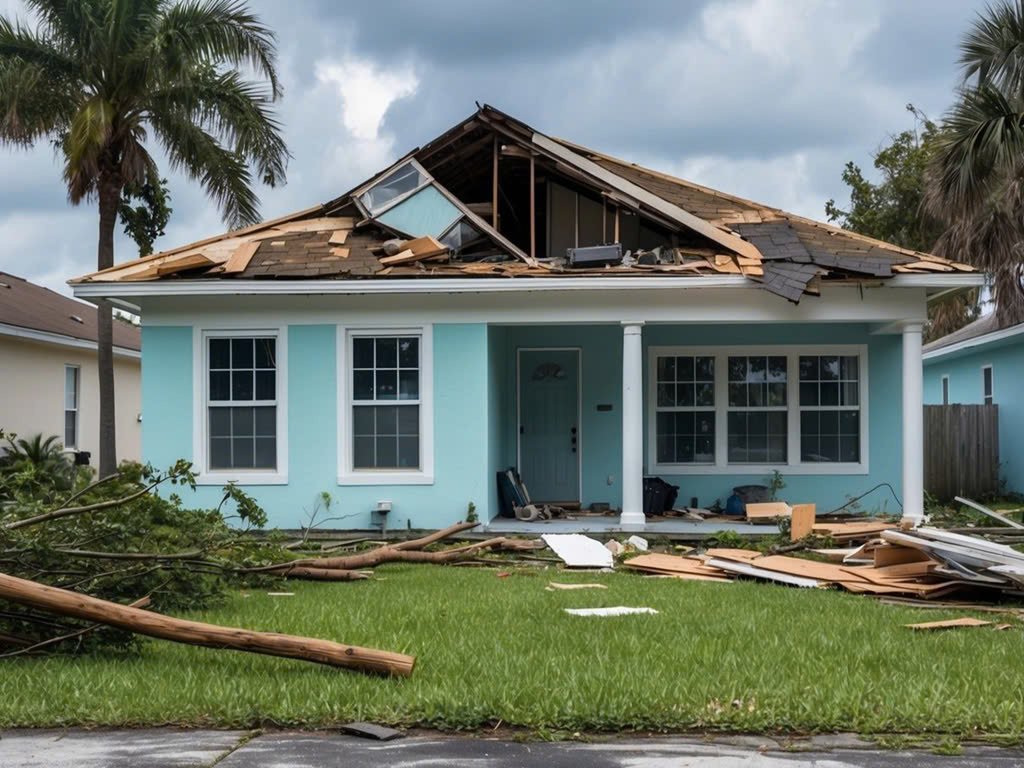
Enhancing Property Inspections with Advanced Drone Solutions
Discover how advanced drone solutions enhance property inspections by improving accuracy, safety, and efficiency while capturing detailed data and visuals.
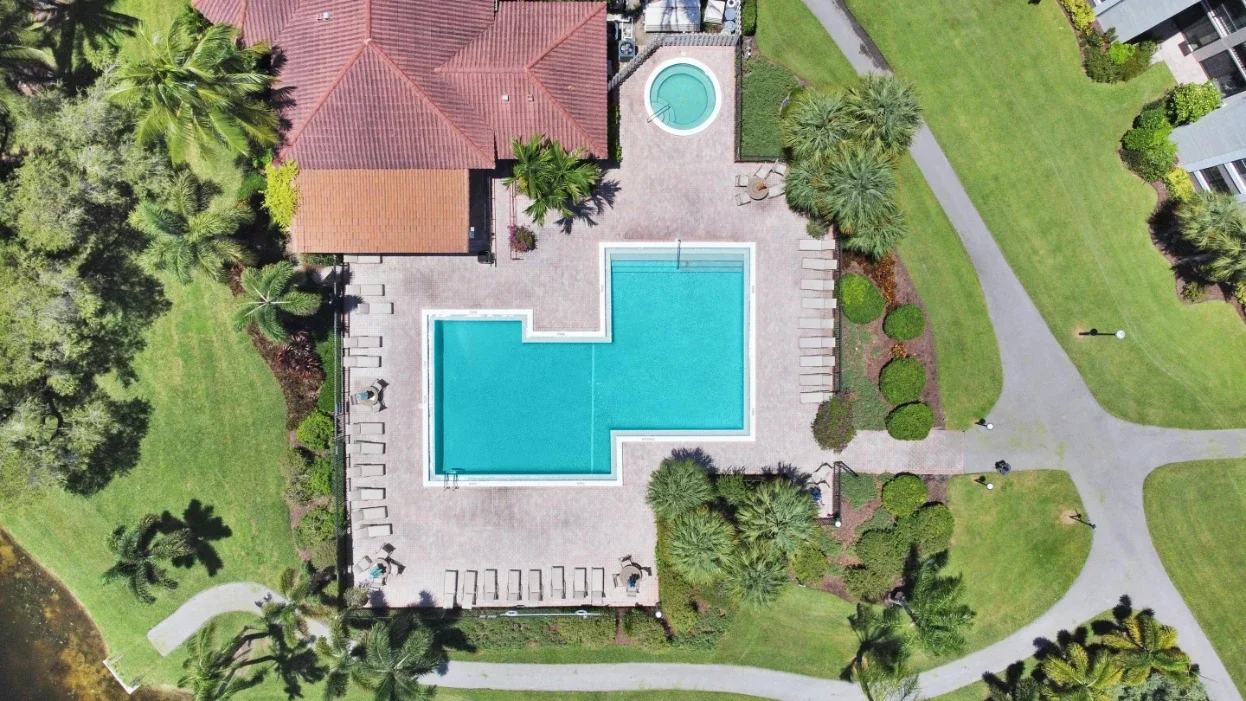
Want to improve your property inspections and save money at the same time?
Inspections. We all know how important they are.
They're the final line of defense for buyers. For sellers. And for real estate assets worth hundreds of thousands of dollars.
The problem?
Traditional methods are cumbersome and costly. Ladders to roofs and facades. Scaffolding to inspect. Inspectors sent to places where things go wrong.
There has to be a better way…
And there is. Drone technology solutions are revolutionizing the way real estate professionals perform property inspections. Capable of reaching inaccessible areas, capturing high-resolution images, and providing results in record time. These aerial inspection systems are transforming the way inspections get done.
Here's the best part…
The costs are coming down as the technology is coming up.
What This Guide Covers:
Why Drone Technology Solutions Matter for Real Estate
The Core Benefits of Aerial Property Inspections
How Modern Drones are Changing the Game
Making Drone Inspections Work for Any Property
The Bottom Line
Why Drone Technology Solutions Matter for Real Estate
The statistics speak for themselves.
The inspection drone market is expected to reach $34.4 billion by 2031 at a compound annual growth rate of 16.8% from 2024 to 2031, according to The Insight Partners. The inspection drone market report also suggests that the market is set to rise to $110.54 billion by 2034 at a CAGR of 21.66% during the forecast period, according to Market Research Future.
Why this rapid growth?
Because drone technology solutions provide what real estate professionals are looking for. Faster inspections, better data, safer processes, and lower operational costs.
Property managers and inspectors are finding out that companies like WISPR, an American-made drone company, offer advanced aerial systems designed for detailed property inspections. These drone technology solutions in real estate are fast becoming the tools of choice for staying competitive.
Let's do some quick math…
A traditional roof inspection requires ladders, safety equipment, and at least an hour on someone's back. A drone inspection can be done in minutes and the data collected while everyone remains safely on the ground.
The Core Benefits of Aerial Property Inspections
Drone inspections are no longer the icing on the cake. They're fast becoming table stakes for professional real estate companies that are serious about their operations.
Here's why:
Speed and Efficiency
Inspecting large properties or complex structures traditionally can take days to complete. Drones can survey the same area in hours. One 20-minute drone flight can capture more data and information than an hour-long inspection on the ground.
That's important in real estate where time = money.
Improved Safety
Roof inspections are hazardous. Slopes. Damaged materials. Inclement weather. All of these factors put human inspectors at real risk.
Drones mean there's no longer a need for physical access to dangerous areas. No more climbing on old roofs, balancing on scaffolding three floors in the air, and risking life and limb.
Better Data Quality
Modern inspection drones come with high-resolution cameras, thermal imaging sensors, and sophisticated detection tech. The aerial inspection system can capture data that the human eye might miss.
This includes:
Damaged shingles and roofing material
Hidden moisture and water intrusion
Structural issues on facades
Blocked gutters and drainage
Heat loss and insulation deficiencies
Images and data can be documented, archived, and referred to in future inspections. This creates a visual history of the property that is of huge value for maintenance planning.
Cost Savings
One thing that many property managers don't realize…
Drone inspections mean there's no need to rent scaffolding, cherry pickers, and other expensive access equipment. These cost savings add up quickly and significantly, especially for assets that are frequently inspected.
How Modern Drones are Changing the Game
The drone technology available now is nothing like that from even five years ago.
Smart sensors now enable inspectors to detect problems invisible to the naked eye. Thermal cameras see heat variations, exposing areas of poor insulation or electrical malfunctions. High-resolution cameras take close-up photos of details from the safety of the ground.
The software has also come a long way.
AI-powered analysis of the data now means potential problems can be flagged automatically. Digital twin technology also enables 3D models of structures to be created for detailed inspections. Cloud-based computing platforms mean entire inspection teams can collaborate on findings from any location.
That's a lot of very useful tech. And, according to PR Newswire, the inspection drone market size is expected to reach USD 19.7 Billion by 2031, growing at a CAGR of 36% from 2023 to 2031.
It's no wonder the real estate industry is taking note.
Residential property inspectors are using drones for roof and property boundary inspections. Commercial property managers are using them for facade inspection and general maintenance monitoring. Land developers are making use of aerial site surveys.
Making Drone Inspections Work for Any Property
Doing inspections with drones doesn't have to be complicated.
First comes regulatory compliance. In the United States, this means commercial drone operations must be FAA-certified under Part 107 regulations. Operators must pass an aeronautical knowledge test and register their drones with the government.
It's about safety and professionalism across the sector.
Next, choose the right equipment for your specific property inspection needs. It's important to remember that different properties have different capabilities.
Residential homes benefit from high-resolution cameras and detailed roof and structure inspections
Large commercial buildings may have greater need for thermal imaging for energy loss
Multi-property portfolios might have an emphasis on efficiency and systems that can cover large areas quickly
The key here is matching the technology to the inspection need.
Lastly, there is the question of data management. Drone inspections generate large amounts of imagery and sensor data. Having systems in place to organize, analyze, and store this information allows the value of every flight to be maximized.
The Bottom Line
Drone technology solutions have fundamentally changed how properties get inspected in real estate.
They're faster. Safer. More efficient and cost-effective. And they provide better data than traditional methods ever could.
The market growth statistics also tell the tale. Drone technology solutions in real estate are here to stay.
For real estate professionals looking to stay at the top of their game. The question isn't if they should adopt drone inspection capabilities. It's how quickly can they do it.
The technology is here. The value is proven. And the properties to inspect aren't getting any younger.
To sum up what we learned:
Drone inspections save time and money and reduce operational costs
Safety is dramatically improved when inspectors no longer need to get on roofs and facades
Data quality is better than what traditional methods can offer
The technology is improving and evolving rapidly
Market adoption is picking up across all property types
Property inspection has entered a new era. Drone technology solutions are leading the charge.
Stay up to date with our latest ideas!










![7 Charming Waterfront Towns Perfect for a Coastal Escape [2025 Edition]](https://images.squarespace-cdn.com/content/v1/63dde481bbabc6724d988548/61c7904e-773d-480c-b6e5-a083cab18445/pexels-axp-photography-500641970-30417132.jpg)