Irrometer Soil Moisture Tools for Precise Irrigation Control
Explore how soil moisture tools support precise irrigation control, conserve water, and improve crop yields through accurate monitoring and data driven decisions.
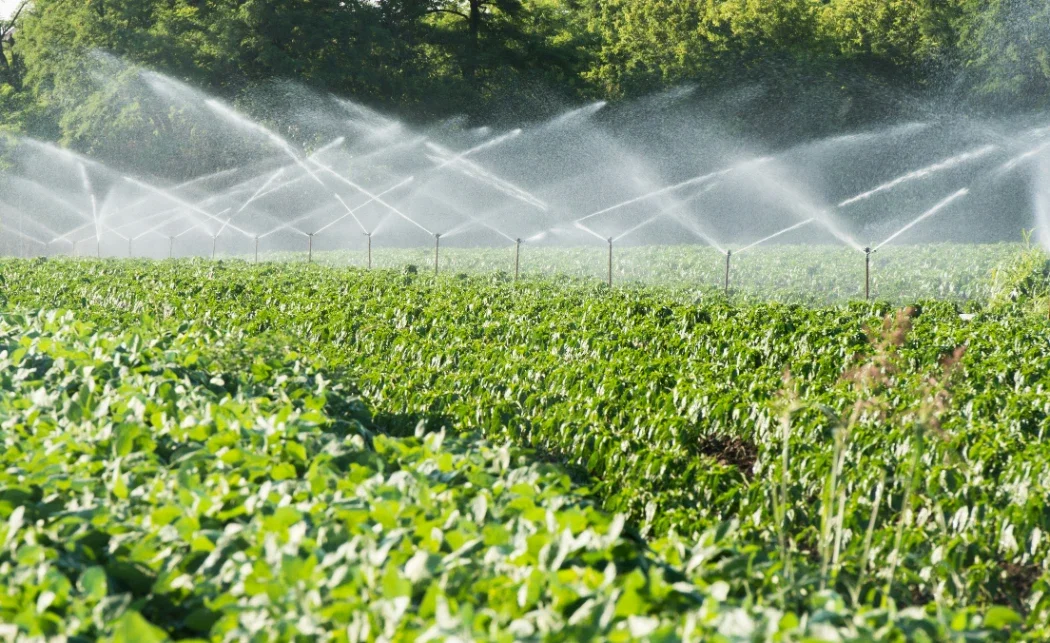
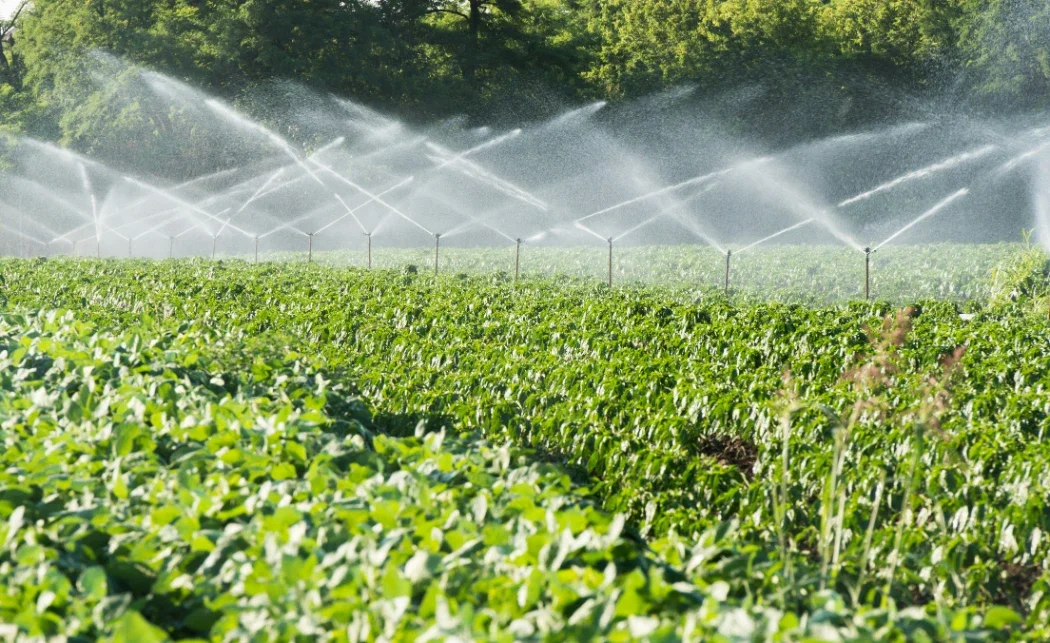
Efficient irrigation is one of the most critical factors in modern agriculture and landscape management. Water resources are increasingly limited, and growers must balance crop performance with sustainability. Soil moisture monitoring tools provide the data needed to make informed irrigation decisions, reducing waste while maintaining optimal plant health.
Soil moisture tools are designed to measure the water content available in the root zone. Instead of relying on visual inspection or fixed watering schedules, growers can apply irrigation only when crops truly need it. This precision approach improves resource management and enhances overall productivity.
Why Precise Irrigation Control Matters
Traditional irrigation methods often lead to overwatering or underwatering. Overwatering wastes water, increases energy costs, and can cause nutrient leaching. Underwatering stresses crops and reduces yield potential.
Precise irrigation control helps address these challenges by delivering water based on real time soil conditions. When soil moisture levels fall below optimal thresholds, irrigation systems can be activated. When adequate moisture is present, watering can be delayed.
This data driven strategy improves consistency and protects plant health throughout the growing cycle.
Types of Soil Moisture Measurement Technologies
Several technologies are commonly used in soil moisture monitoring. Each offers specific advantages depending on crop type, soil composition, and irrigation method.
Tensiometers measure soil water tension, indicating how hard plant roots must work to extract moisture. These tools are highly effective in sandy and loamy soils and provide direct insight into root zone conditions.
Granular matrix sensors estimate soil moisture tension through electrical resistance changes. They are durable and suitable for long term field installation.
Advanced monitoring systems integrate digital data logging and remote access. These allow growers to review moisture readings from multiple locations and make adjustments without physically visiting each field.
Benefits for Agricultural Operations
Implementing soil moisture tools delivers measurable benefits across farming operations.
Water conservation is one of the most significant advantages. By irrigating only when necessary, growers reduce water consumption without compromising crop performance.
Energy savings also improve. Pumping and distributing water require electricity or fuel. Reducing unnecessary irrigation cycles lowers operational costs.
Improved yield quality is another outcome. Crops maintained within optimal moisture ranges experience less stress, better nutrient uptake, and more consistent growth patterns.
Applications Beyond Agriculture
While agricultural fields are primary users, soil moisture monitoring is also valuable in orchards, vineyards, golf courses, and landscaping projects. Precise irrigation supports turf health and aesthetic quality in high visibility environments.
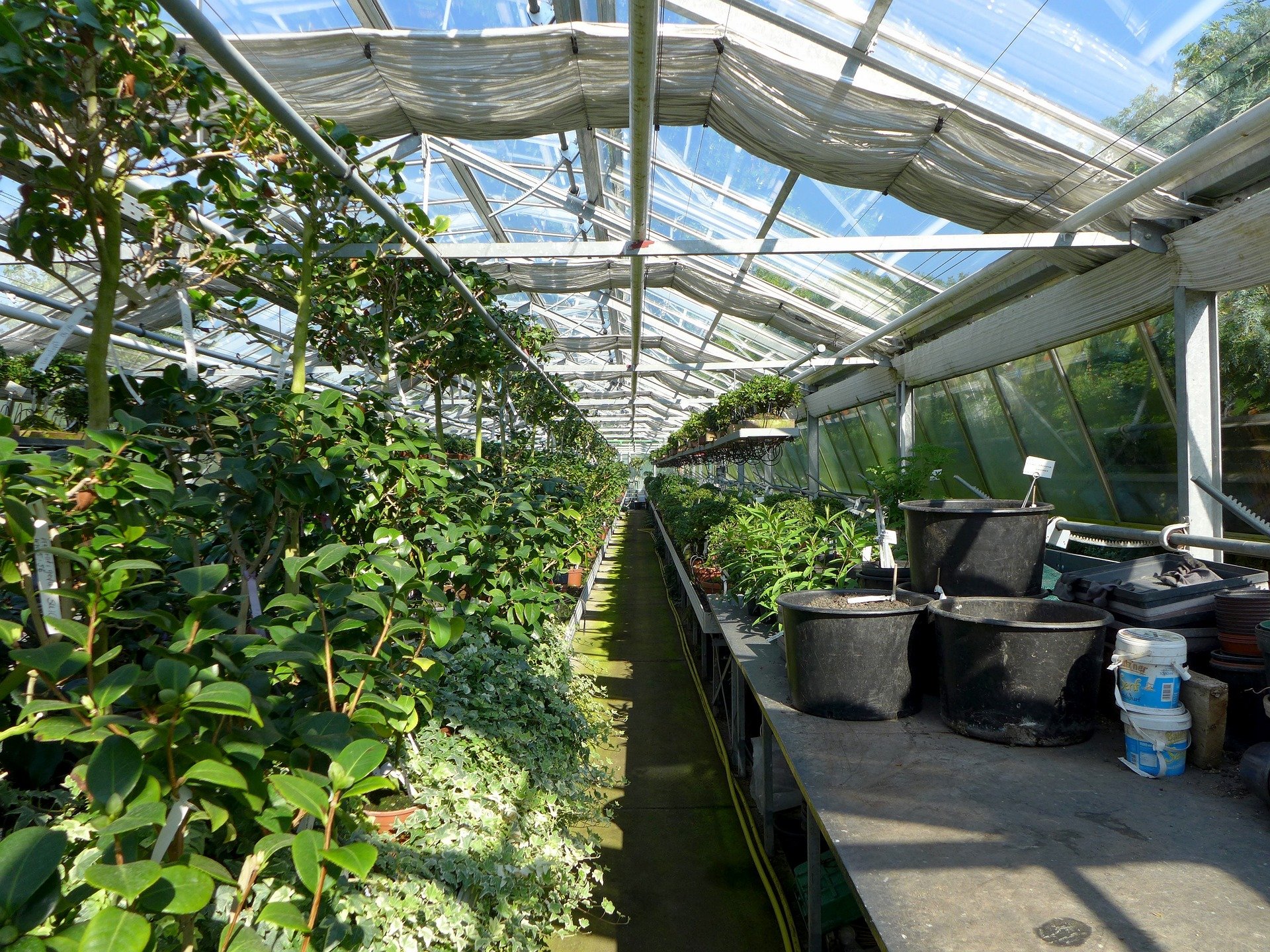
Greenhouse operations benefit as well. Controlled environments demand careful water management to prevent root diseases and maintain balanced humidity levels.
Integration with Smart Irrigation Systems
Modern irrigation systems increasingly incorporate automation and data integration. Soil moisture tools can connect to controllers that adjust watering schedules based on measured conditions.
This integration enhances efficiency by eliminating guesswork. Alerts and reports provide actionable insights that help managers respond quickly to environmental changes.
Over time, collected data supports better long term planning and seasonal strategy adjustments.
Durability and Field Reliability
Reliable soil moisture tools must withstand harsh environmental conditions. Exposure to temperature fluctuations, soil salinity, and physical impact requires robust construction.
High quality sensors are designed for long term accuracy and minimal maintenance. Proper installation at the correct root depth ensures meaningful readings that reflect actual crop needs.
Regular calibration and inspection further protect measurement integrity.
Supporting Informed Distribution and Expertise
Access to genuine monitoring tools and technical guidance is essential for effective implementation. Professional distributors play a critical role in ensuring equipment authenticity and proper application support. For example, Selectum is authorized distributor of Irrometer company, providing growers with access to trusted soil moisture technologies and knowledgeable assistance.
Working with experienced distributors helps ensure that installation, calibration, and data interpretation align with best practices.
Conclusion
Precise irrigation control depends on accurate soil moisture data. By using advanced monitoring tools, growers reduce water waste, improve crop performance, and enhance operational efficiency. Whether applied in large scale agriculture, specialty crops, or managed landscapes, soil moisture measurement supports smarter water management.
As sustainability becomes an increasing priority, integrating reliable soil moisture tools into irrigation strategies offers a practical and effective path toward responsible resource use and consistent agricultural success.
Stay up to date with our latest ideas!