How to Give a New-Build Garden More Character
Learn how to give a new-build garden more character with thoughtful planting, landscaping, textures, and design ideas that create a welcoming outdoor space.
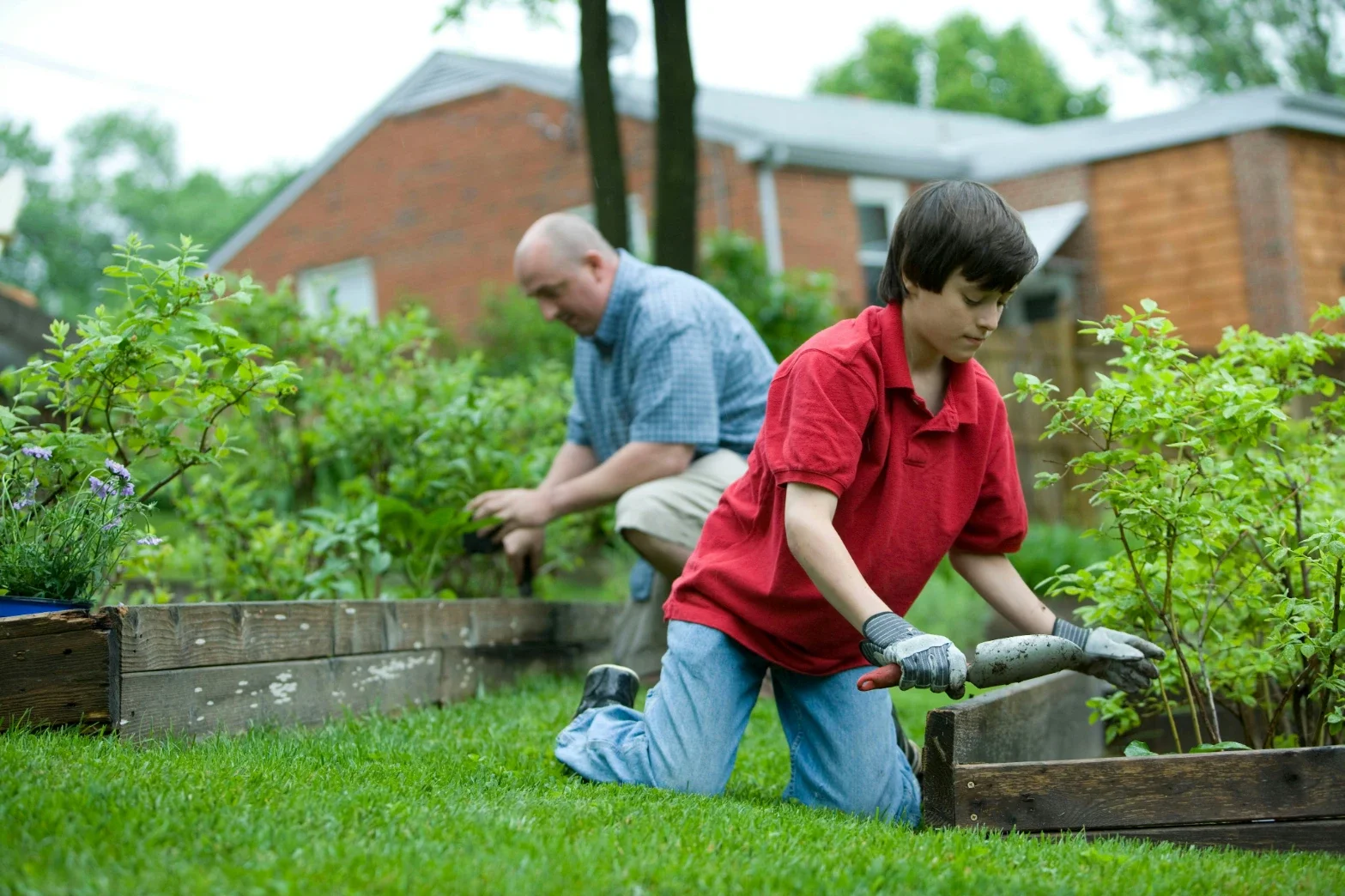
Moving into a new-build often means inheriting a garden that's a blank slate. Exciting in theory, but it can feel bare and exposed in practice. Fresh fencing, a neat lawn and a slab patio tick the practical boxes, but they don't feel like "yours" yet.
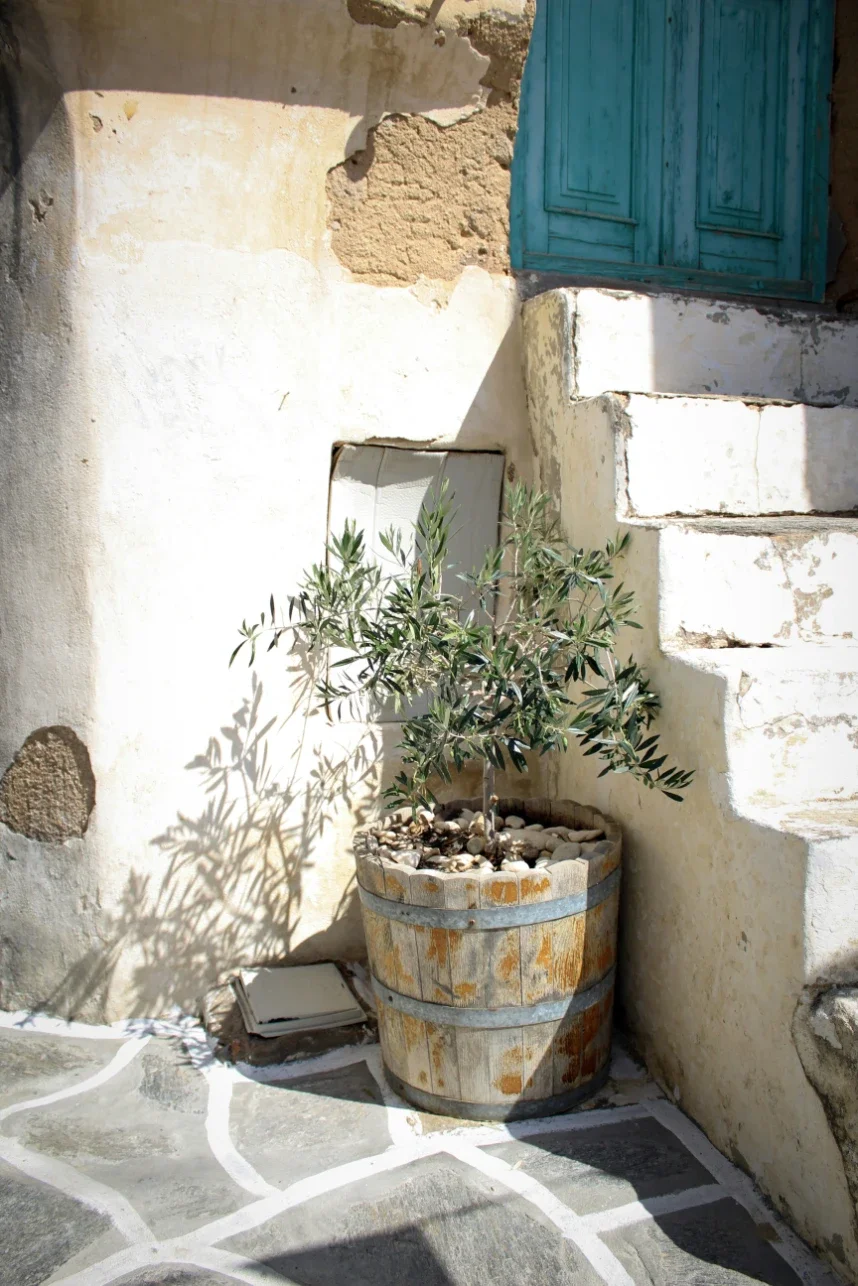
The good news is you don't need a full redesign or years of patience. A handful of thoughtful tweaks can make a stark garden feel warmer. It's worth looking at how a Mediterranean garden pulls this off, since that style leans on layered planting and natural textures to conjure a sense of age almost instantly.
Break Up the Straight Lines
New-build gardens tend to be very rectangular, fence, patio and lawn all following the same tidy logic, which can make even a decent plot feel smaller and stiffer than it is.
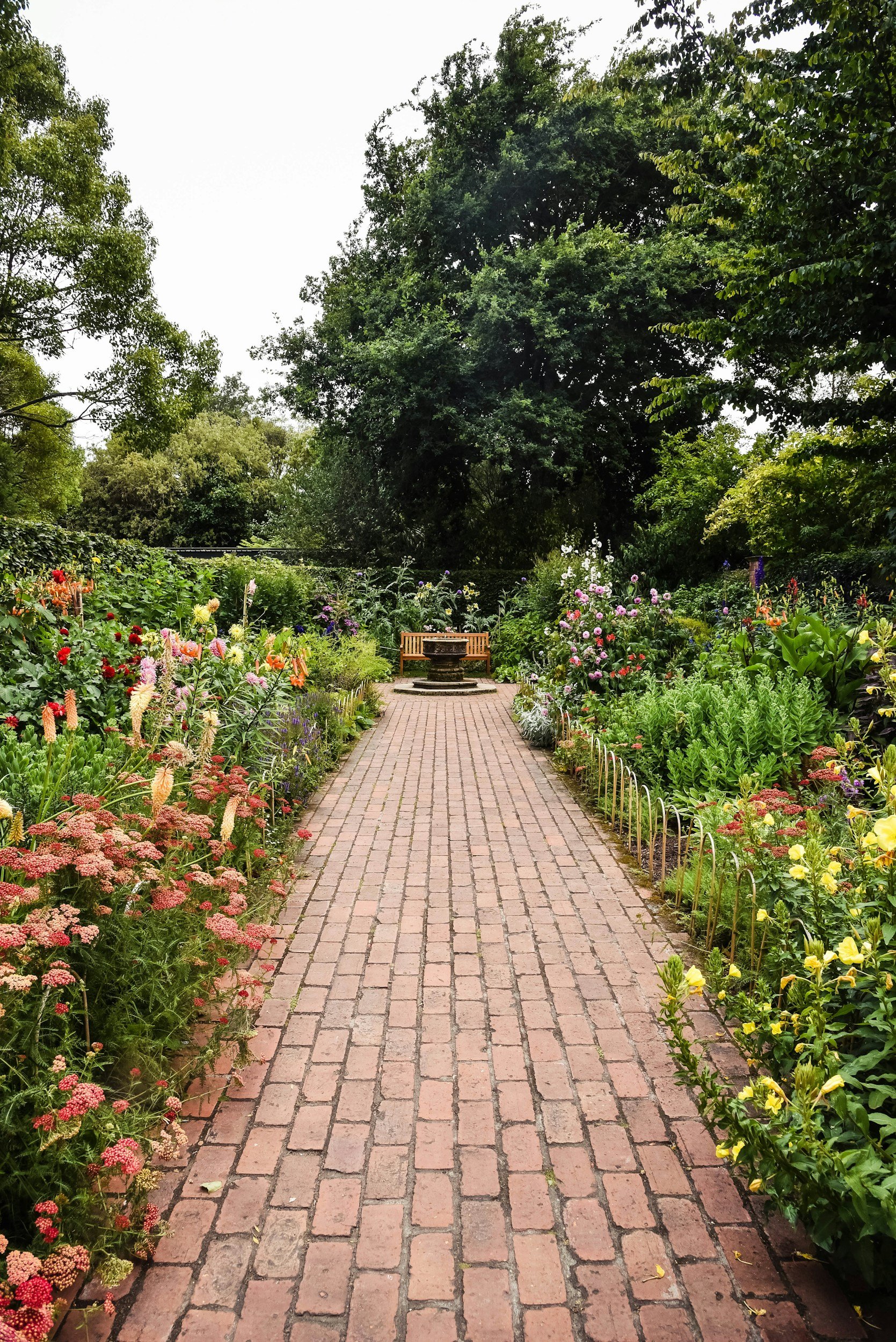
Curves are an easy fix. A gently curved border, a winding path, or a rounded seating area all get the eye moving through the space rather than stopping dead. Even a subtle curve cut into the lawn's edge helps.
If curves don't suit the house, try staggering rectangular beds or offsetting the paving instead. You're not trying to overcomplicate things, just stop every feature marching along the same line.
Layer Up the Planting
Planting is the best way to make a new garden feel like it's been there a while. Rather than picking plants one at a time, think in layers: taller shrubs towards the back of a border, medium ones in the middle, low-growing plants at the front. That gives depth and something to look at from different angles.
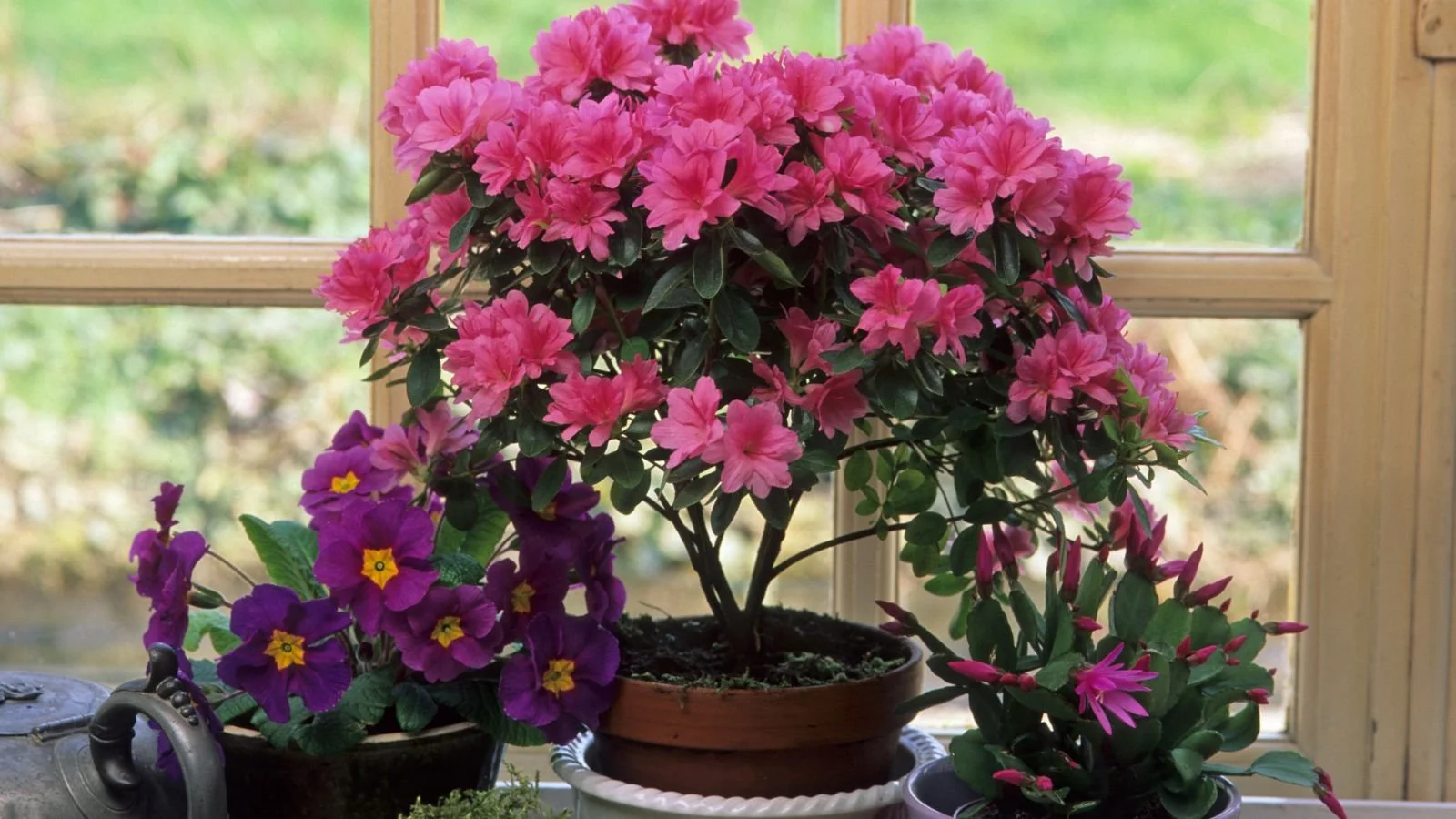
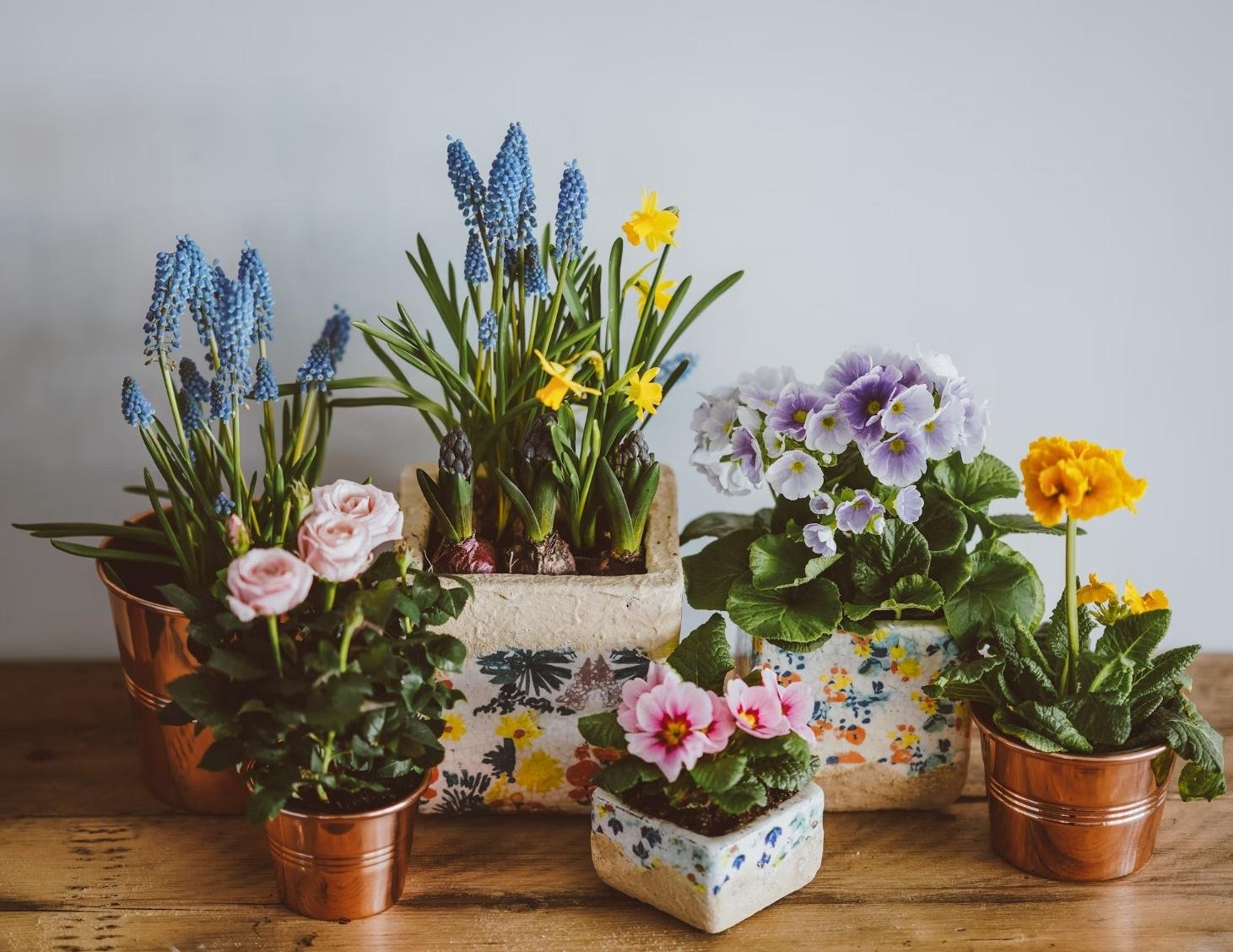
Repeating plants ties everything together, and a tight colour palette does something similar, whites, purples and soft blues feel calm, while oranges, yellows and reds bring energy. Think about the whole year too: evergreens hold the structure in winter, while bulbs, perennials and grasses bring colour as the seasons turn.
Soften the Fences
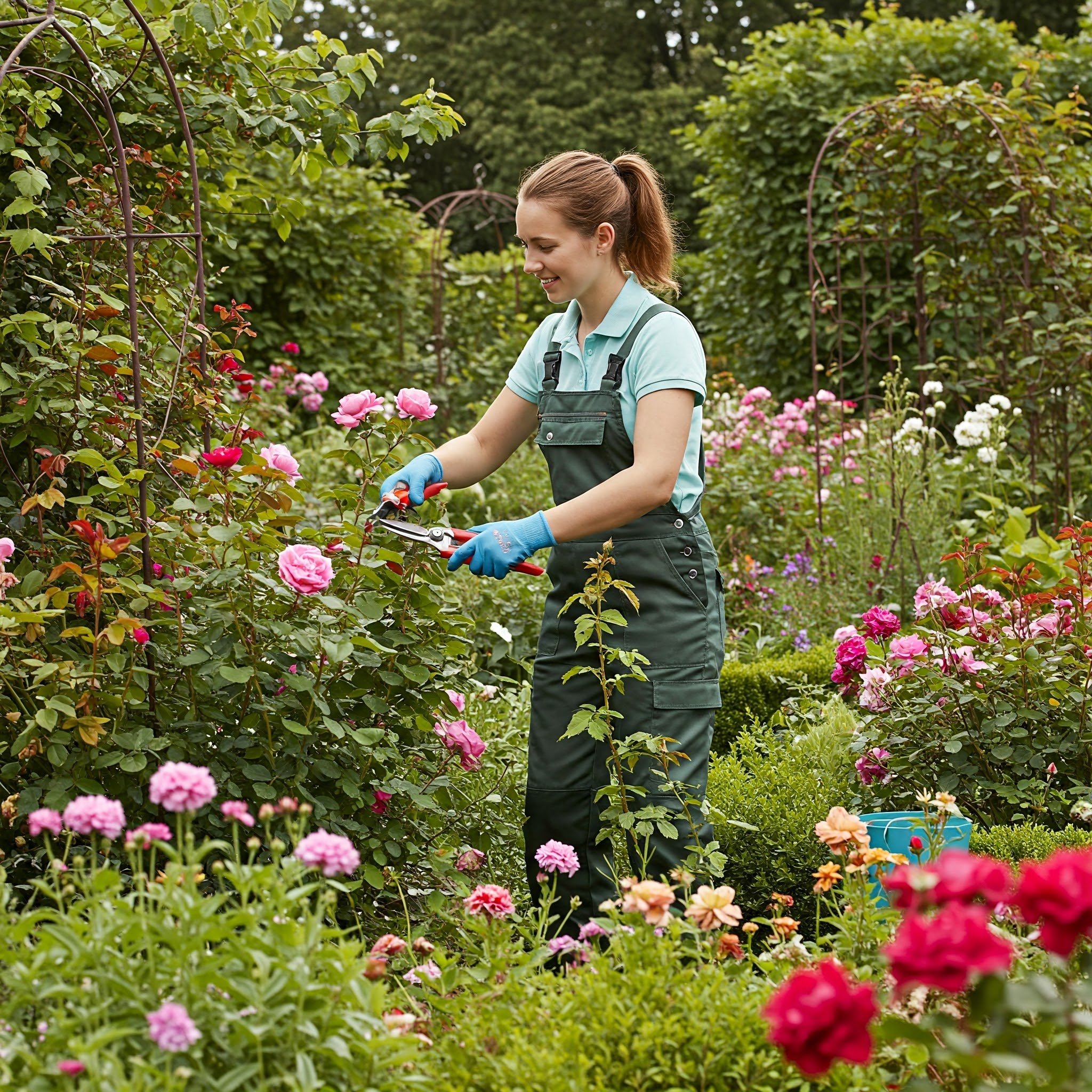
Brand-new fencing does its job, privacy, security, but can leave the space feeling boxed in. Climbers are the obvious answer: clematis, jasmine, honeysuckle or climbing roses will happily scramble up and soften the timber, depending on how much sun the fence gets.
Trellis panels add height without much visual weight, and are handy for screening bins or storage. Even painting or staining the fence changes its feel, darker shades let it recede so greenery pops, while lighter tones keep things open.
Choose Materials That Age Well
Character tends to come from texture, so materials that weather nicely help a new garden shake off that "just built" look. Terracotta pots, reclaimed brick, timber sleepers and natural stone all pick up small imperfections and colour changes over time.
Keep the number of different materials fairly limited, too many finishes in a small space looks busy. Repeating one or two across paths, edging and pots gives everything more coherence. Gravel is worth considering too, for paths or that narrow strip beside the house.
Give Yourself a Proper Seating Area
A garden feels far more welcoming once it has somewhere clearly meant for sitting, rather than a chair dragged out wherever there's a gap. Think about when the sun hits different parts of the garden: a sunny morning corner might suit coffee, while somewhere catching the evening light could be better for dinner outside.
Planting can help a seating spot feel tucked away, big pots, a low border or a nearby tree create separation without shutting off the view. Cushions, a small side table and some shade go a long way on a warm afternoon.
Add Some Height
A flat garden can feel one-note, especially while the planting's young. Small trees help, as long as you've checked their eventual size, multi-stemmed trees give a nice shape without a heavy canopy. Pergolas, arches and obelisks add height too, giving climbers something to grow up while framing a path or filling an empty corner. Tall planters work well where you can't plant permanently.
Think About the Wildlife
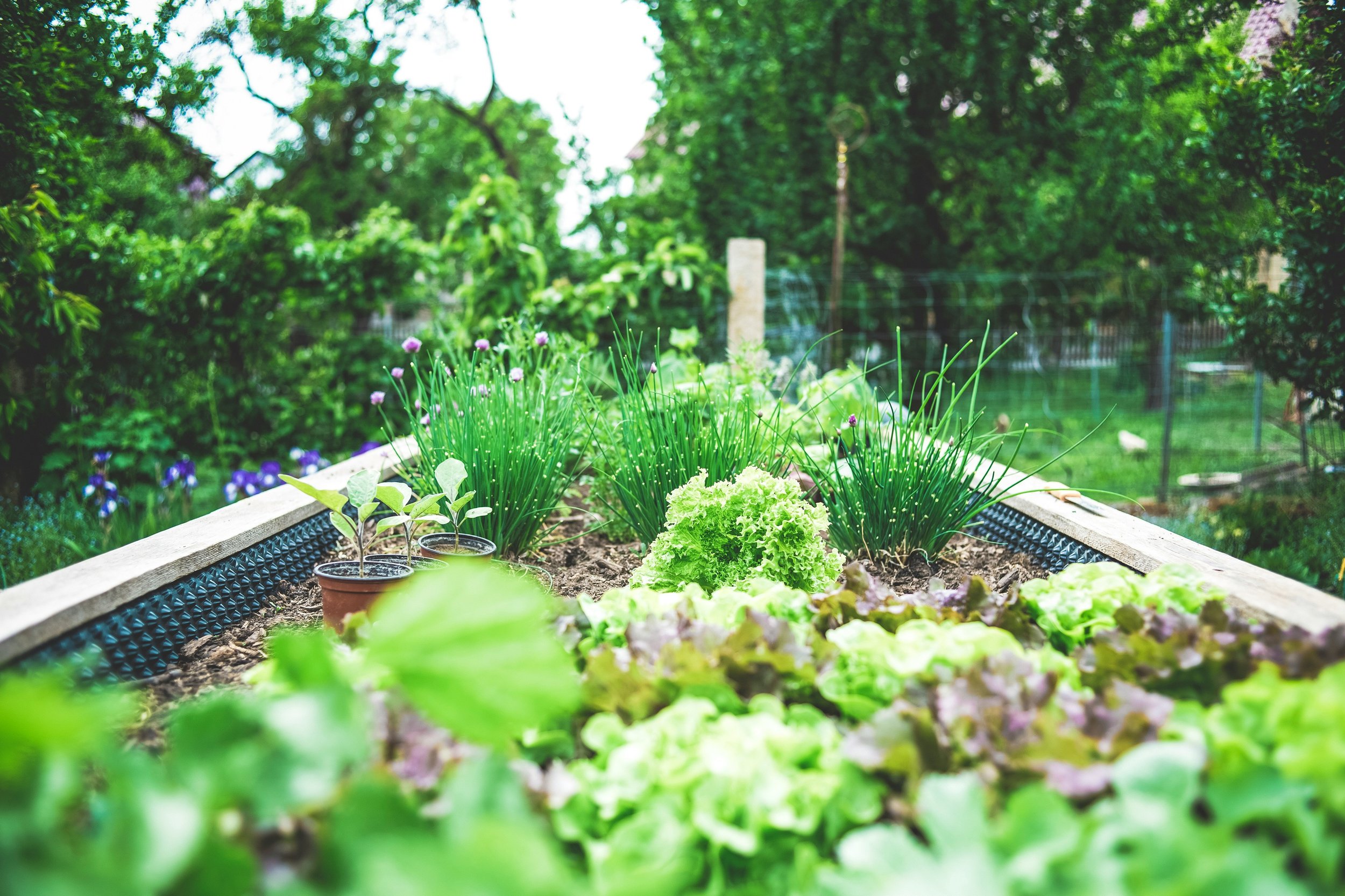
A garden feels properly established once birds, bees and other creatures turn up. Go for flowering plants that bloom at different times of year, and let a few herbs, thyme, rosemary, oregano, flower rather than trimming them back, since pollinators love them.
A bird bath, shallow dish of water or tiny pond brings movement and gives wildlife something they need. Leave a corner a little untidy, logs, stones, dense planting, as shelter, and go easy on the pesticides.
Light It Carefully
Outdoor lighting stretches the evenings you spend outside, but works best used sparingly. Pick out a few things worth highlighting, a tree, a textured wall, a path, rather than lighting the whole plot. Warm-toned bulbs feel more inviting than stark white ones, and low path lights work well if placed carefully, ideally angled downward to avoid disturbing neighbours or wildlife.
Let It Evolve
A new-build garden doesn't need finishing in one go. Giving it time usually leads to better decisions in the long run. Live in the space for a while first, notice where the sun falls, where water collects, which corners you keep gravitating towards.
Plants spread, materials weather, and the garden slowly starts to reflect how you use it. More often than not, the most characterful gardens come together through lots of small decisions rather than one big transformation.
Stay up to date with our latest ideas!