Learn how to grow rhododendrons at home with expert planting, care, watering, pruning, and maintenance tips for healthy blooms every spring.
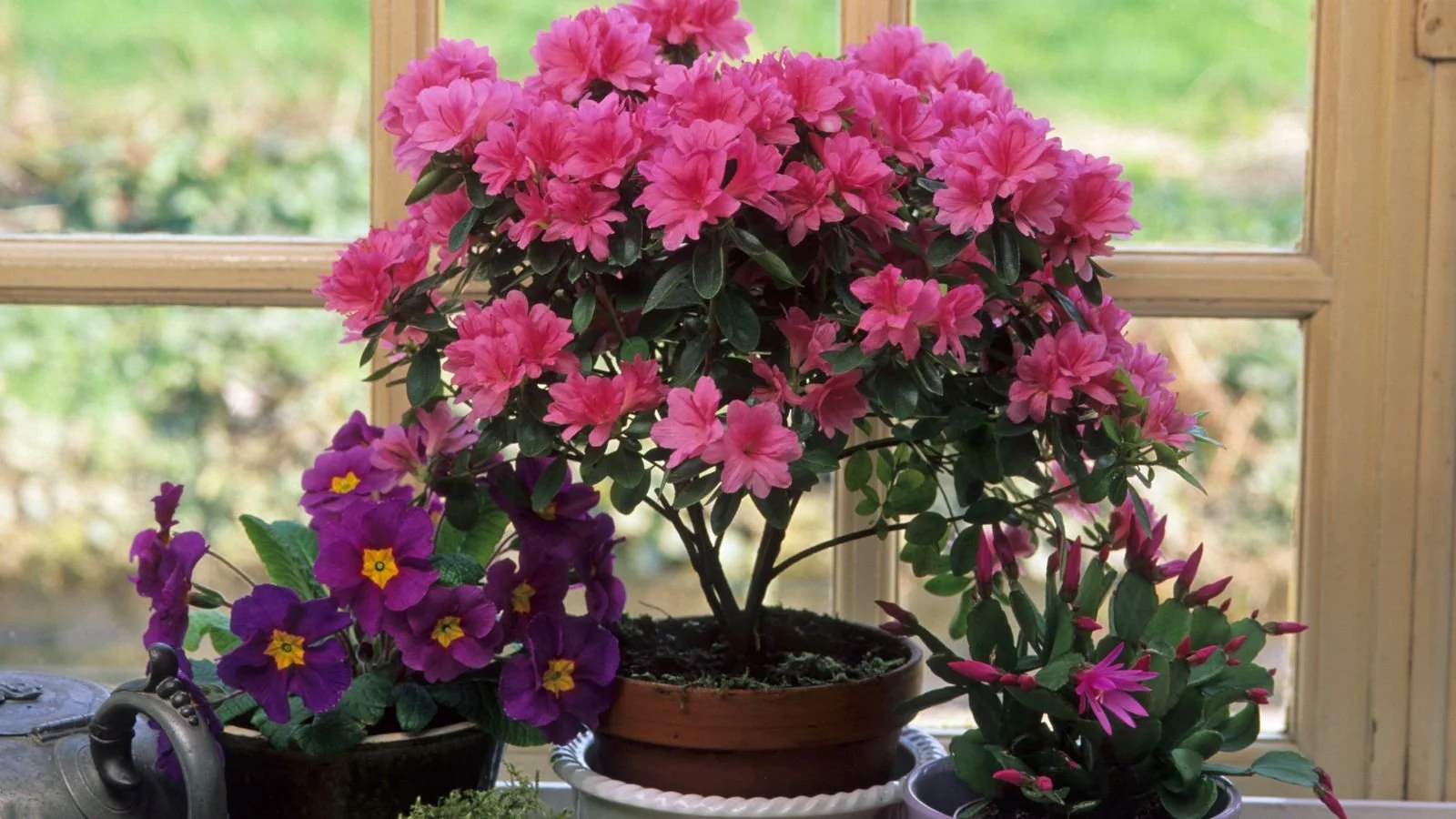
Few flowering shrubs make a statement quite like the rhododendron. With its vibrant clusters of blooms and lush evergreen foliage, it can transform any garden into a colorful retreat each spring. While many people admire these stunning flowers in botanical gardens or mountain landscapes, few realize that rhododendrons can thrive just as beautifully in a home garden with the right care.
The secret to growing healthy rhododendrons isn't complicated. These shrubs flourish when you recreate the conditions they naturally love, cool temperatures, well-draining acidic soil, and partial shade. In this guide, you'll learn everything you need to know about how to grow rhododendrons at home, from choosing the ideal planting location to watering, fertilizing, pruning, and maintaining your shrubs so they produce healthy foliage and spectacular blooms year after year.
Where Do Rhododendrons Grow Best?
Rhododendrons thrive in cool, temperate climates that closely resemble their natural mountain habitat. In the wild, they grow beneath tall trees in forests where the soil is rich in organic matter, rainfall is plentiful, and the roots stay cool throughout the year. These conditions allow the plants to develop healthy foliage and produce abundant blooms each spring.
These flowers are native to many parts of the world, they are common in Himalayans including Nepal, Bhutan, Northern India and Tibet as well as China, Japan, Europe and North America.
For home gardeners, the goal is to recreate these natural conditions as closely as possible. Rhododendrons perform best when planted in a location that offers:
Partial shade, especially protection from hot afternoon sun.
Well-draining, acidic soil with a pH between 4.5 and 6.0.
Consistent moisture without waterlogged roots.
Shelter from strong winds, which can damage leaves and flower buds.
Organic mulch, such as pine bark or leaf compost, to keep the soil cool and retain moisture.
How to Plant Rhododendrons at Home?
Planting rhododendrons correctly is the first step toward growing healthy, long-lasting flowering shrubs. Choosing the right location, preparing the soil, and following the proper planting method will help the plant establish strong roots and produce vibrant blooms for years to come.
Follow these essential steps to give your rhododendrons the best possible start.
1. Choose the Right Location
Select a spot that receives partial shade, ideally with gentle morning sunlight and protection from the hot afternoon sun. Rhododendrons also benefit from shelter against strong winds, which can damage their leaves and flower buds.
2. Prepare the Soil
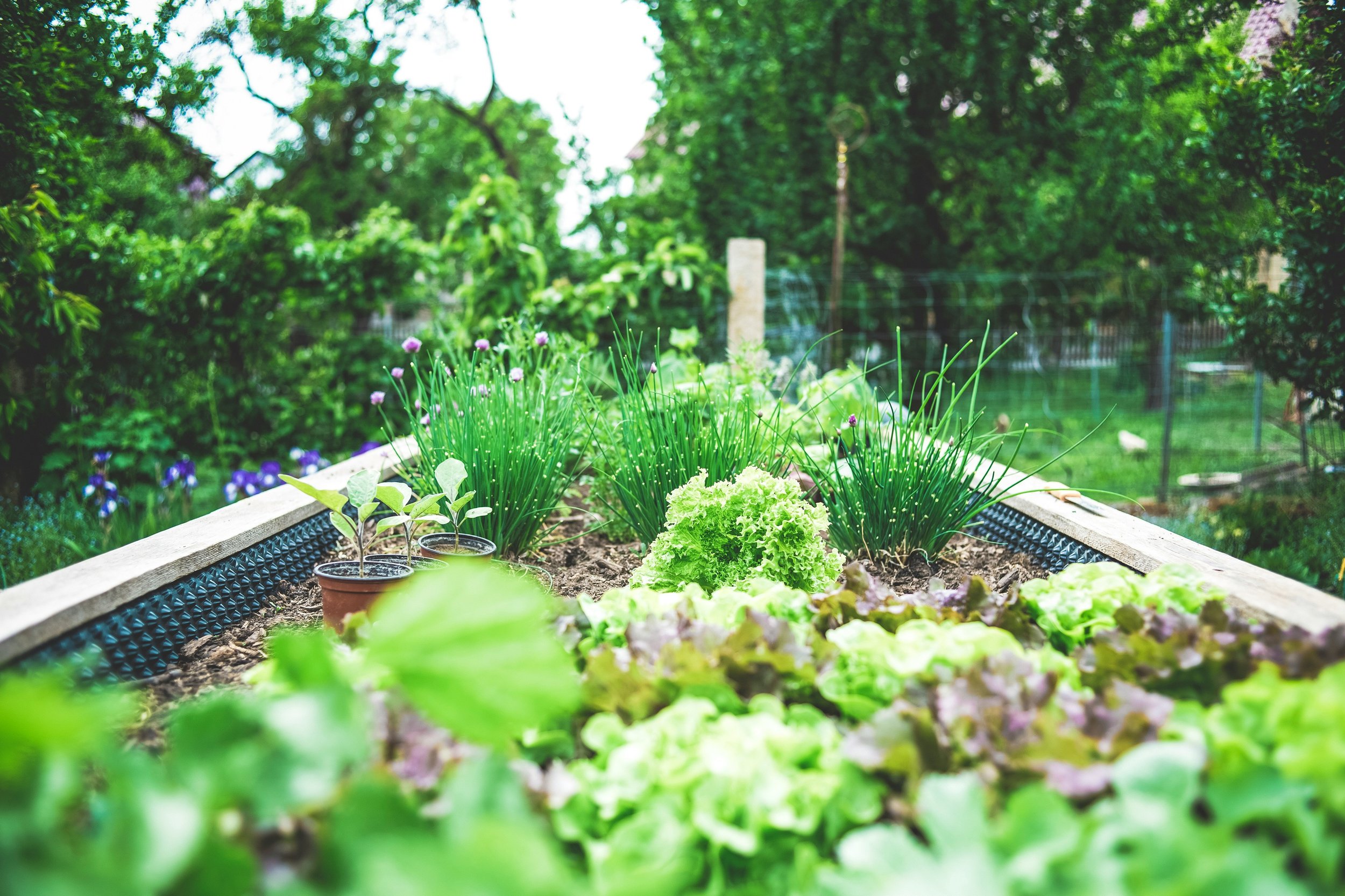
Rhododendrons thrive in well-draining, acidic soil with a pH between 4.5 and 6.0. Before planting, enrich the soil with organic matter such as compost, leaf mold, or pine bark. If your soil is heavy clay or tends to retain water, improve drainage or consider planting in a raised bed.
3. Dig and Plant
Dig a hole that is twice as wide as the root ball but no deeper than its height. Position the plant so that the top of the root ball sits slightly above the surrounding soil level. Planting too deeply can prevent the roots from getting enough oxygen and lead to poor growth.
4. Backfill and Water
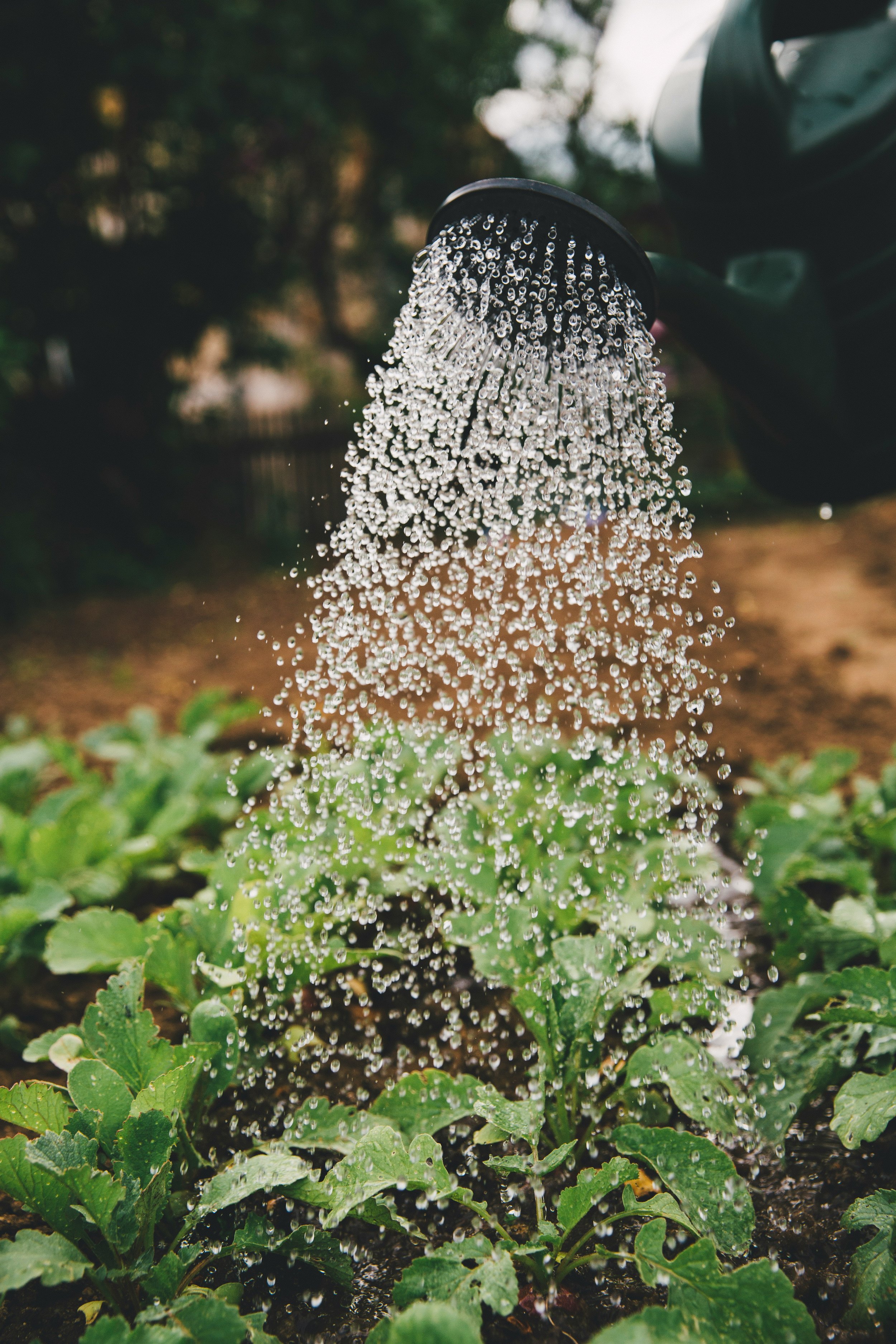
The next step is to fill the hole with the amended soil, gently firming it around the roots without compacting it too tightly. Water thoroughly after planting to help settle the soil and eliminate air pockets.
5. Apply Mulch
Spread a 2–3 inch (5–8 cm) layer of organic mulch, such as pine bark, pine needles, or shredded leaves, around the base of the plant. Keep the mulch a few inches away from the stem to prevent rot. Mulch helps retain moisture, regulate soil temperature, and gradually adds organic matter as it breaks down.
When Is the Best Time to Plant Rhododendrons?
The best time to plant rhododendrons is during spring or early fall at home , when temperatures are mild and the soil conditions support healthy root development. Spring planting gives rhododendrons an entire growing season to establish strong roots before the arrival of extreme summer heat or winter cold. It is also the most beautiful time to witness these plants in full bloom, as rhododendron flowers brighten gardens and mountain landscapes with vibrant shades of pink, red, white, and purple.
Spring season is the beautiful time to watch flowers bloom in himalayan forest. Their colour attracts various birds and bees, especially the giant Himalayan honeybee. These bees collect nectar from rhododendron blossoms, supporting pollination and contributing to the production of best mad honey.
Common Problems and How to Keep Rhododendrons Healthy At Garden
Rhododendrons are generally low-maintenance plants, but they can struggle to grow when soil conditions, watering, or weather conditions are not ideal. Before planting these beautiful flowering shrubs, it is important to understand the common challenges they may face. With the right care and attention, you can keep your rhododendrons healthy, maintain vibrant foliage, and enjoy stunning blooms season after season.
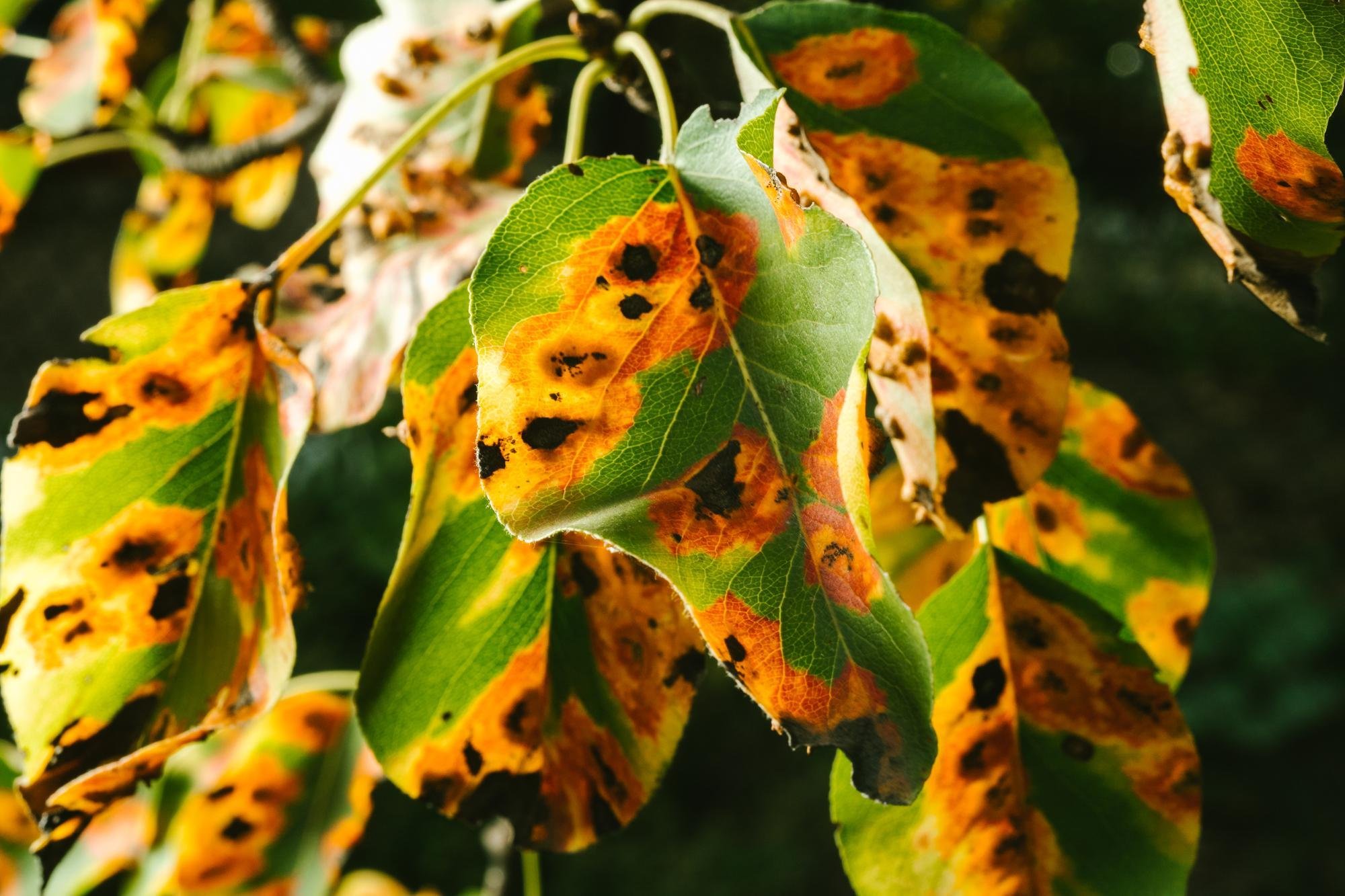
1. Yellowing Leaves: Yellow leaves are often a sign of improper soil conditions, especially when the soil is not acidic enough. Using acidic organic compost and maintaining the right soil pH can help restore healthy green foliage.
2. Poor Flowering: If your rhododendron produces fewer flowers than expected, it may be due to insufficient sunlight, nutrient imbalance, or incorrect pruning. Providing partial shade and using a suitable fertilizer can encourage better blooming.
3. Overwatering and Root Rot: Rhododendrons need consistent moisture but cannot survive in waterlogged soil. Poor drainage can damage the roots and lead to wilting or browning leaves, so always plant them in well-draining soil.
4. Pests and Diseases: Rhododendrons can occasionally attract pests such as aphids, spider mites, and root weevils. Regularly checking the leaves and removing affected parts early can help prevent serious damage.
5. Weather Stress: Extreme heat, strong winds, or harsh winters can affect rhododendron growth. Planting them in a sheltered location and adding mulch around the roots can protect the plant from sudden temperature changes and help it remain healthy.
Can You Grow Rhododendrons in Pots?
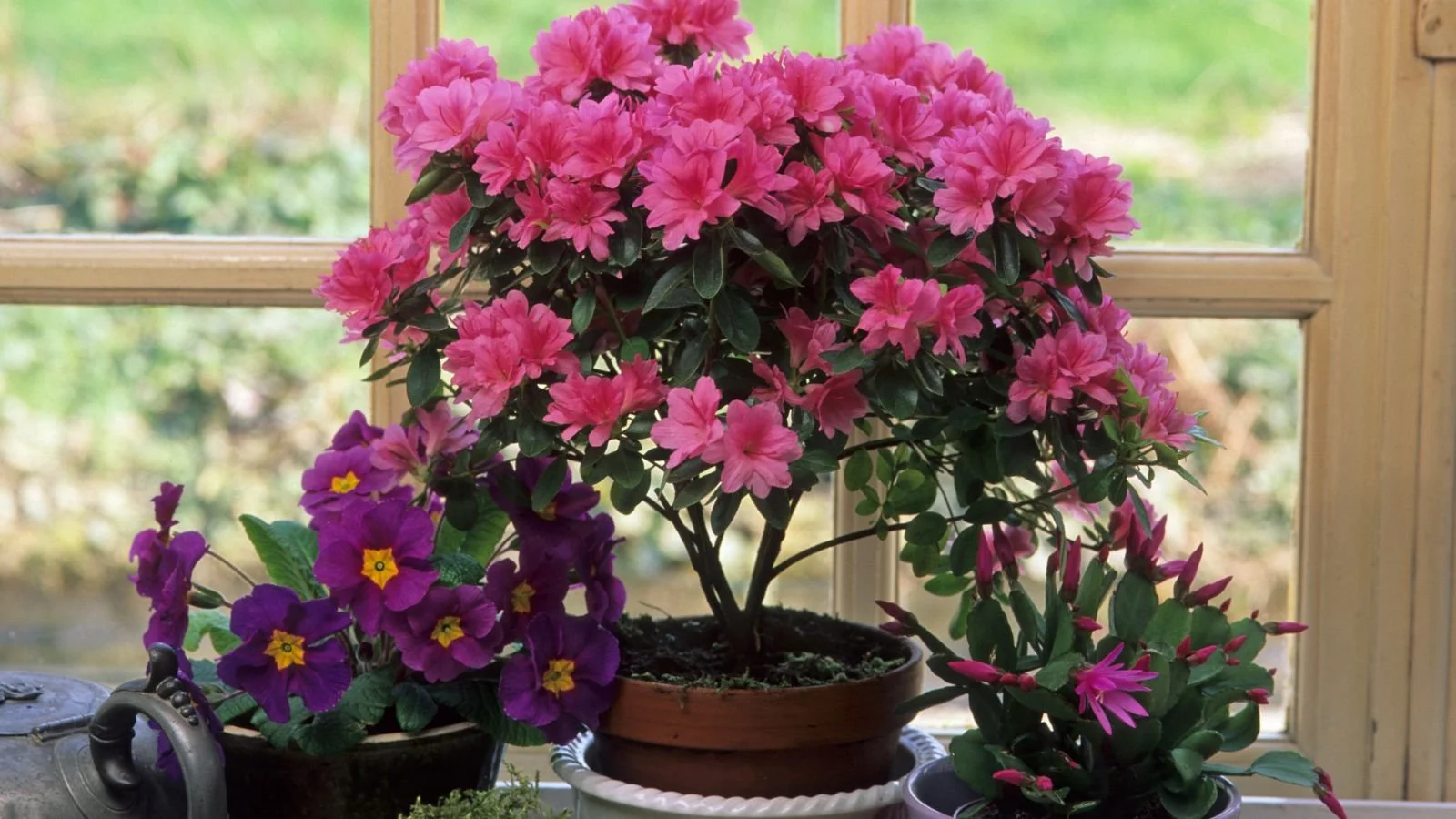
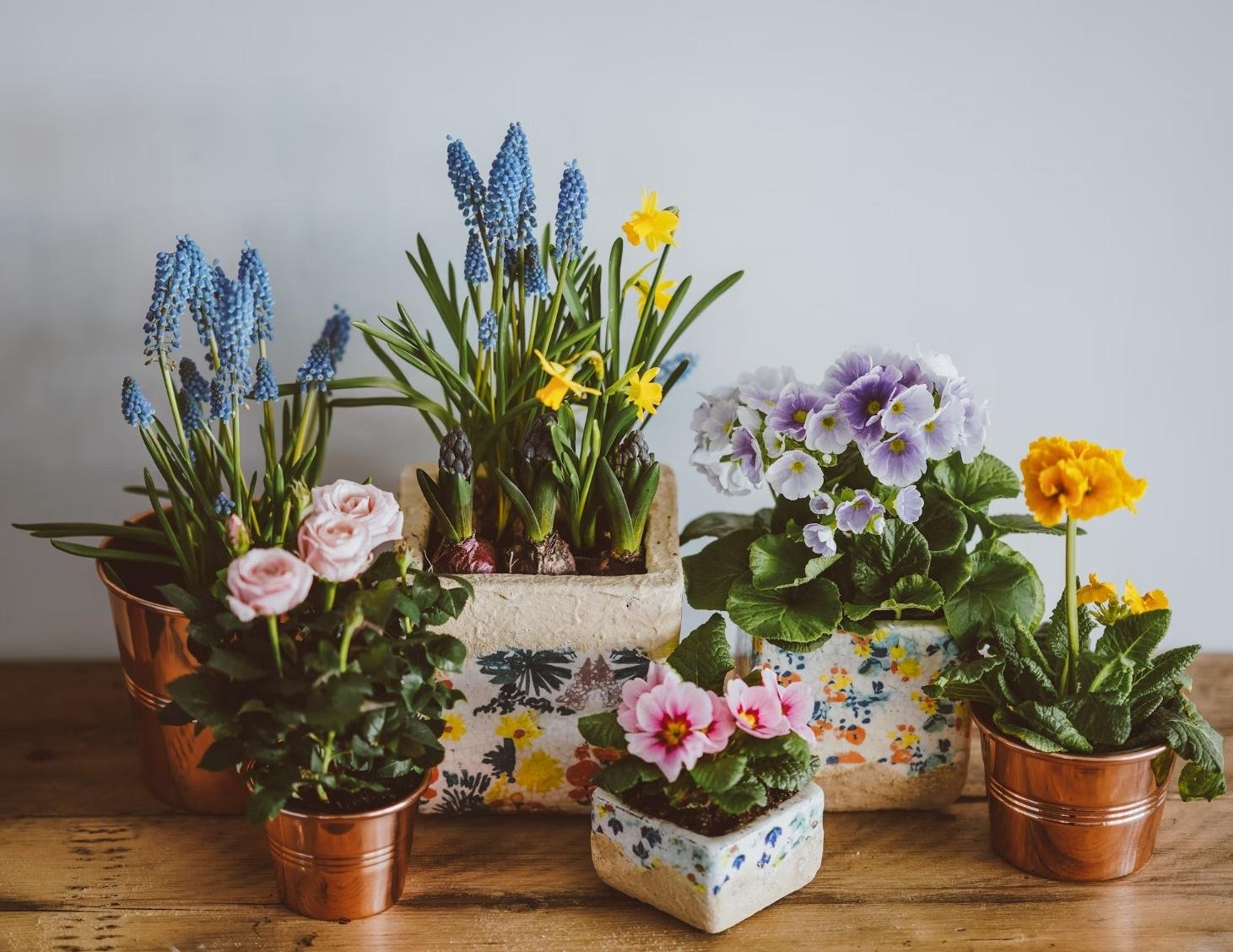
Yes, you can grow rhododendrons in pots, making them a great choice for balconies, patios, and small gardens. While these flowering shrubs are commonly grown in landscapes, compact rhododendron varieties can thrive in containers when provided with the right conditions. Choose a pot with proper drainage, use acidic and well-draining soil, and place it in a spot with partial shade to protect it from harsh afternoon sunlight. Since rhododendrons have shallow roots, keeping the soil consistently moist without overwatering is essential. With the right container, soil, and care, potted rhododendrons can produce beautiful blooms and add a vibrant touch to your outdoor space.
Conclusion
It is a rewarding experience that brings the beauty of mountain landscapes into your own garden. By providing the right growing conditions, including acidic soil, partial shade, and consistent moisture, your rhododendrons will reward you with vibrant blooms every spring. Once established, these beautiful flowering shrubs require very little maintenance and will continue to add color and charm to your outdoor space for many years.
Stay up to date with our latest ideas!