Room-by-Room Styling Ideas with Chesterfield Sofas
Styling ideas that show how a Chesterfield sofa can work in different rooms — from a formal lounge to a compact studio—covering colours, rugs, and accessories for a cohesive look.
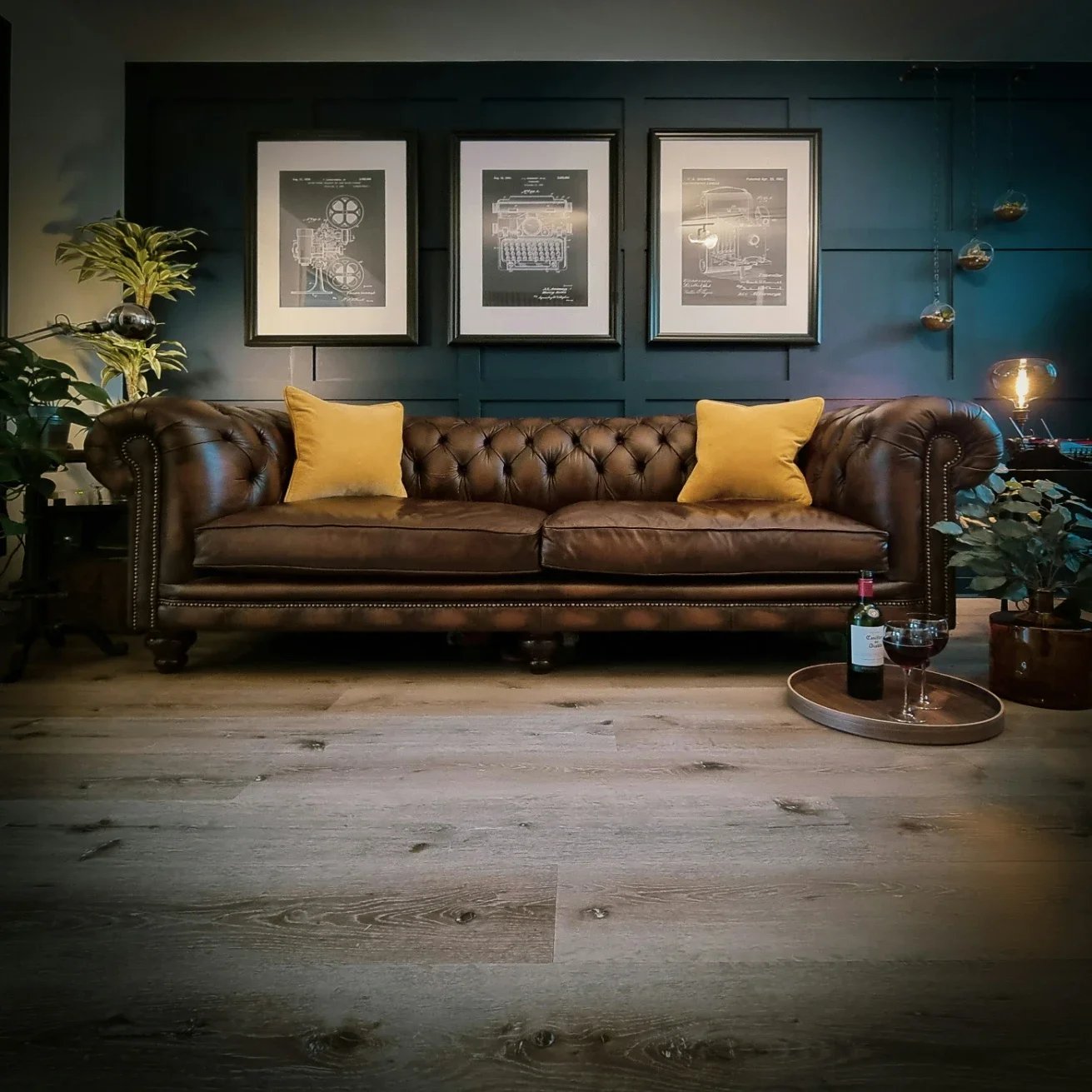
A Chesterfield is more than just a seating piece — it is a sofa that brings a sense of exclusive style to the room, is a major part in the organization of the area, and is often the centerpiece of the design. Choosing the right furniture with a Chesterfield can easily reinvent the way the space feels and how you use it, whether you are updating a period property or decorating a contemporary interior. At Designer Sofas 4U you can find both traditional Chesterfield and modern Chesterfield designs, making it possible to fit this iconic shape into almost any environment. For you to adapt this particular shape, the most important thing is not only the appropriate model but also the ability to accessorize it effectively room by room.
The guide touches upon the topics of living room design, home office interior styling, studio apartment layout ideas, color palette coordination, texture mixing, lighting layers, and zoning layout, which are all designed based on the unique position of a Chesterfield.
Living Room Design: Constructing with a Focus
Generally, the Chesterfield sofas become the hub of the room. Their rolled arms, deep buttons and tailored form create the heaviness of the visuals that necessitate balance in the other elements. Interior designers frequently refer to this concept as “visual weight,” explaining how larger pieces require proportional balance through lighting, artwork and surrounding textures , as discussed by Livingetc in their guide to visual weight in interior design:.
Colour Palette Selection
Start with the colors of the walls. A Chesterfield that is made from leather and has a rich patina will look good on:
Soft neutrals for a classic interior
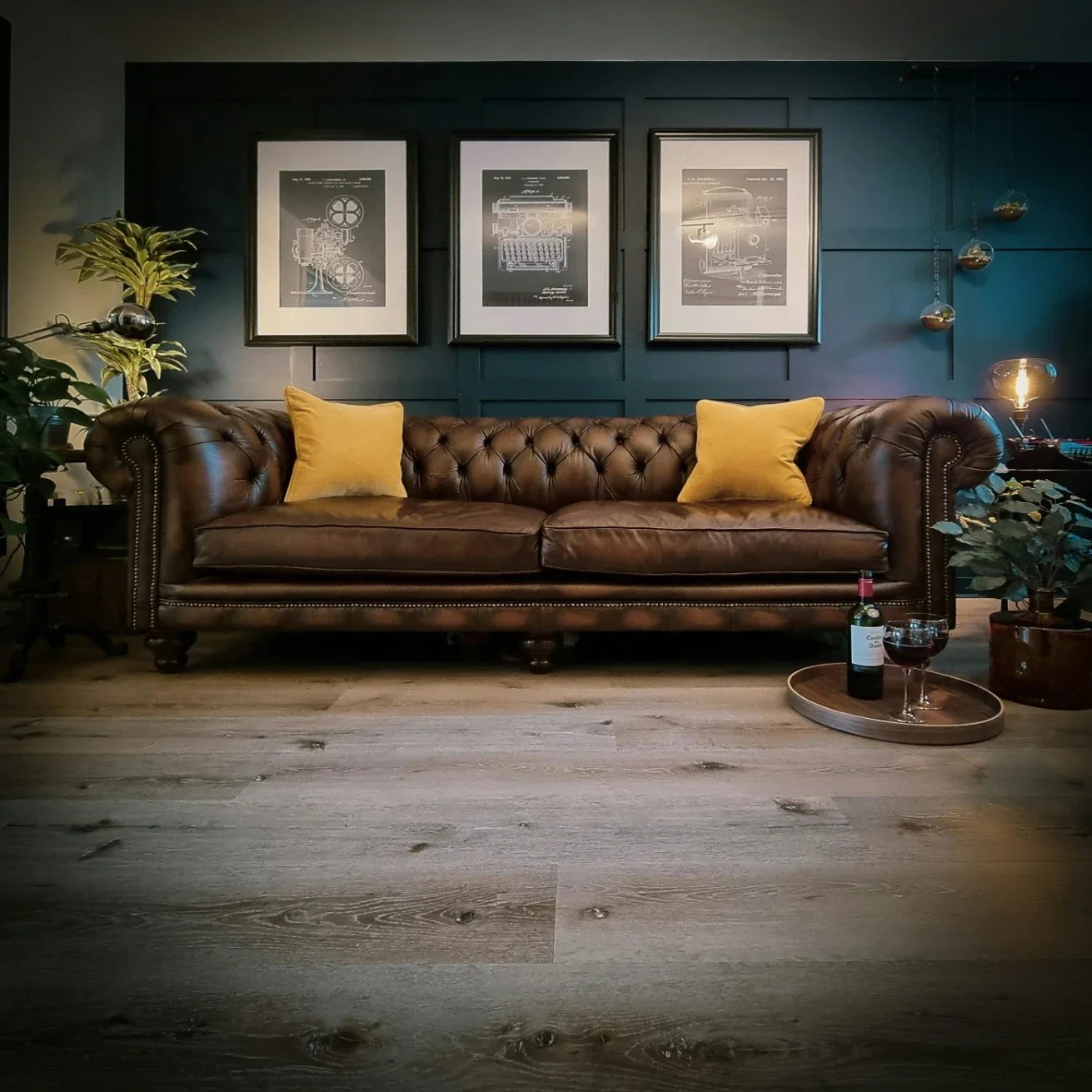
Deep navy or forest green for dramatic dark walls
Warm greige for transitional schemes
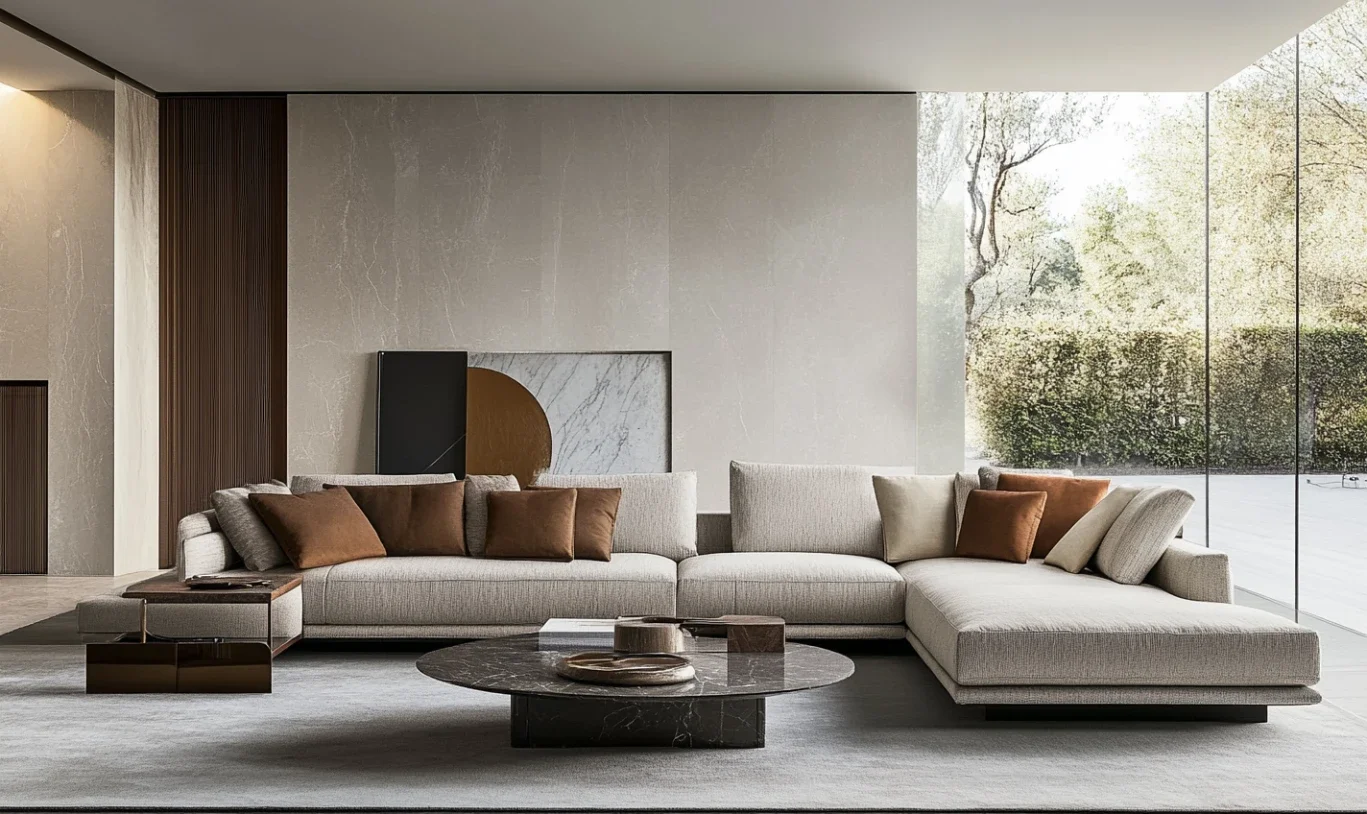
In case you use a contemporary-designed fabric Chesterfield, the tones of the beach palette (stone, sand, off-white) will lighten the overall darkness of the item while achieving the latest look.
For high-ceilinged rooms, adding a feature wall behind the sofa can help define the space and reinforce zoning. Different Chesterfield sizes and finishes can dramatically influence this balance, and exploring the available options at Designer Sofas 4U helps visualise how each model interacts with wall colours and room proportions. Smaller spaces, on the other hand, should avoid strong contrast and use tonal layering to give a sense of space, thereby eliminating the feeling of compression.
Laying the Rug and Defining the Space
With a bit of care in picking up rugs, you can achieve a very good effect with the Chesterfield. The rug should visually anchor the sofa but should not be too overwhelming.
Proportion guideline:
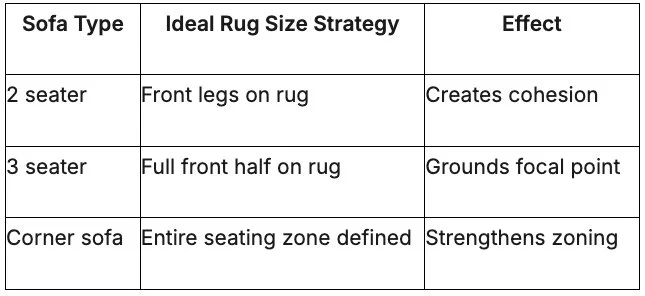
Here, texture mixing is particularly significant. If the sofa is made from smooth leather and has visible leather patina, it should be paired with a textured wool rug. If you choose a fabric textured Chesterfield, using a flatter weave rug will be a good choice since it will avoid visual overload.
Coffee Table Styling and Adjacent Pieces
Coffee table styling should be a complement, not a competitor.
A traditional Chesterfield picks up well with:
Solid wood tones
Brass accents
Books stacked horizontally
Sculptural trays
For a modern effect, choose thinner metal or glass side tables that are blackened in color. Leave at least 40–50 cm for hassle-free movements and natural traffic flow.
Artwork scale is also one of the points here. An excessively small frame on a huge sofa that is substantial looks as if it is lost. Preferably, think about:
A big single artwork
A structured gallery wall
Symmetrical wall sconces
Curtains and blinds have to be the same as the wall colors or introduce a subtle contrast. Floor-length curtains should always be the ones to go for in a classic interior as they add to its aesthetics.
Lighting Layers: Depth and Atmosphere
The layers of light are an absolute necessity in softening the structured form of a Chesterfield.
In a living room:
Combine overhead lighting with a floor lamp
Add table lamps on side tables
Use warm bulbs to enhance leather tones
The warm leather tones are beautifully complemented by brass accents in the light fixtures. In darker color schemes, lighting serves to keep the chair from looking heavy.
Home Office Styling with Chesterfield
In home office styling, the priorities need to be different. Here, the Chesterfield becomes a statement sofa instead of the primary seating.
In traditional studies, a leather Chesterfield works well alongside:
Dark wood tones
Library shelving
Deep wall colors
In more modern setups, go with the muted fabric contemporary Chesterfield against the lighter walls. Add minimalistic side tables and structured desk lighting for balance.
A compact 2-seater will make a classy seating corner for reading or informal meetups. Besides, zoning with a rug in a bigger area can be applied as a tool to separate the desk area and the lounge area.
Studio Apartment Layout and Zoning
In a studio apartment layout, every piece must work harder than ever.
A Chesterfield can bifurcate the area by living and sleeping without partitioning off the spaces. A floating spacing that is not placed directly against a wall allows the back of the sofa to work like a room divider.
To avoid visual heaviness:
Choose lighter wall colors
Maintain clear sightlines
Keep lighting layered but unobtrusive
If dealing with very small spaces, use slim designs or nesting tables instead of bulky side tables. Compact 2-seaters and carefully scaled models available at https://www.designersofas4u.co.uk/ are particularly suited to studio apartment layouts where proportion and zoning are essential.
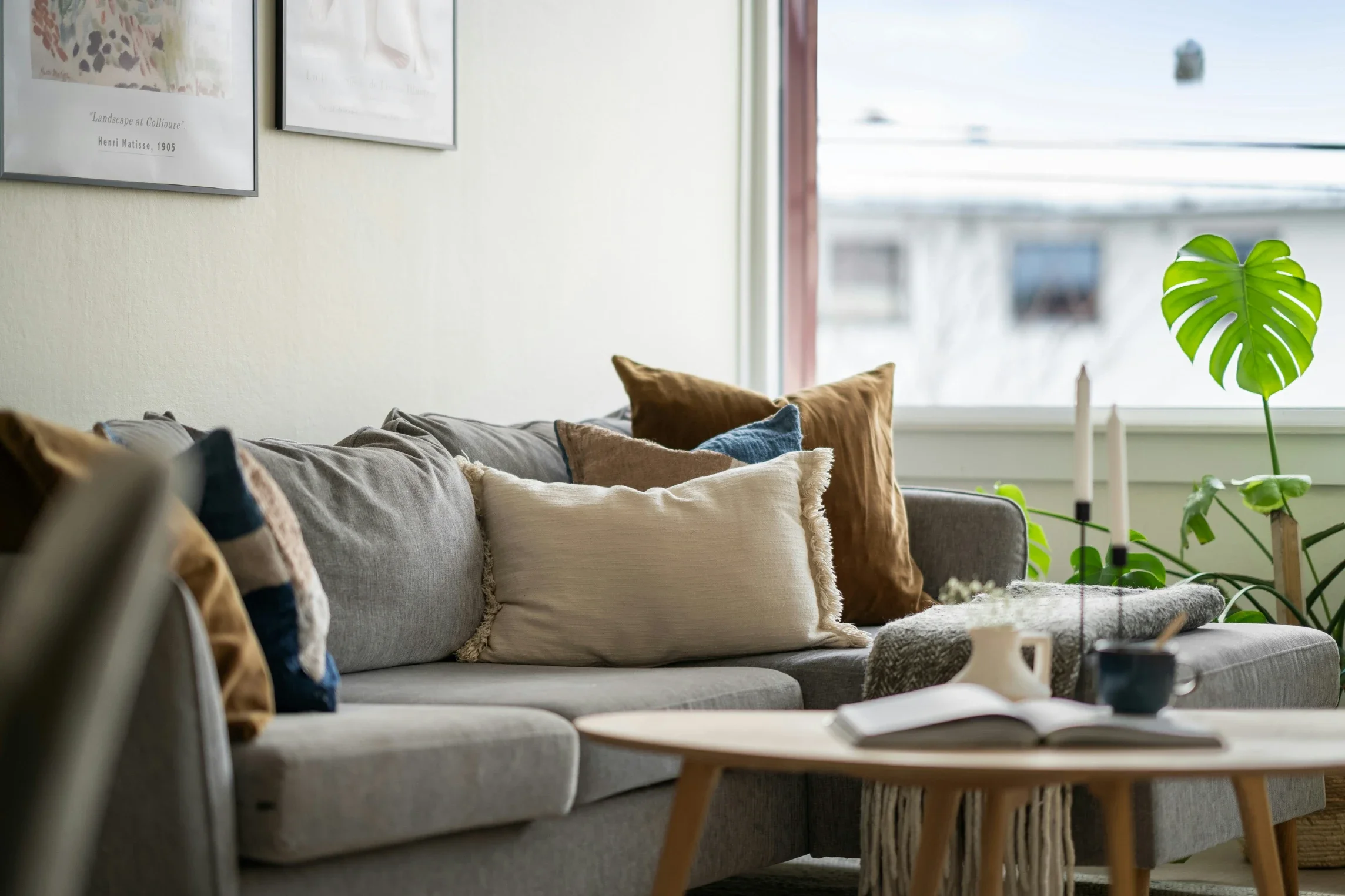
Texture mixing will be focused in smaller spaces. Use smooth leather patina along with some soft throws, cushions, and guardians of comfort and order.
Across Interior Themes
One of the strengths of the Chesterfield is that it can be used in a lot of different ways.
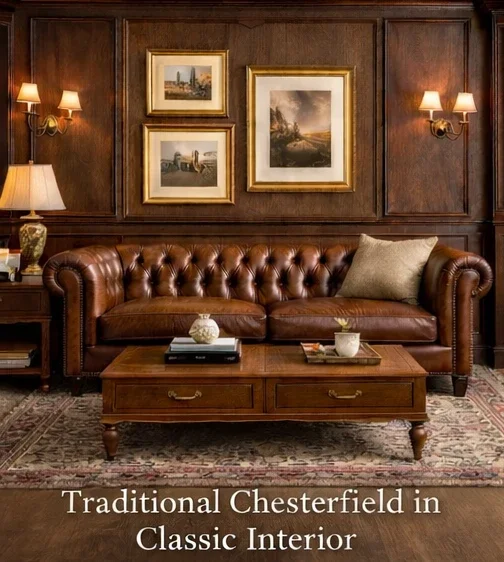
Traditional Chesterfield in Classic Interior
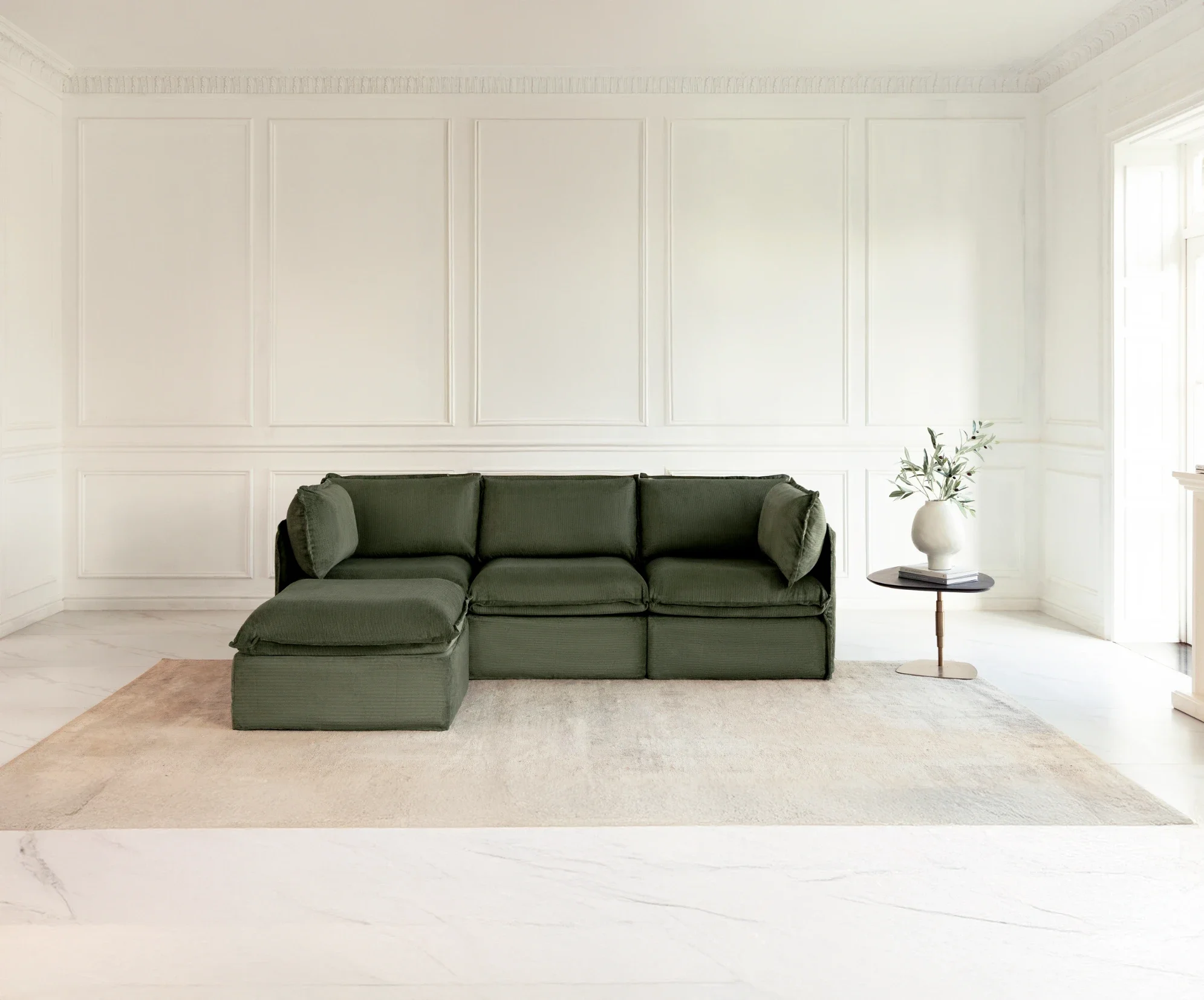
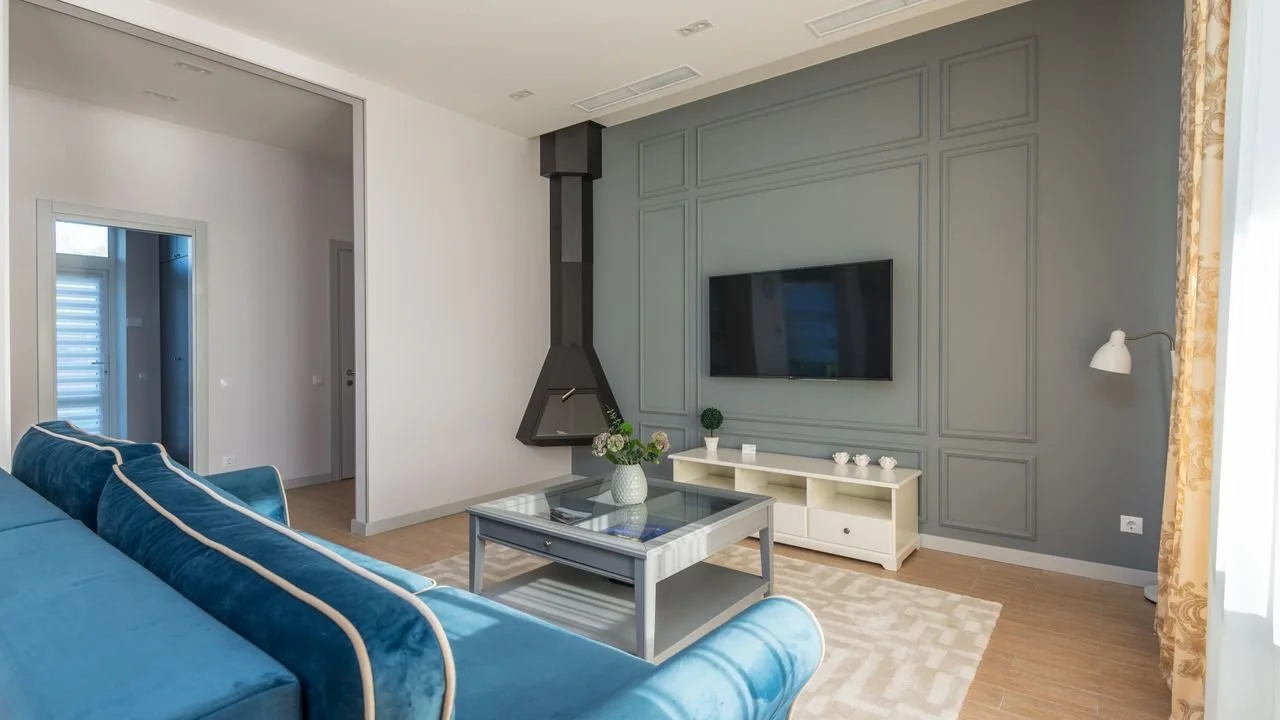
Panelled walls
Symmetrical layouts
Rich wood tones
Layered curtains and blinds
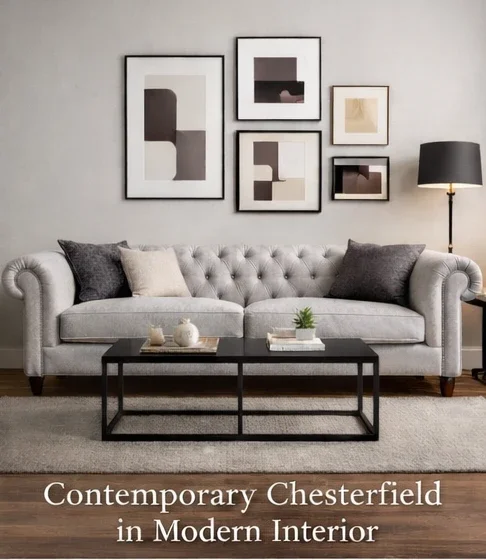
Contemporary Chesterfield in Modern Interior
Clean-lined coffee table styling
Neutral colour palette
Minimal accessories
Structured gallery wall
Mid-Century Pairing
A mid-century pairing works particularly well with lower-profile Chesterfields.
Combine:
Tapered wooden legs on side tables
Warm teak tones
Geometric rugs
Brass floor lamp
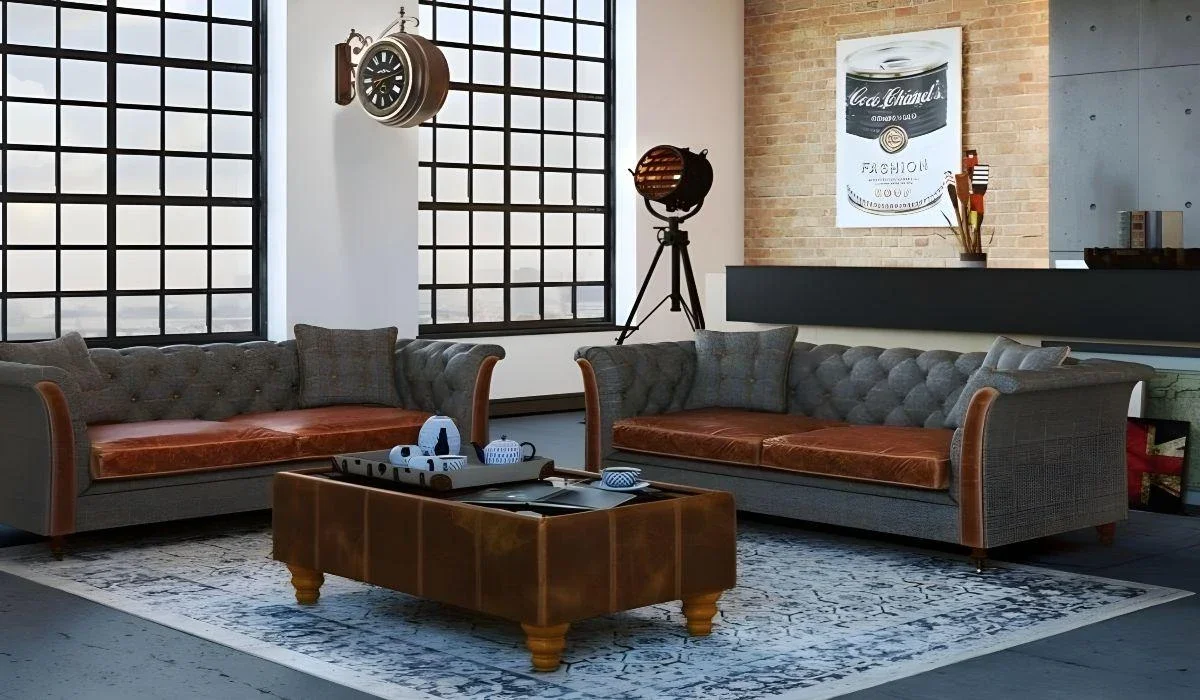
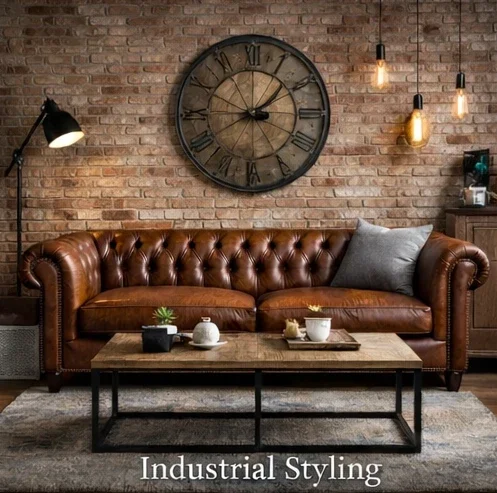
Industrial Styling
For industrial styling:
Exposed brick feature wall
Dark walls
Metal lighting
Concrete textures
Leather enjoys the company of a patina history, and this is the case with the industrial aesthetic where it has a very appealing character.
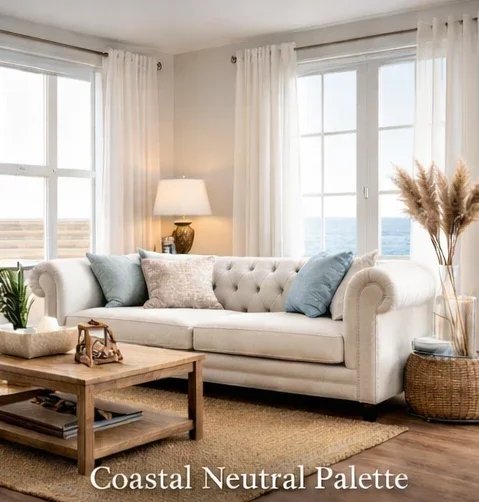
Coastal Neutral Palette
A coastal neutral palette has a dramatic effect on the form, making it softer. Combine with:
Linen throws and cushions
Pale wood tones
Woven textures
Sheer curtains
This styling approach will turn even a classical Chesterfield into something very relaxed and breezy.
Wall Treatments and Artwork Scale
Designing with a Chesterfield means getting the right proportions for the artwork. The width of the artwork above the sofa usually needs to be at least two-thirds of the width of the sofa.
For darker schemes:
Deep paint tons
Gold-framed artwork
Sculptural mirrors
For lighter schemes:
Textured wallpaper
Subtle feature wall
Soft tonal layering
Texture Mixing for Depth
If you fail to mix textures in a thoughtful manner, the visual aspect of your room will be rather flat if it has a Chesterfield.
Layer:
Throws and cushions in various weaves
Smooth leather against boucle
Linen against velvet
Wool rug under structured form
It results in dimension and avoids the room from being too formal.
Carving It Out in Different Room Sizes
Small Living Rooms
Stick to lighter colour palettes
Use raised-leg coffee tables
Keep side tables minimal
Maintain consistent wall colours
Larger Rooms
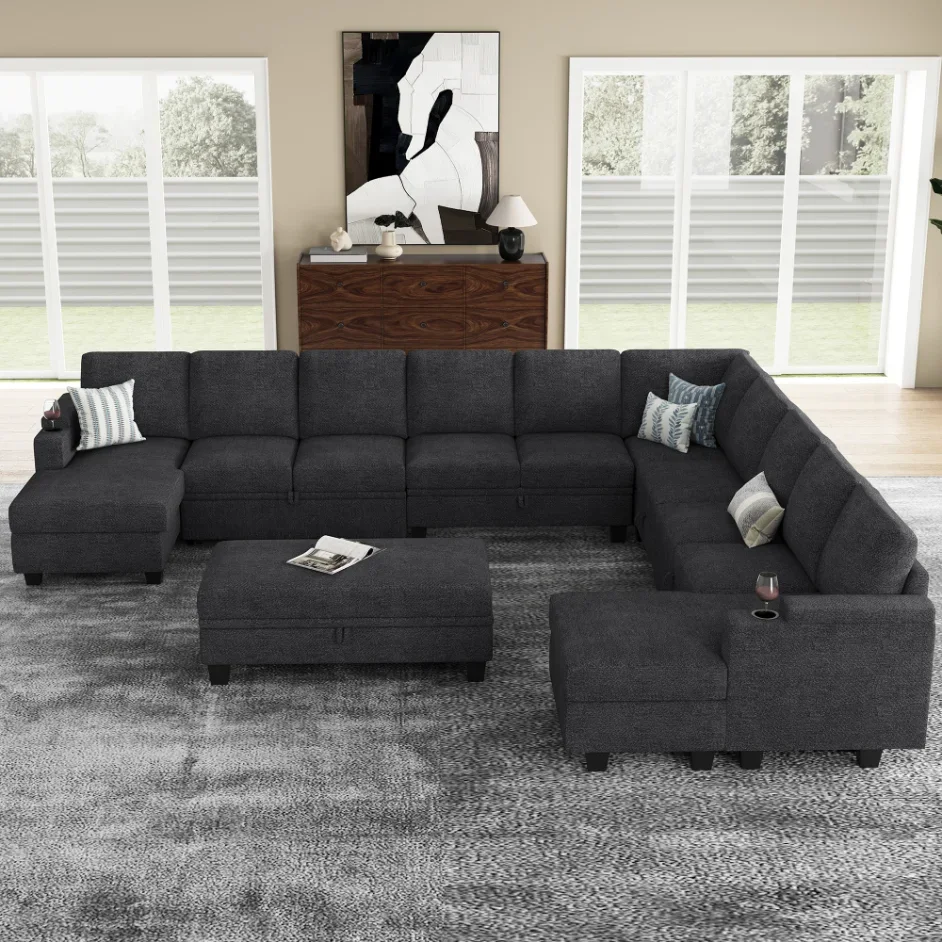
Consider a 3-seater or corner configuration
Use zoning with rugs
Add big artwork for balance
Single layer of lighting
A statement sofa should convey intention and never be fortuitous.
The Need for Unity
In both classic and modern interior, styling should always be cohesive. Each part — wall colours, rug pairing, side tables, curtains and blinds, lighting layers — should carry out the task of helping the sofa instead of fighting against it.
At Designer Sofas 4U the wide array of chesterfield sofas: leather and fabric finishes lets you choose a piece that will not only complement but also elevate your existing scheme. Be it from an industrial style to a coastal neutral palette, the Chesterfield remains abundant when it gets the right treatment.
Final Thoughts: With Confidence Keep Styling
Room-by-room styling is all about not just the obedience of rules but also the art of learning scale, balance, and atmosphere.
A Chesterfield, in itself, is very dominant. By teaming it up with colours that complement it, balancing the lighting, pairing the rug smartly and adding the right proportions of artwork, it has the power of becoming more of an architectural presence rather than a piece of furniture.
In a studio apartment layout, a refined home office styling project, or a crowded living room styling scheme, the key is always in your respect for the original design while you adapt it to your space.
When used with intention, a Chesterfield doesn't merely occupy space — it creates it.
FAQ
How do I choose the right Chesterfield for different room sizes?
Room size should guide both proportion and placement. In compact living rooms or studio apartment layouts, a 2-seater or carefully scaled contemporary Chesterfield helps maintain flow without overwhelming the space. In larger interiors, a 3-seater or corner configuration can strengthen zoning and create a confident focal point. Always measure wall length, walkway clearance and rug positioning before deciding.
What colour palette works best with a leather Chesterfield?
Leather Chesterfields adapt well to a wide range of wall colours. Deep greens, navy and dark walls highlight the richness of leather patina, while warm neutrals soften the overall effect. If you prefer a lighter atmosphere, consider a coastal neutral palette combined with natural textures and layered lighting.
Can a Chesterfield work in a modern interior?
Yes. A contemporary Chesterfield in fabric or a simplified leather finish pairs well with clean-lined coffee tables, minimal side tables and structured artwork scale. The key is balance — allow the sofa to remain the statement piece while keeping surrounding elements refined.
How important is artwork scale above a Chesterfield?
Artwork scale plays a crucial role. The width of the artwork should typically measure at least two-thirds of the sofa’s width to maintain visual proportion and prevent the arrangement from appearing undersized.
Stay up to date with our latest ideas!