Discover how to design a cozy basement that stays dry year-round with smart moisture control, ventilation, insulation, lighting, flooring, and décor.
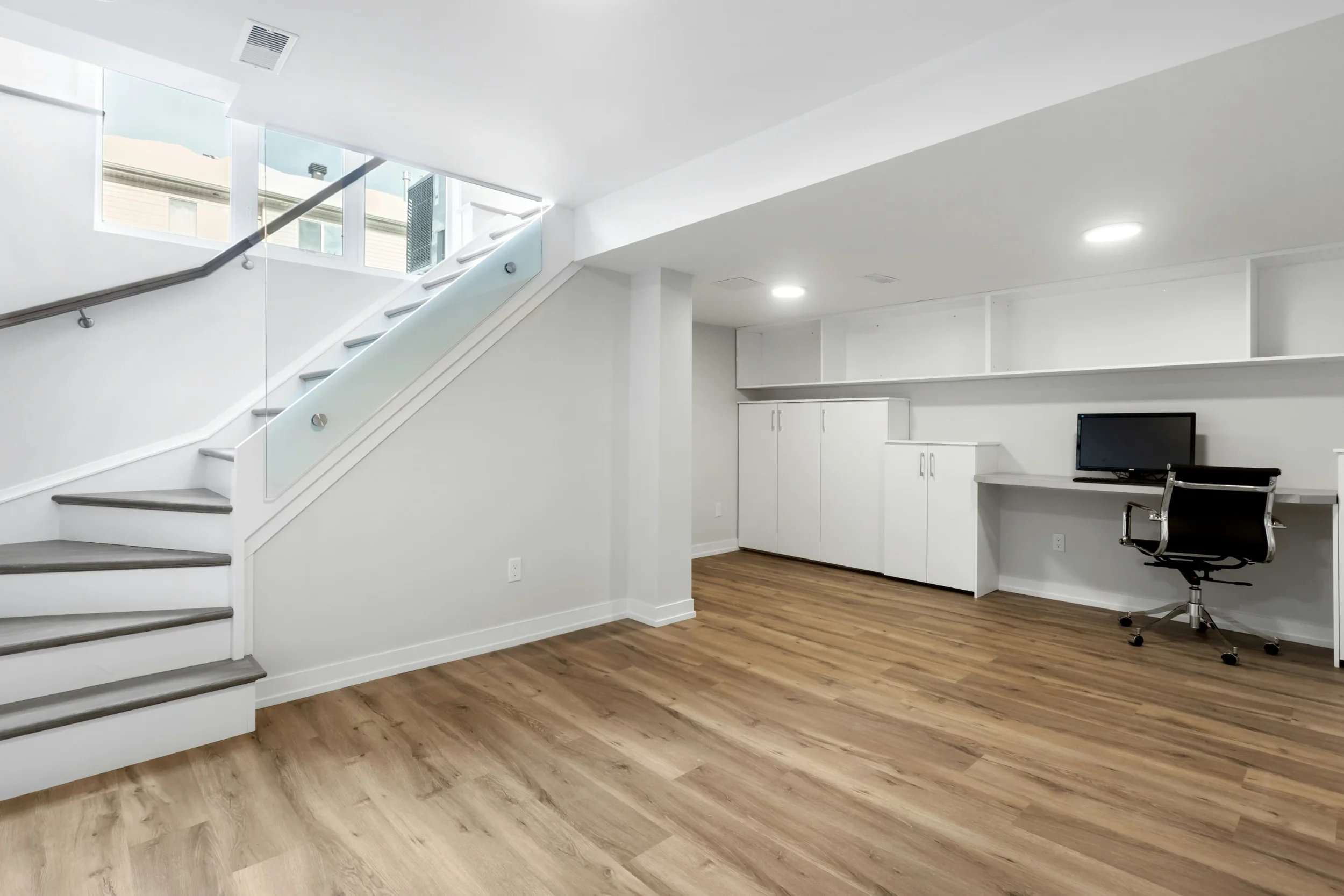
A basement can become an inviting family room, play space, office, or quiet retreat. However, attractive furniture and warm lighting will not create lasting comfort if moisture remains a problem. Successful design begins with a dry, healthy foundation.
Start With a Moisture Inspection
The first and most vital step to creating a cozy basement is to investigate moisture issues in the basement. Before you start thinking about paint, carpet, or furniture, search for damp spots, peeling paint, or powdery mineral deposits on walls and mold on surfaces. Scan the base of the basement walls, specifically those adjoining outside windows, in the wake of a downpour.
The type and source of water is also worth investigating. Leaks can enter the basement through foundation cracks, faulty windows and seals, clogged gutters, poor external drainage, or any number of household plumbing leaks. Because each cause requires a different solution, covering stains without addressing the underlying issue may lead to repeated damage.
Create a Reliable Dryness Plan
Exterior basement drainage is key. Clean gutters and ensure that downspouts can carry the rainwater far from your home’s walls. Your lot grading should slope down, away from the foundation. Indoors, sealing cracks, improving drainage, installing a sump pump, or adding a vapor barrier may be appropriate, depending on the property.
Regional conditions should also guide the approach. Homeowners researching basement waterproofing in Massachusetts and Rhode Island may need to consider heavy rainfall, winter snow, spring thawing, coastal humidity, and the foundations found in older New England homes. A qualified inspection can help distinguish a minor humidity concern from a drainage or structural issue requiring professional attention.
Choose Basement-Friendly Materials
Once moisture is controlled, select finishes that tolerate below-grade conditions. Luxury vinyl tile, sealed concrete, and properly installed tile are practical flooring choices because they are easier to maintain than traditional hardwood. Use washable carpets instead of wall-to-wall carpeting anywhere you have had moisture issues.
Moisture-resistant drywall and mold-resistant paint can offer added protection, but they are not substitutes for waterproofing. Insulation must suit basement use and be installed to reduce condensation.
Add Warmth Through Layered Design
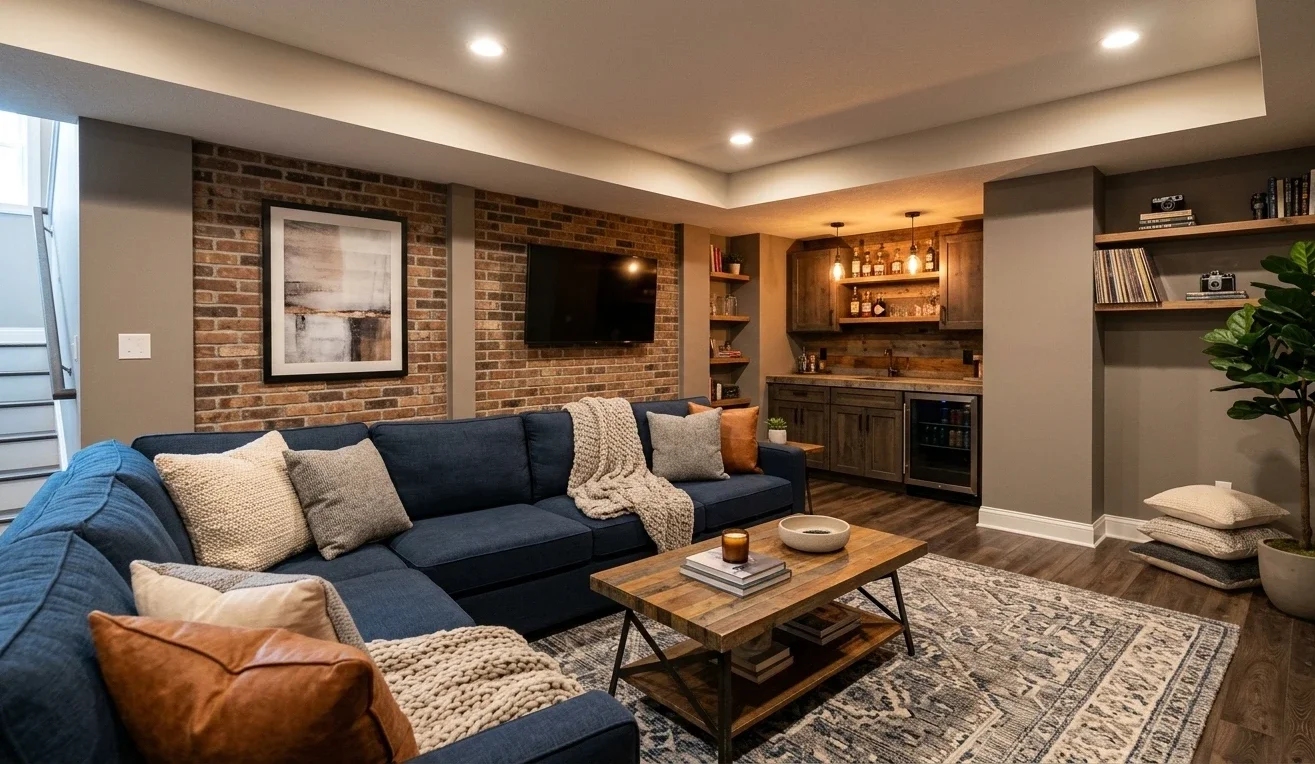
Basements often receive limited natural light, so combining several light sources is essential. Recessed ceilings add some ambient light along with scone lights mounted high up on walls. Table lamps on a bedside table provide a softer light that is sure to create a cozier feeling. Warm colored light bulbs offer more relaxation than any stark, bright or color light.
Make sure to choose earthy or neutral colors on your walls, as they are inviting but not overwhelming. Wood accents, textured cushions, curtains, baskets, and throws can add warmth. Arrange furniture around a clear purpose, such as conversation, reading, entertainment or play, and avoid overcrowding pathways.
Maintain Comfort Throughout the Year
A dehumidifier can help keep indoor humidity at a comfortable level during warmer months. Using a hygrometer is also helpful. Clean out your gutters seasonally and also test the sump pump periodically to see if it works correctly.
Look for leaks at all window seals and for new cracks that may appear on basement walls. Adequate heating, cooling, and air circulation will further help the basement feel connected to the rest of the home.
Endnote
A cozy basement begins with moisture control, not decoration. By correcting water problems, choosing resilient materials, layering light and texture, and following a regular maintenance routine, homeowners can create a welcoming space that remains comfortable, functional, and dry in every season for years to come.
Stay up to date with our latest ideas!