Invisible Innovation: Why Modern Electronics Require High-Quality Connections
Discover why modern electronics depend on high quality connections to ensure reliable performance, efficient power flow, and long term durability in advanced devices.

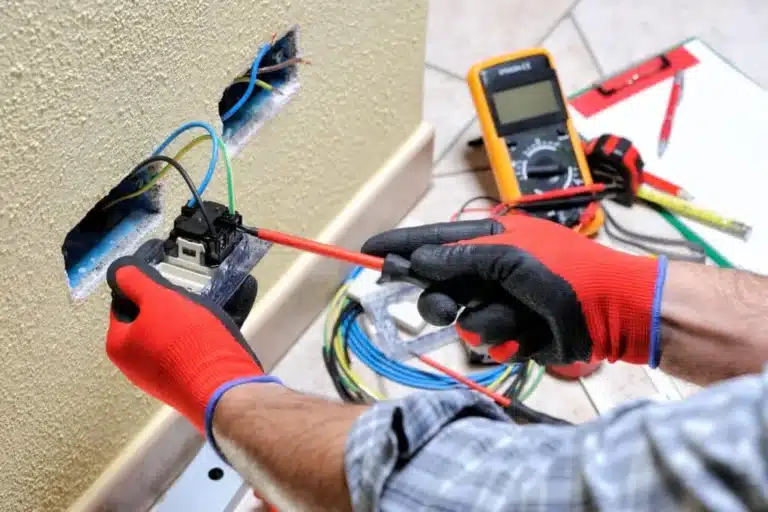
In today’s landscape of high-profile renovations, both in residential and commercial settings, we often encounter a paradox: an obsessive attention to architectural design coupled with an underestimation of the invisible electrical components. However, for the professional electrician, the reliability of the system is not an aesthetic detail, but the fundamental prerequisite for the stability of the entire building. A modern system is no longer a simple energy distribution network, but a complex nervous system where signal quality and operational continuity depend on the microscopic precision of the connections.
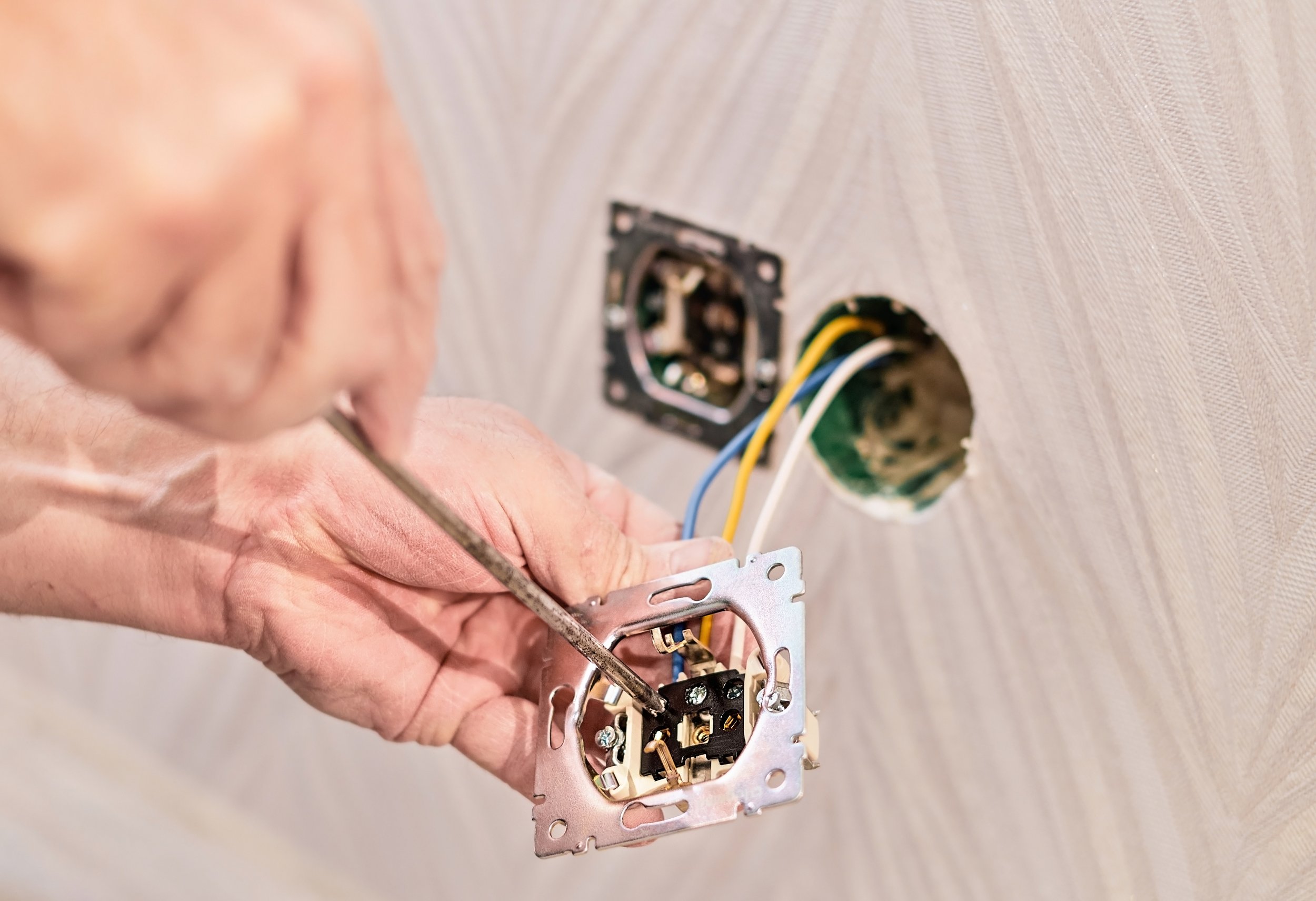
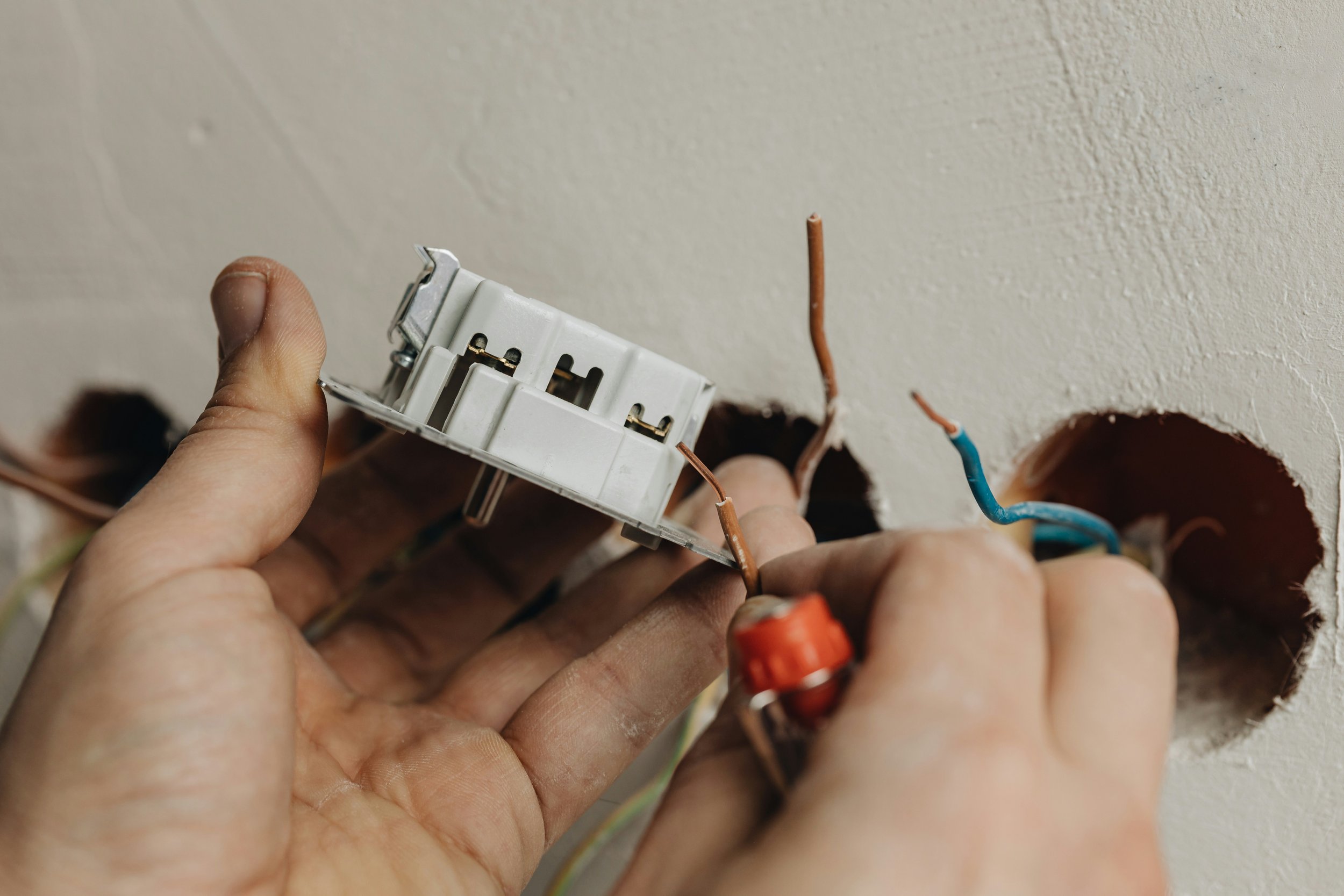
Underestimating the quality of passive components means exposing the end customer to latent technical risks, compromising the longevity of complex home automation systems or high-efficiency LED lighting infrastructures. In this context, the use of professional-grade electrical connectors is not an optional choice, but an essential guarantee of operational continuity. These components are designed to join conductors while ensuring low contact resistance, preventing localized overheating, and eliminating micro-interruptions that can cause digital communication protocols to crash.
Protecting the Installation and Reducing Maintenance
For an installer, protecting the customer’s investment depends on the reliability of the connections. Integrating home automation systems or the latest generation of smart appliances without ensuring a comprehensive power distribution network is a procedural error that leads to extremely high extraordinary maintenance costs.
If connection points are made with subpar materials or outdated wiring techniques, oxidation and mechanical stress rapidly degrade performance. Using electrical connectors designed to withstand thermal cycling, on the other hand, ensures flawless mechanical integrity. This approach protects the delicate electronic circuit boards of connected devices, which are often extremely sensitive to voltage transients caused by loose connections. For the professional, this means delivering a “zero-defect” job, reducing warranty claims, and strengthening their reputation in the market.
Scalability and “Future-Proof” Design
Any modern renovation project must adopt a forward-thinking vision. The flexibility of an electrical system is measured by its ability to evolve without requiring invasive structural work. Modularity is the key: the use of plug-in solutions and quick-connect electrical connectors allows the system to be expanded by adding IoT sensors or new control points with minimal system downtime.
This “future-proofing” is a huge added value that the electrician can offer during the consultation phase. Neat wiring, implemented with terminals that allow for clean maintenance, transforms the system into a platform ready to accommodate new sensors, voice control systems, or charging stations. In an increasingly digital world, the quality of physical connections thus becomes the necessary bridge for the electrical infrastructure to communicate with the innovations of tomorrow.
Certified safety in critical environmental conditions
The litmus test for every electrical connection occurs in the most hostile environments: wet areas, industrial kitchens, or outdoor installations. Here, humidity and condensation are the natural enemies of conductivity. In these areas, the electrician must insist on the use of products with high protection ratings and surface treatments against galvanic corrosion.
Choosing electrical connectors that comply with safety standards is not only a legal obligation but a commitment to the durability of the project. A well-executed connection prevents the accumulation of dust and moisture inside the terminal, keeping the fault loop impedance within design parameters even after decades of operation. Raising the standard of technical selection—treating every single connector with the same rigor as an architectural component—is the secret to creating renovations that stand the test of time, ensuring tangible asset value rooted in the infrastructure’s invisible quality.
Stay up to date with our latest ideas!