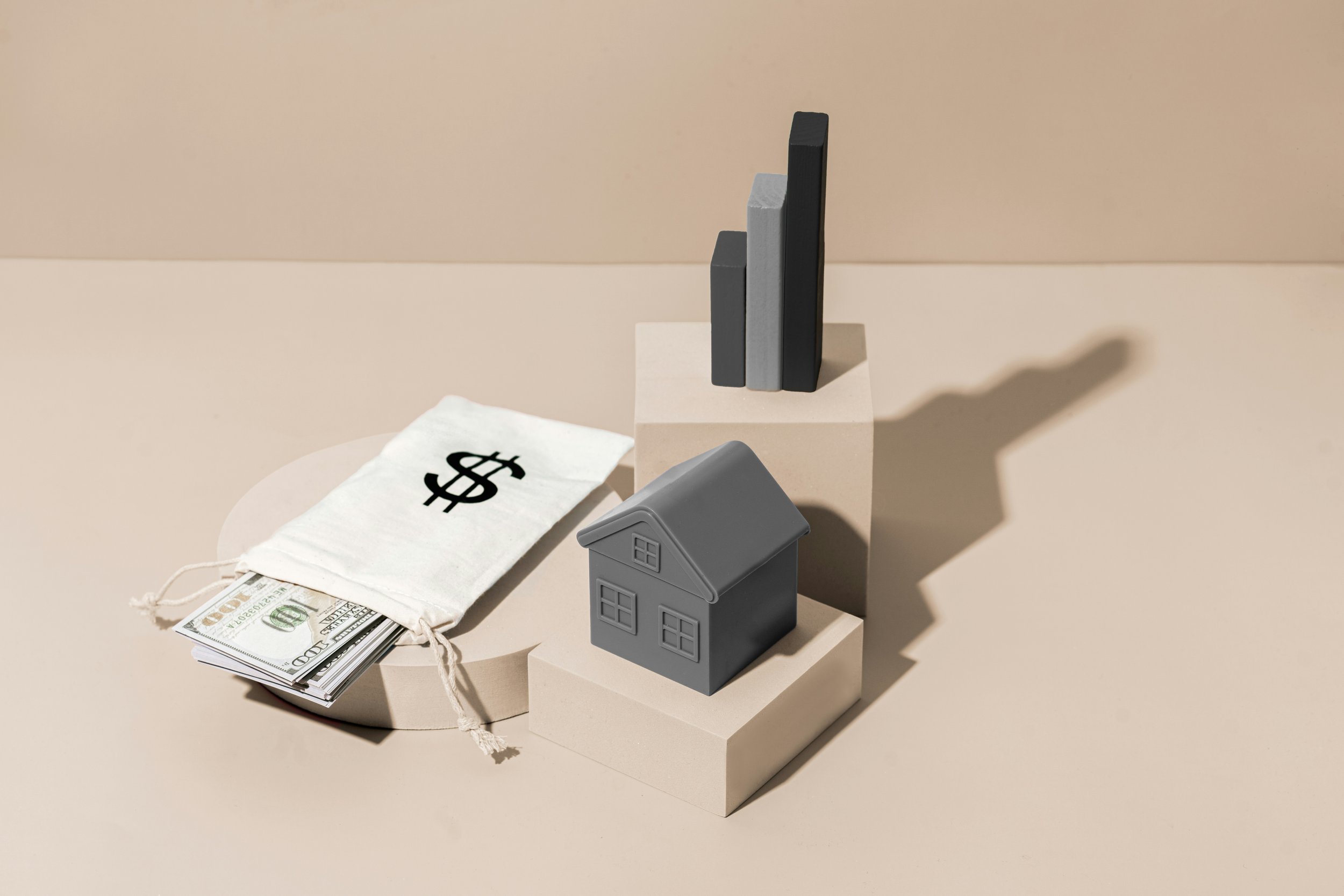
The House You Live In Might Be Richer Than You
Discover how the home you live in may hold more financial value than you expect, with insights on equity, market trends, and long-term wealth potential.

You know that moment when you’re standing in your kitchen, staring at your fridge, and wondering how your home manages to look so complete while your bank account feels like a punchline? The truth is, your house might be richer than you. Not metaphorically. Literally. And if you’ve been ignoring that, you’re leaving money inside your walls.
This isn’t about some HGTV-inspired “flip it and forget it” fantasy. It’s about equity. The invisible bank account tied to your home that grows quietly while you go about your life. Let’s unravel why your house might already be sitting on more wealth than you have in your savings, and what it means for the way you live, invest, and make choices about your future.
What It Means for a House to Be Richer Than Its Owner
Equity is the part of your home you truly own. If your home is worth $700,000 and your remaining mortgage is $400,000, then you have $300,000 in equity. That’s money you can’t swipe at the grocery store, but it’s very real.
The twist is that many homeowners underestimate this number. They focus on the monthly mortgage payment instead of the slow, creeping growth of ownership. And while you might be agonizing over grocery receipts or debating whether to cancel yet another streaming subscription, your house is quietly amassing wealth under your name.
Why Home Equity Builds Faster Than You Think
Equity grows in two ways:
Paying down your mortgage. Every payment chips away at the debt.
Market appreciation. If property values rise, your equity increases too.
The Canadian housing market has seen consistent long-term growth, with average home prices more than doubling in some regions over the past 20 years. You may not feel wealthy when you write that mortgage check, but in reality, you’re feeding two bank accounts: the one with your name on it, and the one hidden inside your home.
The Strange Comfort of Wealth You Can’t Touch
There’s a certain irony in having hundreds of thousands of dollars tied up in equity while feeling short on cash for basic expenses. It’s wealth that doesn’t show up when you check your balance at an ATM. It’s silent, intangible, but it’s there.
This “untouchable wealth” is both comforting and frustrating. On the one hand, you know you’re building something that will protect you in the long run. On the other, it can feel like you’re asset-rich and cash-poor. A condition so many Canadians know well.
Why Unlocking Equity Is a Game Changer
Home equity loans and lines of credit exist for this exact reason. They turn hidden wealth into usable funds. That money can be put toward:
Consolidating debt at a lower interest rate
Renovating your home (which can, in turn, increase its value)
Investing in education or business ventures
Covering unexpected life events without relying on high-interest credit
Instead of letting your wealth sit behind drywall, you can make it work for you. If you’re curious about how that might look in practice or want to compare your HELOC rate options, you can always learn more at 360Lending.
The Psychology of Borrowing Against Your Home
People hesitate to borrow against their homes because it feels risky. You’ve worked so hard to build ownership, why pull from it? The answer depends on how you view wealth. If you see your home as a static investment (something you’ll only cash in when you sell) you may never touch your equity.
But if you view your home as a dynamic financial tool, then tapping into its value can become part of your strategy. The point isn’t reckless spending. It’s about rebalancing your resources so you’re not simultaneously house-rich and cash-poor.
How Equity Plays Into Generational Wealth
For many families, a house is the first and biggest step toward generational wealth. Passing it on, selling it, or leveraging it for opportunities all shift the trajectory of what’s possible.
Think about it this way: your grandparents might have bought a home for a fraction of its current value. That house, when sold or passed down, became a ticket to security for the next generation. Now, the same cycle is happening in real time with your own home. The difference? You have more financial tools available to strategically unlock that wealth before it changes hands.
When a House Becomes a Springboard
Equity is what turns a home from just a living space into a springboard. Maybe it funds the tuition that sets up your kids’ future. Maybe it launches a business idea that’s been waiting for its moment. Maybe it’s the safety net that keeps you from drowning in debt during a tough year.
The point is that equity changes the conversation. It makes your house more than four walls. It becomes an asset with agency.
The Risks You Need to Consider
No financial decision comes without risk. Leveraging equity isn’t free money. You’re essentially borrowing against what you own, which means:
If housing prices drop, your equity could shrink.
If you default on payments, you put your home at risk.
If you use equity for short-term consumption instead of strategic investment, you may end up regretting it.
The key is balance. Equity should be unlocked with a clear plan, not as a quick fix for overspending.
Why This Matters Now
Economic uncertainty has made home equity more relevant than ever. With global inflation and interest rate shifts highlighted in the IMF’s latest World Economic Outlook, financial stability feels shaky. Yet for many homeowners, equity remains the most stable and reliable resource they have.
It’s the paradox of modern wealth: we’re stressed about money, even when we’re technically sitting on it. Recognizing that, and learning how to use it, is the difference between letting your house outpace you and putting it to work for you.
Who’s Really Rich Here?
If you’ve ever wondered why your financial life feels tight despite owning a valuable home, the answer lies in equity. Your house is accumulating wealth in silence while you hustle to keep pace. The trick is not to ignore it. It’s to understand it, respect it, and, when it makes sense, use it.
The house you live in might be richer than you. The real question is: how long are you going to let it keep that secret?
Stay up to date with our latest ideas!



















![7 Charming Waterfront Towns Perfect for a Coastal Escape [2025 Edition]](https://images.squarespace-cdn.com/content/v1/63dde481bbabc6724d988548/61c7904e-773d-480c-b6e5-a083cab18445/pexels-axp-photography-500641970-30417132.jpg)