8 Reasons Why High-end Entrance Systems Improve Security And Style
Discover eight reasons high-end entrance systems enhance security and style, combining advanced protection, durability, and a striking first impression.
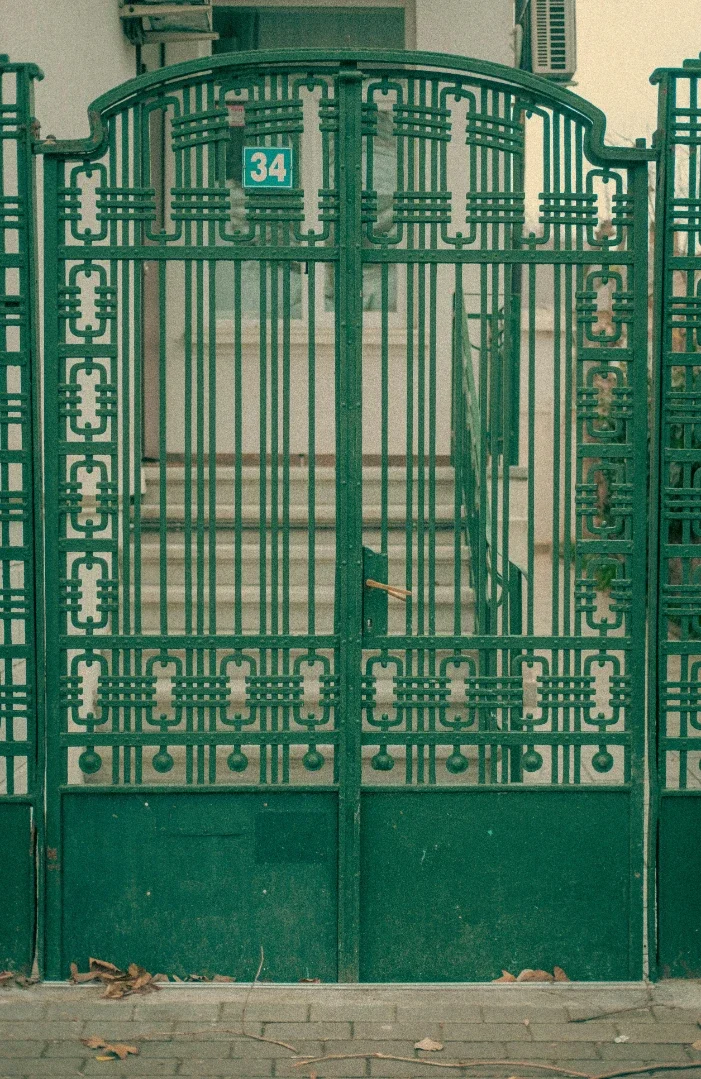
A front entrance does real work every day. It guides guests, protects what sits behind the door, and sets the tone for the rest of the property. High-end entrance systems take that job seriously with stronger materials, tighter tolerances, and smarter control over who enters and when. The result is not a single upgrade but a chain of small advantages that add up to better security and a cleaner, more intentional look.
A Stronger First Impression That Deters Problems
A premium entrance system signals care, investment, and boundaries. That signal matters. Opportunistic crime relies on easy targets, fast entry, and quick exits. When the entry looks reinforced, well-lit, and professionally planned, it tells a different story. A plain door with a flimsy frame suggests low resistance. A solid door, aligned hardware, and a well-designed surrounding entry communicate the opposite.
Deterrence can stay subtle. Clean lines, balanced proportions, and consistent materials create an orderly look that reads as “maintained.” People notice maintenance. A neglected entry suggests slow response, weak locks, and minimal oversight. A high-end system rarely feels flashy. It feels intentional, and that feeling works in your favor.
Research backs up the value of visible security cues. A University of North Carolina at Charlotte study conducted for the Alarm Industry Research and Education Foundation reported that 83% of incarcerated burglars said they looked for alarm systems, and 60% said they would choose a different target if they saw one. Those findings point to a simple truth: signals change decisions. A strong entrance delivers that signal before anyone touches the handle.
Smarter Control Over Access Without Friction
Access control sits at the center of modern entrance design. High-end systems replace guesswork with clear rules: who can enter, which credentials work, and what happens when something looks off. A strong door helps, yet control creates the daily advantage. It reduces lost keys, limits copied keys, and supports time-based permissions for cleaners, dog walkers, or short-term guests.
High-end systems support clean workflows for vehicles and deliveries. Homeowners often pick automated gates such as those at Tri-State Gate to manage vehicle access without leaving the car. That choice can reduce tailgating, close gaps in timing, and create a consistent routine at the property line. The same mindset applies to pedestrian entry: secure access without a daily hassle.
Better Sightlines, Lighting, and Visitor Verification
Security improves when you can see clearly. High-end entrance systems often include lighting plans, camera placement support, and thoughtful positioning of windows or sidelites that protect privacy without creating blind spots. A dark entry invites concealment. A bright, evenly lit entry removes it.
Visitor verification helps in day-to-day life. A clear view of the stoop, walkway, and driveway supports better decisions before you open the door. It reduces unwanted encounters and creates a safer experience for families. The best systems treat visibility as a design feature, not an add-on. That means lighting that flatters the architecture, not harsh glare that washes out faces on camera.
Harder Forced Entry Through Stronger Engineering
Many break-ins succeed through weak points: thin door skins, soft frames, short screws, or misaligned strike plates. High-end systems address those failure points with structure, not marketing. You get stronger cores, reinforced lock zones, and frames built to resist flex. You get hinges that carry weight without sagging. You get strikes that bite into structure, not trim.
Lock quality matters, yet installation quality matters more. A premium system tends to include tighter tolerances and cleaner alignment, which keeps the latch engaging as intended. Misalignment creates partial engagement, and partial engagement fails sooner under pressure.
Integrated Monitoring That Speeds Up Response
A high-end entrance system can connect entry events to alerts and routines. A door left ajar can trigger a notification. A gate open longer than expected can prompt a check-in. A forced-entry vibration sensor can trigger lights and recording. These features do not stop every incident on their own, yet they shorten the gap between “something changed” and “someone noticed.”
Response time matters in real-world scenarios. Many crimes move fast, and many losses happen in minutes. Monitoring turns the entrance into an active point of awareness rather than a passive barrier. It can notify you, notify a neighbor, or notify a service, depending on how you set it up.
Materials and Finishes That Keep Their Look Longer
An entrance takes abuse. Sun fades color. Rain finds seams. Temperature swings stress joints. Basic systems can look tired in a few years, then owners postpone replacement and accept a worn entrance. High-end systems resist that slide through better materials and finishing processes.
Powder coating, multi-layer paint systems, and corrosion-resistant hardware can extend the clean look. Premium weatherstripping and thresholds reduce water intrusion and limit drafts. Better seals protect interior finishes near the entry, too, since moisture and dust will not creep in as easily.
Durability supports style. A door that stays straight and closes cleanly keeps its lines crisp. A handle that stays tight and smooth reads as quality every time someone touches it. A finish that resists chalking and peeling keeps the entrance looking intentional.
Higher Buyer Confidence and Stronger Value Signals
Buyers judge a home before they step inside. The entrance shapes that judgment. A premium system can signal security, comfort, and good ownership habits. It suggests the home received smart upgrades, not quick fixes. That perception can influence offers, inspection confidence, and negotiation tone.
Resale data supports the idea that entry upgrades can carry strong returns. Remodeling’s Cost vs. Value report has repeatedly ranked entry door replacement among the top projects for cost recovery, and some recent editions reported returns that can exceed 100% in certain markets. Exact results vary by location and project scope, yet the direction stays consistent: the entry matters.
A Smoother Daily Routine That Still Looks Elevated
Security features fail when they create annoyance. High-end systems aim for smooth behavior: reliable closing, predictable locking, and easy access for the right people. That ease reduces the temptation to prop a door open, hide a key, or leave a gate unlatched.
Daily convenience shows up in small moments. A door that never sticks saves time and frustration. A lock that reads credentials quickly keeps hands free during groceries. A system that confirms “closed and locked” reduces mental load when you leave the driveway. Those moments add up.

High-end entrance systems improve security through deterrence signals, smarter access control, stronger engineering, better sightlines, and faster awareness when something changes. They improve style through consistent materials, refined finishes, and clean integration that avoids visual clutter. The best systems deliver these gains without adding daily friction, so you keep the look you want and the protection you need.
Stay up to date with our latest ideas!