What Is The Difference Between Two-Post And Four-Post Cantilever Patio Covers?
Learn the difference between two-post and four-post cantilever patio covers, including stability, design, installation, space, costs, and ideal outdoor applications.

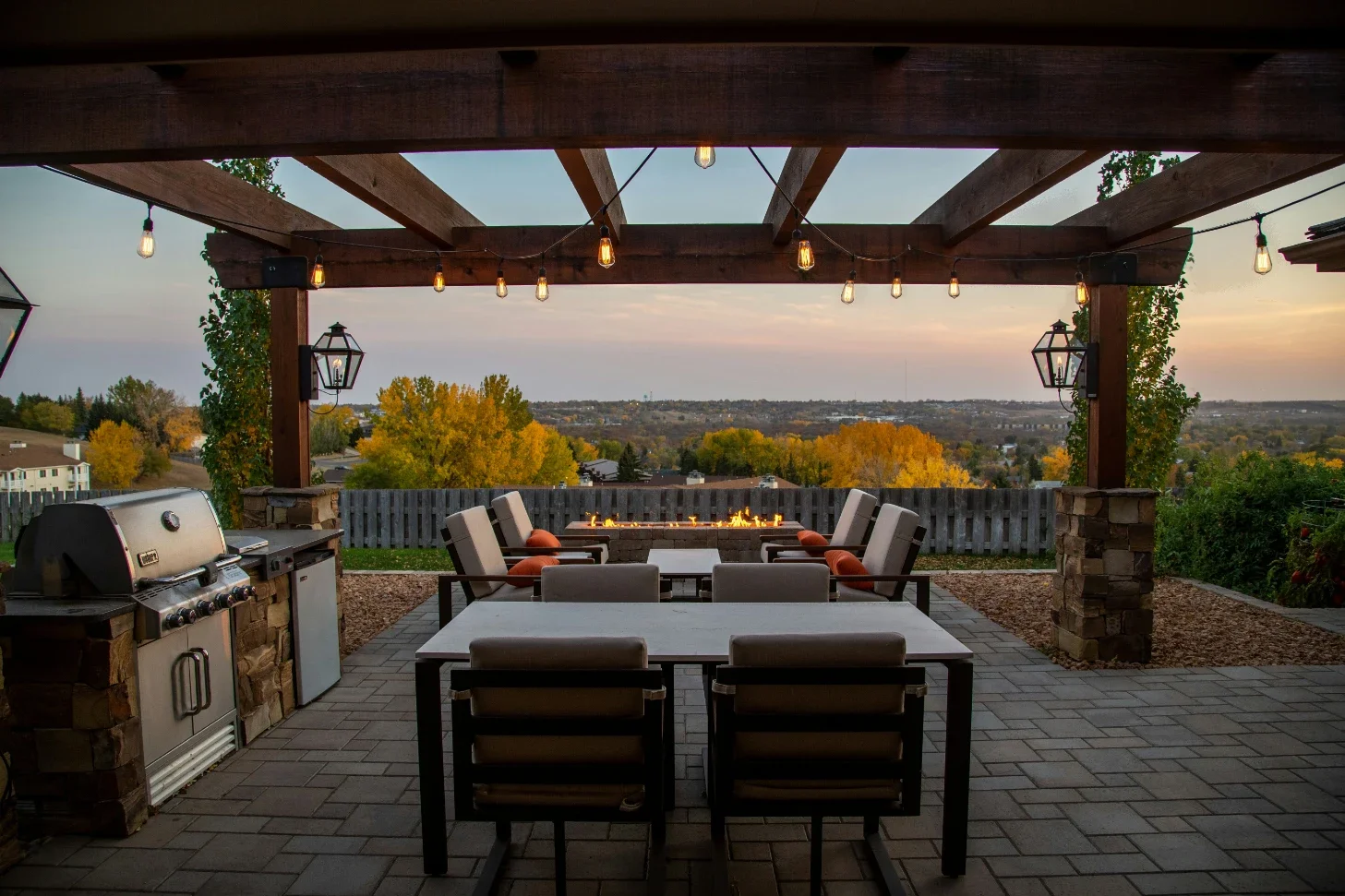
Some patio covers use flat panels, while others feature curved or gabled rooflines. Cantilever designs stand apart because they eliminate traditional center support posts entirely. Two-post designs use fewer support beams, while four-post designs add extra stability at the corners. Each configuration changes how weight and pressure get distributed across the entire frame. Wind resistance often matters most in areas prone to storms, though space and style still shape the outcome. Looking closely at photos and measurements together makes the differences between designs much easier to see.
Understanding Two Post Cantilever Design
Two post cantilever covers rely on a single pair of side mounted posts for support. This layout leaves the front area completely open, creating a clean and unobstructed look. Outdoor Elements uses thicker steel posts and reinforced welds than most two-post kits on the market. Weight still transfers efficiently through the frame even without a center support beam. Installers usually anchor these posts deep into reinforced concrete footings for lasting long term stability. A post-free aluminum design opens up patio space by removing the need for center support posts.
How Four Post Cantilever Covers Work
Four post cantilever designs add a second full set of side supports to the frame. This layout spreads weight evenly across a much wider structural footprint overall. Extra posts allow the frame to support larger canopy sizes without any sagging. Oversized patios and heavily used outdoor spaces often benefit from four-post frames. Four extra support posts add stability when seasonal winds pick up. Installation usually takes a bit longer because of the additional support columns involved.
Comparing Structural Support Options
Both designs rely on engineered footings that get rated for regional soil conditions. Two post models often cost less thanks to their simpler overall material needs. Four-post models often cost more but add extra steel bracing at every corner for strength. Local building codes sometimes dictate exactly which support style ultimately gets required here. Wind zones near coastlines often call for four-post frames with extra corner bracing. Local installers inspect the property and recommend the frame type suited to local wind codes.
Style And Space Considerations
Two post covers create a streamlined, open feel right beneath the entire canopy. This design tends to suit smaller patios where visual space already feels limited. Four post covers can support much wider spans for larger backyard gatherings and events. Extra posts may interrupt some sightlines depending on your furniture arrangement choices. Color finishes and roof panel styles stay fairly similar across both design options available. When the cover color matches the house trim, the whole patio looks like it belongs there.
Choosing The Right Fit For Your Patio
A tight budget or a small yard often points toward a simpler two-post frame. Smaller patios in milder climates often suit simpler two post frames quite well. Larger outdoor areas usually benefit from the added strength that four posts provide. Homeowners planning future additions should factor in long term structural flexibility as well. Local installers often walk the yard first, then recommend the frame that fits best. When homeowners measure the patio before ordering, they get a frame that fits the space exactly.
A small patio often fits a two-post frame better because it takes up less space. A smaller patio often looks best paired with a lighter two post frame. Bigger backyards tend to benefit from the added muscle that four posts bring. Either frame style holds up for years and keeps the patio usable through every season. Take a slow walk around your patio and picture how each style actually feels there. That simple exercise usually makes the right choice feel pretty obvious in the end.
Stay up to date with our latest ideas!