Timeless Living Room Decor: How to Use Textiles to Create a Cohesive, Comfortable Space
Discover timeless living room decor ideas using textiles to create a cohesive, comfortable space with layered fabrics, colors, patterns, and textures.
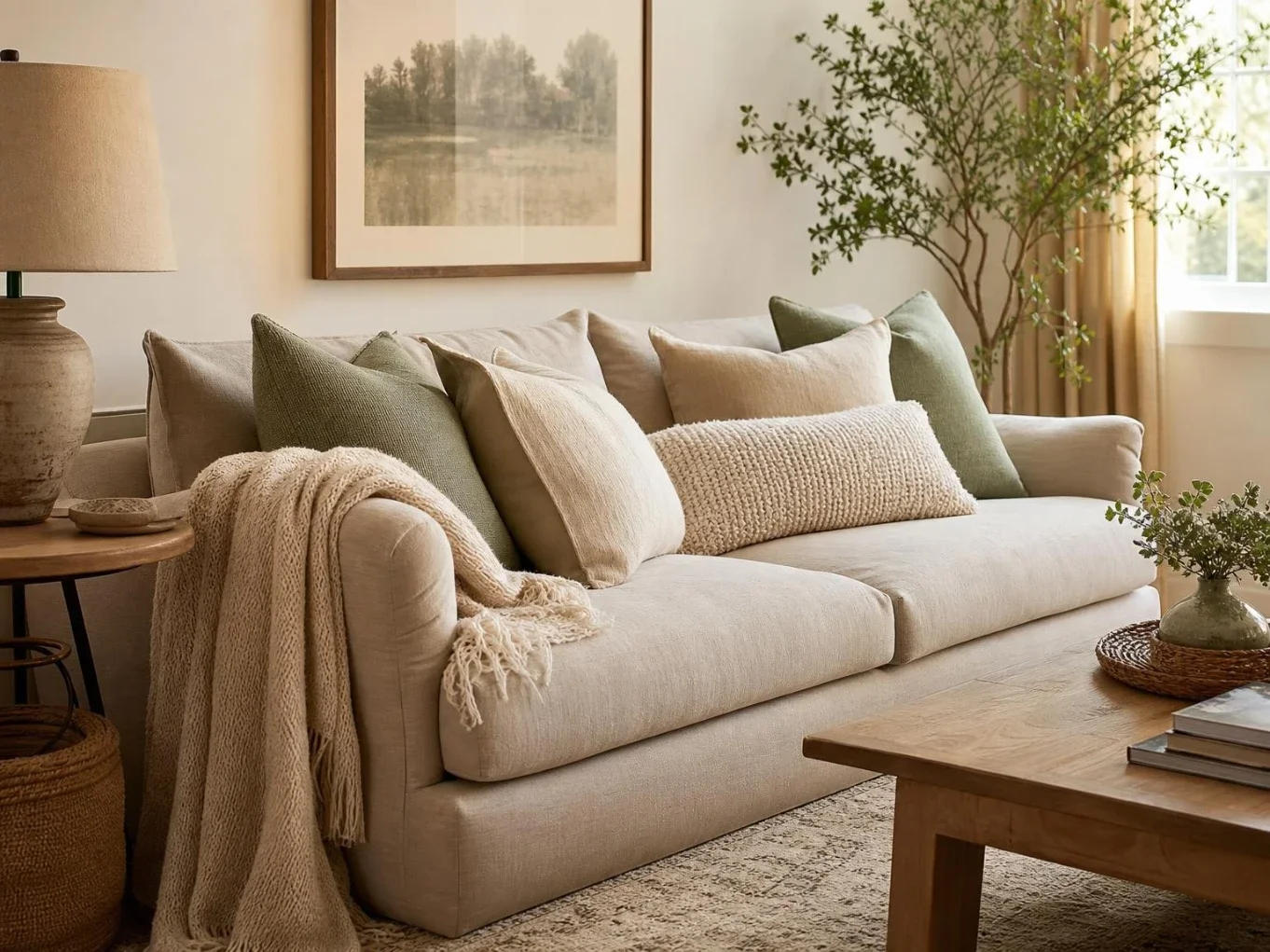
A living room's atmosphere owes as much to soft furnishings as it does to furniture and layout. This article looks at how textiles, used thoughtfully, can help build a timeless, comfortable living room that feels personal and pulled together.
A living room's atmosphere owes as much to soft furnishings as it does to furniture and layout. While heavy wooden pieces and layout choices set the functional frame, it is the touchable, adaptable layer of fabrics that transforms a house into a home. This article looks at how textiles, used thoughtfully, can help build a timeless, comfortable living room that feels personal, inviting, and effortlessly pulled together over the long haul.
Understanding the Role of Textiles in Living Room Design
Many people—especially renters or first-time homeowners who can't repaint walls or replace a sofa on a whim—discover that small changes, like swapping out throw pillows, adding a new throw blanket, or layering in a different rug, can shift a room's whole mood without any major remodeling.
Textiles in decor include curtains, rugs, throws, cushions, and upholstery. These elements shape color, texture, comfort, and the overall sense of warmth in a space. Unlike large furniture purchases, textiles are relatively low-commitment design tools—easy to change, affordable to update, and forgiving of mistakes. Interior design guidelines often stress repeating colors across a room to build cohesion, and textiles are the simplest, most consistent way to do that. By strategically deploying fabric elements throughout a room, you can draw the eye across the space, creating a natural rhythm that feels intentional without being overly rigid or sterile.
Key takeaway: Thoughtful textiles can transform the look and feel of a living room more than almost any other element.
Choosing a Timeless Color Palette for Your Living Room
A timeless color palette avoids chasing short-lived trends in favor of combinations that hold up over years. A simple, evergreen structure includes:
Base color: a neutral, such as warm beige or soft white
Secondary color: a mid-tone, like muted blue or sage green
Accent color: a deeper or more saturated shade for contrast
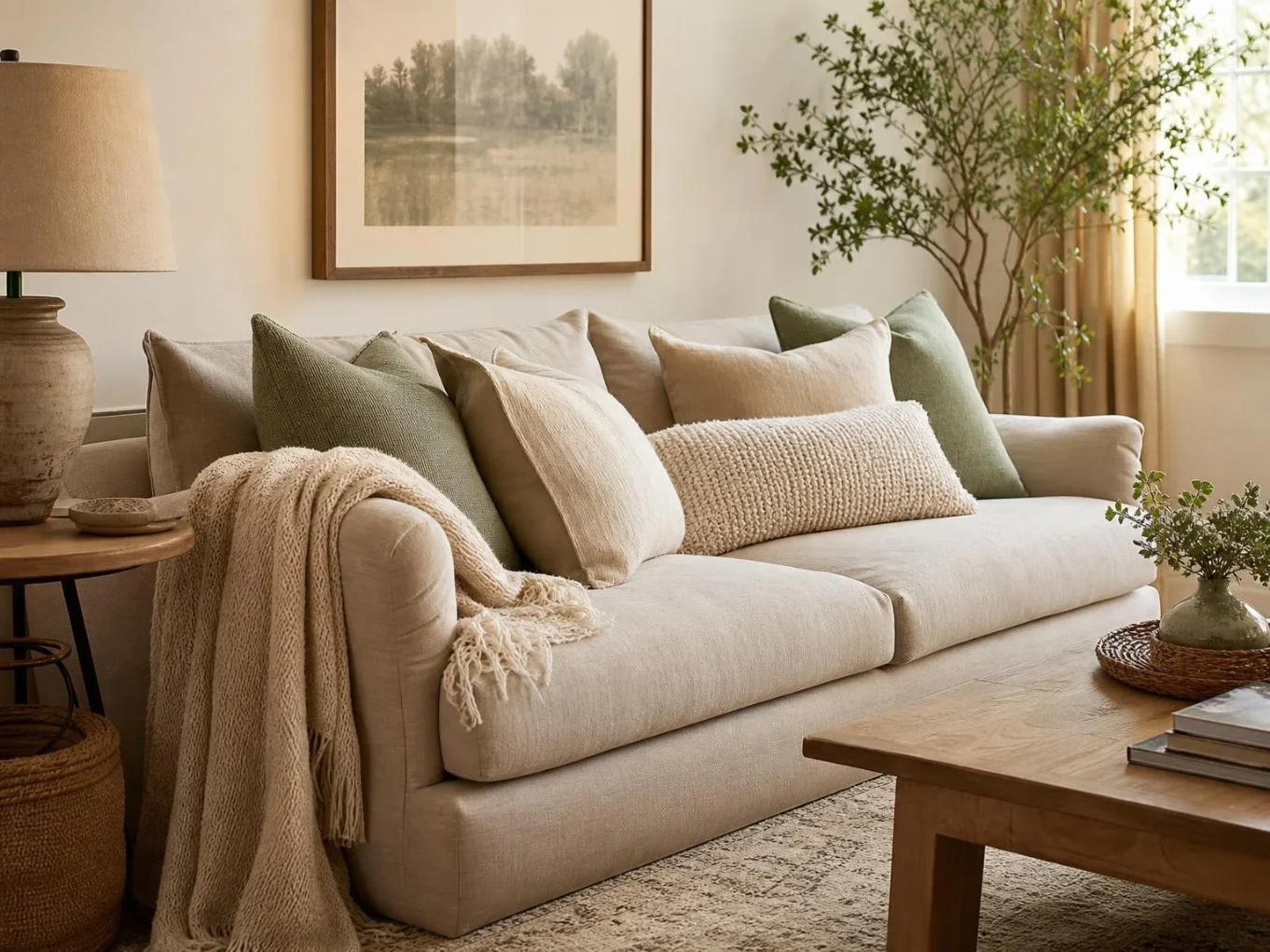
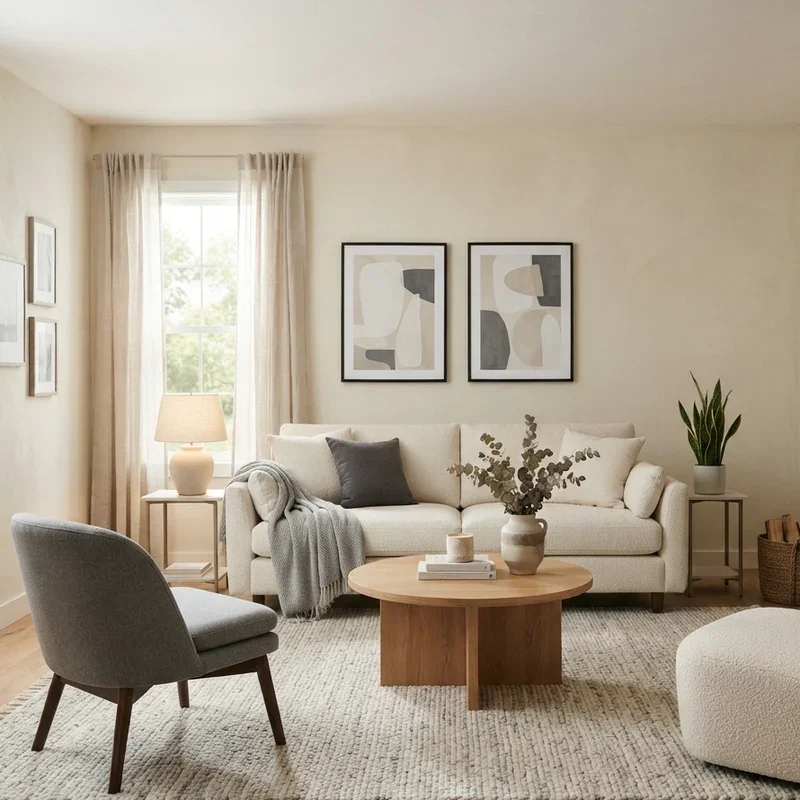
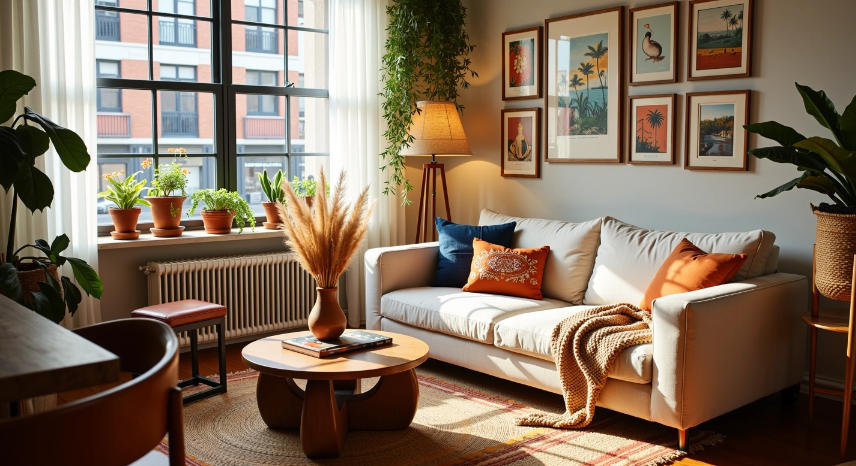
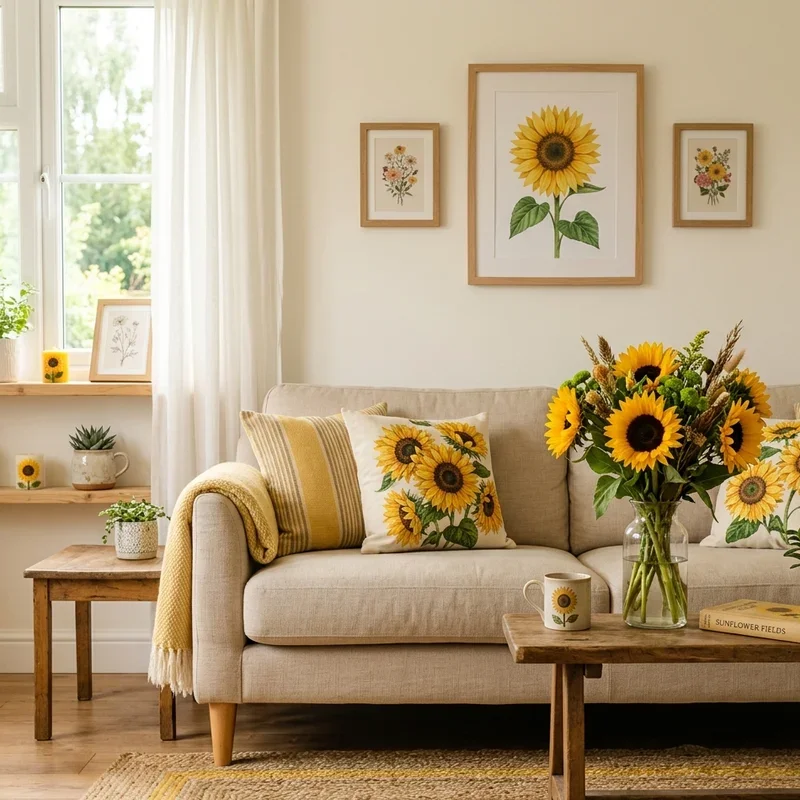
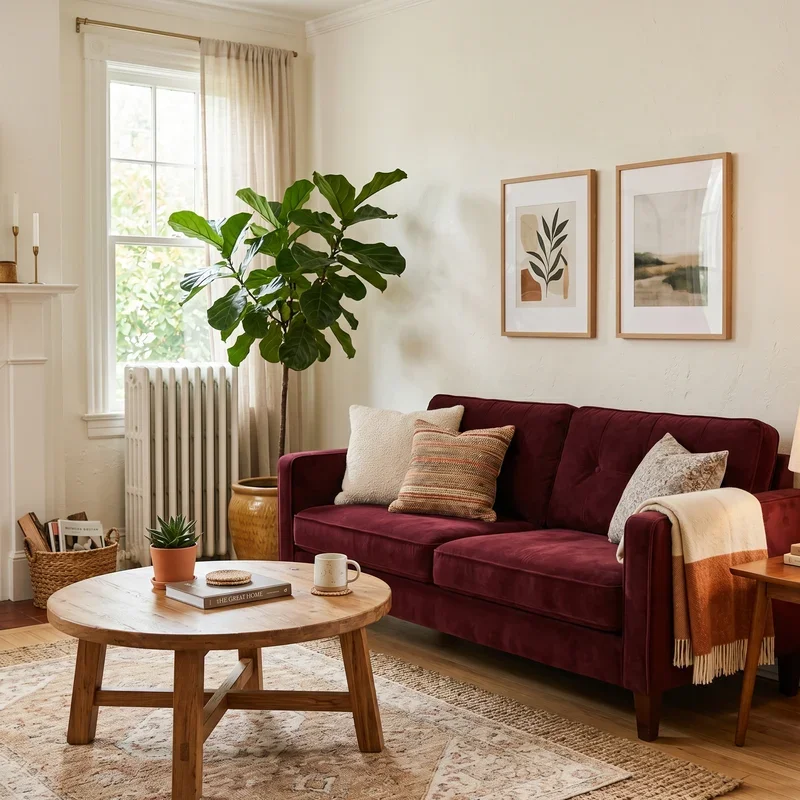
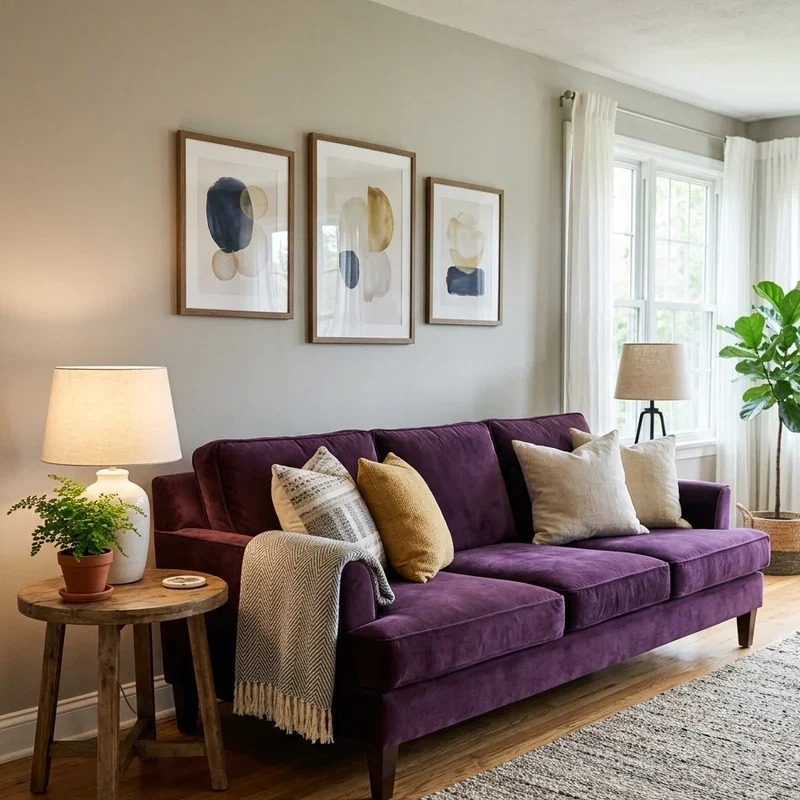
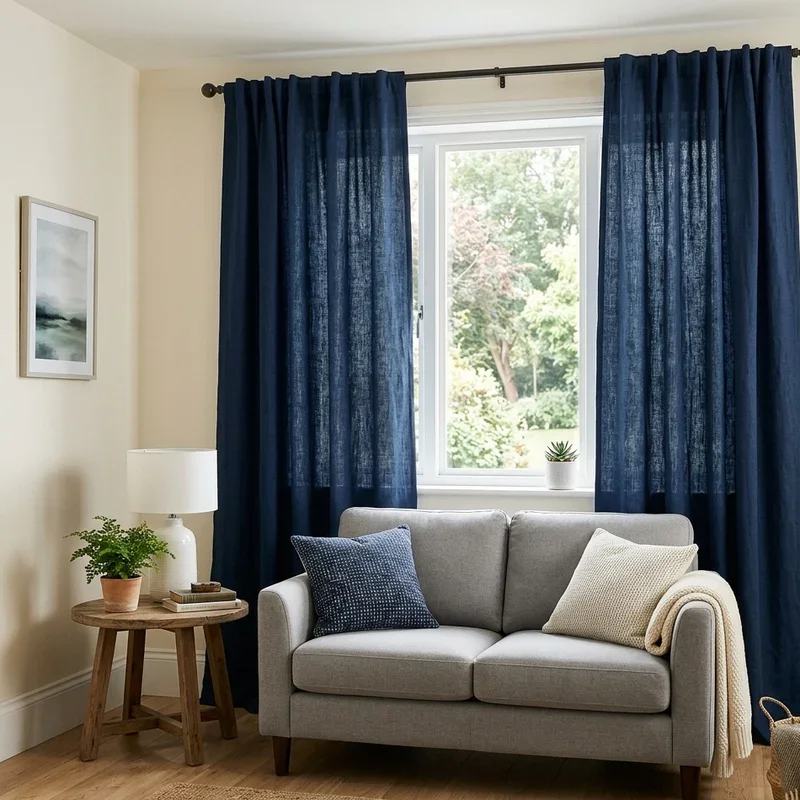
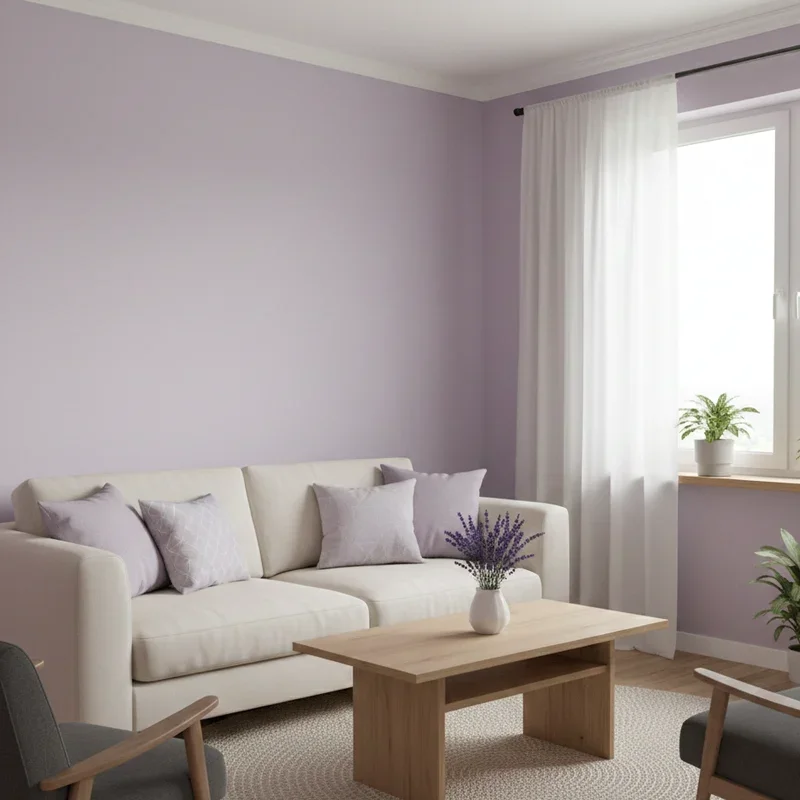
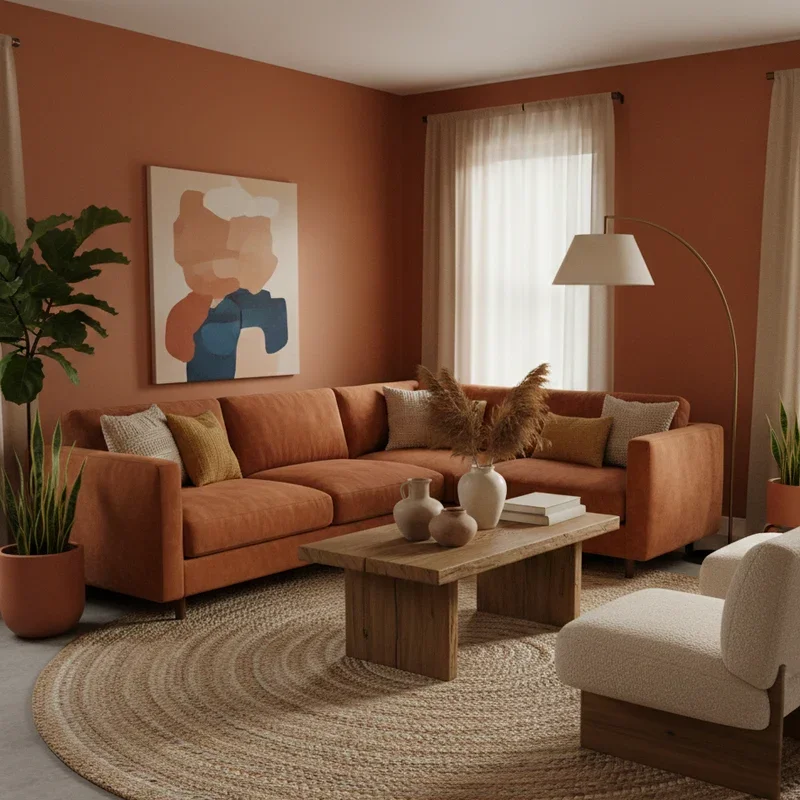
Textiles carry these colors throughout the room—curtains, rugs, and cushions all offer opportunities to echo the palette. A widely used guideline is to repeat a given color at least three times around a room, whether through a rug, a piece of artwork, or a cushion cover. Rather than starting from scratch, many people pull their palette from something they already own, such as a favorite painting or the tone of a wood floor.
Balancing Texture for Comfort and Visual Interest
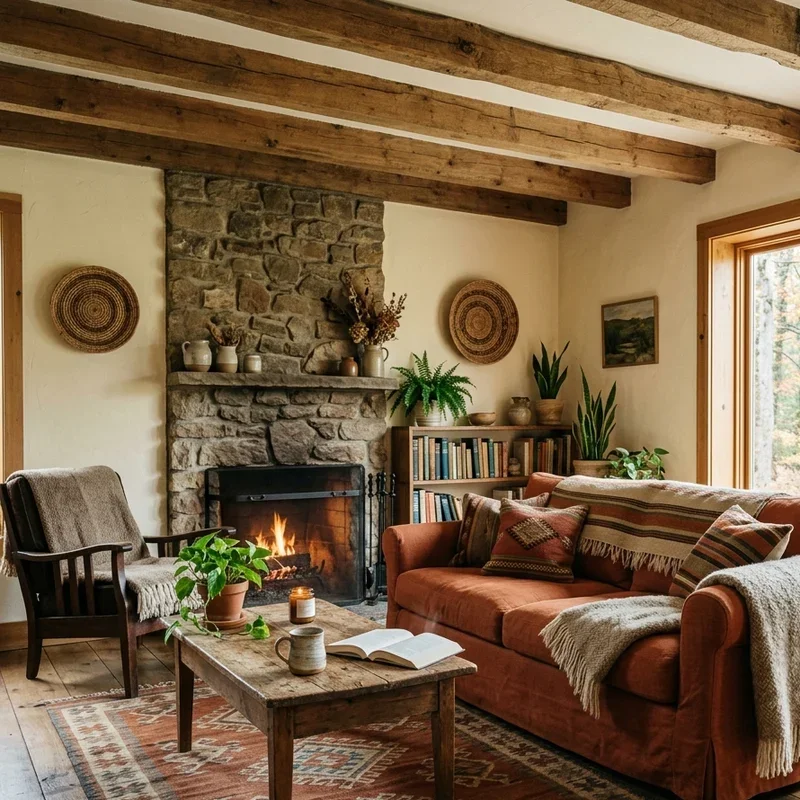
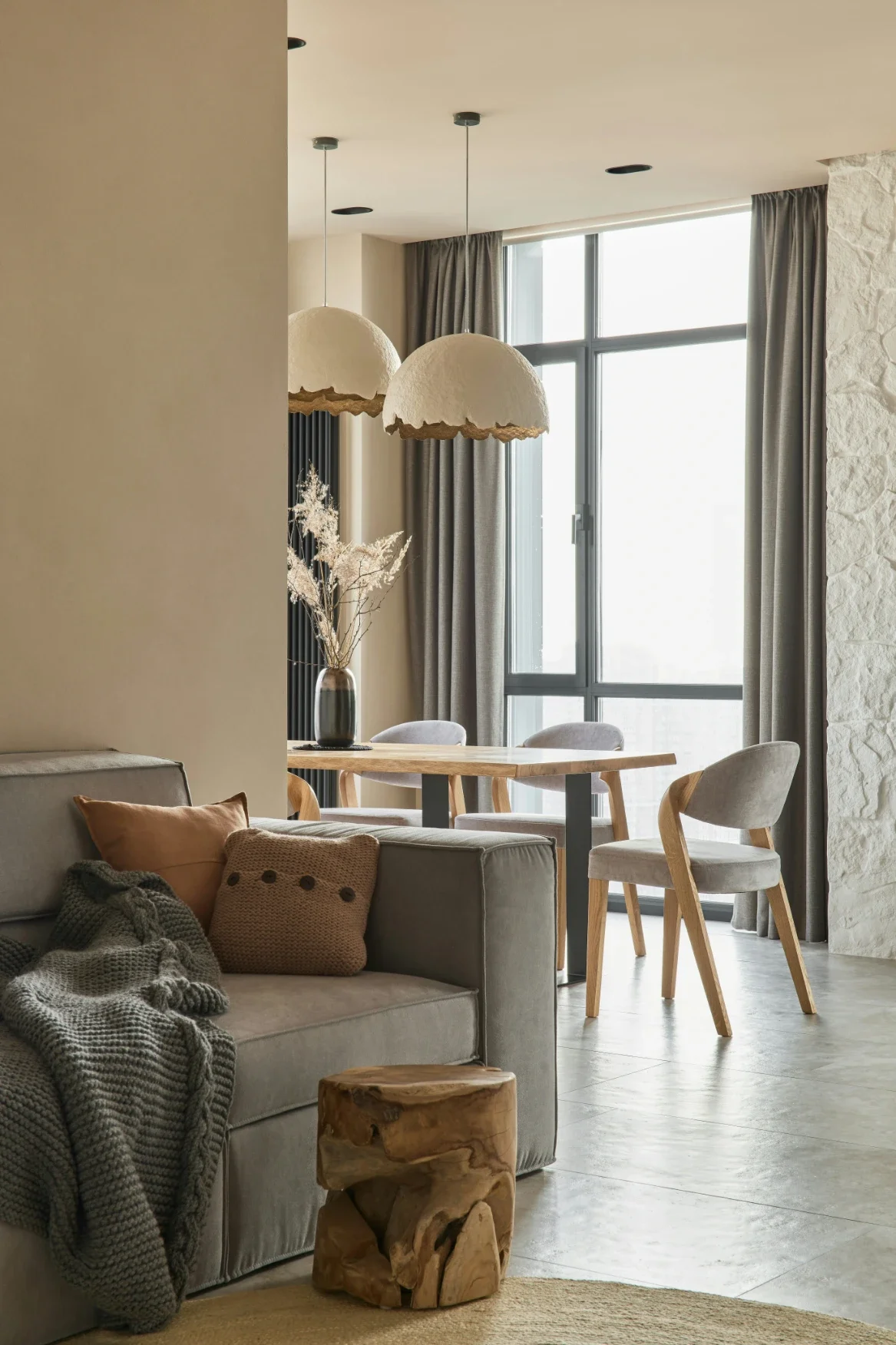
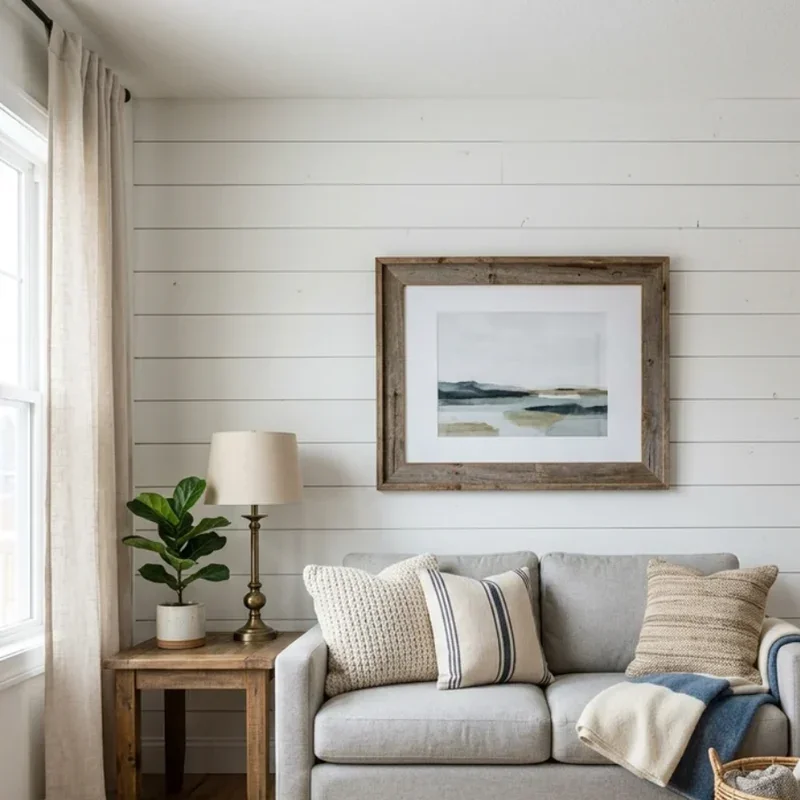
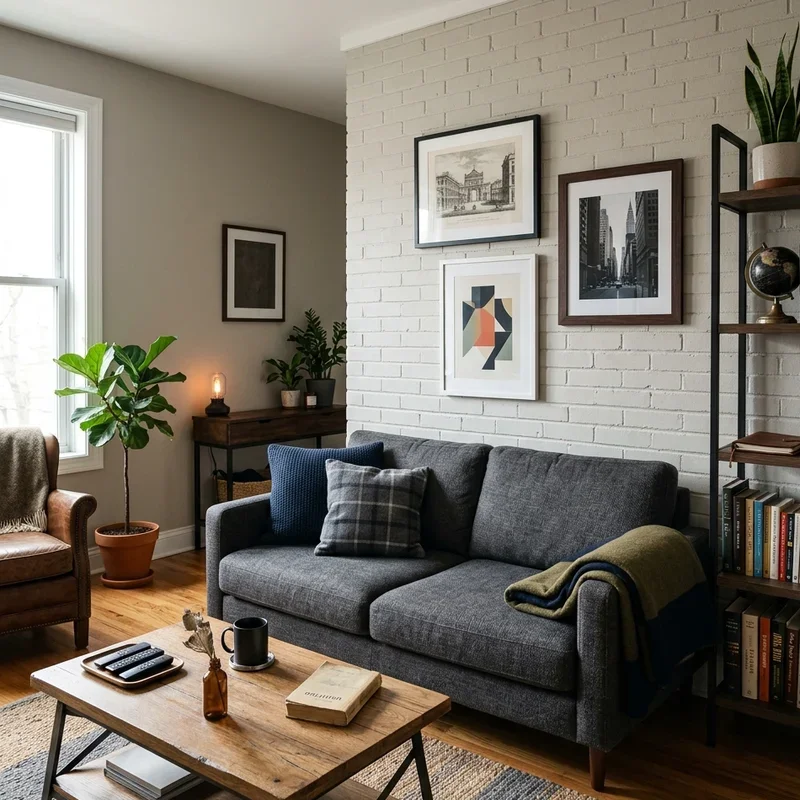
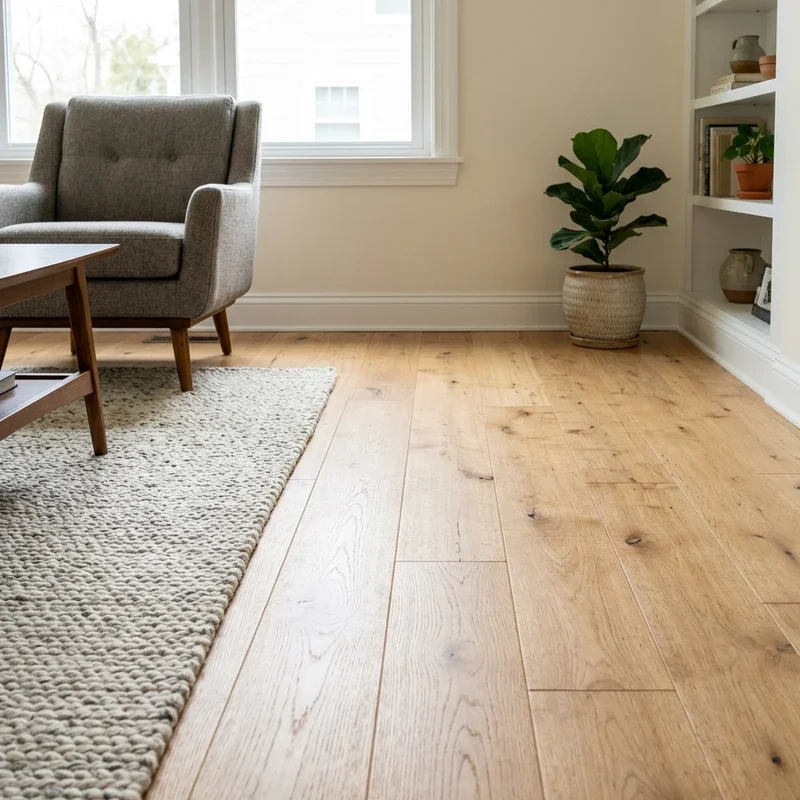
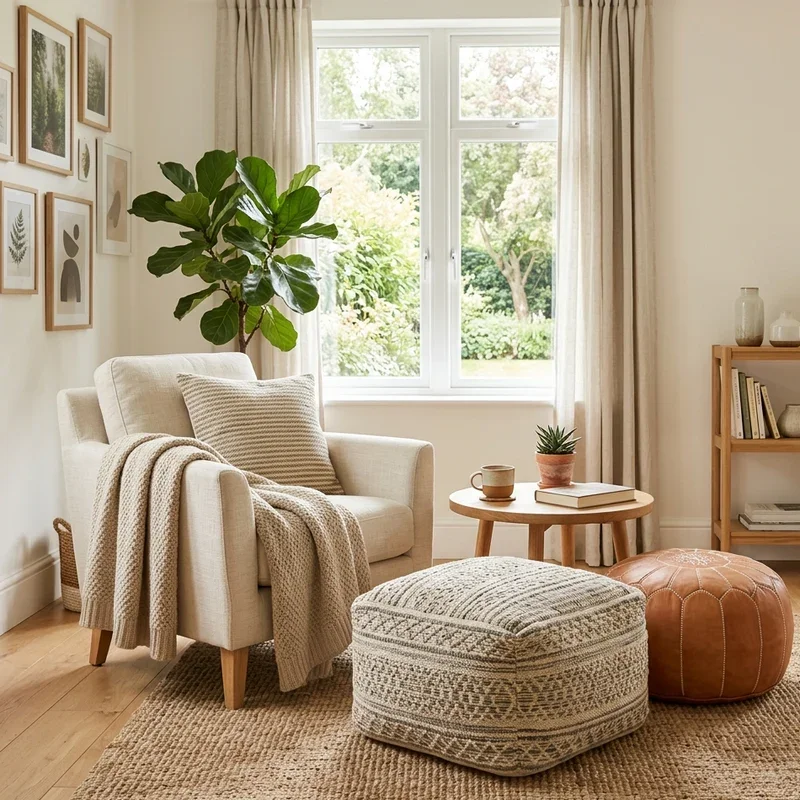
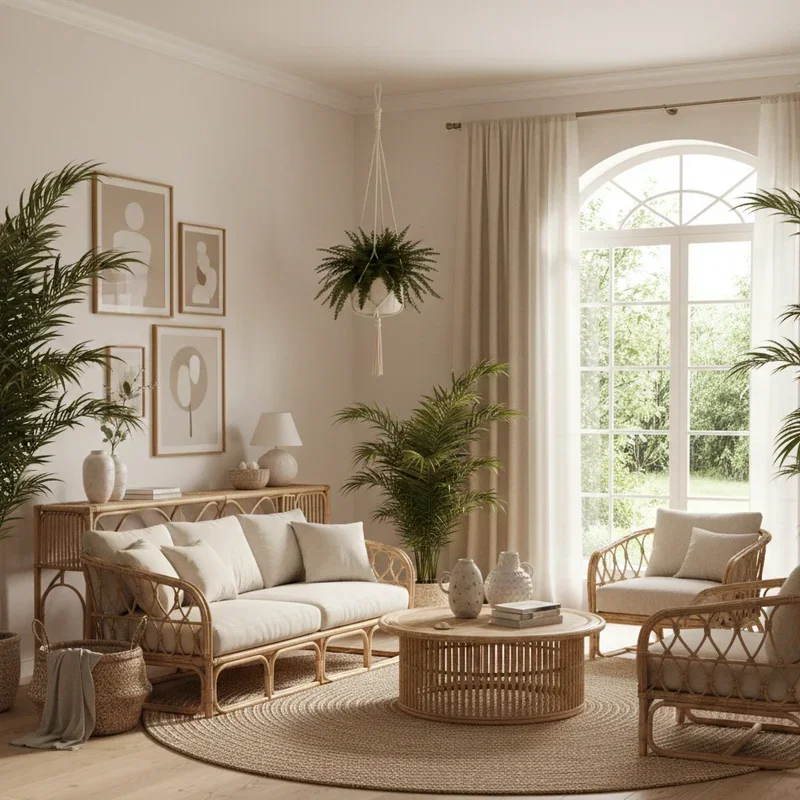
Texture refers to how surfaces feel and look—smooth, nubby, soft, or crisp. Mixing textures keeps a room from feeling flat. Common examples include soft knit throws, linen cushion covers, wool rugs, and curtains ranging from sheer to heavy. Combining smooth and tactile surfaces adds depth and warmth to a space.
In households with children or pets, hard-wearing, easy-to-clean fabrics are often more practical than delicate ones, while formal or low-traffic sitting rooms can accommodate more refined textures. Checking care labels and fiber content before buying helps match a textile's maintenance needs to a household's lifestyle.
Practical tip: Test fabric swatches in natural light at different times of day, since color and texture can shift noticeably between morning and evening light.
Layering Soft Furnishings for a Cohesive Look
Layering means combining multiple textiles to create a multi-dimensional, inviting space. A simple approach follows three steps:
Establish your base—sofa upholstery and an anchoring rug.
Add structural textiles—curtains and larger cushions.
Introduce accent pieces—smaller cushions and a folded or draped throw.
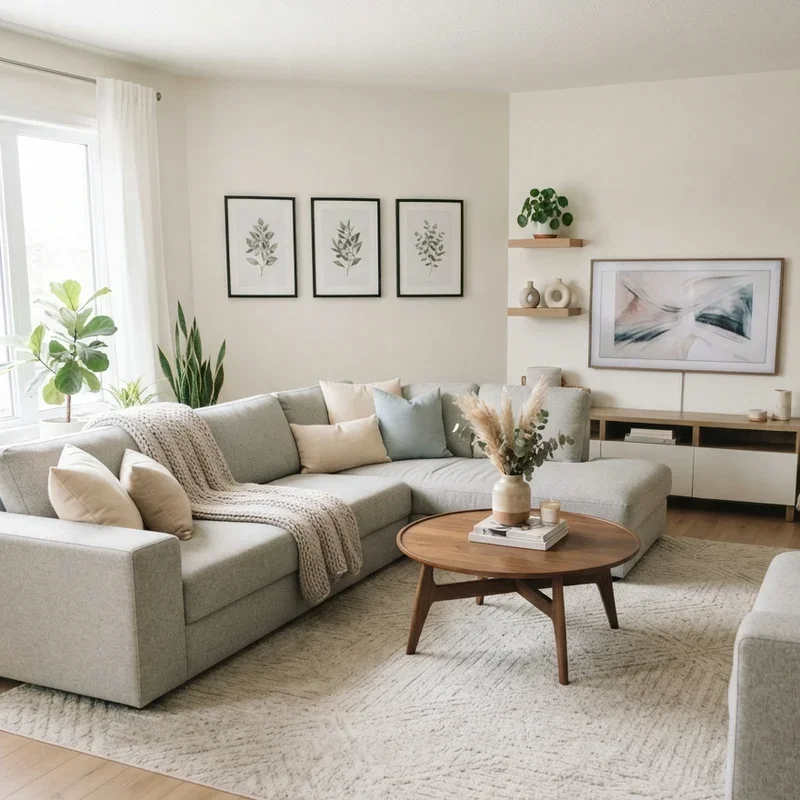
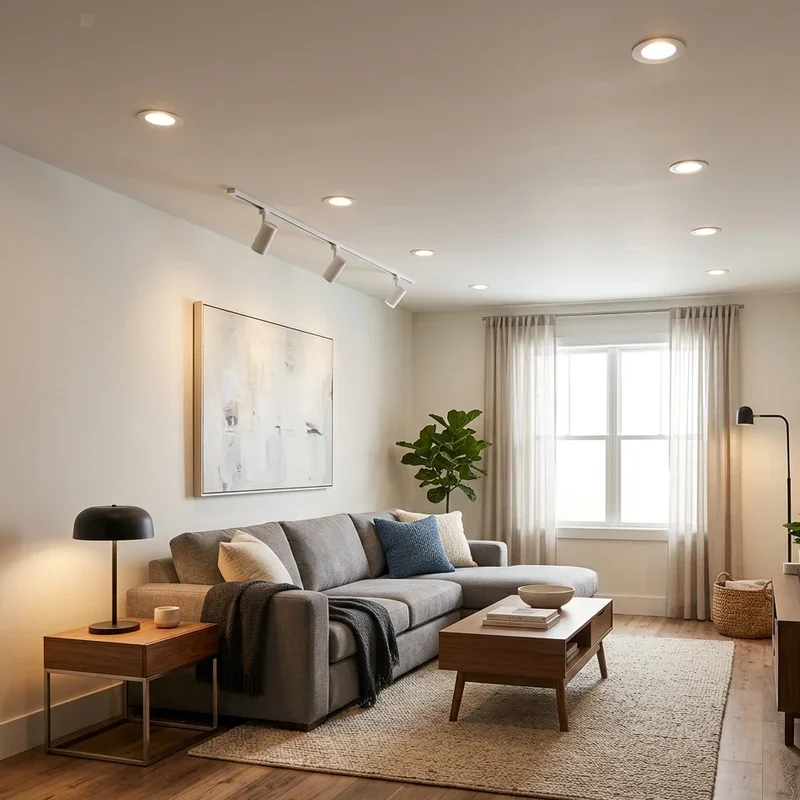
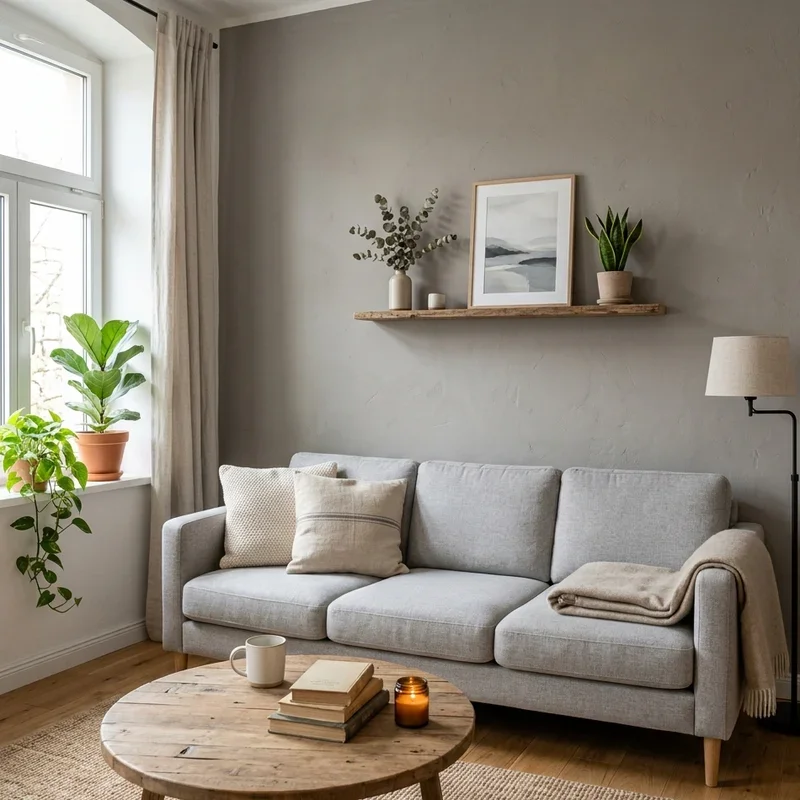
Varying cushion sizes and shapes adds visual interest, and odd numbers tend to create a relaxed feel, while even numbers suggest symmetry. In one small living room, simply removing two cushions and adding a single, larger throw simplified the seating area and made it noticeably more inviting to actually use. Larger sofas can typically handle more cushions, while smaller ones benefit from restraint. The goal is visual balance—layers that add interest without crowding comfortable seating.
Coordinating Textiles with Existing Furniture and Architecture
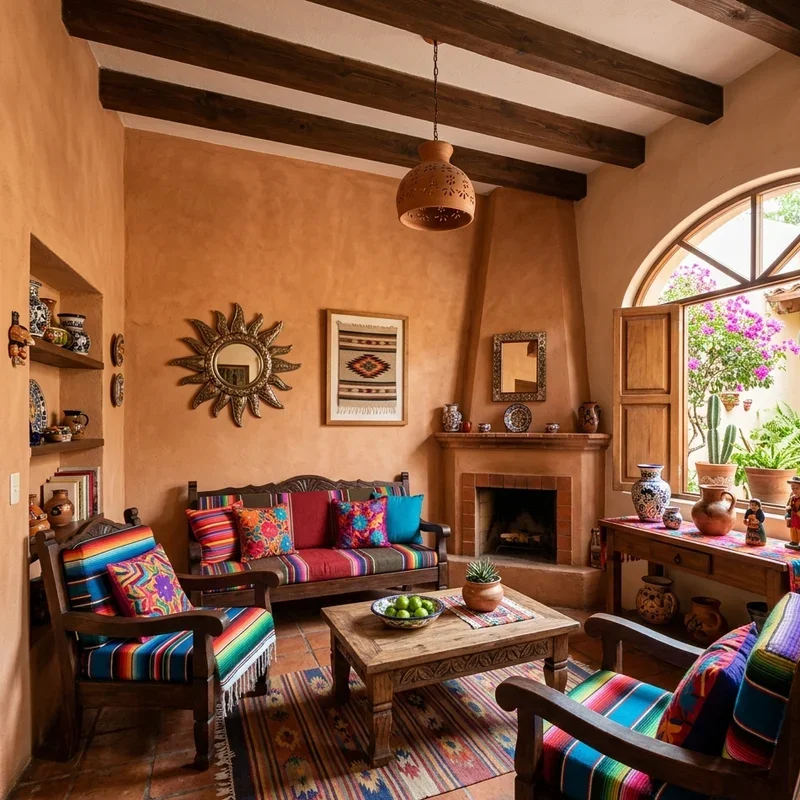
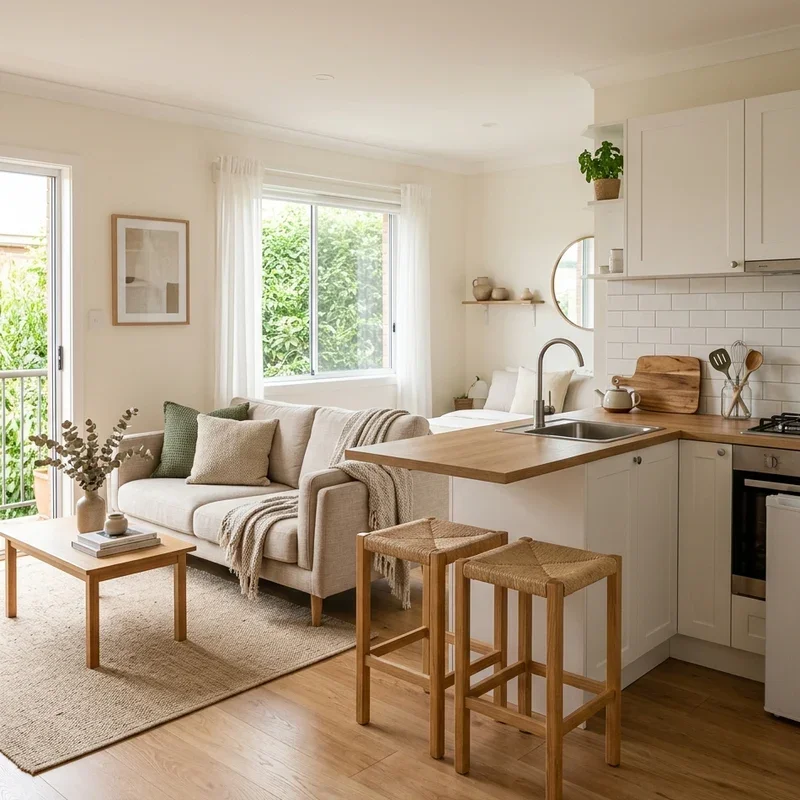
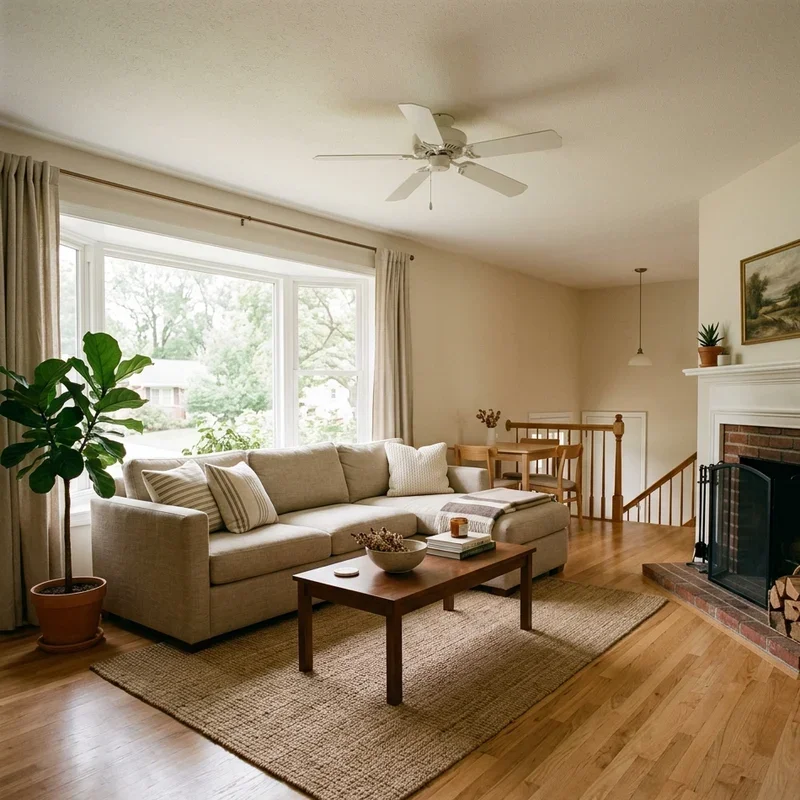
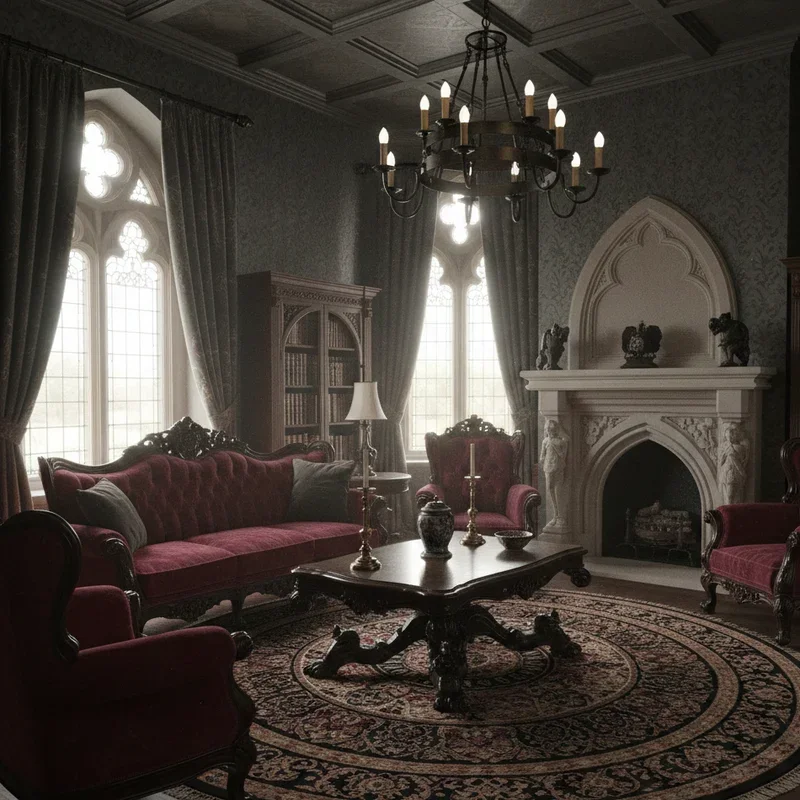
Textiles should respond to what's already in the room: sofa style, flooring, and architectural features like large windows or built-in shelving. To avoid a showroom-like "catalogue" look, repeat colors from existing artwork or flooring in cushions or curtains, and pair one bold pattern with a subtler one and a solid for balance. Scale matters too—larger patterns suit spacious rooms, while smaller, quieter patterns work better in compact spaces.
Common mistakes to avoid:
- Over-matching every textile in the room
- Using patterns that are all the same scale
- Ignoring existing architectural features when choosing rug or curtain sizes
Taking simple measurements and sketching the layout before purchasing textiles can save you from costly mismatches down the line.
Caring for and Updating Textiles Over Time
Proper care extends the life of textiles and keeps a room looking fresh. Basic upkeep includes fluffing cushions, rotating covers, brushing or vacuuming rugs, and following care labels closely rather than assuming everything is machine-washable. A seasonal refresh—swapping a cushion cover or a single throw while keeping the same core palette—satisfies the itch for change without the cost or waste of a full redesign.
Well-maintained textiles make a living room feel cared for and welcoming.
Bringing It All Together for a Timeless, Comfortable Living Room
A considered color palette, balanced textures, thoughtful layering, coordination with existing furniture, and consistent care all work together to create a timeless, comfortable living room. These principles are flexible tools, not rigid rules—meant to support personal taste rather than override it.
Start small: pick one area, such as a sofa or a reading nook, and apply a single change—perhaps adjusting a color accent or rebalancing textures. There's no single "correct" look. The most successful living rooms are the ones that reflect the people who live in them, guided by a few enduring design principles.
Key takeaway: Color cohesion, texture variety, thoughtful layering, and long-term care are the foundations of a living room that feels both timeless and genuinely lived-in.
Stay up to date with our latest ideas!