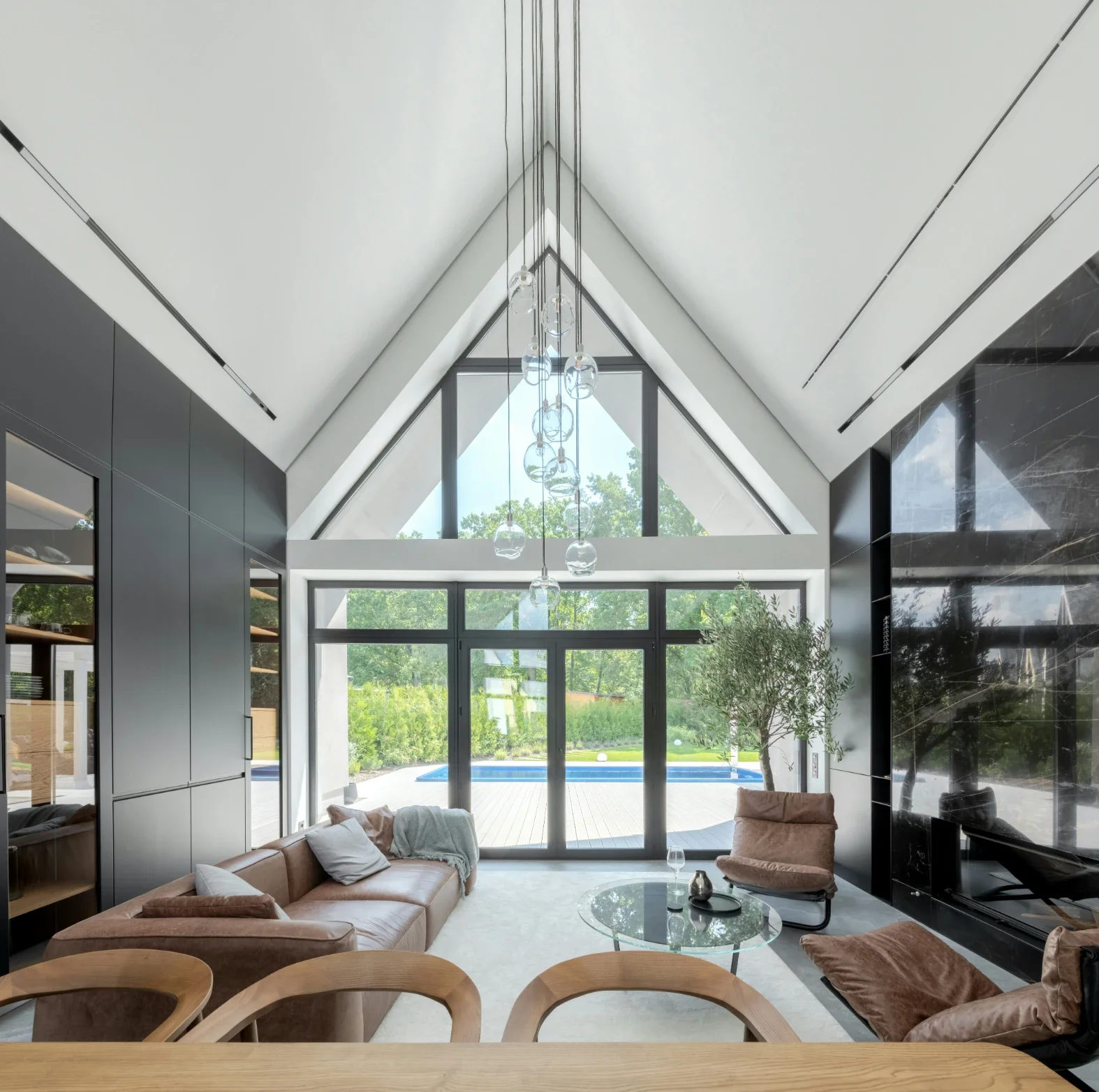
8 Living Room Ideas That Feel Expensive Without a Renovation
Discover 8 living room ideas that make your space look expensive without a renovation using stylish décor, smart layouts, and budget friendly upgrades.
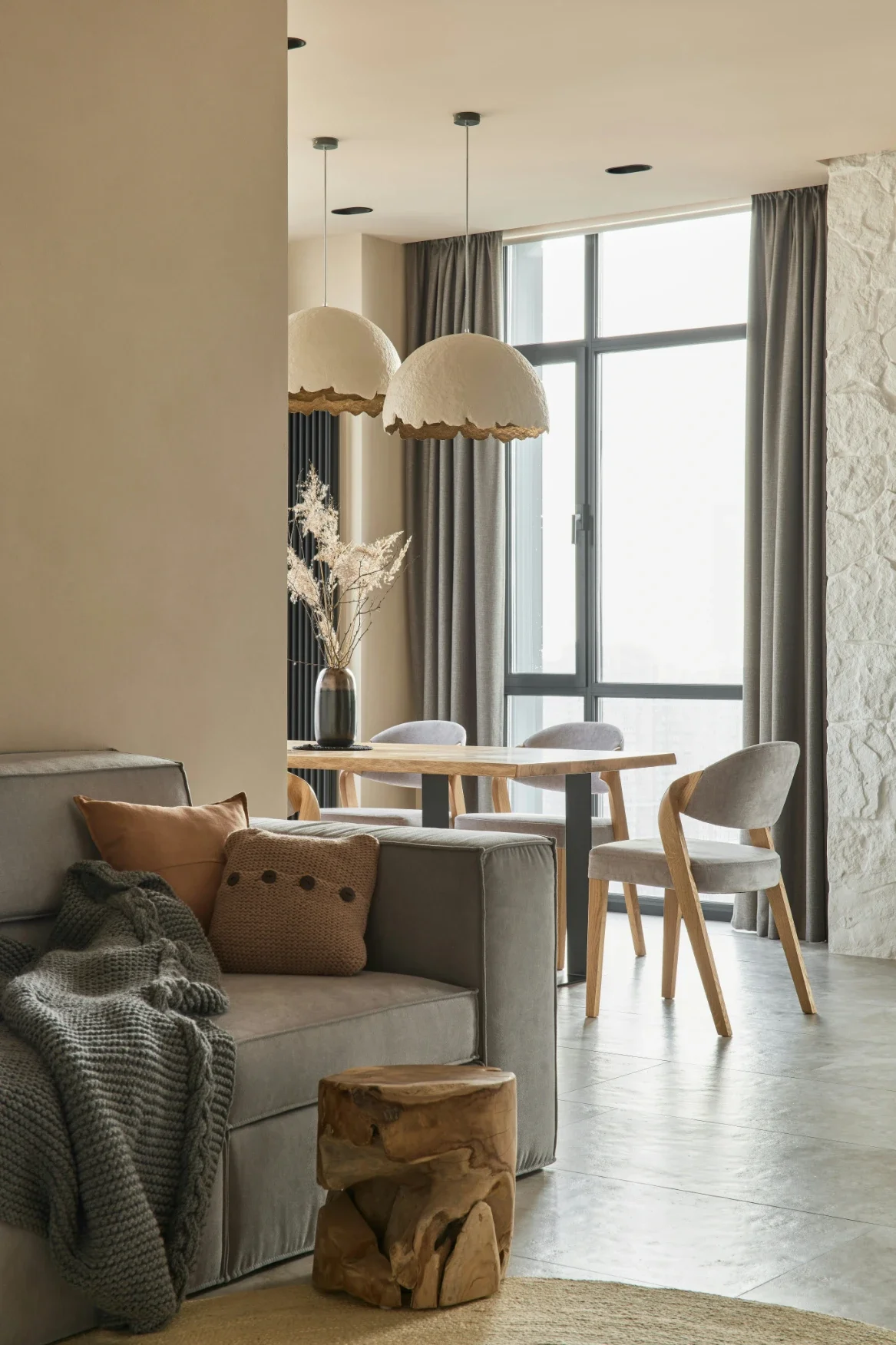
A living room does not need to be filled with expensive furniture to feel polished. In many cases, the rooms that look the most considered are not the ones with the biggest budgets, but the ones where the scale, lighting, materials, and placement all work together.
That is good news if your space currently feels a little flat or unfinished, because you may not need to replace the flooring, move a wall, or take on a major renovation. A few thoughtful changes can make the room feel warmer, more balanced, and noticeably more refined.
In this article, we'll cover eight living room ideas that can make your space feel more expensive, from larger pieces that anchor the room to simple updates you can complete in an afternoon.
1. Size the Rug to the Room
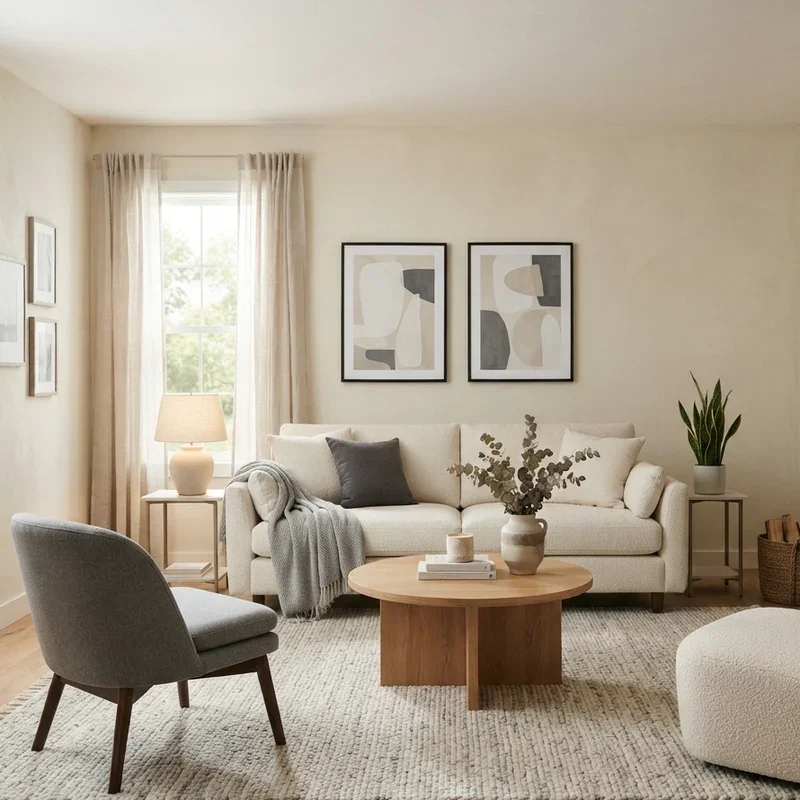
A rug has a much bigger influence on the room than its position on the floor might suggest. When it is too small, the sofa, chairs, and coffee table can look like separate pieces floating around the space rather than part of one intentional seating area.
This often happens when a 5-by-7-foot rug is placed in the middle of the room without touching any of the surrounding furniture. Even when the individual pieces are attractive, the arrangement can still feel disconnected.
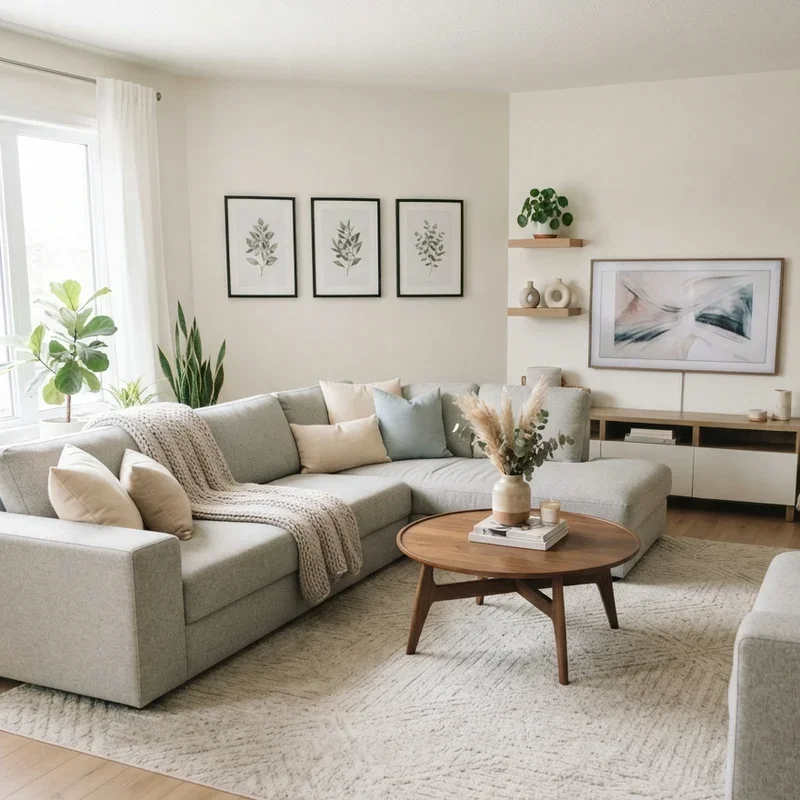
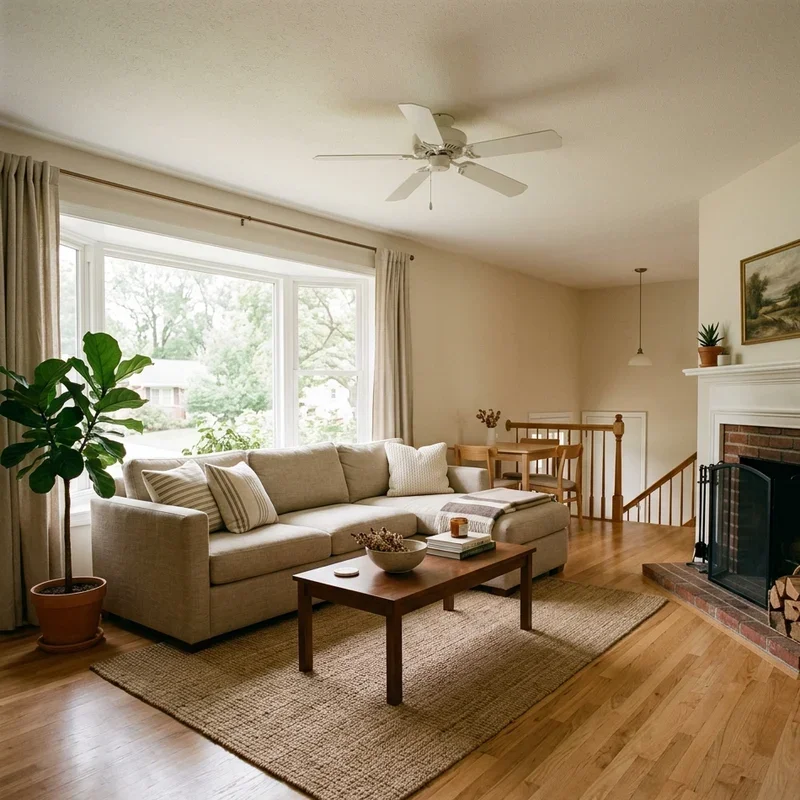
Ideally, the rug should be large enough for the front legs of the sofa and every chair to sit on it. For many living rooms, that means starting with an 8-by-10-foot rug. A 9-by-12-foot rug may work better in rooms larger than roughly 200 square feet or in spaces with a larger sectional.
Once the sofa, chairs, and coffee table are visually connected by the same rug, the entire arrangement begins to feel more deliberate.
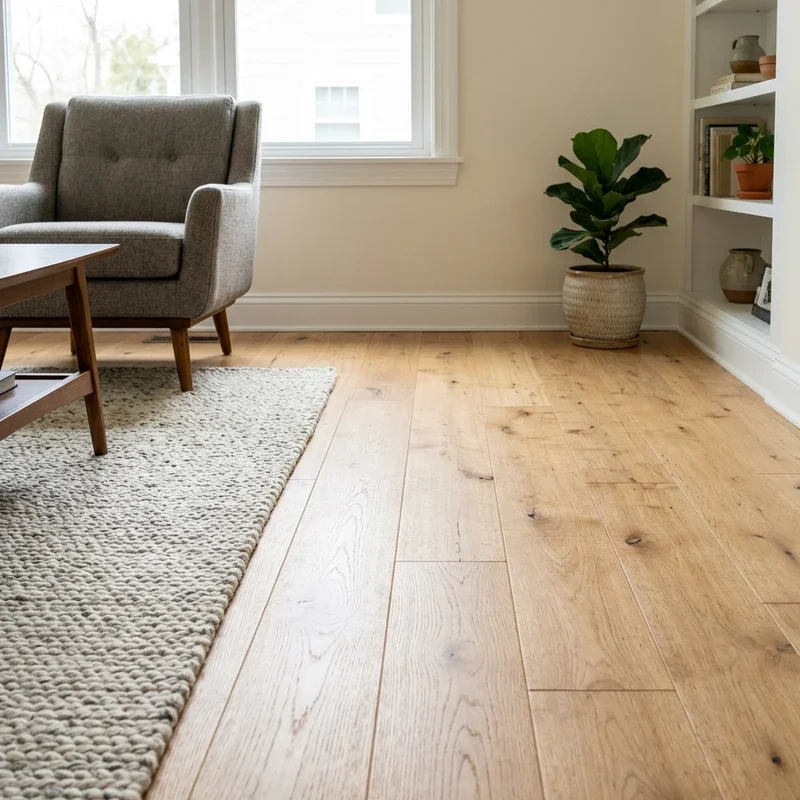
You should also leave some visible flooring around the rug. A border of approximately 18 to 24 inches between the rug and the walls usually creates a balanced look, although smaller rooms may need a narrower margin. If the floor itself looks worn or dated, a rug can only do so much, and updating the living room flooring may be the better place to start.
The goal is not simply to buy the largest rug available. It is to choose one that feels proportionate to both the furniture and the room around it.
2. Invest in One Sofa Built to Last
The sofa is usually the largest piece of furniture in the living room, which means it has an outsized effect on how the space looks and feels. It is also one of the few pieces where spending more can make sense when the additional cost reflects better construction rather than branding alone.
Many inexpensive sofas look good when they are first delivered but begin to lose their shape after a few years. The cushions soften, the fabric stretches, and the frame may start to creak or shift. Replacing a $1,200 sofa every four years would cost $6,000 over two decades, even before accounting for delivery and disposal.
A well-made sofa should begin with a strong internal frame. Kiln-dried hardwood and furniture-grade plywood are generally more durable than particleboard or lightweight softwood. The joints should be reinforced with corner blocks, glue, dowels, or similar joinery rather than relying only on staples.
The cushions matter just as much. Foam with a density of approximately 2.5 pounds per cubic foot or higher is more likely to retain its shape under regular use. Upholstery durability can also be compared using double-rub ratings. Fabric rated above 30,000 double rubs is generally better suited to an everyday family room, while lower ratings may be sufficient for a formal space that sees limited use.
These details are not as immediately noticeable as the color or silhouette, but they are often what separate a sofa that looks good for a few years from one that continues to hold its shape over time.
They are also the most reliable way to tell whether a higher price reflects better construction or simply a more established name. That distinction matters most at the upper end of the market, where luxury sofa brands range from roughly $3,000 to well beyond $30,000 for pieces that can look broadly similar in a photograph.
A well-built sofa in the $4,000 to $6,000 range is still a significant purchase. However, when it lasts 15 or 20 years rather than four or five, its cost per year can be lower than repeatedly replacing less durable furniture.
3. Hang Curtains Higher and Wider
Curtains are often treated as a finishing detail, but their placement can change the perceived proportions of the entire room.
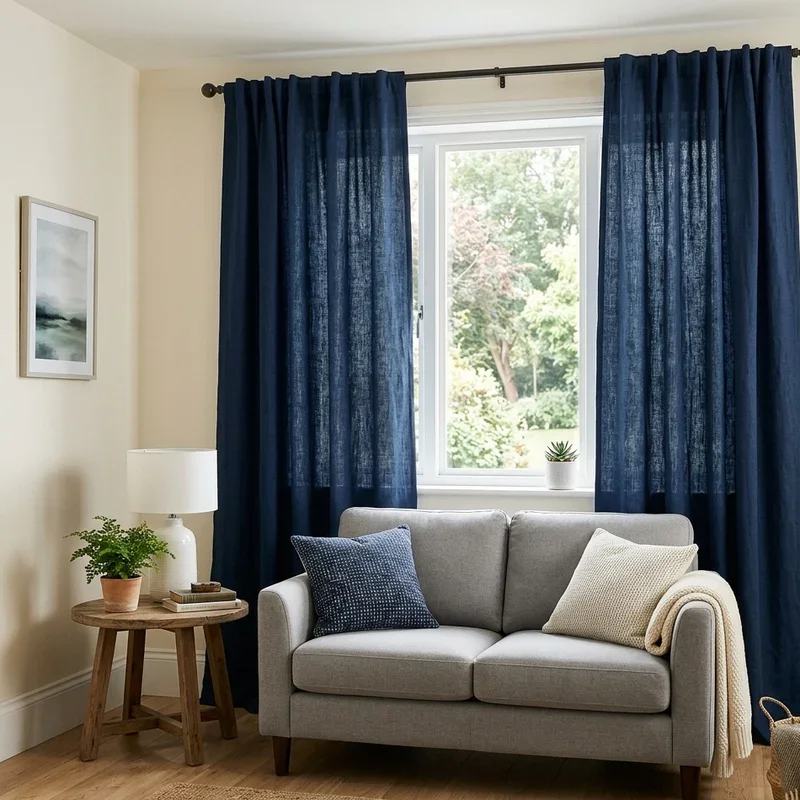
When a curtain rod is mounted directly above the window frame, it emphasizes the window's existing height and width. Moving the rod higher and extending it beyond the frame makes the window appear larger and draws the eye upward.
In a room with standard-height ceilings, try installing the rod approximately four to six inches below the ceiling rather than immediately above the window. If the ceilings are especially tall, placing the rod somewhere between the top of the window and the ceiling may look more balanced.
The rod should also extend roughly eight to twelve inches beyond the window frame on each side. This gives the curtain panels somewhere to rest when they are open, preventing them from blocking the glass and reducing the amount of natural light entering the room.
Fabric fullness matters as well. The total width of the curtain panels should generally be two to two and a half times the window width. Without enough fabric, the curtains can look flat and undersized even when the rod is correctly positioned.
Finally, pay attention to the length. Panels should touch the floor or break slightly against it. Curtains that stop an inch or two above the floor often look as though they were purchased for a different room.
These changes do not require particularly expensive curtains. Correct scale and placement can make even relatively simple panels look more substantial.
4. Use More Than One Light Source
A single overhead fixture may provide enough light to see the room, but it rarely creates an inviting atmosphere on its own.
When all the light comes from the ceiling, the room can look flat. Corners remain dark, shadows fall in the same direction, and the furniture loses some of its depth and texture.
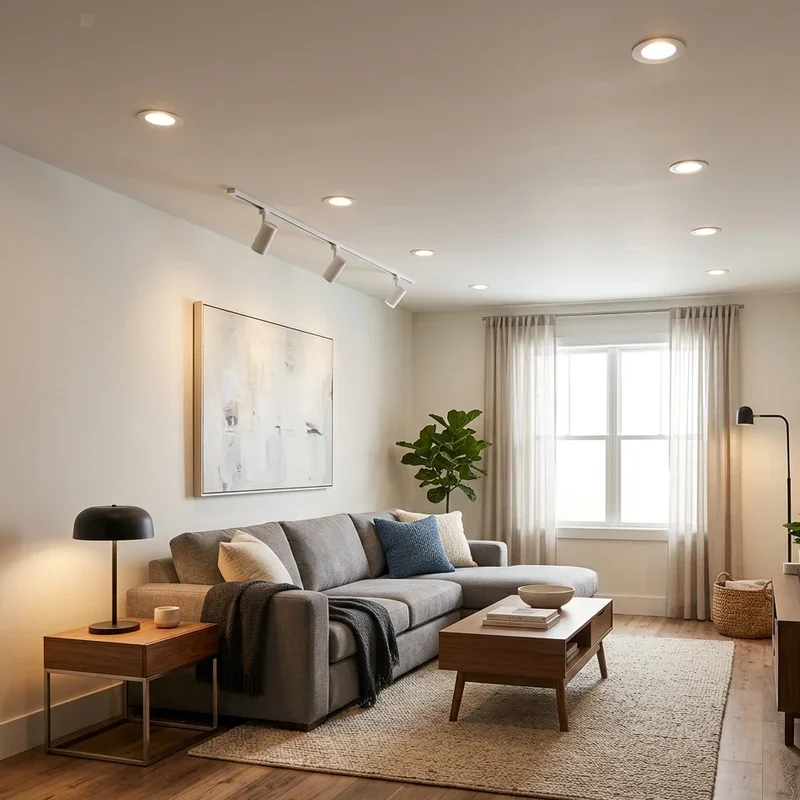
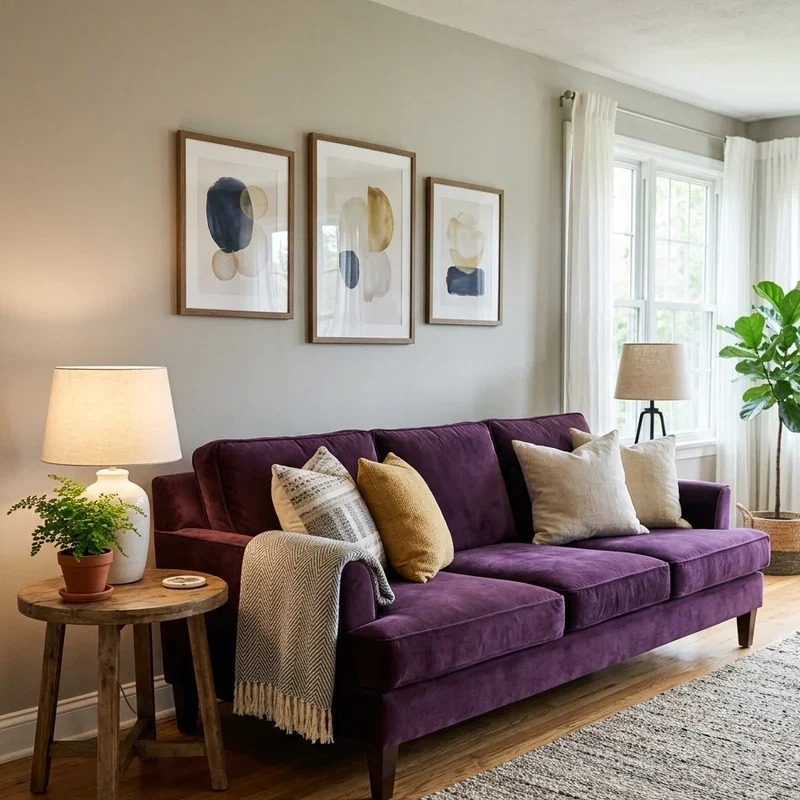
A more layered lighting plan usually includes at least three sources positioned at different heights. You might place a table lamp beside the sofa, a floor lamp in an opposite corner, and a smaller accent lamp or wall-mounted light near a console, bookshelf, or piece of art.
The purpose is not to make every part of the room equally bright. Instead, the different pools of light give the eye places to move and allow the room to feel softer and more dimensional in the evening.
Bulb color is also important. Mixing warm and cool bulbs can make the room feel inconsistent, particularly when one lamp casts a yellow glow, and another produces a blue-white light.
Warm white bulbs at approximately 2700K tend to work well in living rooms. A color rendering index, or CRI, of 90 or higher can also help wood, fabric, paint, and skin tones appear more accurate rather than dull or washed out.
If possible, place the overhead light on a dimmer. It can then provide general fill light when needed without overpowering the softer light from the lamps around the room.
5. Choose Art That Matches the Scale of the Wall
Artwork can make a room feel personal and finished, but it often looks less effective when it is too small for the wall around it.
Several small frames spread widely across a large wall can feel disconnected. One larger piece, or a tightly arranged gallery wall, creates a stronger visual anchor.
As a general starting point, the artwork's center should be approximately 57 to 60 inches above the floor. This is close to standard gallery eye level, although the surrounding furniture should also influence the final position.
When hanging art above a sofa or console, aim for a piece or grouping that is roughly two-thirds the width of the furniture below it. Leave approximately six to eight inches between the top of the sofa and the bottom of the frame so the two elements feel visually connected.
A piece that is too narrow can look lost, while one hung too high may appear unrelated to the furniture underneath it.
You do not necessarily need to replace artwork you already own. Smaller pieces can be grouped together with approximately two to three inches between the frames. Keeping the spacing consistent and treating the collection as one larger rectangle helps the arrangement feel intentional rather than scattered.
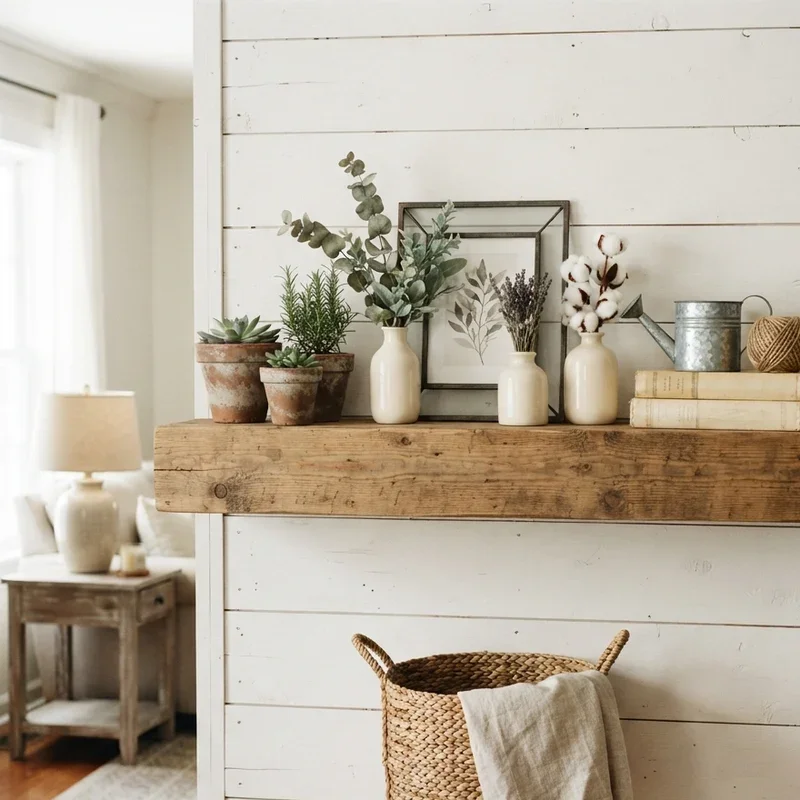
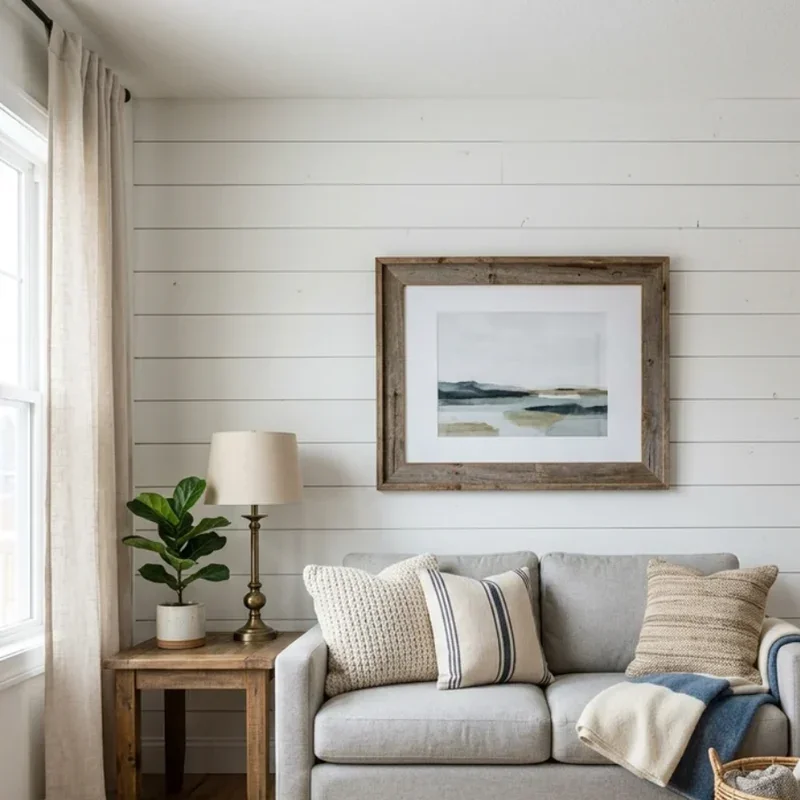
On a wall with an existing texture or treatment, such as a shiplap accent wall, a single larger piece usually works better than a grouping.
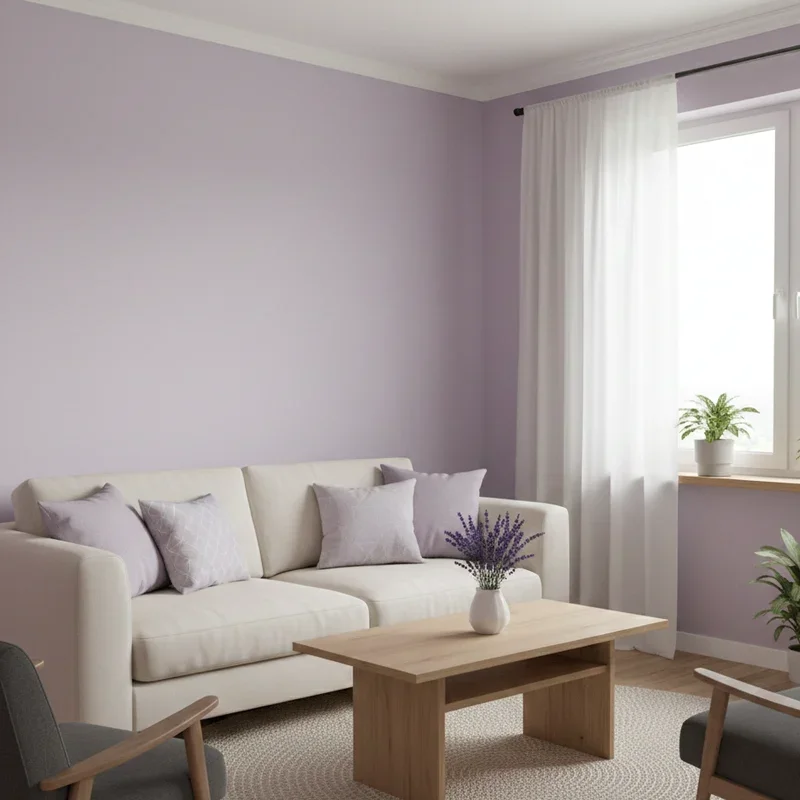
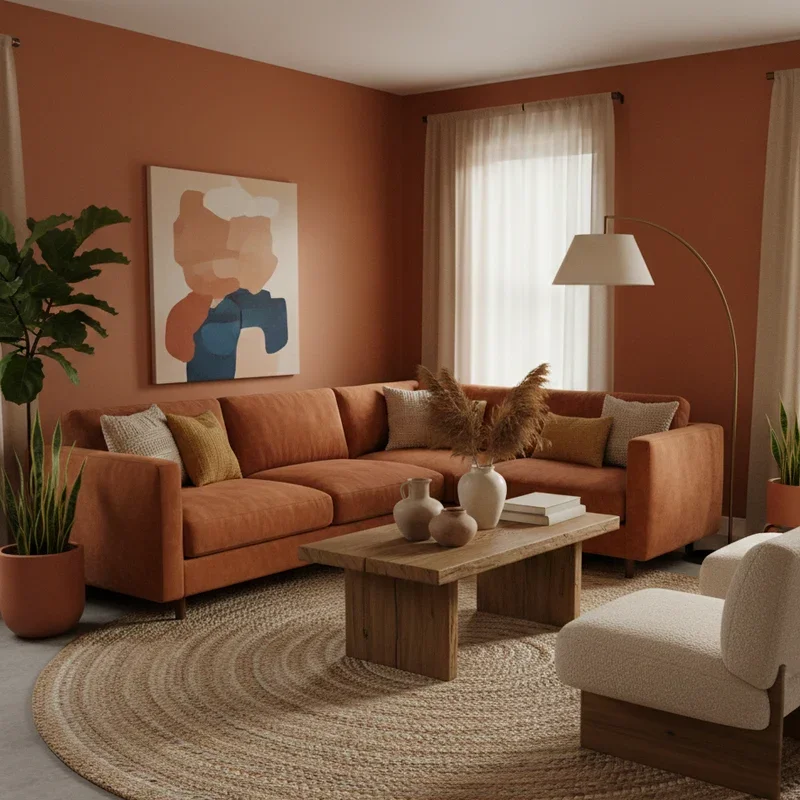
6. Choose a Wall Color That Works With the Room
Paint is one of the least expensive ways to change the atmosphere of a living room, but it is usually easier to choose it after the larger furnishings are in place.
A sofa, rug, curtains, and artwork may only be available in a limited number of colors. Paint, on the other hand, comes in thousands of variations and is relatively inexpensive to redo. It therefore makes sense for the wall color to adapt to the room rather than forcing every other purchase to coordinate with a paint color selected first.
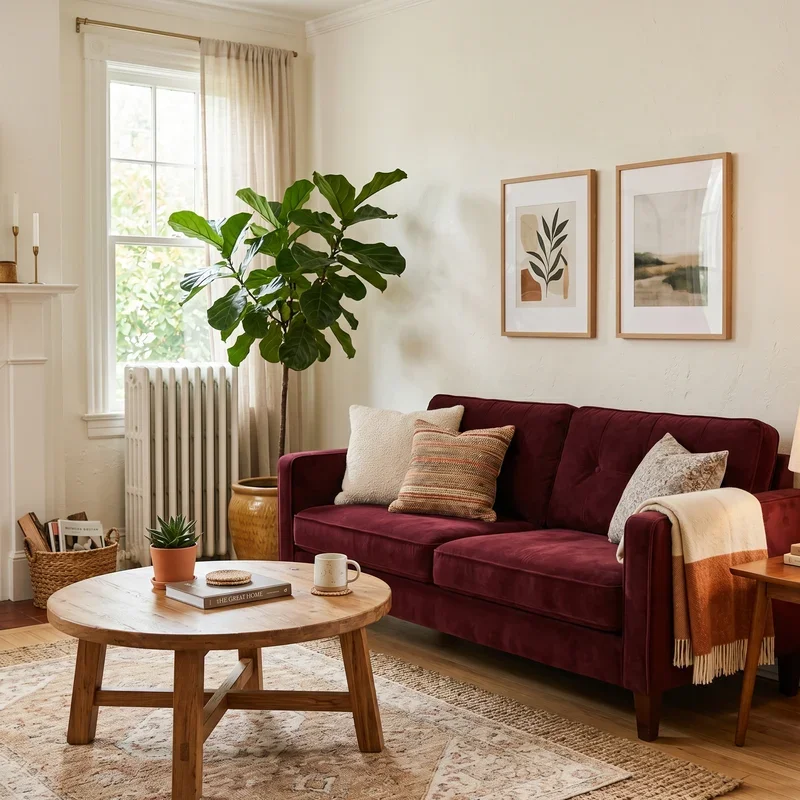
Undertones are often where otherwise attractive colors go wrong. A warm white with noticeable yellow undertones can make cool gray upholstery look dull. A beige that appears neutral on a paint chip may reveal pink, green, or gold undertones when placed beside the flooring and textiles. Established combinations such as a gray and sage green living room tend to work partly because the undertones in both colors relate to one another.
Before choosing a color, compare it with the largest fixed elements in the room. Look at it beside the sofa, rug, flooring, curtains, and any prominent wood finishes rather than evaluating it on an empty section of wall.
The size of the sample matters too. A small paint chip cannot show how the color will behave across an entire wall. Most colors also look darker or more saturated when applied over a larger area.
You can begin by photographing the room in both morning and afternoon light, then using an AI paint visualizer to preview several colors on an image of the actual space. This makes it easier to eliminate colors that clash with the furniture before purchasing physical samples.
Once you have narrowed the options, paint the finalists on large poster boards or sample sheets. Move them around the room and view them at different times of day before making the final decision. If you plan to hire a professional rather than paint the room yourself, it helps to know what the residential painting process entails before you schedule the work.
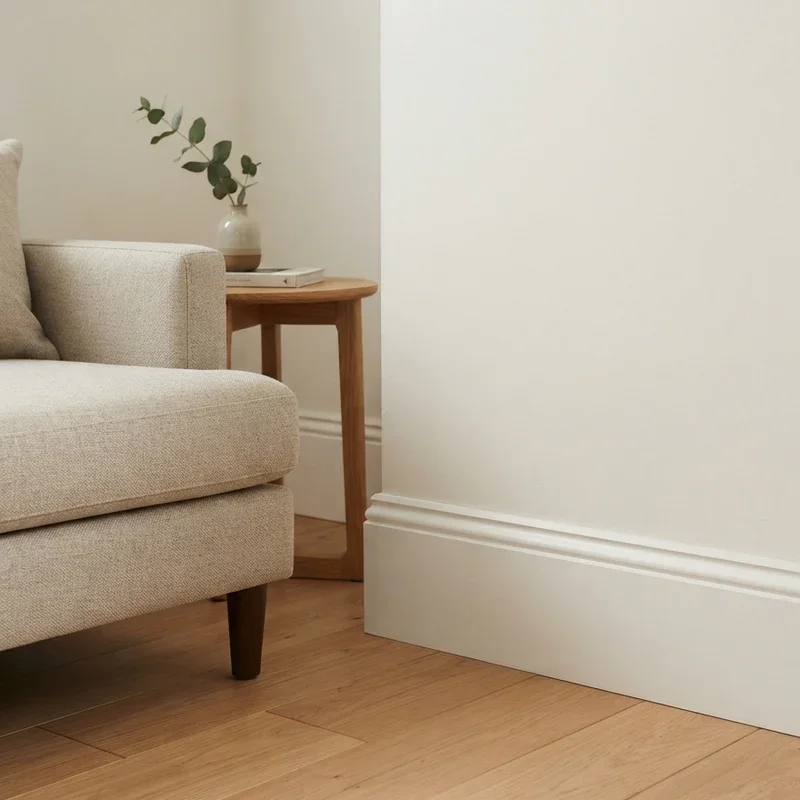
For a more custom look, consider painting the trim in the same color family as the walls. It could be one or two shades lighter or simply finished in a different sheen. The reduced contrast can make the room feel more cohesive than using bright builder-grade white trim against every wall color.
7. Mix Materials Rather Than Buying a Matching Set
Matching furniture can make shopping easier, but too many identical finishes may cause a living room to feel like it was purchased all at once from a showroom.
A sofa and loveseat in the same fabric, paired with matching end tables, lamps, and a coffee table from the same collection, leave little room for individual pieces to stand out.
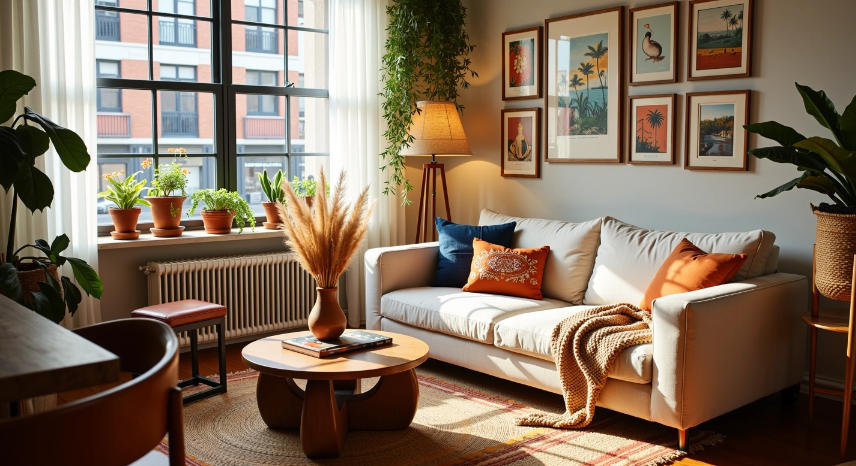
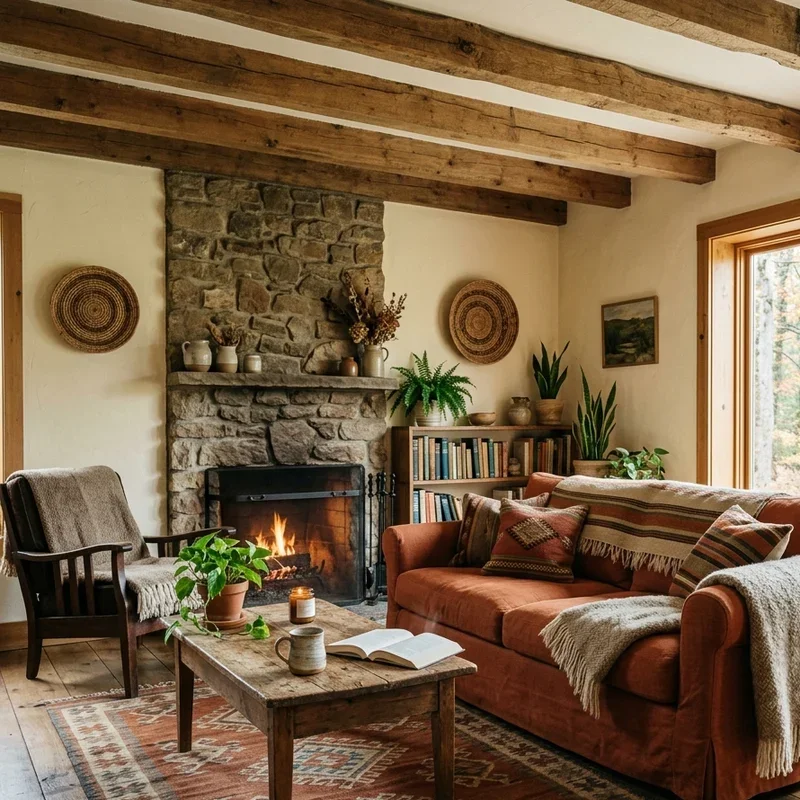
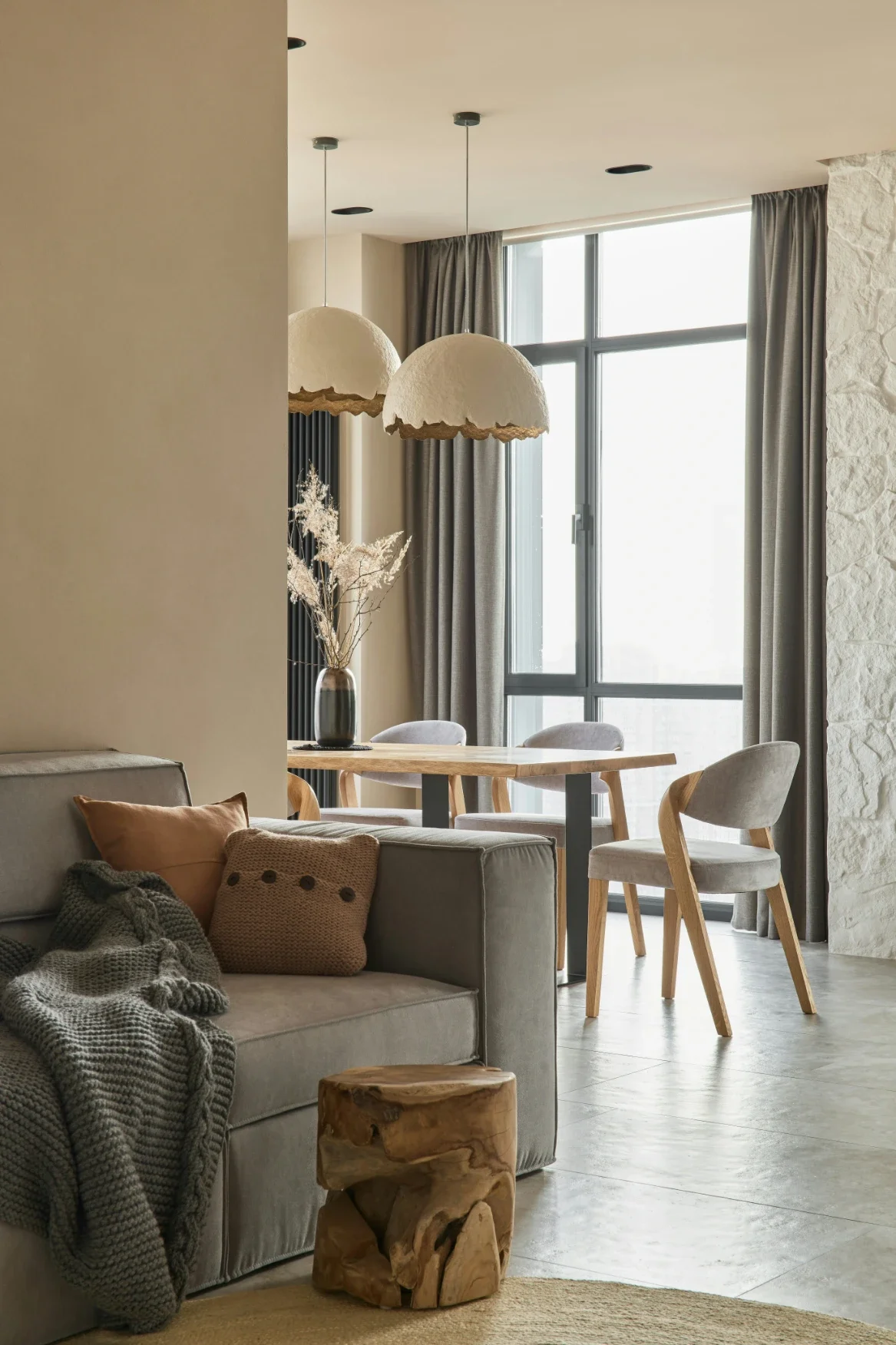
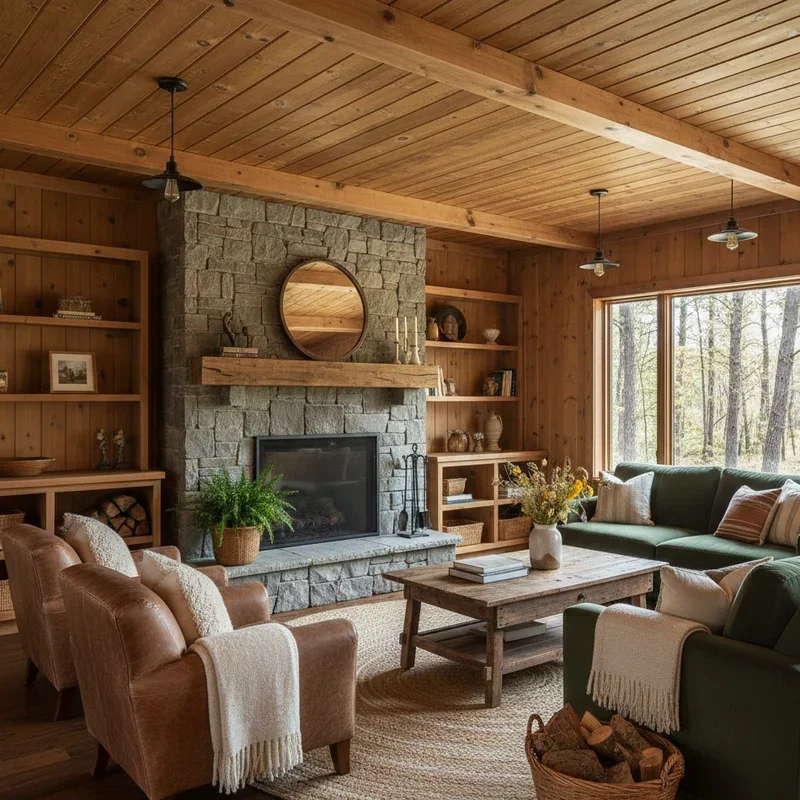
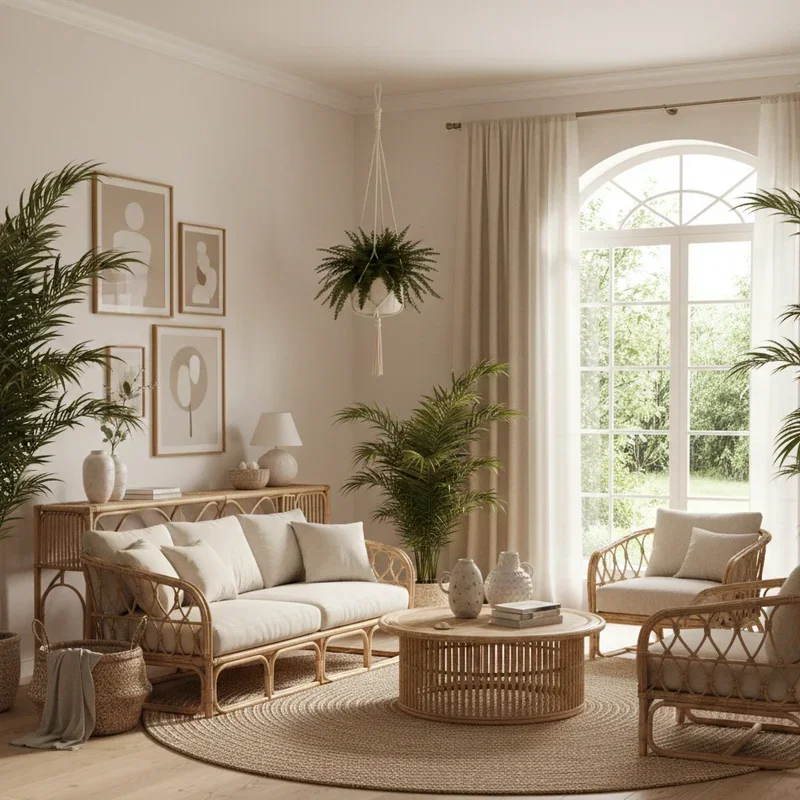
Rooms that feel layered usually combine several materials and finishes. Wood, metal, glass, stone, linen, leather, wool, and woven fibers each reflect light and add texture in a different way. Many mid-century modern living rooms rely on this approach, pairing warm wood with metal, leather, and woven textures in the same space.
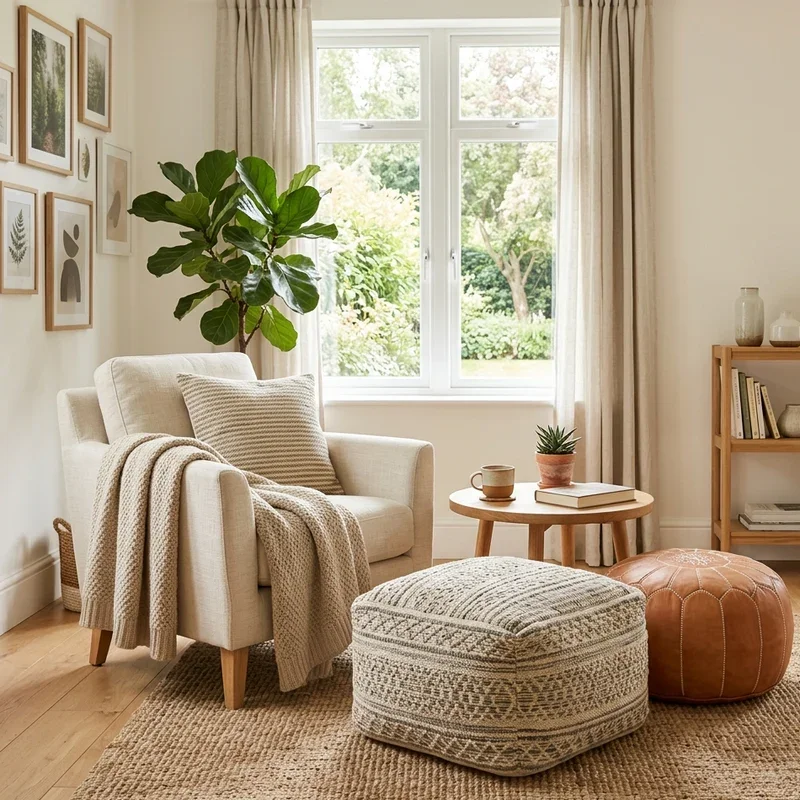
You do not need to include every material. A practical starting point is to use at least four distinct finishes throughout the room. For example, you might combine a wood coffee table, metal lamp bases, linen curtains, and a stone or glass side table.
Wood tones do not need to match exactly either. A walnut coffee table can work beside an oak console when the undertones relate to one another, and the contrast looks intentional.
The same principle applies to metal finishes. Mixing metals can work, but each one should ideally appear more than once. If brass is used in a lamp base, repeating it in a picture frame, cabinet handle, or side table helps it feel connected to the rest of the room.
Repetition is what keeps a varied room from becoming random. Each material should appear often enough to feel like part of the overall plan.
8. Remove What the Room Does Not Need
Making a room feel more expensive is not always about adding something. In many cases, removing a few items has a greater effect.
Too many objects on coffee tables, consoles, shelves, and side tables compete for attention. This makes it harder to notice the pieces you actually like and can also make the room feel smaller than it is.
Start by clearing every horizontal surface. Then put back only the items that serve a purpose or contribute something meaningful to the room.
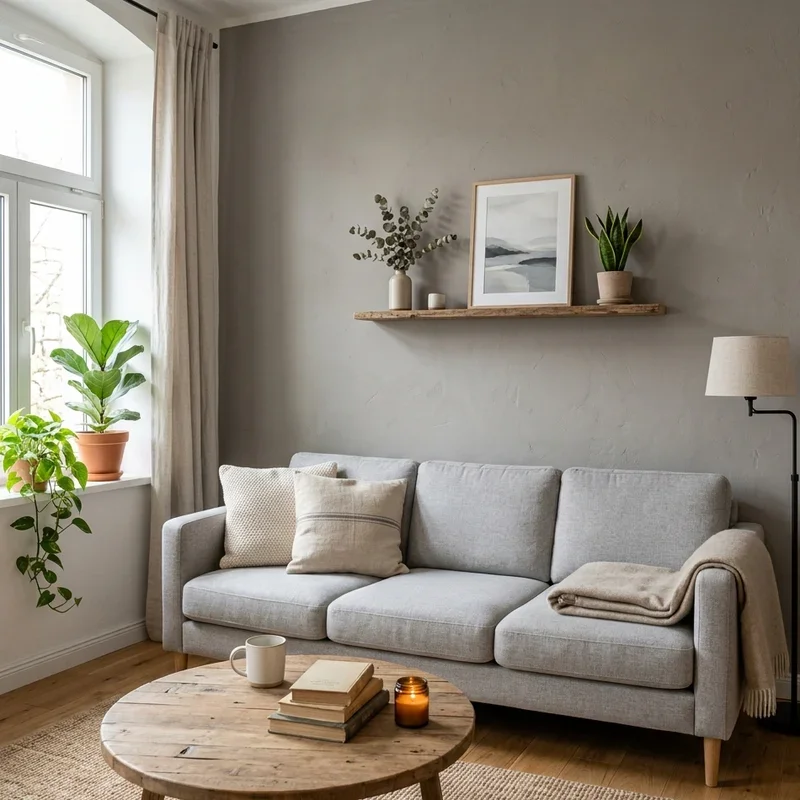
A coffee table may only need two or three objects, such as a small stack of books, a tray, and one decorative piece. A console might hold a lamp and one or two carefully chosen accessories rather than a row of unrelated items.
You can apply the same approach to the furniture layout. Whenever possible, leave approximately 30 to 36 inches for major walking paths. The room will feel easier to move through, and the individual pieces will have enough space to be appreciated. This matters most in smaller living rooms that also have to accommodate a TV and dining table, where editing usually does more than adding storage.
Negative space does not mean the room has to feel empty or impersonal. It simply gives the furniture, art, and materials room to make an impact.
Key Takeaways
Scale often has a greater influence on the room than price. A rug or piece of art that is too small can make otherwise attractive furniture feel disconnected.
The sofa is one of the few areas where construction details may justify a larger investment. The frame, cushion density, and upholstery durability determine how well it will hold up over time.
Paint should usually coordinate with the furniture, flooring, and textiles already in the space. It is less expensive and easier to change than the room's larger pieces.
Layered lighting creates more depth and atmosphere than relying on a single overhead fixture.
Finally, a room does not need to contain more things to feel complete. Thoughtful spacing and a smaller number of well-chosen objects can often make the biggest difference.
Stay up to date with our latest ideas!