Seasonal Lawn Care Tips for Every Season
Discover seasonal lawn care tips for every season to keep your grass healthy, green, and thriving with the right maintenance all year round.
A healthy lawn isn't built with one weekend of work—it's the result of consistent care throughout the year. As the seasons change, so do your lawn's needs. Grass grows rapidly in spring, faces heat and drought in summer, prepares for dormancy in fall, and rests during winter. Adjusting your lawn care routine to match these seasonal changes helps keep your grass healthier and more resilient.
Seasonal lawn care involves more than regular mowing. Tasks such as fertilizing, watering, aerating, removing leaves, and preparing for changing weather all contribute to long-term lawn health. Performing the right maintenance at the right time can encourage stronger roots, reduce weeds and pests, and minimize costly repairs later.
Spring Lawn Care: Build a Strong Foundation
Spring is the most important season for lawn care because it sets the stage for healthy growth throughout the year. As temperatures rise and grass comes out of dormancy, a few key maintenance tasks can help your lawn recover from winter and grow stronger.
Clean Up Winter Debris
Start by removing fallen leaves, twigs, and other debris that may have accumulated over the winter. A clean lawn allows sunlight, air, and moisture to reach the grass more effectively while reducing the risk of mold and disease.
Inspect and Repair Damaged Areas
Check your lawn for bare patches, compacted soil, or areas damaged by snow, heavy foot traffic, or pests. Repairing these problems early gives new grass time to establish before the summer heat arrives.
Fertilize to Encourage Growth
Applying a balanced fertilizer in spring provides essential nutrients that support healthy root development and vigorous grass growth. Follow the manufacturer's recommendations to avoid over-fertilizing, which can encourage excessive leaf growth at the expense of strong roots.
Start Mowing Gradually
Begin mowing once the grass starts growing consistently. Set your mower to a higher cutting height for the first few cuts and avoid removing more than one-third of the grass blade at a time. This helps reduce stress and encourages thicker, healthier turf.
Water Only When Needed
Spring rainfall is often enough for many lawns, so avoid watering on a fixed schedule. Instead, monitor soil moisture and water deeply only when necessary to promote deeper root growth.
By completing these essential spring tasks, you'll build a strong foundation for the rest of the growing season and help your lawn stay healthy through the warmer months ahead.
Summer Lawn Care: Protect Your Lawn from Heat
Summer can be the most challenging season for lawn maintenance. High temperatures, strong sunlight, and periods of drought can slow grass growth and put extra stress on your lawn. The goal during summer is to help the grass stay healthy while minimizing unnecessary stress.
Water Deeply and Less Frequently
Instead of watering a little every day, water deeply once or twice a week, depending on rainfall and local conditions. Deep watering encourages roots to grow further into the soil, making the lawn more resilient during hot, dry weather.
Raise Your Mowing Height
Cutting grass too short in summer exposes the soil to direct sunlight and increases moisture loss. Raise your mower's cutting height slightly to help the grass retain moisture, shade the soil, and develop stronger roots.
Avoid Mowing During Peak Heat
The best time to mow is early in the morning or later in the evening when temperatures are cooler. Mowing during the hottest part of the day can put additional stress on both the grass and the mower.
Watch for Pests and Lawn Diseases
Warm, humid conditions can encourage insects and fungal diseases. Regularly inspect your lawn for brown patches, unusual discoloration, or signs of pest activity so you can address problems before they spread.
By focusing on proper watering, careful mowing, and routine inspections, you can help your lawn stay green and healthy even during the hottest months of the year.
Fall Lawn Care: Prepare for Next Year
Fall is often considered the best season for lawn care. Cooler temperatures and increased soil moisture create ideal conditions for root growth, helping your lawn recover from summer stress and prepare for winter dormancy.
Continue Mowing as Grass Grows
Grass typically continues to grow through much of the fall, although at a slower rate than in spring. Continue mowing as needed, gradually lowering the cutting height for the final mow of the season. Avoid cutting the grass too short, as it still needs enough leaf surface to store energy for winter.
Remove Fallen Leaves
Leaves may look harmless, but a thick layer can block sunlight, trap moisture, and encourage mold or disease. Rake or mulch leaves regularly to keep the lawn healthy and allow grass to breathe.
Overseed Thin Areas
Early fall is an excellent time to overseed cool-season lawns. Mild temperatures and consistent moisture help new grass establish before winter, resulting in a thicker, healthier lawn the following spring.
Apply Fall Fertilizer
A fall fertilizer supports root development and stores nutrients that help the lawn survive winter and green up more quickly in spring. Applying fertilizer at the appropriate time can improve overall lawn health without promoting excessive top growth.
Prepare Equipment for Winter
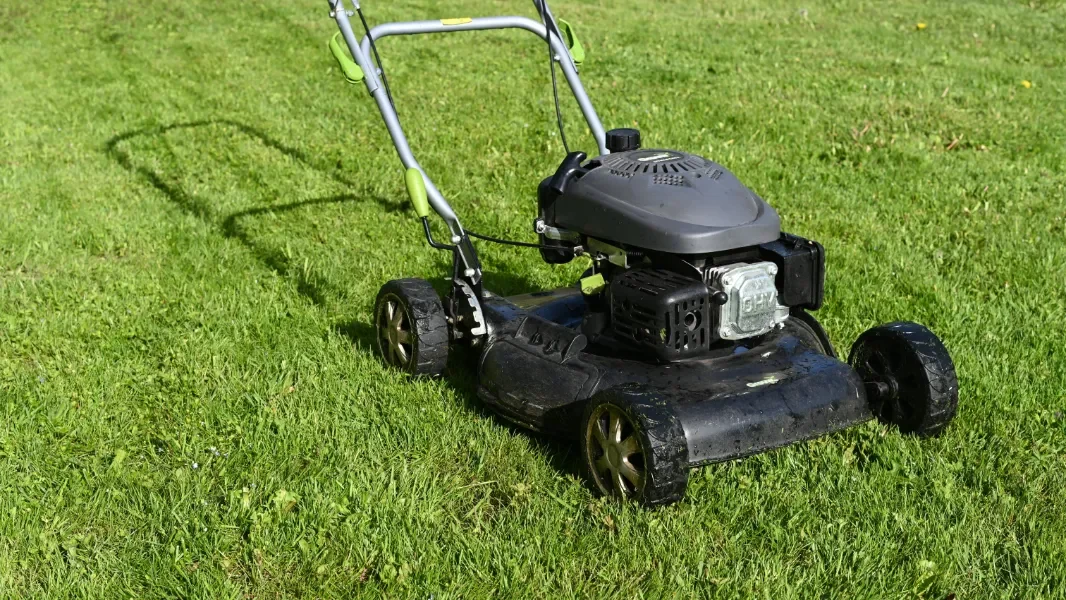
As the mowing season comes to an end, clean your lawn mower, sharpen or replace the blades if needed, and inspect it for any maintenance issues. Proper care before winter helps extend the life of your equipment and ensures it's ready for the next growing season.
By completing these fall lawn care tasks, you'll protect your lawn through the colder months and give it the best possible start when spring arrives.
Winter Lawn Care: Let Your Lawn Rest
Winter is a period of rest for most lawns, especially in colder regions. While grass growth slows significantly or becomes dormant, proper winter care can help prevent damage and prepare your lawn for a healthier return in spring.
Avoid Heavy Foot Traffic
Frozen or dormant grass is more vulnerable to damage. Excessive walking, playing, or placing heavy objects on the lawn during winter can break grass blades and create bare patches that are difficult to repair later.
Keep the Lawn Clear
Remove fallen leaves, branches, and other debris before heavy snow or freezing temperatures arrive. A clean lawn allows better air circulation and reduces the risk of mold or fungal problems during the dormant season.
Maintain and Store Lawn Equipment
Winter is the ideal time to inspect and prepare your lawn care tools. Clean your mower, remove grass buildup, check the blades, and store equipment in a dry location. Proper maintenance helps extend the life of your tools and ensures they are ready when the growing season begins.
For homeowners using a robot lawn mower, winter is also a good time to clean the mower, check the blades, and store the charging station if required. Models such as the ANTHBOT M9 can be prepared during the off-season so they are ready for automated mowing when grass growth resumes.
Plan for the Next Growing Season
Winter provides an opportunity to review your lawn's condition and prepare for spring tasks. Consider whether your lawn needs reseeding, soil improvement, new equipment, or adjustments to your maintenance routine.
Although winter requires less active lawn care, small preparation steps during this season can make a significant difference. Giving your lawn time to rest while maintaining your equipment ensures a smoother transition when warmer weather returns.
Conclusion
Effective lawn care is a year-round process that changes with the seasons. Spring focuses on recovery and new growth, summer requires protection from heat and stress, fall helps strengthen the lawn before winter, and winter provides an opportunity for rest and preparation.
There is no single maintenance routine that works for every lawn. Factors such as grass type, climate, soil conditions, and local weather all influence what your lawn needs throughout the year. By completing the right tasks at the right time, you can reduce problems and maintain a healthier lawn with less effort.
Whether you handle lawn care manually or use modern tools such as robot lawn mowers, a consistent seasonal approach is the key to long-term lawn health. With proper planning and regular maintenance, your lawn can remain greener, stronger, and easier to manage throughout the year.
Stay up to date with our latest ideas!