How to Choose the Right Sofa for an Open Concept Living Room
Learn how to choose the right sofa for an open concept living room with tips on size, layout, flow, comfort, and modular seating for modern homes.
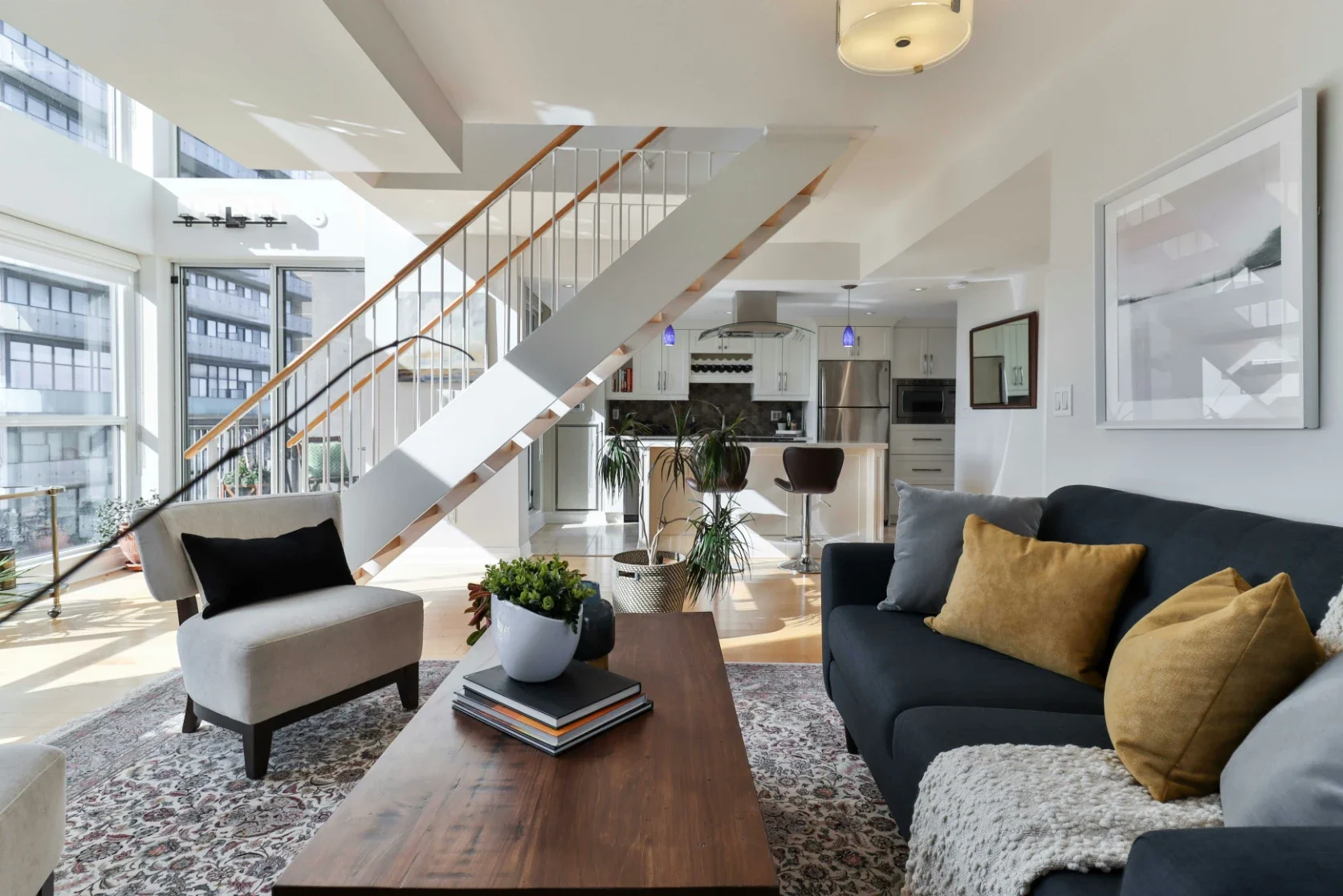
Open concept living rooms can look beautiful, airy, and modern, but they can also be surprisingly difficult to furnish well. Without clear walls separating one area from another, every furniture choice has a bigger impact on how the space looks, feels, and functions.
And when it comes to the living area, the sofa does most of the heavy lifting.
It is usually the largest piece in the room. It helps define where the living space begins and ends. It influences traffic flow, balance, comfort, and even how connected the room feels to the kitchen or dining area nearby. That is why choosing the right sofa for an open concept space takes more thought than simply picking something that looks nice on its own.
A sofa in this type of layout should do more than fill space. It should create structure without making the room feel heavy. It should be comfortable enough for everyday use while still fitting naturally into a more open and flexible environment.
If you are trying to choose the right sofa for an open concept living room, these are the key things worth paying attention to before you buy.
1. Think About Space Planning Before You Think About Style
One of the easiest mistakes to make in an open concept room is falling in love with a sofa before thinking about what the room actually needs.
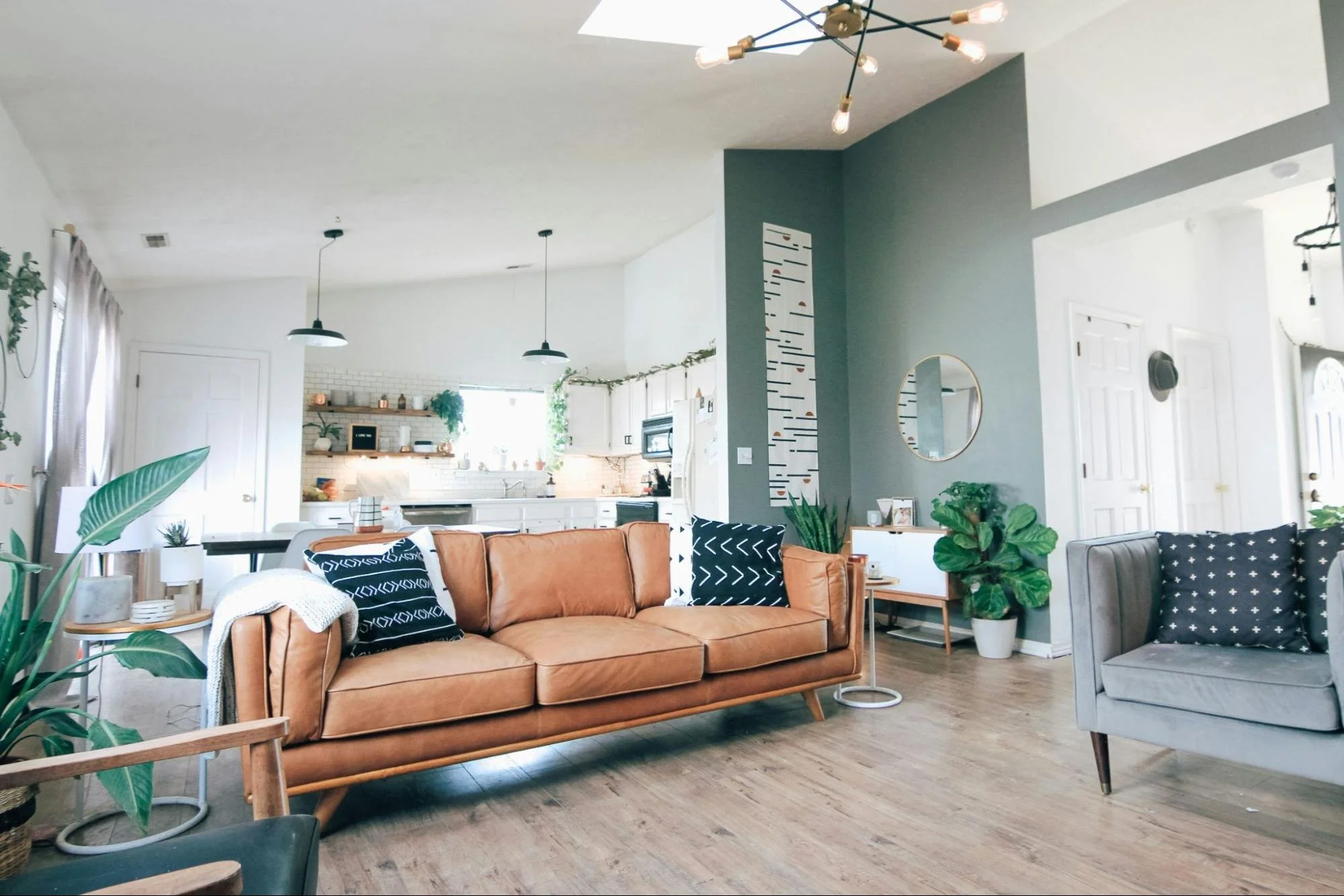
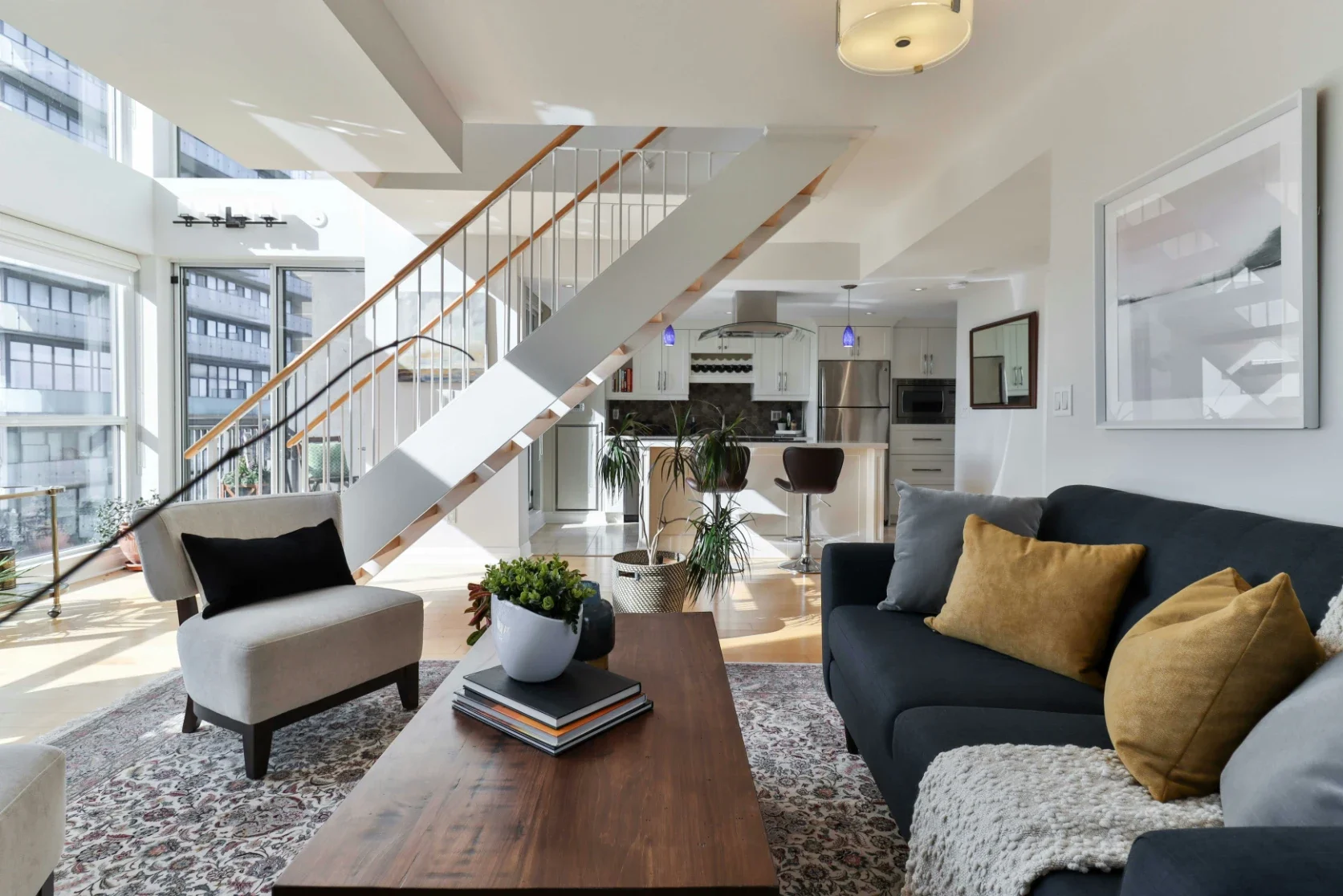
In a traditional living room, walls naturally define the seating area. In an open concept layout, your sofa often becomes the visual divider. That means its shape, size, and placement affect more than just the living room. They affect the flow of the entire space.
Before choosing a sofa, step back and think about how the room functions as a whole. Where does the living area begin? Where does it transition into the kitchen or dining space? How do people move through the room every day?
A good sofa should help define the living zone without blocking movement or making the space feel closed off. It should create a sense of structure while still allowing the room to breathe.
2. Choose a Size That Grounds the Room Without Overpowering It
Open concept rooms can be misleading. Because they feel bigger and more open, many people assume they need a very large sofa to “fill” the space. But in reality, oversized furniture can easily throw off the balance of the room.
The right sofa should feel substantial enough to anchor the seating area, but not so bulky that it dominates the entire layout. In open spaces, proportion matters more than people expect.
A sofa that is too small can make the room feel unfinished and disconnected. One that is too large can interrupt flow, crowd pathways, and make the entire area feel heavier than it should.
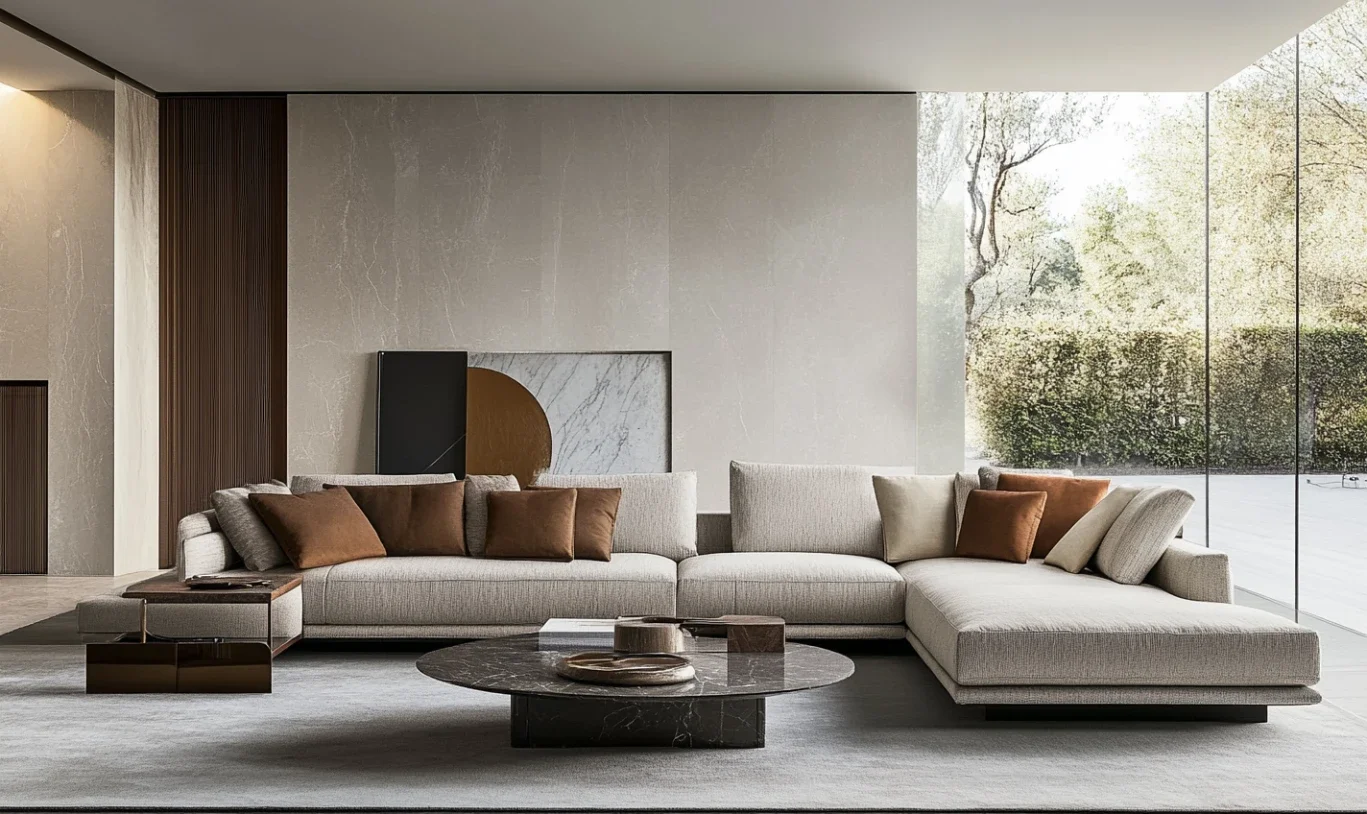
This is why many homeowners now prefer cleaner, more adaptable seating options that feel relaxed and modern without unnecessary bulk. For people looking for that kind of approach,The Boneless Couch offers seating designed around comfort, flexibility, and a lighter visual presence that suits contemporary spaces especially well.
3. Use the Sofa to Create Natural Zones
A great open concept room does not feel like one big undefined space. It feels intentional. The best way to create that feeling is by using furniture to establish natural zones.
The sofa plays a major role in that.
In many open layouts, placing the back of the sofa toward the dining or kitchen area helps define the living zone without using walls. This makes the seating area feel anchored while still keeping the room visually connected.
That is why the shape and orientation of the sofa matter so much. You are not just choosing where people will sit. You are choosing how the room will be read.
A sofa can:
separate the living room from the dining space
frame the conversation area
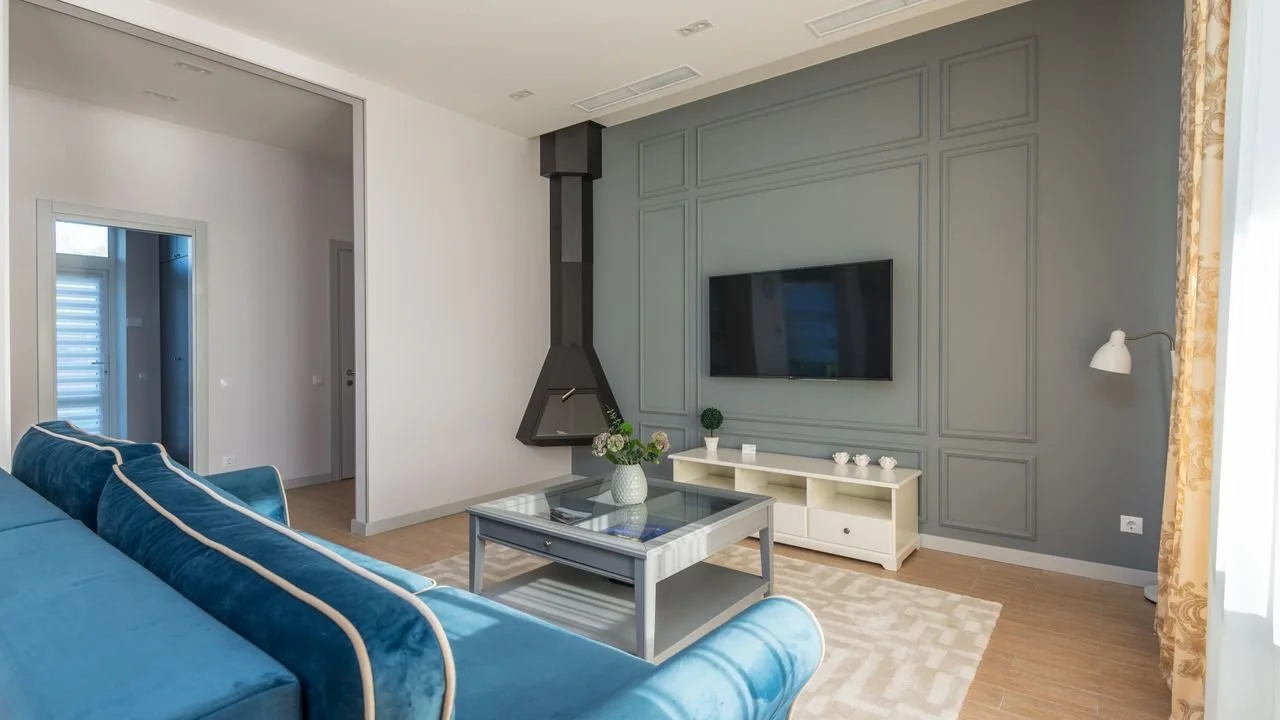
direct attention toward a focal point like a TV wall, coffee table, or fireplace
help the room feel organized rather than scattered
The more open the layout, the more important this becomes.
4. Flexibility Matters More in Open Concept Homes
One of the biggest advantages of an open concept room is flexibility. Furniture can often be rearranged more easily, and the space can adapt as your needs change. But that only works if the pieces you choose are flexible too.
That is where modular seating can be especially useful.
Unlike fixed furniture that locks you into one setup, modular designs give you more freedom to adjust the layout over time. You may want a different arrangement for entertaining. You may move to another home with a slightly different floor plan. You may simply want to refresh the room later without starting over completely.
In all of those situations, adaptable furniture becomes far more practical.
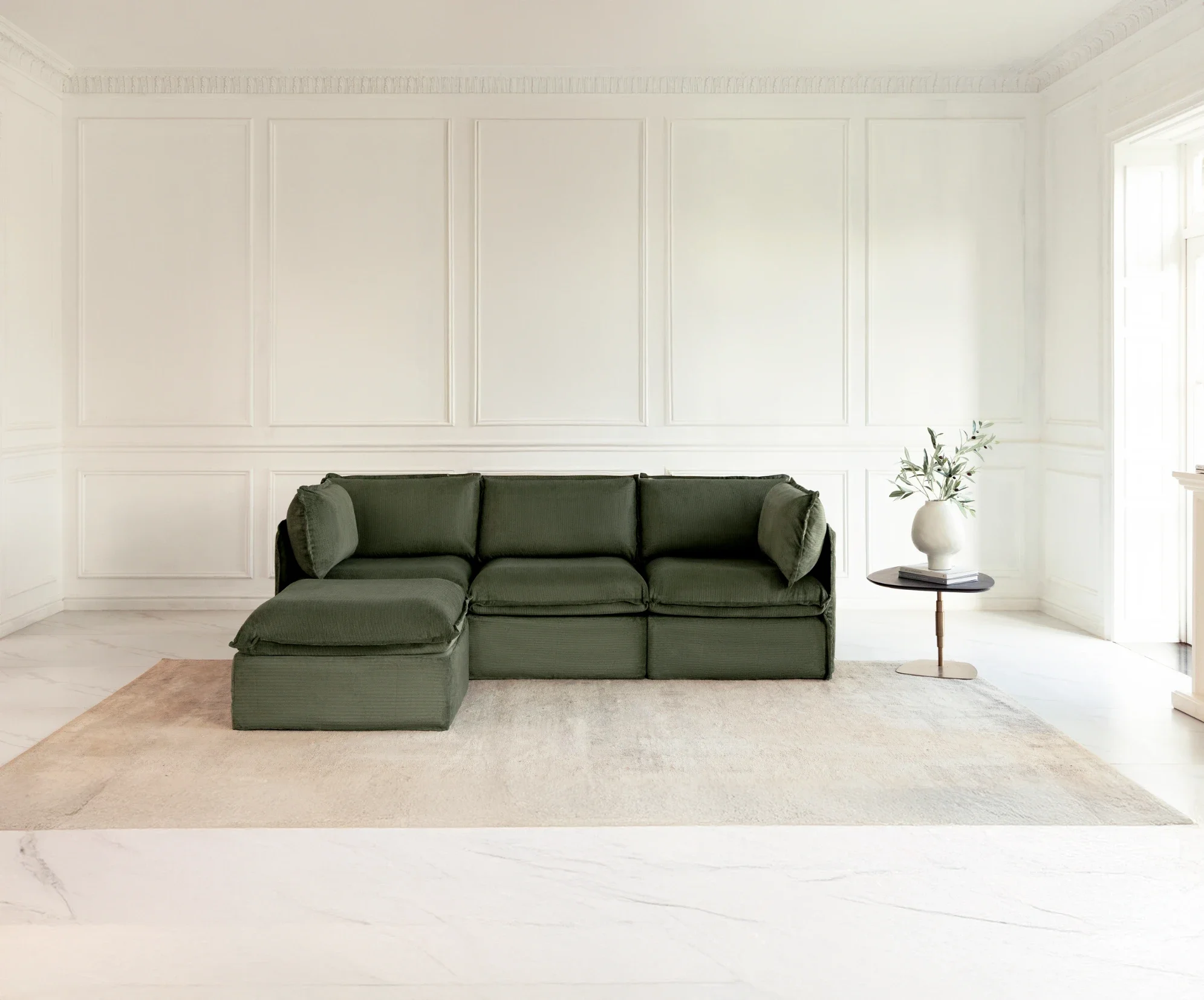
If flexibility is high on your list, it makes sense to explore modular sofa options that can work with the room rather than forcing the room to work around them.
5. Consider Traffic Flow From Every Angle
In an open concept room, traffic flow is everything.
People may be walking from the kitchen to the dining area, from the hallway into the living room, or across the space throughout the day. A poorly placed sofa can quietly create frustration by interrupting those natural pathways.
That is why it is not enough to ask whether a sofa fits physically. You also have to ask whether it allows the room to function comfortably.
When evaluating a sofa, think about:
how much walking space remains around it
whether it blocks natural movement between zones
whether it makes the room feel easy to navigate
whether the seating arrangement encourages comfort without creating congestion
A good open concept layout feels intuitive. You should be able to move through the space naturally, without squeezing around furniture or feeling boxed in.
6. Pick a Shape That Suits the Way You Live
There is no single best sofa shape for every open concept room. The right choice depends on how you use the space.
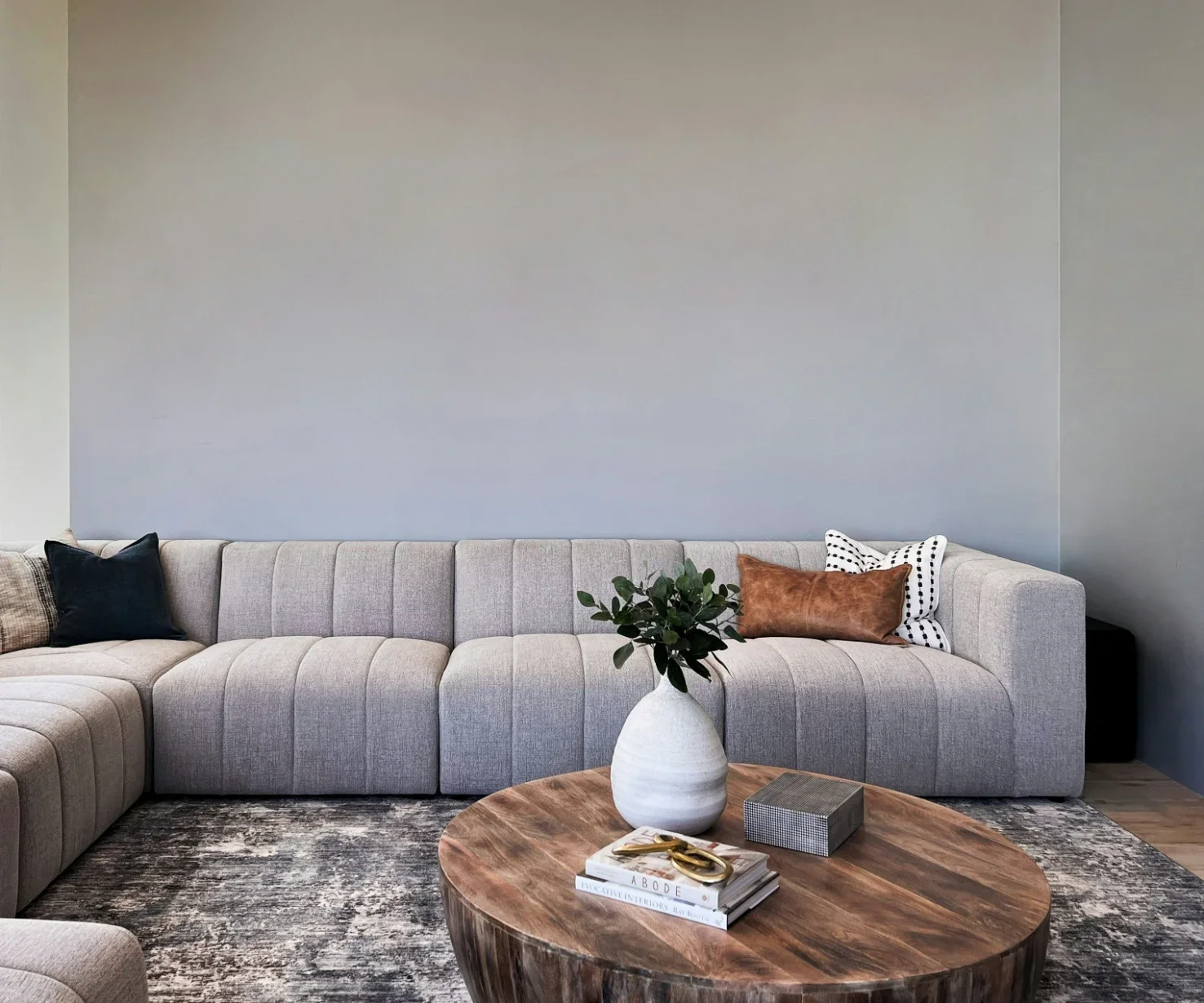
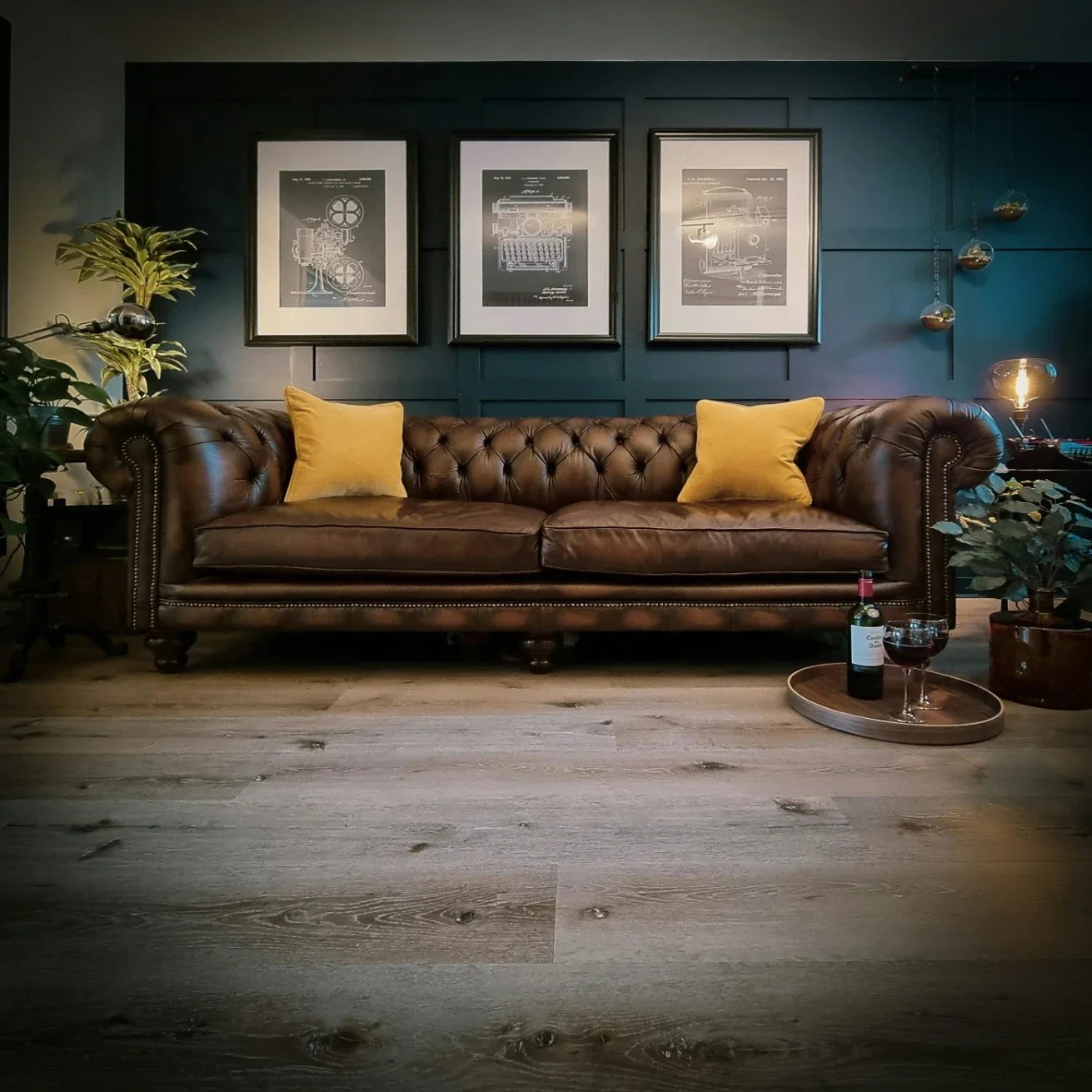
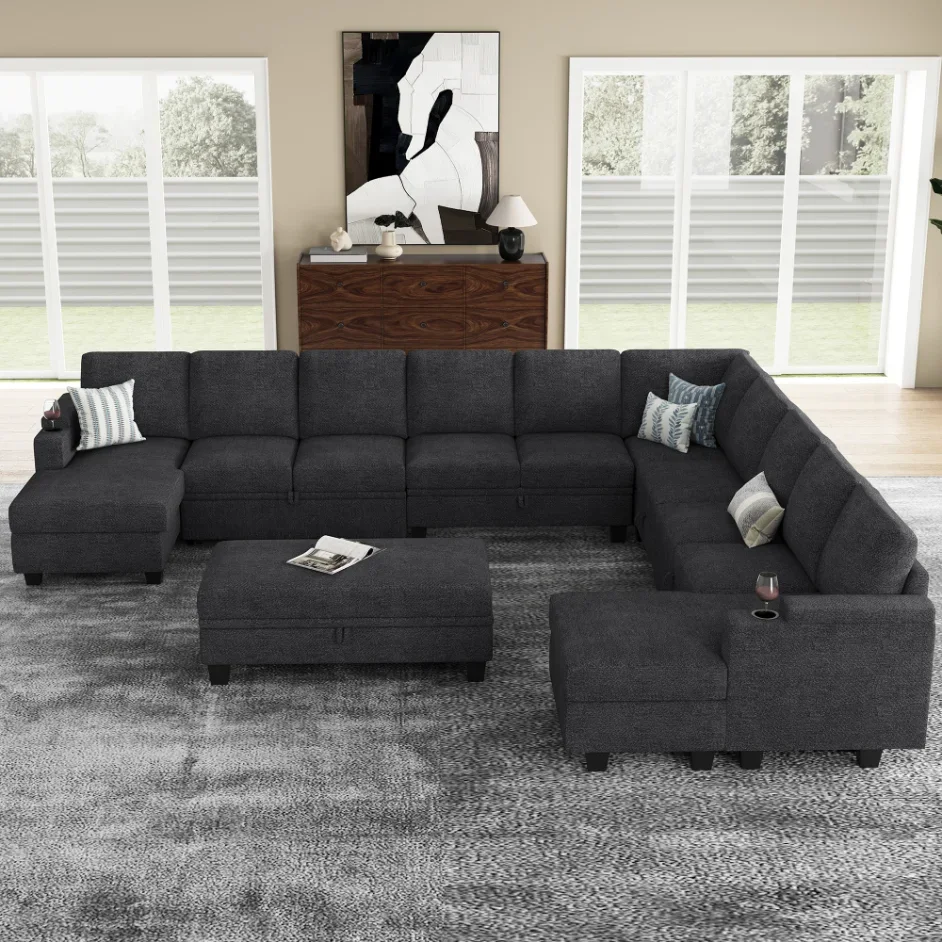
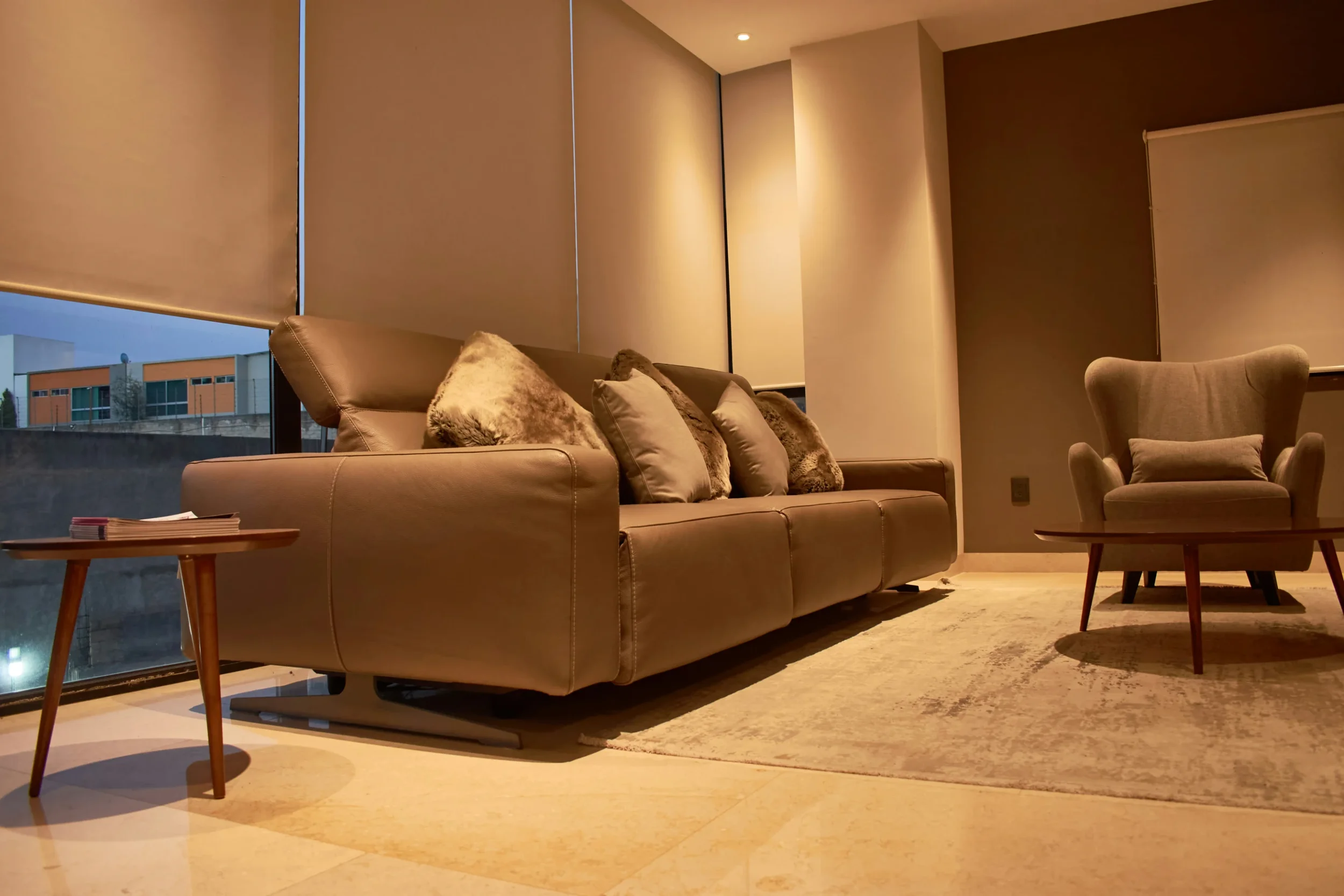
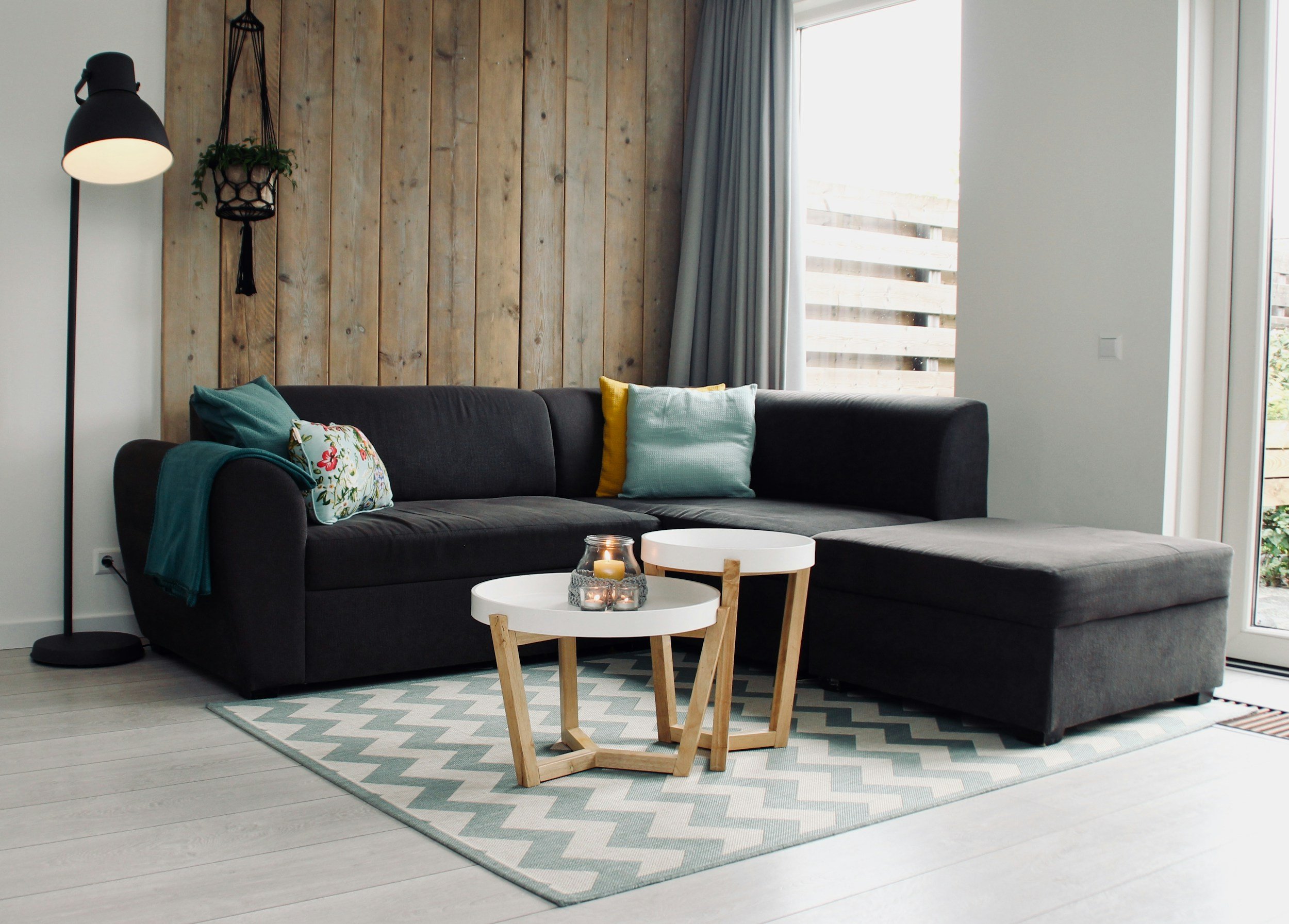
For some homes, a long straight sofa works beautifully because it keeps the room feeling open and simple. In other layouts, an L-shaped or sectional-style setup may do a better job of defining the living area and making the seating zone feel more complete. The difference is in the edges: a straight sofa marks one boundary of the seating area with its back, while a leather L-shaped couch turns the corner and marks a second, so the L does its best work in layouts where the living zone sits open on two sides.
The best choice often comes down to lifestyle.
Ask yourself:
Do you host often?
Do you like to lounge and stretch out?
Do you need to define the room more clearly?
Is the living room mainly for everyday relaxation, or does it also need to handle guests and gatherings?
Open concept furniture should not just look good in a photo. It should support the way you actually live.
7. Think About Visual Weight, Not Just Dimensions
Two sofas can have almost the same measurements and still feel completely different in a room.
That is because visual weight matters just as much as size.
Some sofas feel heavy because of their structure, shape, or overall look. Others feel lighter, softer, and more relaxed, even when they take up a similar footprint. In open concept spaces, this makes a real difference.
Because the room is visually connected, heavy-looking furniture can make the space feel more crowded than it really is. Softer, more streamlined seating often blends better into the environment and helps the room stay open and cohesive.
That balance is important when your sofa is visible not only from one angle, but from multiple parts of the home.
8. Make Sure the Sofa Connects With the Whole Room
In an open concept space, the living room does not stand alone. It is part of a larger visual story.
That means your sofa should work not just with the rug and coffee table, but also with the kitchen finishes, dining furniture, wall colors, and overall mood of the space. It does not need to match everything exactly, but it should feel like it belongs.
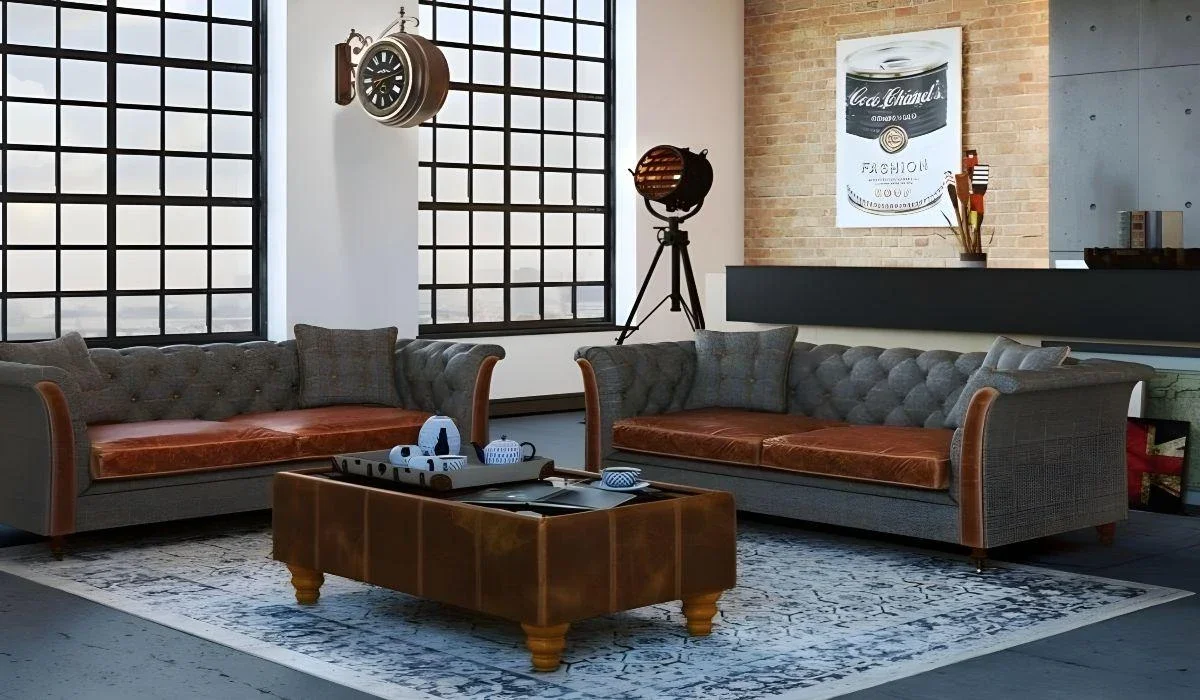
This is where thoughtful color, texture, and silhouette come in. A sofa that feels too formal, too bulky, or too visually disconnected can break the flow of the room. One that feels balanced and intentional helps tie everything together.
The best open concept spaces usually feel unified without being overly coordinated. The sofa should support that feeling.
9. Prioritize Everyday Comfort
It is easy to get focused on layout and forget the obvious: a sofa still needs to be genuinely comfortable.
No matter how good it looks in the room, it will not be the right choice if it does not feel inviting in daily life. In most homes, the sofa is where people unwind, watch movies, read, spend time with family, or simply relax after a long day.
That is why comfort should always remain part of the decision.
A well-chosen sofa in an open concept room should do three things at once:
look right in the space
support the layout of the room
feel good enough to use every day
When all three come together, the room starts to work not just visually, but practically.
Final Thoughts
Choosing the right sofa for an open concept living room is about more than style. It is about creating structure, supporting flow, and making the space feel comfortable and complete without losing the openness that makes this type of layout so appealing.
The right sofa can define the living area, improve how the room functions, and bring warmth to a space that might otherwise feel too exposed or undefined. That is why it helps to think beyond trends and focus on what the room truly needs: the right proportions, the right shape, flexible design, and real everyday comfort.
In open concept homes, furniture has to do more. And when chosen well, the sofa becomes more than just a place to sit. It becomes the piece that helps the entire space make sense.
Stay up to date with our latest ideas!