Residential Painting: What Actually Happens From Estimate to Final Walkthrough
Learn what happens during a residential painting project from the initial estimate to the final walkthrough, including preparation, painting, and inspection.
Most homeowners only ever see two days of a paint job. The day someone shows up to give an estimate, and the day the crew packs up. Everything in between stays a mystery, and that mystery is where the frustration lives. The budget surprises. The "wait, they're already done?" moments. The nagging feeling you couldn't tell a thorough crew from a fast one.
Knowing the stages fixes most of that. Quotes get easier to compare, and shortcuts get easier to spot. Because here's the thing: the better crews all run some version of the same playbook. It's the process behind the residential painting Louisville homeowners keep recommending to their neighbors, and it breaks down into six stages.
Stage 1: The estimate
A real estimate starts with someone walking your actual house. Measuring rooms or siding, pressing a thumb into soft trim, asking about that water stain on the ceiling. If a number gets quoted over the phone without anyone seeing the place, that number is a guess wearing a suit.
The written version should spell out what you're buying: how much prep, which product line, how many coats, and a rough timeline. When two quotes land far apart, the difference is almost always hiding in the prep line. One crew plans to fix the surface. The other plans to paint over it.
Stage 2: Colors and products
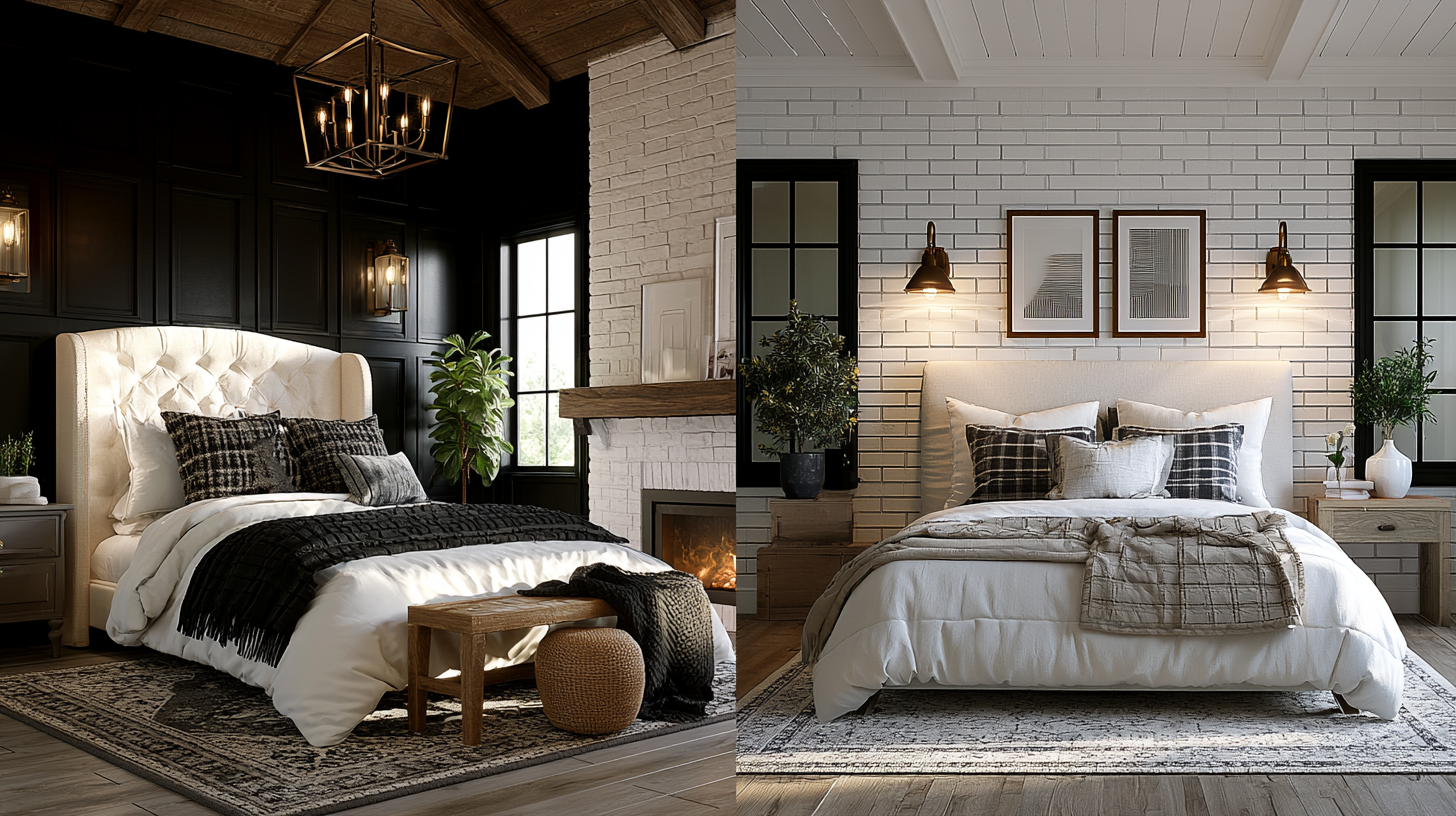
Next comes the decision most people think is the whole job. Pick colors from big painted samples on your own wall, not from chips under store lighting, and live with them for a few days before committing. This is also when sheen gets decided, room by room and surface by surface. Your crew should have opinions here. Use them. They've watched hundreds of colors dry.
One habit worth copying from the pros: write down the exact color name, code, and sheen for every surface before the job starts. Tape the list inside a closet door. Two years from now, when the hallway needs a touch-up, that scrap of tape will be worth more than the leftover paint.
Stage 3: Prep, where the job is won or lost
This stage takes the longest and shows the least. Washing, scraping, sanding, patching, caulking gaps, priming bare or stained spots, then masking everything that isn't getting painted. Nobody drives past your house and admires the caulk lines. But skip this stage and the new paint fails early, no matter how good the paint was.
One thing worth asking about if your home was built before 1978: federal rules require contractors who disturb paint in those homes to be lead-safe certified firms, trained to keep lead dust contained. Any pro working on older homes gets this question all the time. Ask it anyway.
Stage 4: Paint days
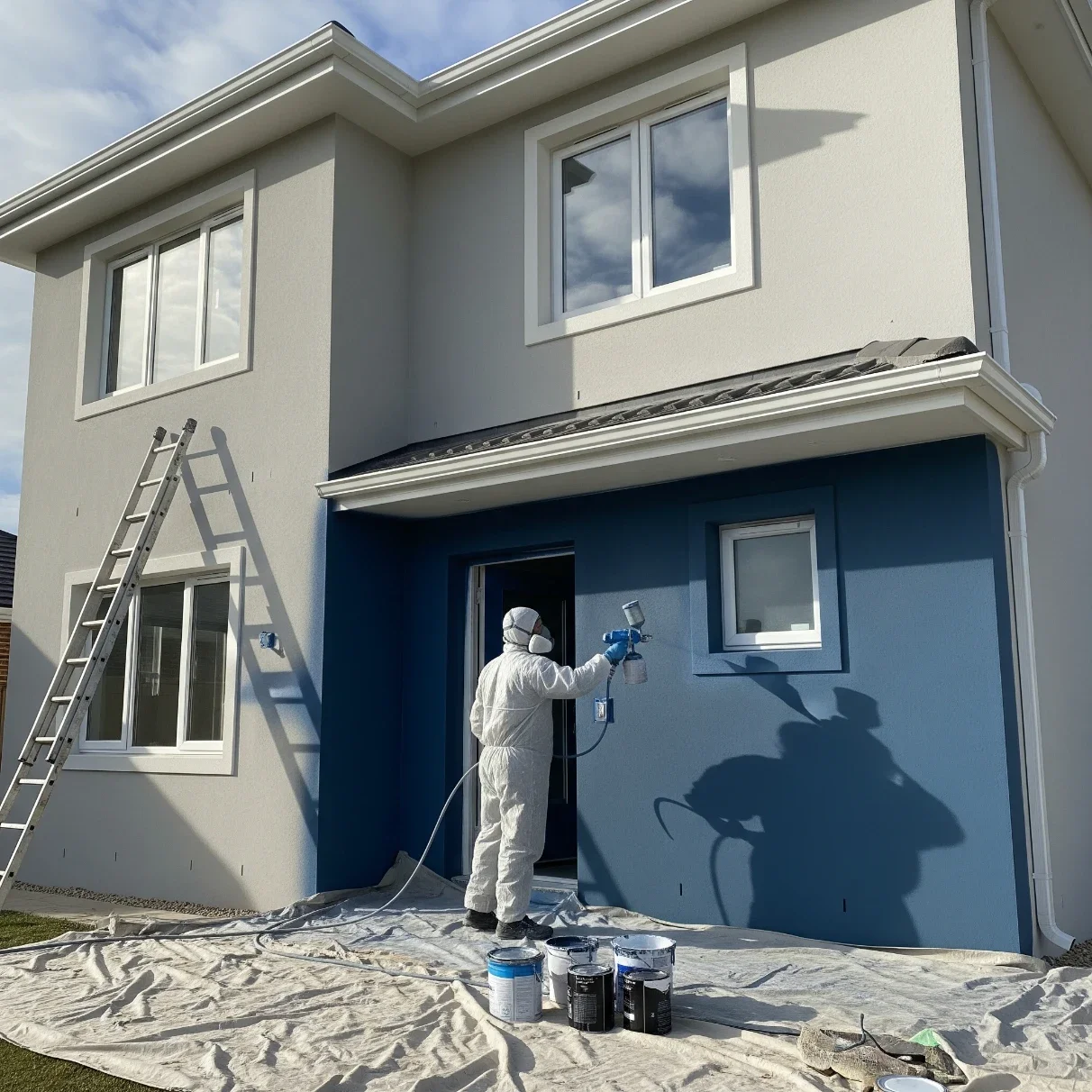
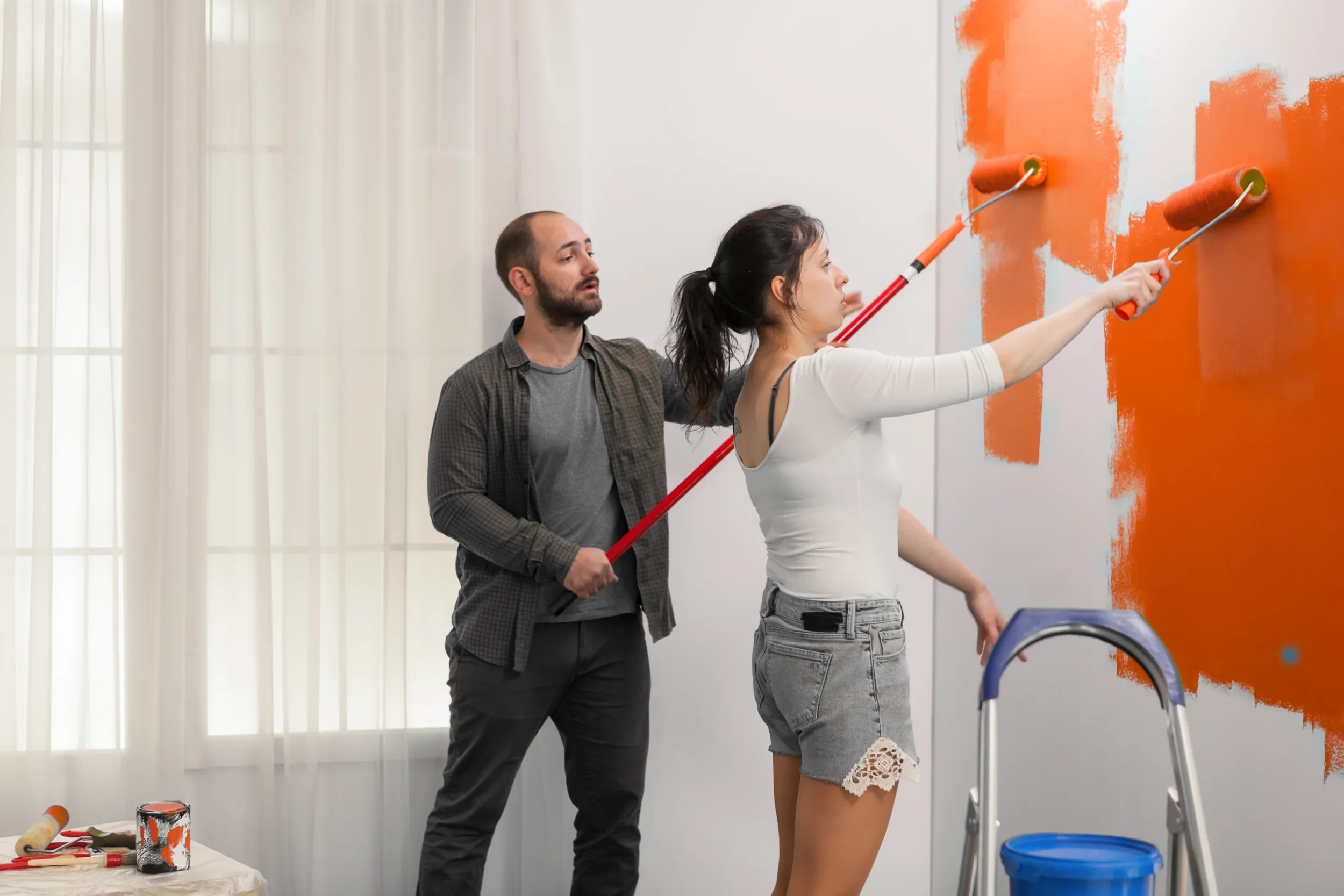
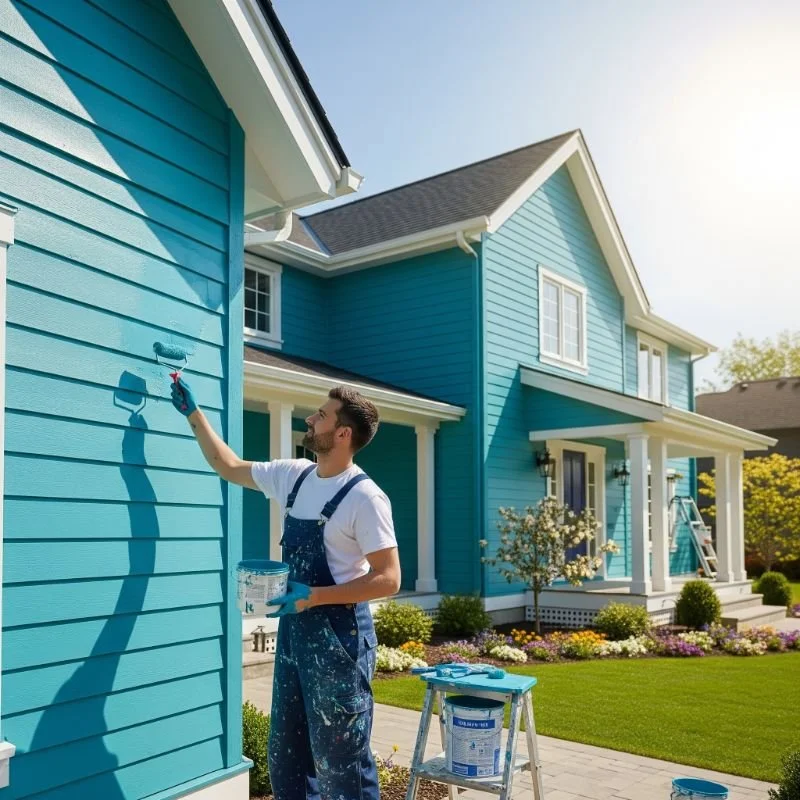
The part you pictured. Inside, the order usually runs ceilings, then walls, then trim, so drips always land on an unfinished surface. Outside, it's body first, trim after, and the schedule bends around weather. A good crew would rather lose a day than paint siding ahead of rain, and you want that crew.
For interior work, expect open windows and running fans even if you picked a low-odor paint. The EPA's standing advice is to increase indoor ventilation whenever paint products are in use, since fumes concentrate indoors. Your job during this stage is small but real: pets somewhere calm, cars out of the driveway, and someone reachable by phone when a question comes up. One will.
Stage 5: Cleanup and touch-ups
Two kinds of cleanup happen on a well-run job. The daily kind, where tools get corralled and walkways get cleared every evening. And the final kind, where masking comes down, outlet covers go back on, and the site gets hauled out. Before they leave, the crew should hand over labeled touch-up paint for every color used. Put it somewhere you'll remember. Future you says thanks.
Stage 6: The final walkthrough
The last stage is a slow lap around the work with the crew lead and a punch list. Check edges at eye level. Look down long walls in raking light, where flaws show. Open every painted window and door to make sure nothing got sealed shut. Anything that's off goes on the list and gets fixed before final payment.
A confident crew wants you looking closely, because touching up three small misses today beats a callback next month. That's the difference you're paying for with the residential painting Louisville residents rate highest: the walkthrough is built into the schedule, not squeezed in at the truck door.
None of this is complicated. It's just rarely explained. And once you know the shape of a good job, the crews that follow it have a way of standing out before a single can gets opened.
FAQs
How long does a typical job take?
A couple of rooms usually wrap in a day or two. A whole interior can run most of a week, and exteriors depend heavily on prep and weather. Whatever the answer, it should be in writing on your estimate.
Do I need to be home while the crew works?
Usually not, once access is sorted. Most homeowners are around for the first morning and the final walkthrough, and reachable by phone in between. That's plenty.
What should I do with furniture?
Clear the small stuff: electronics, lamps, wall art, breakables. Crews typically shift and cover the heavy pieces themselves. Confirm who handles what before day one so nothing gets assumed.
I found a missed spot after the crew left. Now what?
Call them. Reputable outfits treat small touch-ups as part of the job, not a favor, and many back their work with a written warranty. This is also why the walkthrough matters. Most misses get caught right there.
Should I buy the paint myself to save money?
Usually it backfires. Crews buy at contractor pricing, they know which lines behave, and if the product fails, the responsibility stays with them. Supply your own and you've quietly taken that responsibility back.
Is the lowest bid a bad sign?
Not automatically, but read the prep section before you celebrate. A low number with thin prep isn't a deal. It's a shorter countdown to doing the whole thing again.
Stay up to date with our latest ideas!