How to Fix and Prevent Garage Door Rust
Learn how to fix and prevent garage door rust with simple maintenance tips, protective coatings, and strategies to extend your door's lifespan.
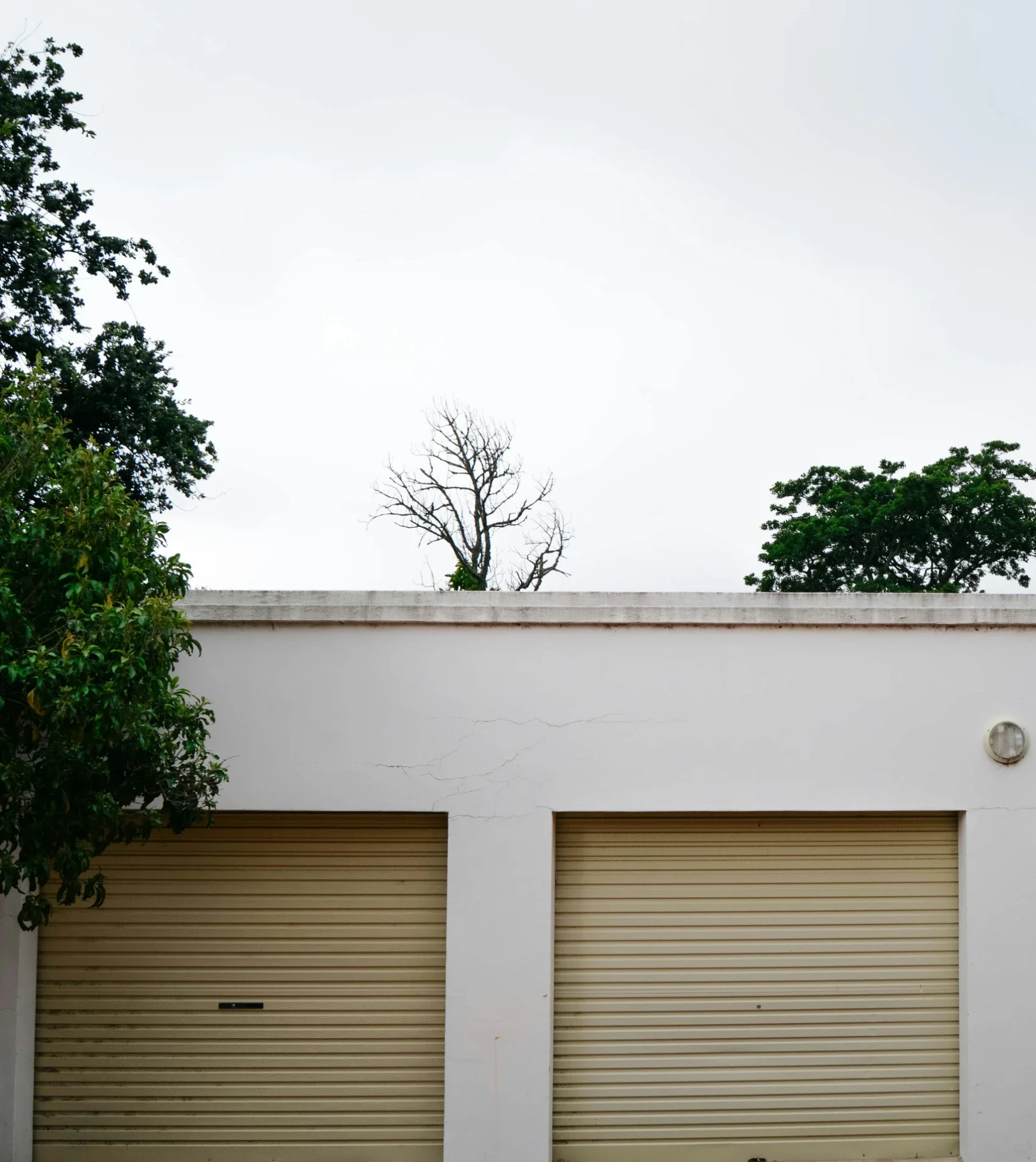
Your garage door isn’t just a functional entryway—it’s a major component of your home’s curb appeal. However, because it faces constant exposure to rain, snow, humidity, and even road salt, it’s a prime target for a homeowner’s worst enemy: rust.
Those first orange or brown spots, usually along the bottom panel where water tends to collect, might seem harmless at first. But ignoring them can lead to serious consequences. Surface rust can eventually eat through the steel, weakening the door, compromising your home’s security, and ultimately necessitating an expensive full-door replacement.
The good news? Catching rust early means you can repair it yourself in a single weekend. Here’s a comprehensive guide to identifying, treating, and preventing rust on your garage door.
Why Is Your Garage Door Rusting?
Steel garage doors are designed with a protective zinc coating (galvanization) and a factory paint finish. These layers are meant to keep moisture and oxidation away from the metal. Over time, though, this defense can wear down, leaving the steel vulnerable.
Common causes of rust include:
Bottom-Panel Moisture: Rainwater, melting snow, and morning dew often pool at the base of the door. Prolonged exposure keeps the metal damp, creating ideal conditions for corrosion.
Road Salt & Coastal Air: Salt is highly corrosive. Homeowners in snowy regions or near the ocean face higher rust risks because salt accelerates oxidation.
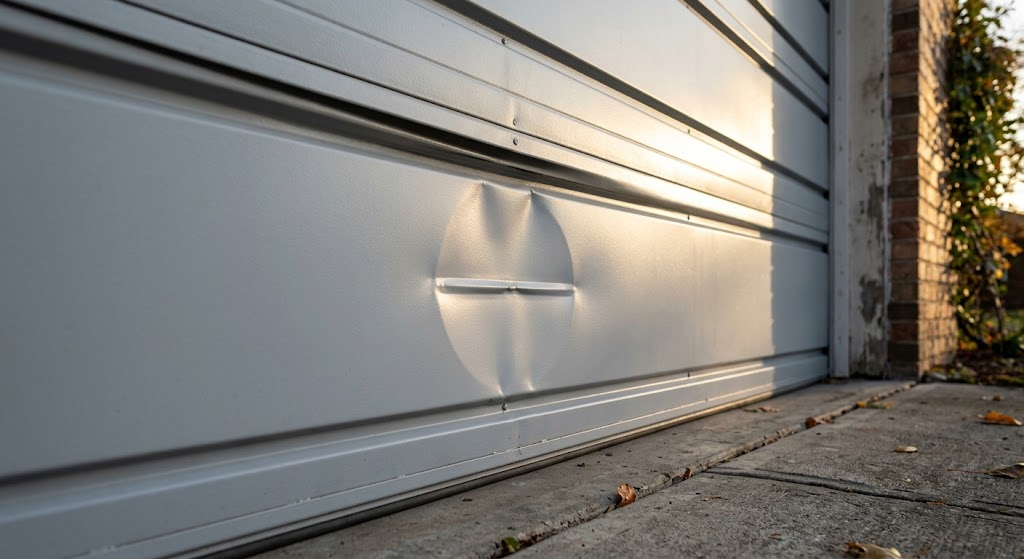
Friction, Dings, and Scratches: Every time the door opens and closes, panels flex slightly. Small chips from rocks, lawn equipment, or accidental impacts expose raw steel, which rusts quickly.
Poor Maintenance: Dirt, leaves, and debris can trap moisture against the door surface, further promoting corrosion.
Understanding the cause is the first step toward long-term prevention.
Step-by-Step: How to Repair Garage Door Rust
If the rust hasn’t created holes or compromised structural integrity, you can restore the door yourself using basic tools and supplies.
What You’ll Need
Mild dish soap or a degreasing cleaner
Wire brush and fine-grit sandpaper (120–220 grit)
Cloth soaked in white vinegar (for rust neutralization)
Rust-inhibiting, zinc-rich exterior primer
High-quality exterior oil-based or 100% acrylic latex paint
Painter’s tape, drop cloths, and protective gloves
1. Clean the Surface Thoroughly (15–20 mins)
Begin by washing the rusted sections with warm water and dish soap or a degreasing solution. This removes dirt, grease, and any salt residues that could interfere with repairs. Rinse thoroughly and allow the area to dry completely before proceeding. A clean surface ensures better adhesion for the primer and paint.
2. Scrape and Sand Away Rust (30–45 mins)
Use a wire brush to remove loose paint flakes and the bulk of the rust. Then, smooth the edges with fine-grit sandpaper, working down to bare metal. Make sure the transition between the treated area and intact paint is seamless. This prevents paint from peeling later.
Tip: For stubborn rust spots, you can use a rotary wire brush attachment on a drill to save time and effort.
3. Neutralize Remaining Rust with Vinegar (10 mins)
Even after sanding, tiny rust particles may remain. Dampen a cloth with white vinegar and wipe the sanded area. The mild acid neutralizes any lingering rust. Afterward, use a clean, dry cloth to remove excess moisture.
4. Apply Rust-Inhibiting Primer (20 mins + Drying)
Mask off surrounding areas with painter’s tape to avoid overspray. Apply a zinc-rich, rust-inhibiting primer designed for exterior metal. This step seals the steel from oxygen and moisture, giving your paint a solid foundation.
Pro Tip: Apply thin, even coats rather than a thick layer. Allow full drying time as recommended on the product label before painting.
5. Paint the Panels (1–2 hours)
Choose a high-quality exterior paint that matches your door’s color or use this opportunity to refresh the look. Apply two coats, letting each coat dry thoroughly. Oil-based paints generally offer better adhesion and durability, but 100% acrylic latex paints are more flexible and resistant to cracking.
Proactive Strategies to Prevent Future Rust
Fixing rust is only half the battle. Preventing it from returning is the key to saving money and maintaining your door’s appearance.
Regular Inspections and Washing: Wash your garage door at least twice a year with mild soap. In areas that experience winter road salt, wash it in the spring to remove corrosive residues.
Check Weatherstripping: The bottom rubber seal (astragal) keeps water out. Replace it if cracked, flattened, or missing to prevent pooling against the bottom panel.
Clear the Perimeter: Ensure soil, mulch, or gravel isn’t piled against the door. Maintaining a small clearance zone allows air circulation and reduces moisture buildup.
Touch-Up Paint: Keep leftover paint and primer handy. Address any chips or scratches promptly to prevent rust from starting.
Lubricate Moving Parts: Hinges, rollers, and tracks don’t directly affect rust, but smooth operation reduces flexing and accidental paint chipping.
When to Call a Pro: If pressing on the rusted area causes the metal to crumble or feel paper-thin, the structural integrity is compromised. Patch kits won’t safely hold, and a professional replacement of the damaged panel is required.
By following these steps, you can protect your garage door from rust, maintain your home’s curb appeal, and save on costly repairs in the long run. A little attention each year prevents big problems down the road.
Don’t Forget the Garage Door Opener
While most rust issues focus on the panels themselves, your garage door opener plays an indirect role in rust prevention. A properly functioning opener ensures the door moves smoothly along its tracks, reducing unnecessary flexing or scraping that can chip paint and expose steel to moisture.
Check the opener regularly for signs of strain or misalignment. Doors that don’t open or close evenly can cause panels to rub against the track or ground, creating friction spots that are prone to rust. Lubricating the chain, screw, or belt drive, as well as the rollers and hinges, will keep movement smooth and minimize wear on painted surfaces.
Additionally, make sure the opener’s sensors and limit settings are correctly adjusted. If the door closes too forcefully or sits slightly above the ground when closed, water and debris can collect along the bottom edge, accelerating corrosion. A little maintenance on the opener goes a long way toward protecting the door itself.
Conclusion
Rust may start as a few small orange spots, but it can quickly grow into a costly problem if left untreated. By identifying corrosion early, removing rust properly, and protecting the metal with primer and paint, you can extend the life of your garage door and preserve your home’s appearance. Regular maintenance—such as washing the door, inspecting weatherstripping, and keeping your garage door opener and moving parts in good working order—plays an important role in preventing moisture buildup and future damage.
A little preventative care goes a long way. With routine inspections and prompt repairs, you can stop rust from spreading, avoid expensive panel replacements, and keep your garage door operating smoothly and looking its best for years to come.
Stay up to date with our latest ideas!