Bungalow Design Ideas: Style Your Bungalow Like A Pro
Explore bungalow design ideas to style your bungalow like a pro with smart layouts, cozy interiors, timeless decor, and functional living spaces.
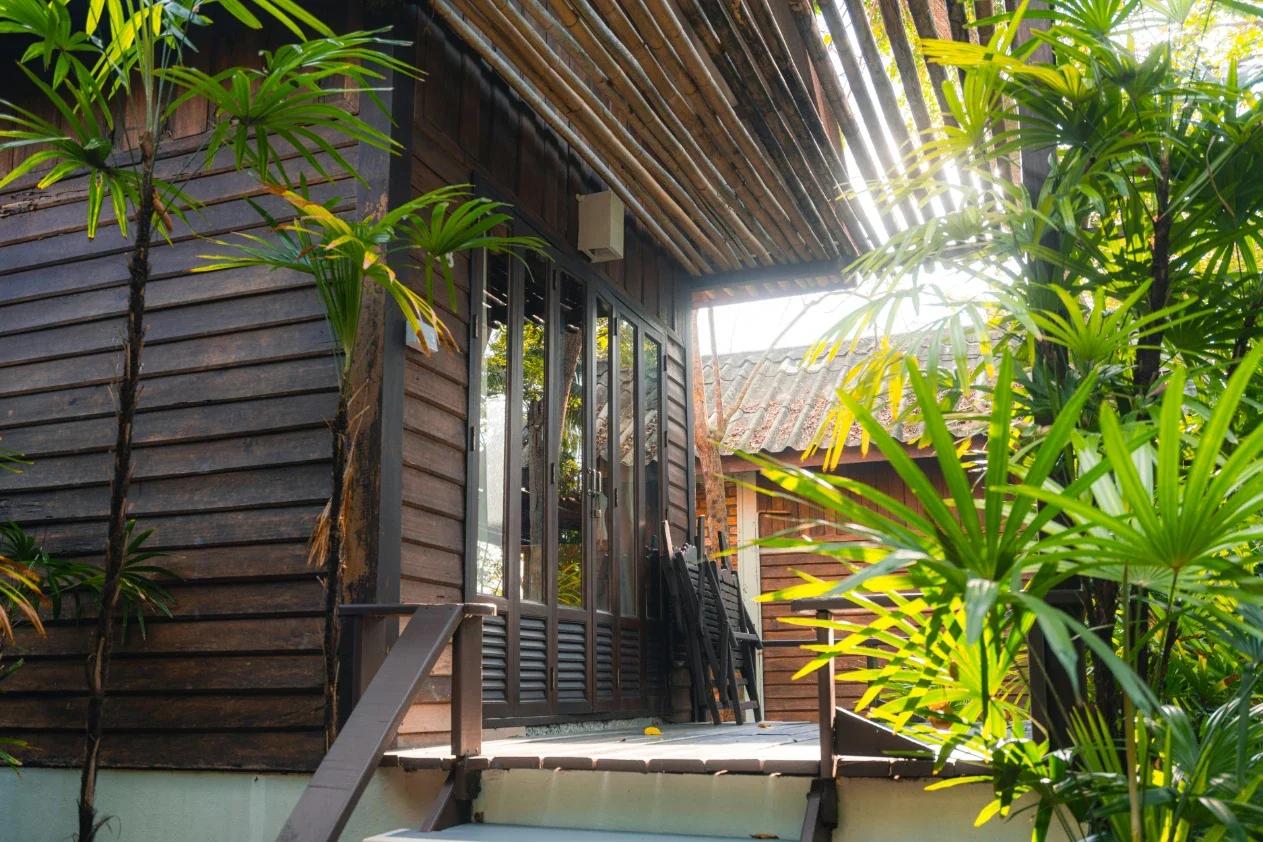
Bungalows have a special kind of charm because they feel grounded, welcoming, and easy to live in. Their single-level layout, cozy proportions, broad porches, and natural connection to the outdoors make them ideal for homeowners who want comfort without sacrificing style. Still, decorating a bungalow well requires more than filling rooms with pretty furniture.
The design needs to respect the home’s scale, flow, light, and character. With the right approach, a bungalow can feel open, layered, personal, and beautifully pulled together without losing the relaxed warmth that makes this home style so appealing.
Start With The Bungalow’s Natural Character
The smartest way to style a bungalow is to work with what the home already does well. These homes often have a low, welcoming profile, practical floor plans, and a strong relationship between indoor and outdoor living. Instead of fighting that simplicity, use it as the foundation for the design. A useful real-world example is a design guide that explains bungalow-style homes through features such as one-storey living, compact footprints, broad front porches, distinctive rooflines, and open living areas. That kind of framework is helpful because your bungalow design at home should begin with the architecture, not with a random trend.
Look at the bones of the space first. Are there exposed beams, built-ins, wide windows, original trim, or a fireplace? These details should guide the design direction. If the bungalow already leans Craftsman, natural wood, earthy colors, and handmade textures will feel right. If it has a more modern layout, lighter finishes, clean-lined furniture, and minimal clutter may suit it better.
The goal is not to make every bungalow look historic or rustic. It is to make the design feel connected to the structure. When the furniture, materials, colors, and lighting all respond to the home’s original character, the result feels intentional rather than decorated in pieces.
Keep The Layout Open, But Clearly Defined
Bungalows often benefit from easy movement between rooms, but open flow can become visually messy if each area has no clear purpose. A living room that blends into a dining area or kitchen needs subtle definition so the home feels calm instead of scattered.
Rugs are one of the easiest ways to create zones without adding walls. A large rug under the sofa and coffee table can anchor the living space, while a pendant light above the dining table marks the eating area. Furniture placement also matters. Floating a sofa slightly away from the wall can create a more conversational layout, especially in rooms where every piece is otherwise pushed to the edges.
Avoid blocking natural pathways. Bungalows feel best when movement is simple and intuitive. There should be enough room to walk from the entry to the living area, kitchen, bedrooms, and porch without squeezing around bulky pieces. Slim console tables, armless chairs, nesting tables, and built-in storage can help preserve floor space while still making rooms feel finished.
A professional-looking bungalow is not necessarily full of expensive furniture. It is full of furniture that understands the room.
Use Warm Neutrals With Natural Texture
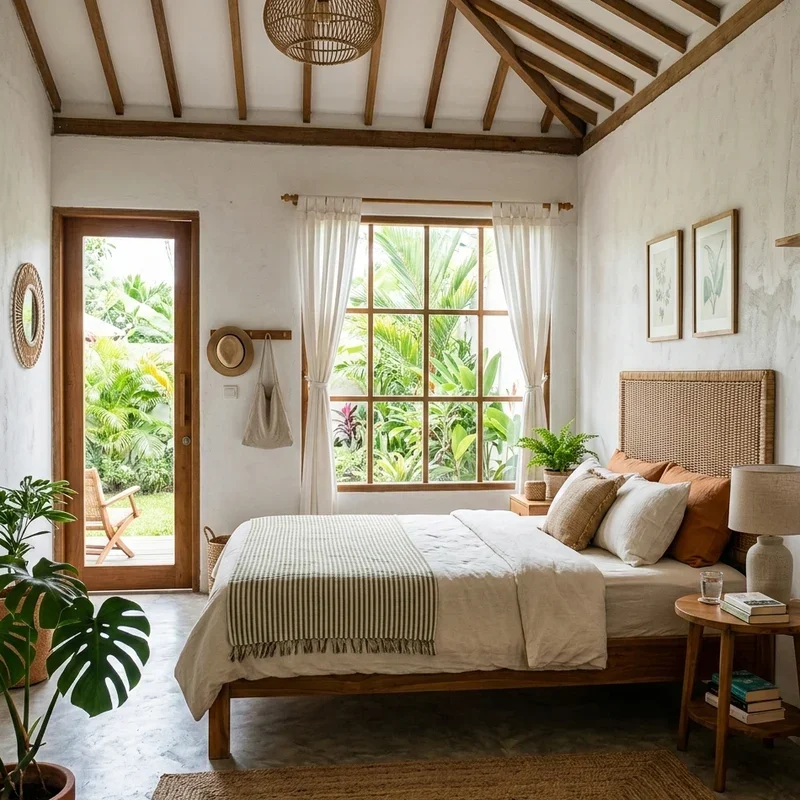
Color has a major effect on how a bungalow feels. Because many bungalows have compact rooms, heavy, dark colors on every wall can make the home feel smaller unless they are used very carefully. Warm neutrals are usually a safer and more flexible starting point. Cream, oatmeal, soft taupe, muted clay, pale sage, warm white, and gentle gray can make rooms feel calm while still adding personality.
The trick is to avoid making neutral rooms feel flat. Texture does the work here. Use linen curtains, woven shades, wool rugs, cane chairs, ceramic lamps, cotton throws, leather accents, and wood furniture to create depth. A neutral bungalow with layered texture can feel much richer than a room filled with loud colors but no material interest.
Natural materials are especially effective because they suit the grounded feeling of bungalow living. Wood, stone, rattan, brick, terracotta, and aged metal all bring warmth without overwhelming the space. Even small details, such as wooden picture frames, a jute runner, or handmade bowls on open shelving, can make the design feel more collected.
The best bungalow interiors feel relaxed, not overproduced. Texture helps create that lived-in beauty.
Make The Porch Part Of The Design
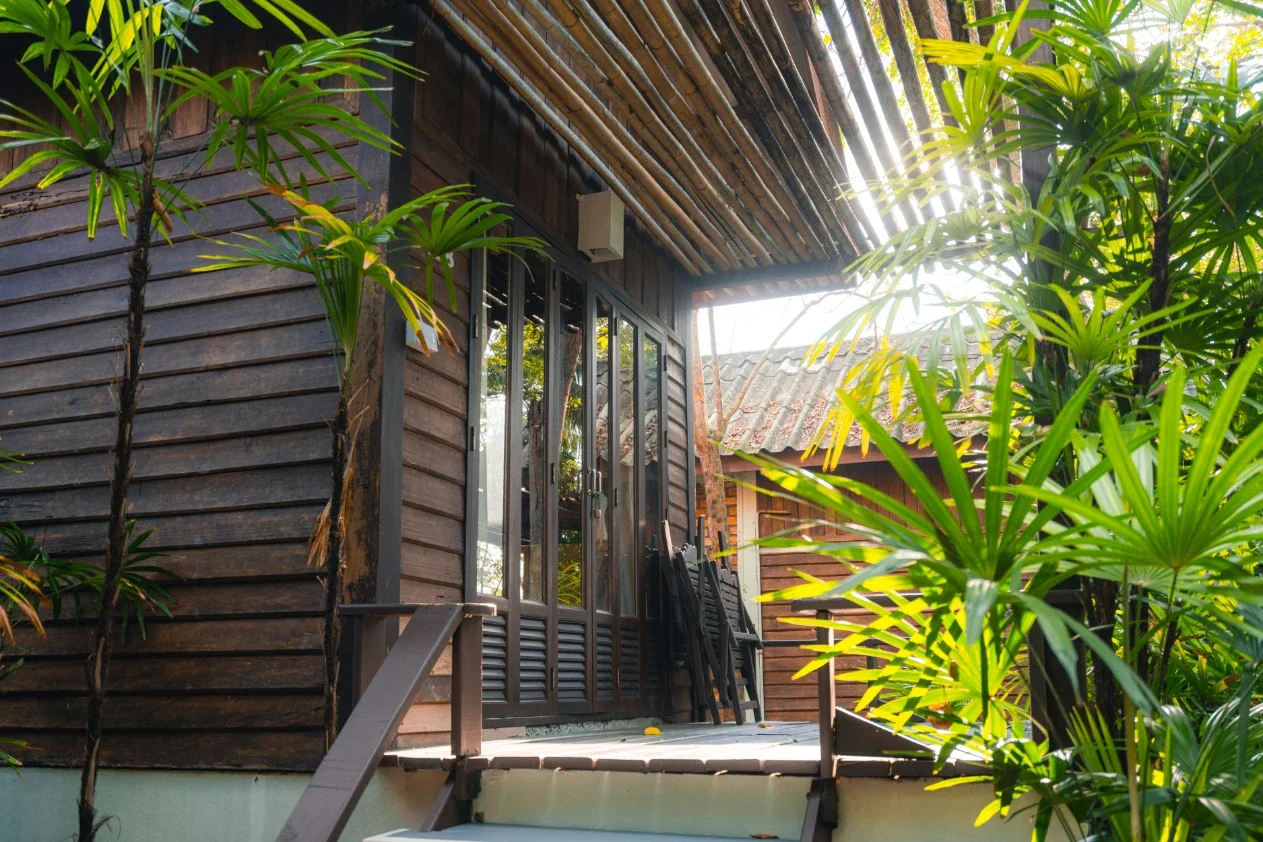
A bungalow porch should not be treated as an afterthought. In many homes, it is one of the defining features. It creates the first impression, softens the transition between outdoors and indoors, and adds valuable living space.
Start with seating that matches the porch size. A small porch may only need two chairs and a side table. A larger porch can handle a bench, outdoor rug, planters, lanterns, and layered cushions. The aim is to make the entrance feel welcoming without crowding the walkway.
Think of the porch as an outdoor room. Choose colors and materials that connect with the interior palette so the whole home feels consistent. If the living room uses warm woods and soft greens, repeat those tones through planters, cushions, or painted furniture outside. This creates a gentle visual flow before anyone even enters the home.
Lighting also matters. Wall sconces, string lights, or a simple pendant can make the porch feel inviting in the evening. Plants add another layer of life, especially when chosen to suit the climate and the home’s style.
A well-designed porch makes the bungalow feel larger, warmer, and more complete.
Choose Furniture That Fits The Scale
Bungalows can lose their charm quickly when furniture is too large. Oversized sectionals, heavy armoires, and deep dining chairs may look impressive in a showroom but feel awkward in a compact home. Proportion is everything.
Choose pieces that offer comfort without unnecessary bulk. Sofas with exposed legs feel lighter than boxy designs that sit directly on the floor. Round tables can soften tight dining areas. Wall-mounted shelves can provide storage without taking up valuable floor space. Beds with built-in drawers can help smaller bedrooms stay organized.
Scale does not mean everything must be tiny. A room still needs a few confident pieces to avoid looking unfinished. The balance comes from mixing one substantial anchor, such as a sofa or bed, with lighter supporting pieces. This keeps the room comfortable without making it feel cramped.
Pay attention to sightlines as well. Low-profile furniture can make ceilings feel higher and allow more light to move through the room. In a bungalow, where charm often comes from openness and ease, keeping views clear can make the entire home feel more spacious.
Wrapping Up
Styling a bungalow well means respecting its character while making every room feel practical, warm, and intentional. By balancing open flow, natural textures, porch charm, and properly scaled furniture, you can create a home that feels polished without losing comfort. The best design choices simply help the bungalow breathe beautifully.
Stay up to date with our latest ideas!