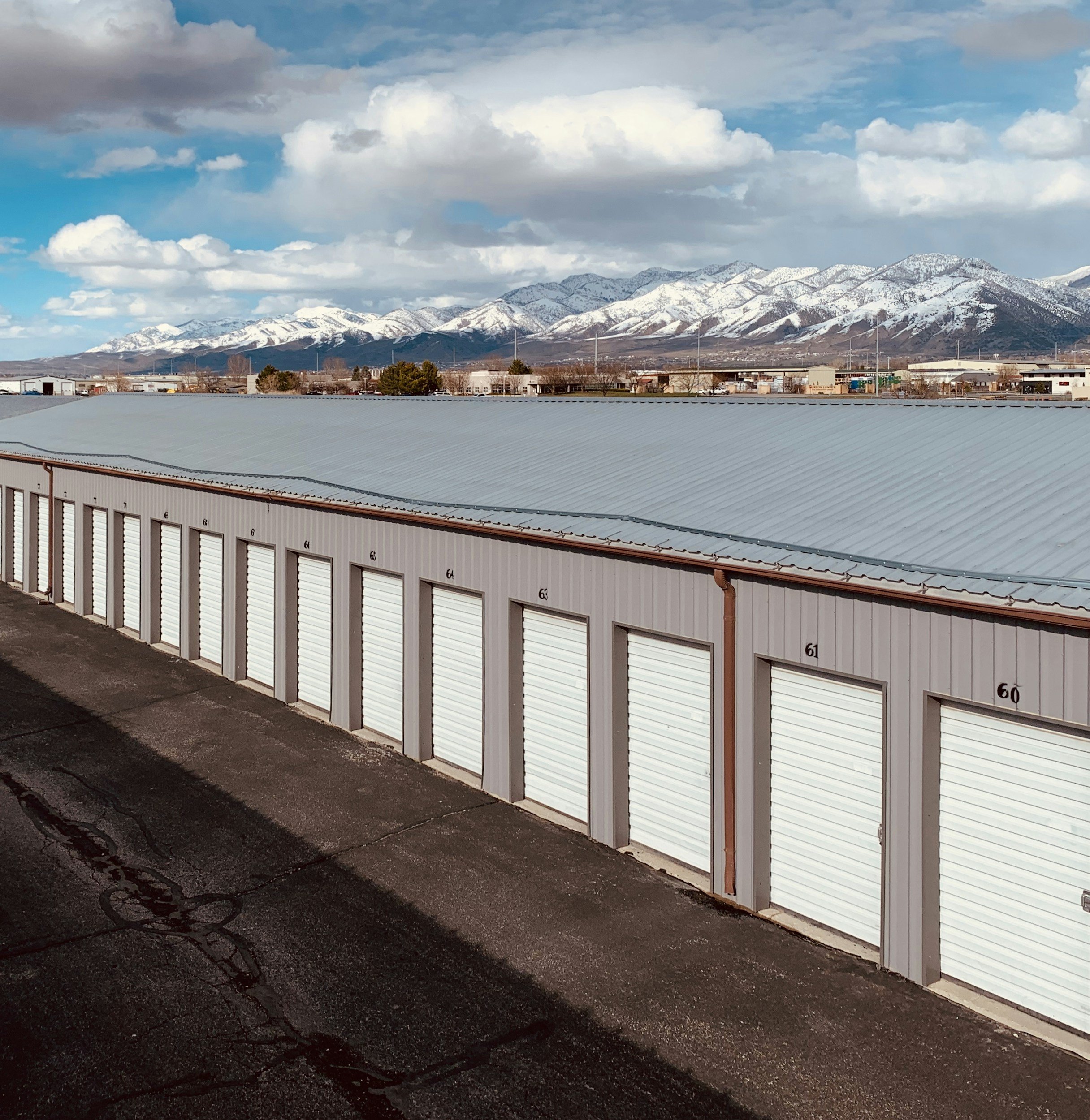
How Portable Self Storage Buildings Adapt to Changing Storage and Space Needs
Learn how portable self storage buildings adapt to changing space needs with flexible designs that support growth, relocation, and long-term convenience.
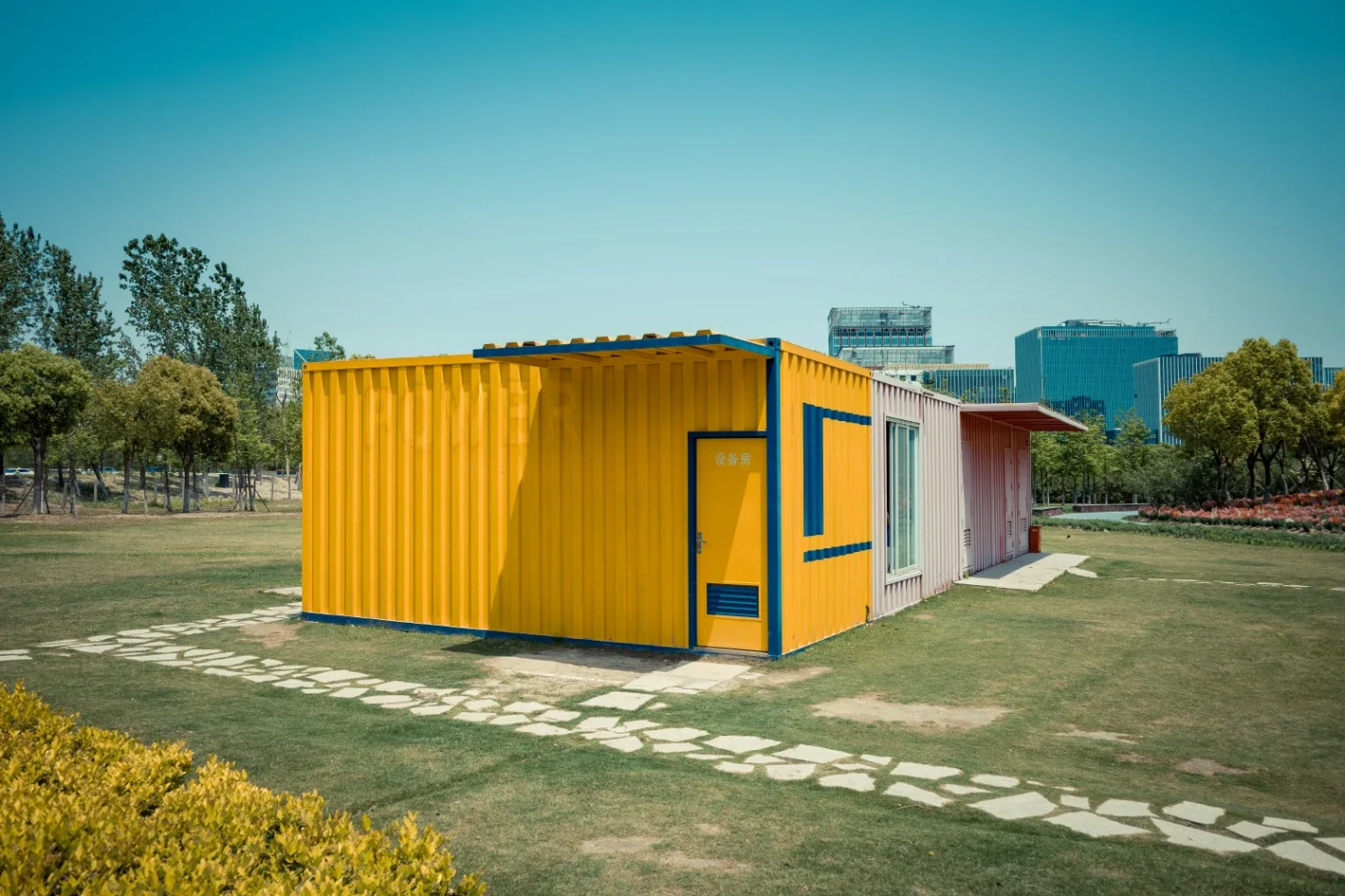
Whether due to renovations, living spaces getting smaller and smaller, or even seasonal changes, our storage needs are constantly evolving. What could be enough at the moment may not be six months from now, so we must adjust constantly.
The challenge is to find an equally adjustable solution for these shifts and growing needs. One that doesn’t require permanent construction, is affordable, and still enables us to have clutter-free homes and properties. This is why portable self-storage buildings are gaining momentum as a convenient way to manage space, no matter how much our needs change over time.
Shift Towards Flexible Storage Solutions vs Traditional Sheds
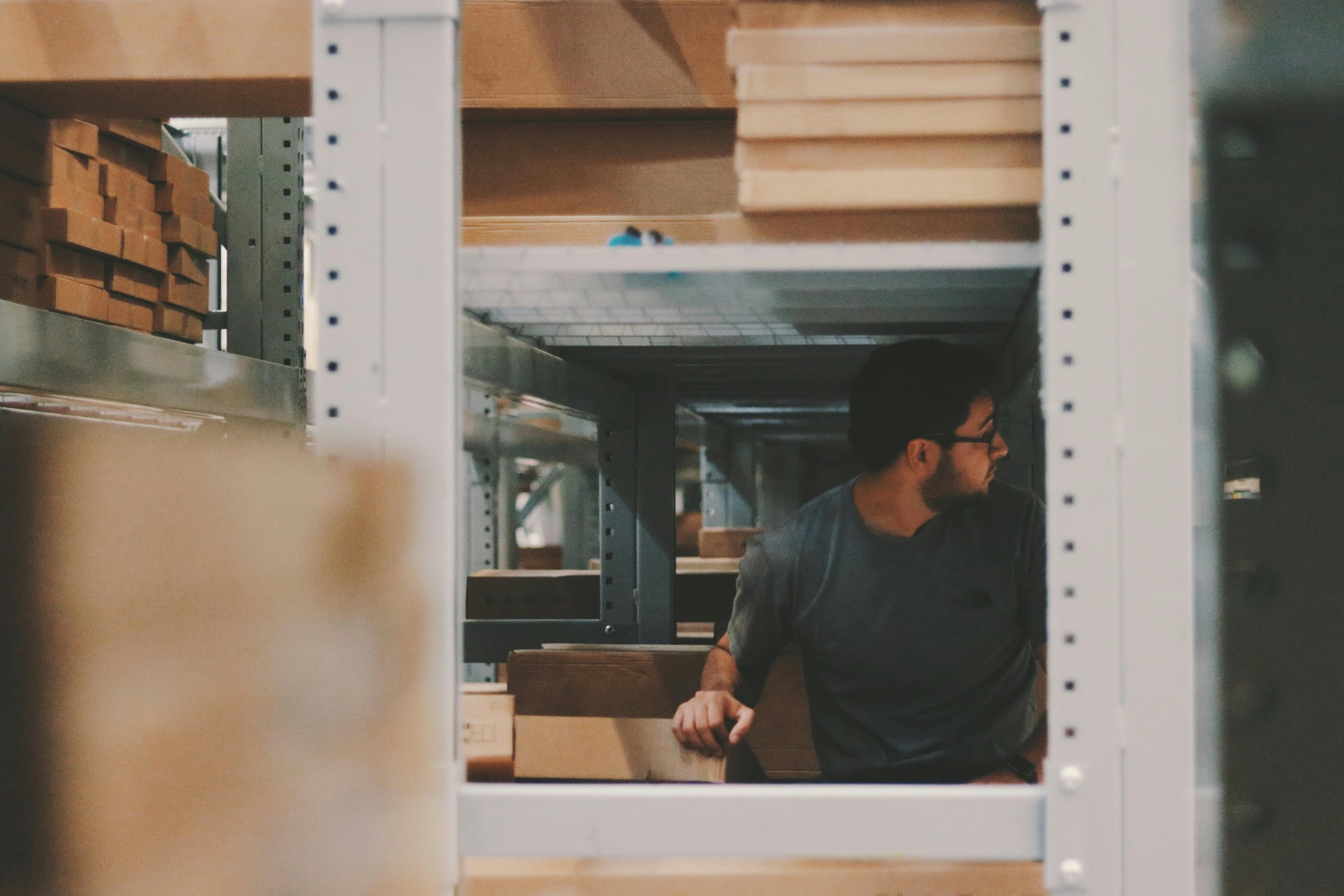
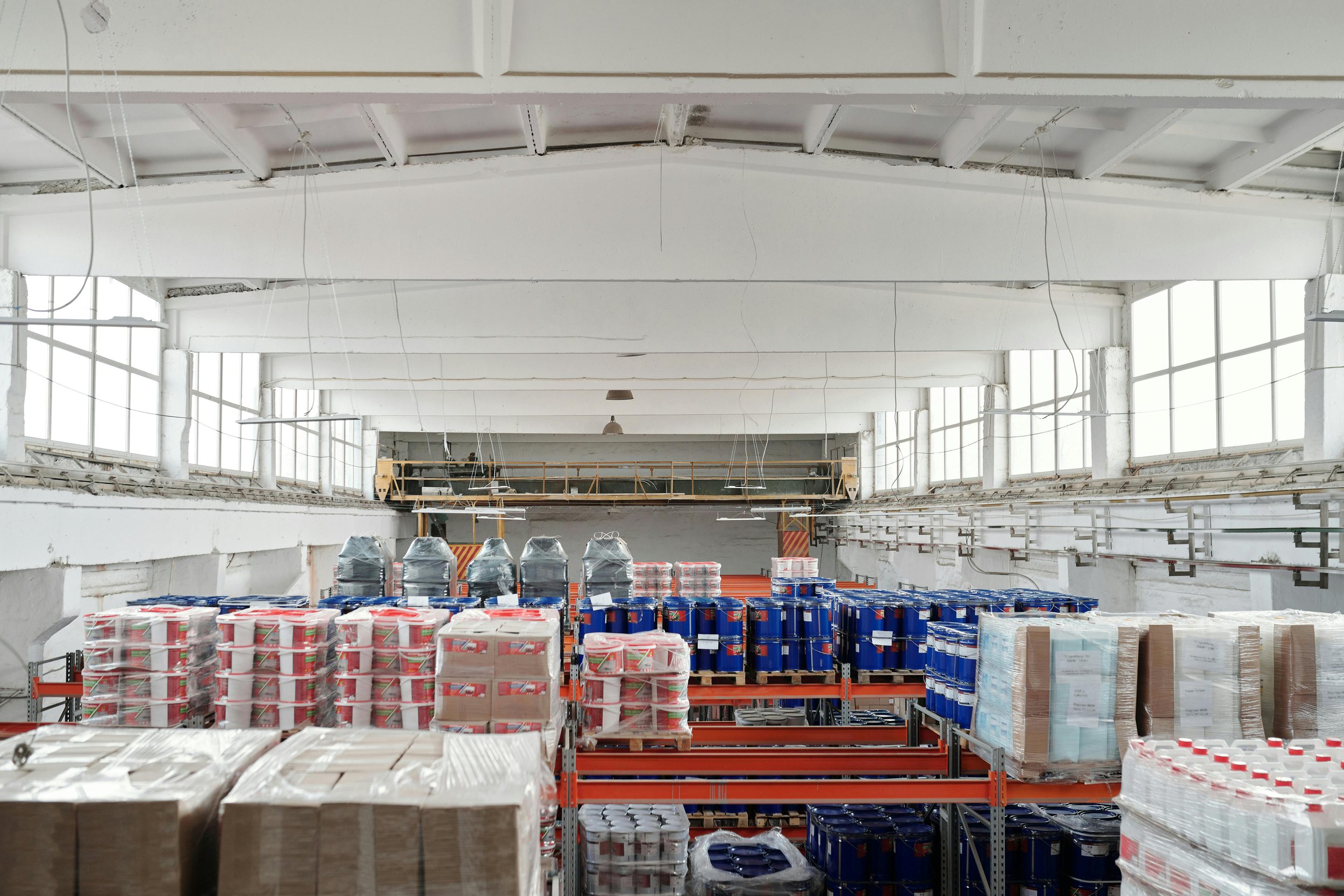
Traditional storage units are usually permanent structures, which are often located somewhere far, so they aren’t exactly readily available every time we need something from the storage. Not to mention that they can also become quite costly as we need more and more space for old belongings, office equipment, or when moving.
Designing and building a shed in the garden isn’t an option for every property. As a result, more homeowners and property owners are leaning towards these portable storage units that can be added as needed, don’t require long-term commitments, and can easily be repurposed later.
What Makes Portable Self Storage Buildings Adaptable
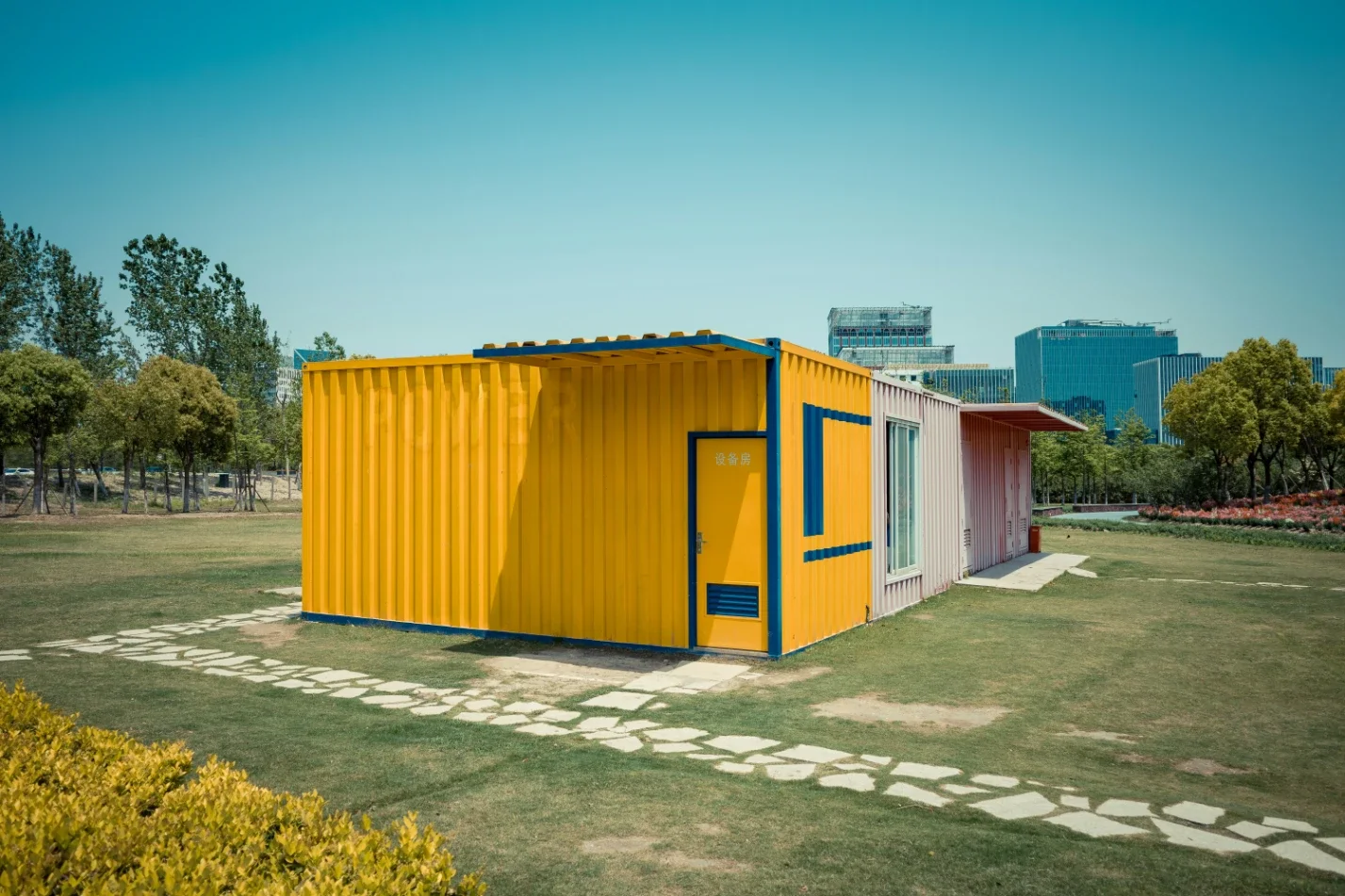
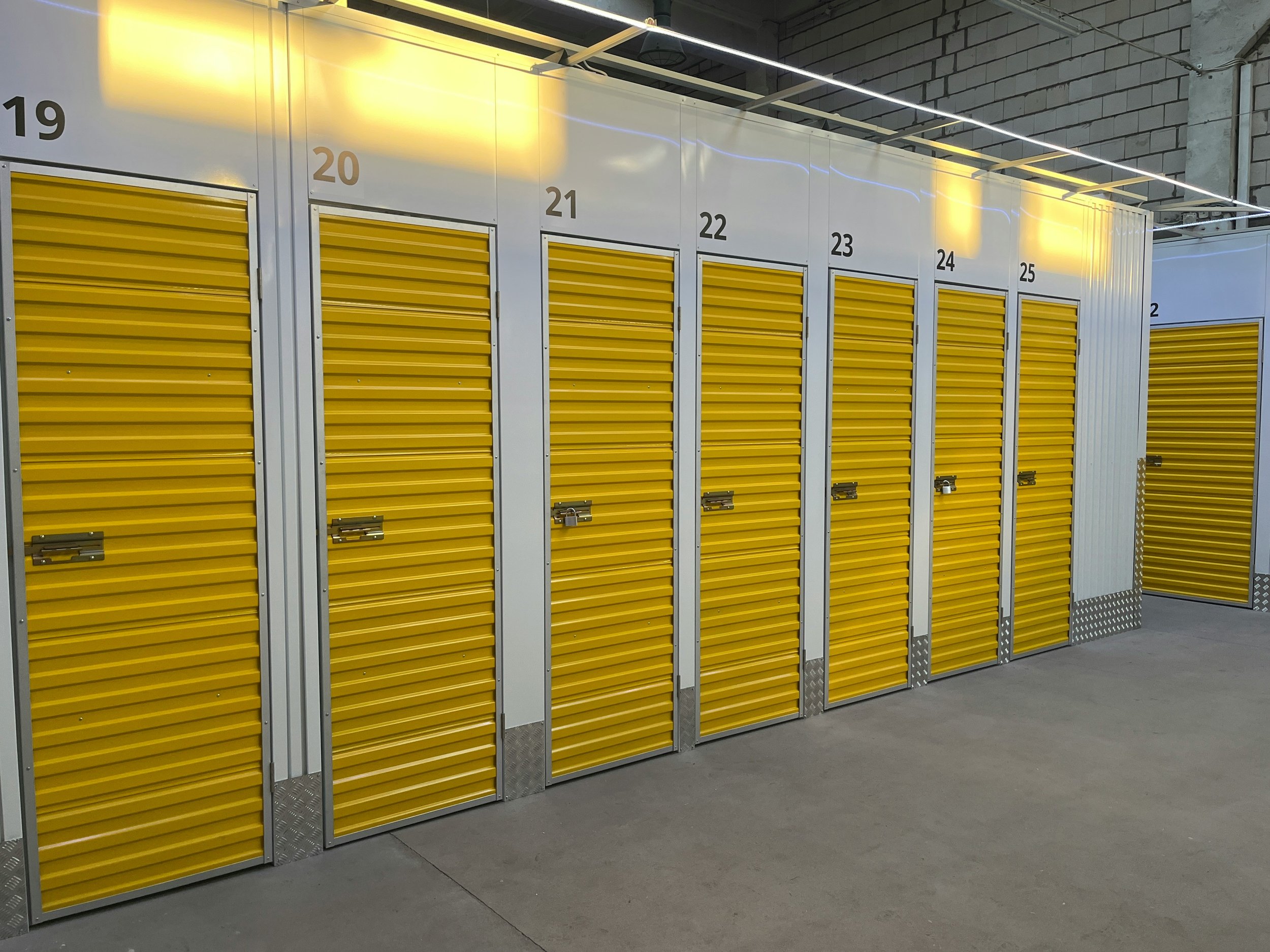
Portable self-storage buildings are practical when you just want to store items for a short amount of time and don’t need a permanent structure, or you simply don’t have space for one.
Cost Efficiency
A major advantage is cost efficiency. In addition to purchasing materials, building permanent sheds often involves construction permits as well as maintenance costs that can quickly add up. By contrast, portable units can be rented or purchased with minimal overhead and no hidden costs that add up over time. This flexibility also allows homeowners to adjust the size of their storage space as their belongings increase or decrease, without committing to permanent structures.
Flexibility and Mobility
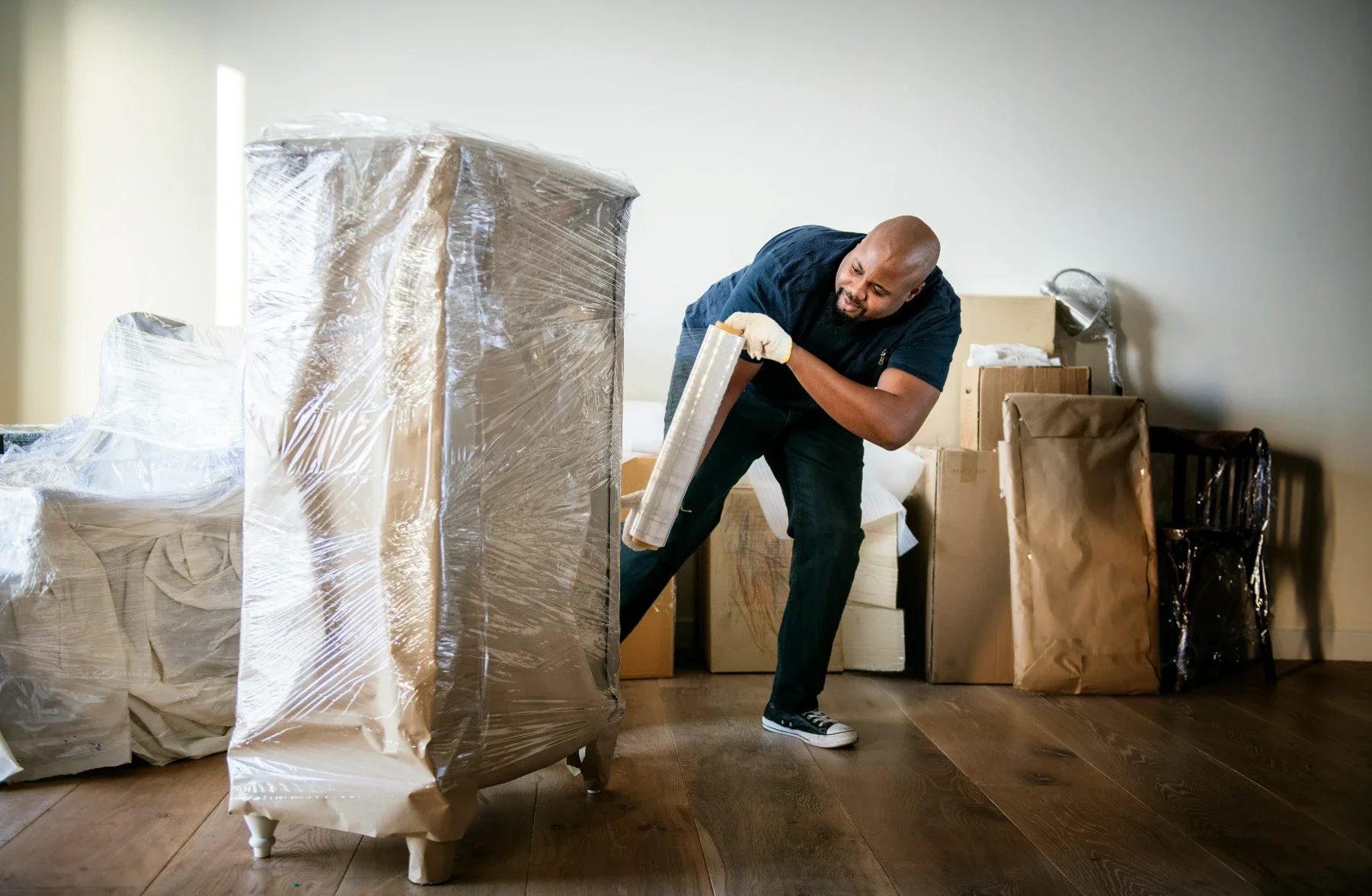
Once you have no use for them, you can easily relocate portable storage containers or reposition them as you see fit without significant effort or any dismantling. This convenience makes them adaptable to both short-term and long-term storage needs.
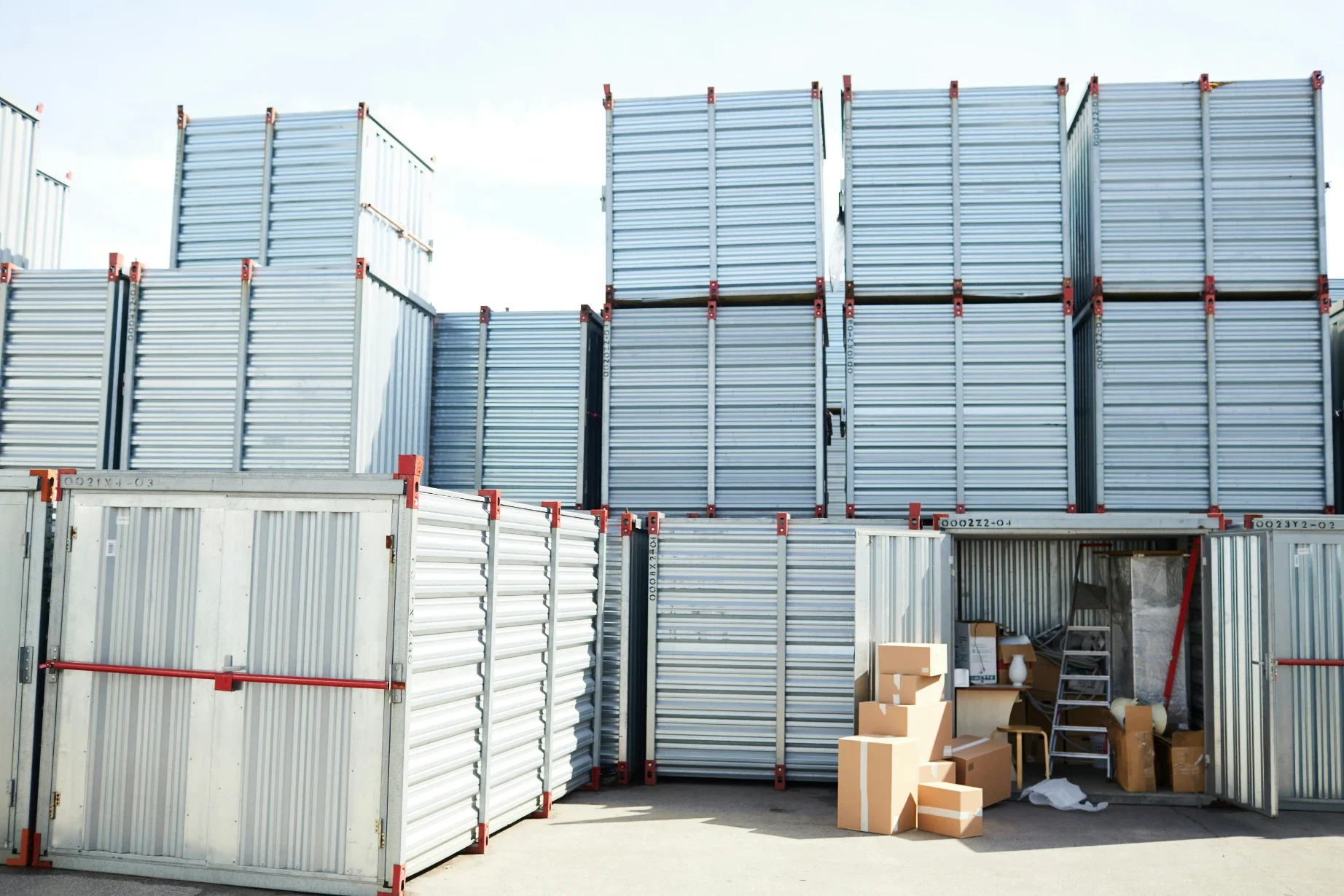
In addition, many portable storage buildings can be stacked or set up in different layouts, enabling property and homeowners to optimize their spaces and use every inch available. Multiple units can be combined for a larger storage structure or separated if necessary for a clean organization.
Minimal Site Preparation
Unlike permanent storage solutions or wooden sheds, these portable units require minimal site preparation. They can usually be delivered right at your doorstep and placed on existing surfaces. This means there is no need to level the ground or pour concrete foundations for the buildings. Pavers or gravel are usually enough to support these structures, and they can even be placed on the driveway or lawn in your backyard.
Small Business and Work-From-Home Applications
For those running their business from home, space can become a major limitation. Portable self-storage units provide a way to separate your business from your living areas and store inventory efficiently without increasing costs as your business grows.
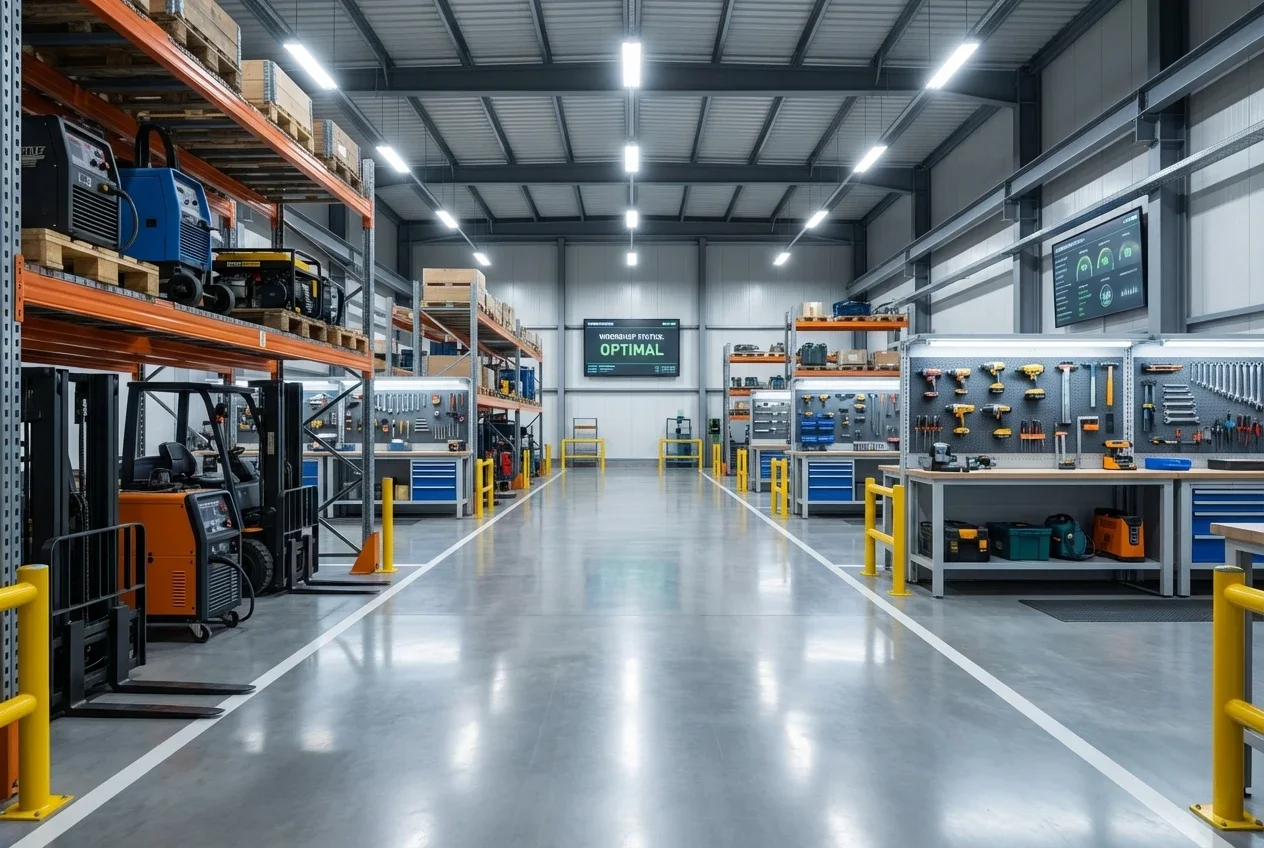
They can also serve as a quiet and secure working space located just steps away from your home and a quick fix for storing your equipment or tools.
Design and Practical Considerations
When considering portable units, size often plays a crucial role in how well they fit into changing needs. A unit that’s too small might quickly become too limiting while an oversized structure can take up too much space or affect the aesthetic of your property. Portable buildings come in custom sizes, so they fit your space needs and not the other way around.
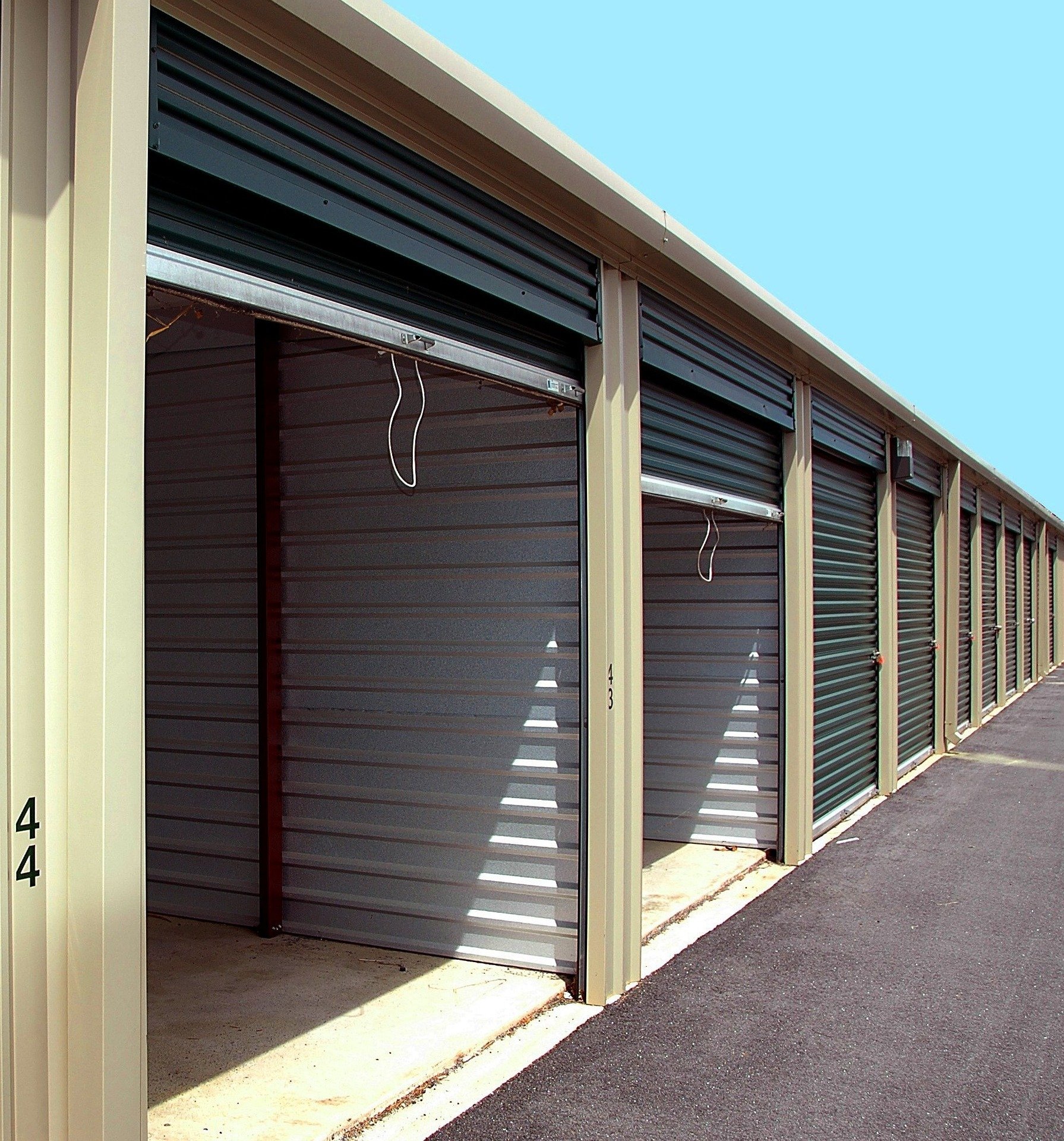
Material is another important element. Steel or metal buildings are designed for durability and weather resistance so they stand the test of time. This is often not the case with lumber structures, which can be vulnerable to termites, moisture damage, and decay. Portable units are also perfectly sealed, which solves the issue with rodents that cause quite a damage, such as chewing wires or attracting pests.
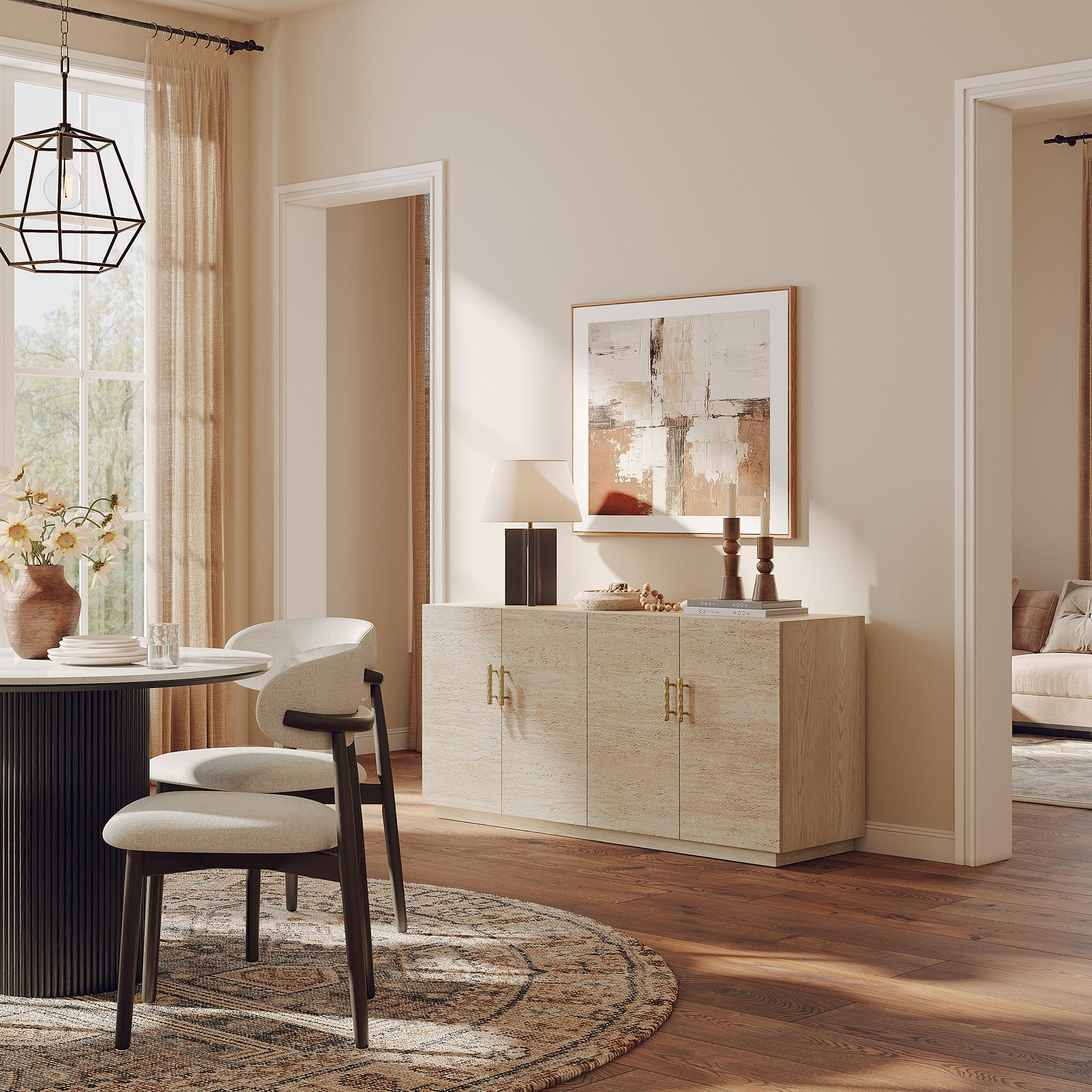
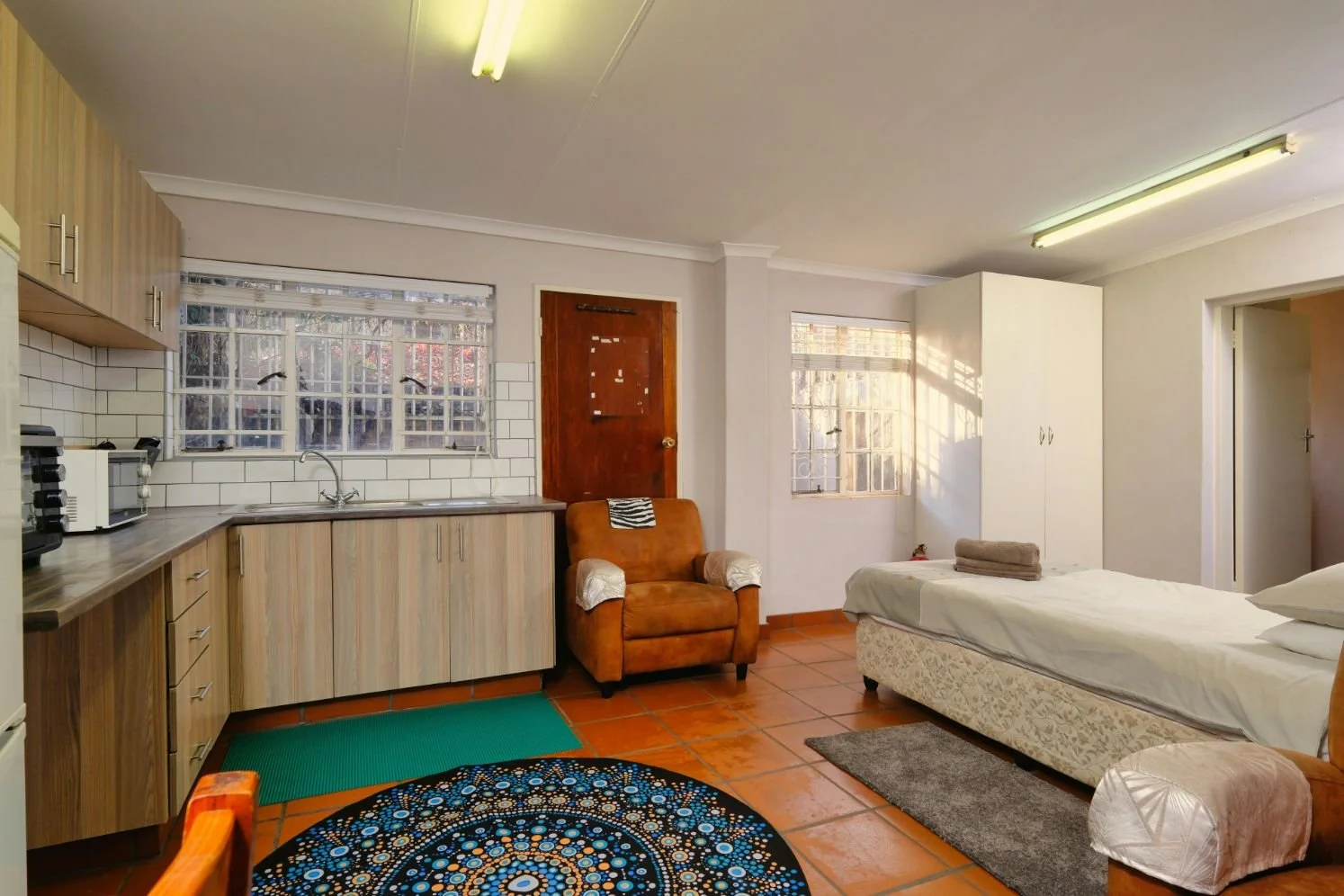
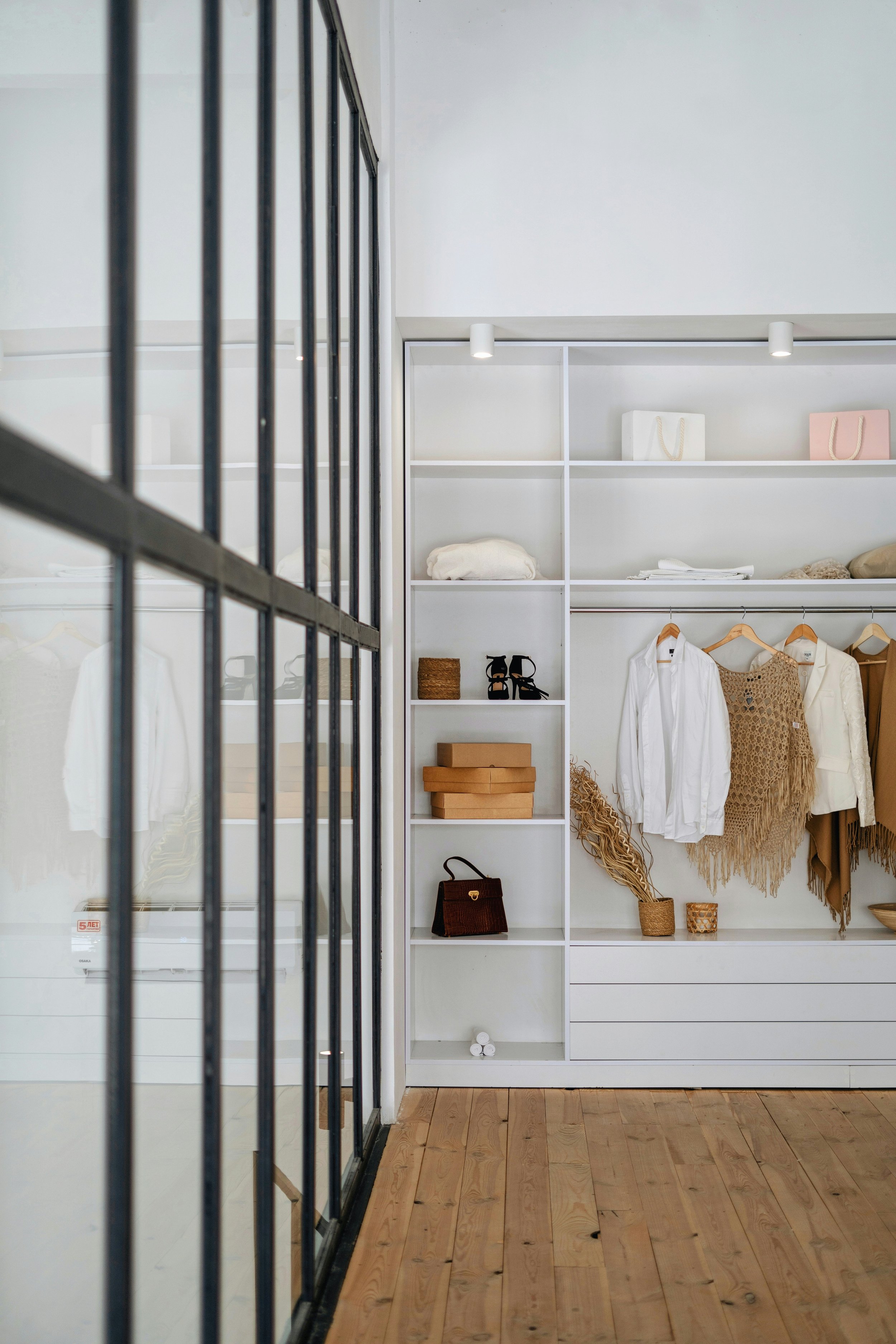
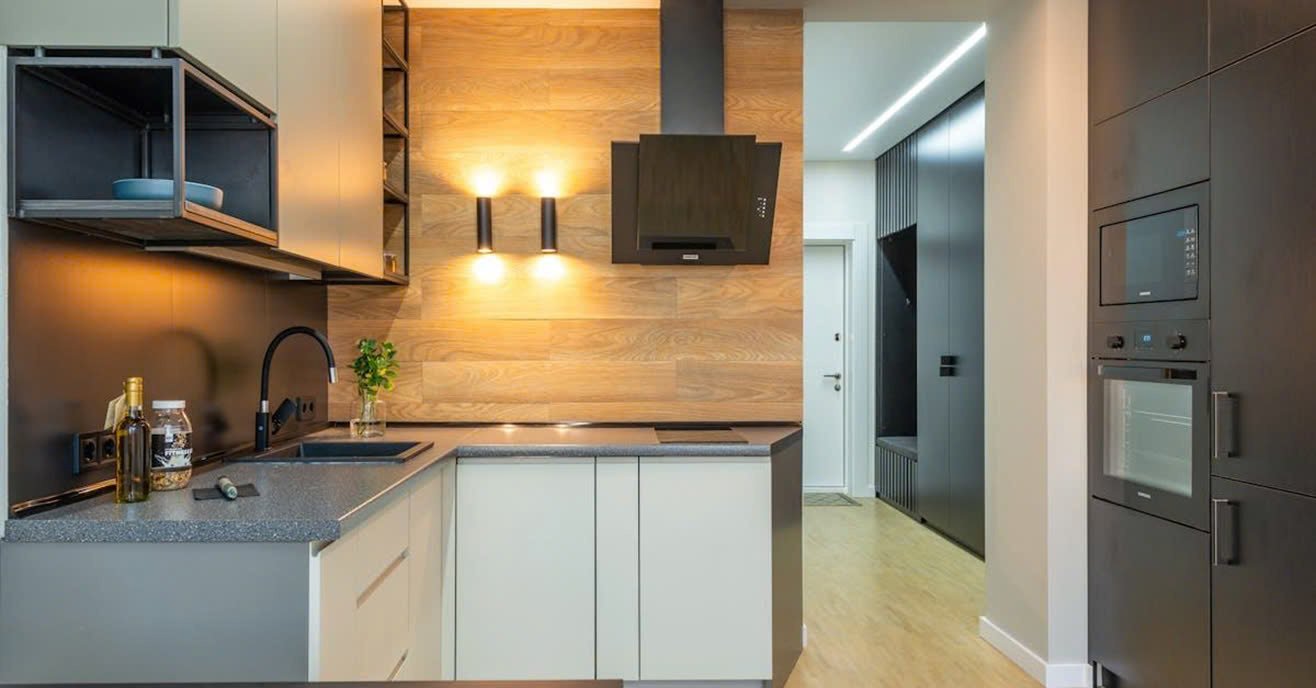
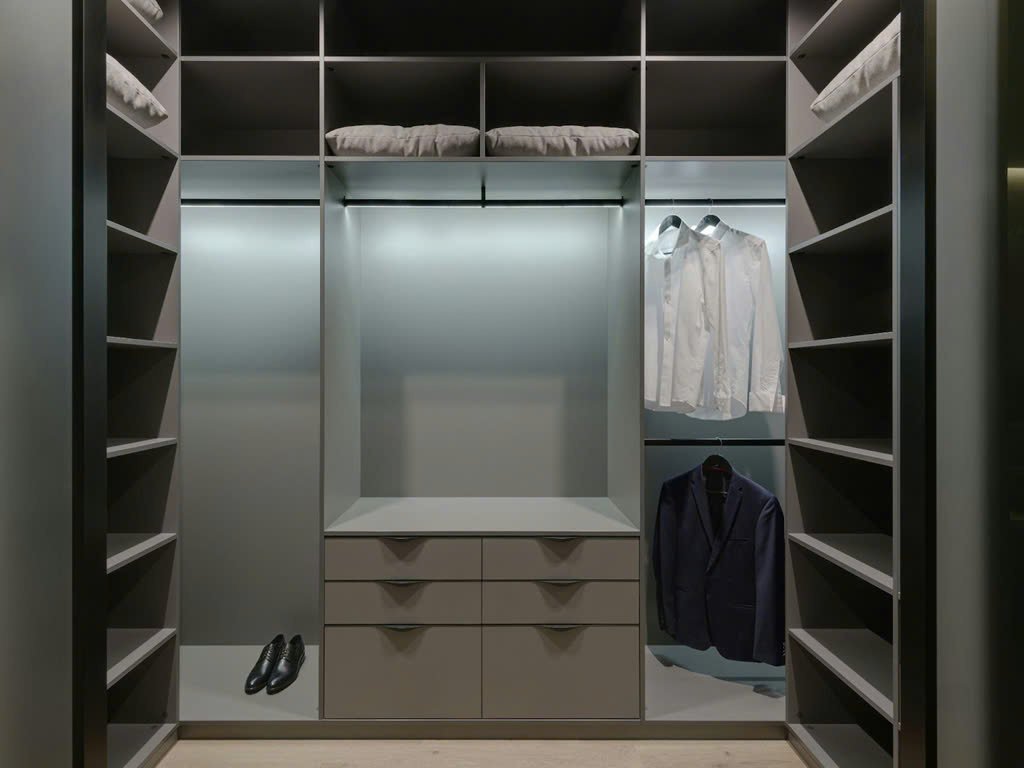
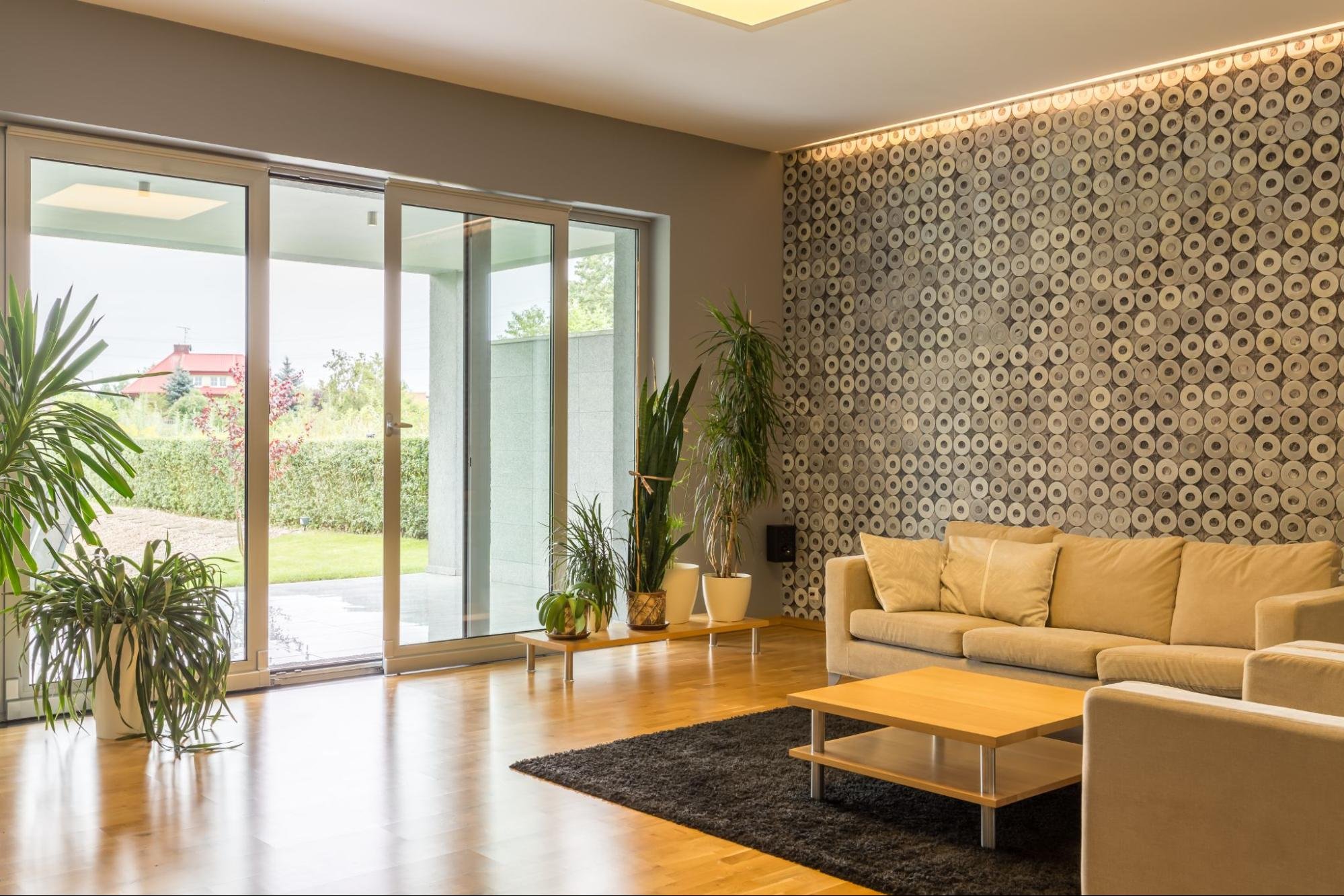
For people in smaller apartments or homes in urban areas where space is limited, these units can act as an extension of the living area. They are suitable for storing bulky furniture or appliances that are not frequently used, allowing homeowners to keep their homes uncluttered and functional.
Long-Term Value and Sustainability
As we switch towards more green practices in the construction industry, in an effort to save the planet, a key advantage of portable self-storage buildings is their reusability and sustainability.
Designed to serve multiple purposes, they significantly reduce construction waste as there is also no need to demolish them when we no longer need them. This reduces the environmental impact that comes with tearing down or upgrading fixed buildings.
Stay up to date with our latest ideas!