7 Key Factors That Influence Long-Term Fuel Storage Performance
Learn seven key factors that influence long-term fuel storage performance, including temperature control, container choice, fuel stability, and contamination prevention.

Storing fuel for the long term sounds simple, but details matter. The right setup keeps engines ready, reduces waste, and avoids surprise costs. Small, steady habits deliver the biggest gains.
Fuel Chemistry And Stability
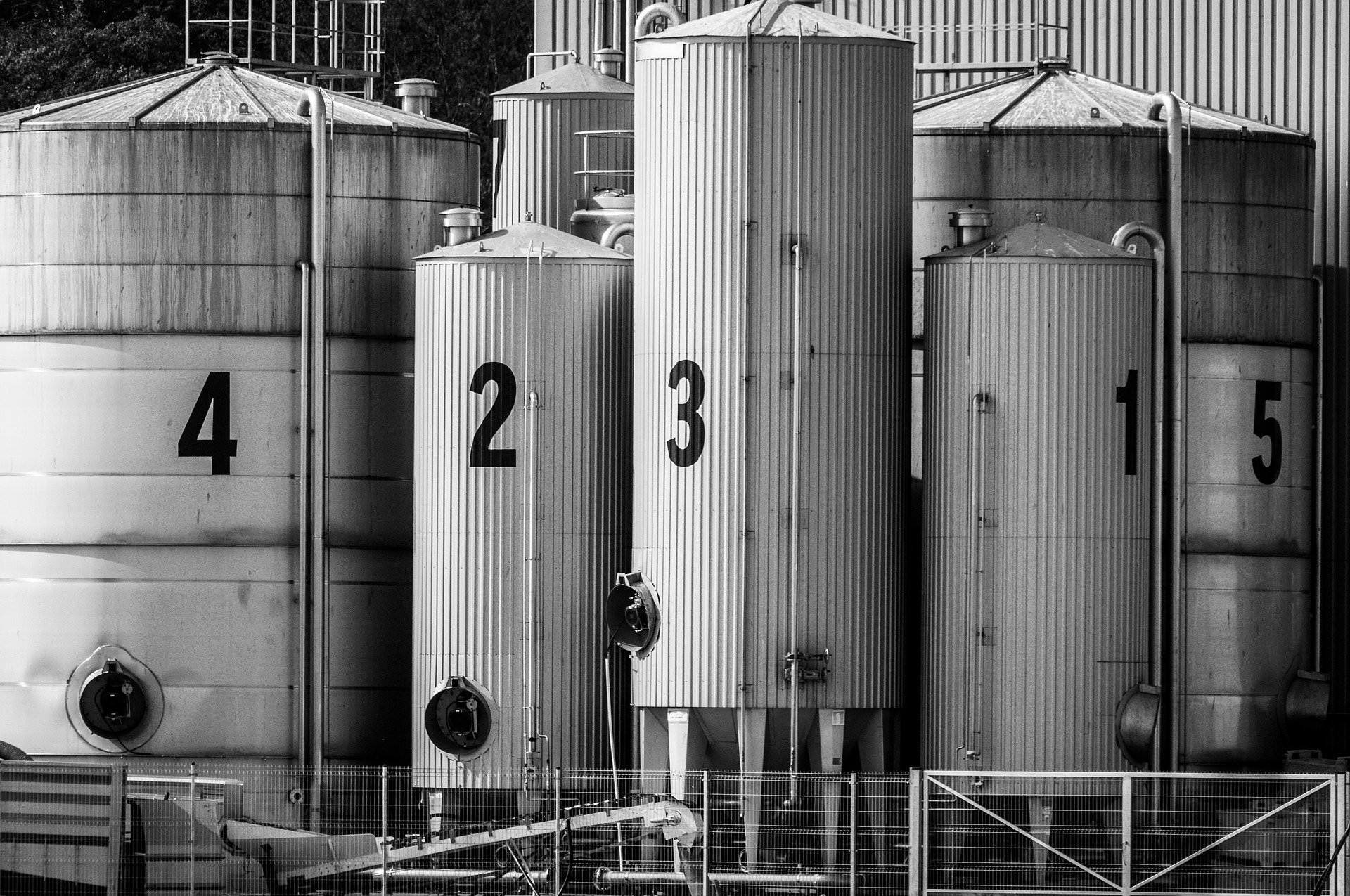
Different fuels break down at different rates, and additives only go so far. Choosing the right fuel tanks setup, matched to the fuel and climate, sets the baseline for stability. Keep blends consistent, label additive doses, and avoid mixing old and new products unless your plan calls for it.
Oxygen, water, and heat drive oxidation. Limit headspace where practical, and keep seals healthy so humid air does not cycle in and out. When fuel darkens or smells sour, treat it as a signal to inspect, test, and correct.
Inventory practices shape quality. Rotate stock on a schedule, and pull from the oldest batch first. If turnover slows, shorten the shelf life target and add monitoring.
Tank Material And Corrosion Risk
Your tank material influences how the system ages. Coated steel and fiberglass each have strengths, but metal components can still corrode inside the system and shed rust that plugs filters. Sight glasses and sample ports help you catch early clues.
Hidden corrosion can advance without surface signs. An EPA notice reported widespread internal corrosion in diesel underground systems, prompting owners to inspect metal parts inside tanks and sumps. That guidance underlines the value of internal checks before parts fail.
Design choices reduce risk. Include low-point drains, sloped floors, and accessible cleanouts. Use compatible gaskets and sealants, and standardize hardware so replacements are quick.
Microbial Growth And Water Management
Water invites microbes that eat fuel and release acids and sludge. Even small water bottoms support colonies, which then foul filters and injectors. The fix starts with strict water control and routine sampling.
Diesel systems are especially prone to biofouling. Guidance from the Ohio State Fire Marshal notes that many diesel sites add conditioning or corrosion control because microbial growth shows up so often. Use lab tests to confirm microbes before dosing biocides, and follow label rates.
Moisture enters through vents, deliveries, and condensation. Keep caps tight, check desiccant breathers, and reseal anything cracked or brittle. After heavy rain or temperature swings, recheck for free water.
Practical Water Controls
Gauge and drain low points on a fixed schedule
Recheck for water after deliveries and storms
Maintain tight caps, healthy gaskets, and clean fill areas
Use desiccant breathers or pressure-vacuum vents sized to the tank
Log each drain event and sample for follow-up
Temperature And UV Exposure
Heat speeds oxidation and polymerization. Shade, insulation, or burial can flatten daily swings and protect quality. If your climate runs hot, shorten storage intervals, increase testing, and consider lighter colored tanks that absorb less heat.
Large temperature swings pull humid air in and out of vents. That cycle adds water and accelerates breakdown, especially when nights are cool after hot days. Keep vents protected and consider breathers where appropriate, and verify that vacuum and pressure settings match the tank and site altitude.
UV harms external components and weakens plastics. Shield lines and gaskets from direct sun with covers or conduit, and add simple sun guards on exposed gauges. Inspect for chalking, brittleness, or hairline cracks and swap weathered parts before they fail.
Venting, Seals, And Contamination Control
Every opening is a path for dust, moisture, and oxygen. Fit vents correctly and service them so they do not clog. Use caps that seal well and replace tired gaskets, and check that fill and inspection ports tighten to spec.
Transfer steps add risk. Dedicate hoses and nozzles to specific fuels, and keep them capped between uses. Filter at transfer points and protect connections from rain and dirt, and wipe fittings before and after each hook-up.
Housekeeping matters. Keep fill areas clean, post procedures, and train staff to spot haze, odor changes, and slow flow as early warnings. Add a simple weekly walkdown to look for loose caps, missing dust covers, and cracked seals.
Filtration And Polishing Strategy
Think of filtration as ongoing housekeeping rather than a last resort. Set micron ratings for both particulate and water removal at transfer points and on day tanks. Keep spare elements on hand and track changeouts.
When fuel darkens or shows haze, schedule a polishing cycle. Circulate through staged filters until clarity and dryness return, then replace downstream filters. After a heavy contamination event, sample again to confirm the fix.
Filter data is useful. Note delta pressure, service dates, and observed debris. Trends in those notes guide maintenance and reveal problems before they escalate.

Fuel storage is not set-and-forget - it is a steady rhythm of prevention, inspection, and simple corrections. With smart design, clean handling, and timely testing, you preserve quality, extend equipment life, and keep operations ready when it matters.
Stay up to date with our latest ideas!