Discover 15 home wine tasting room ideas for elegant entertaining that create sophisticated spaces for savoring every sip.

A home wine tasting room elevates your passion for wine from casual kitchen counter sipping into a genuinely curated experience where the environment surrounding every pour enhances the flavors, aromas, and social connections that great wine naturally inspires when given the proper setting to shine. Have you ever visited a vineyard tasting room and wished you could recreate that sophisticated, unhurried atmosphere at home where your favorite bottles receive the ceremonial presentation they deserve rather than being opened hastily between dinner preparations? That elevated drinking experience lives entirely in thoughtful room design rather than expensive wine purchases alone. Think of a home tasting room as building a stage where every bottle performs its best. These fifteen ideas design that stage beautifully.
1. Climate-Controlled Wine Wall Display
A climate-controlled wine wall installs a temperature-regulated glass-front storage system displaying your collection at optimal preservation conditions while creating a stunning visual feature where illuminated bottles become living artwork that guests admire before a single cork leaves its bottle throughout the tasting evening. Climate-controlled walls work like building a transparent vault where your wine collection lives in perfect conditions while performing as gorgeous backlit decor simultaneously. Select units maintaining 55 degrees Fahrenheit with appropriate humidity levels preserving wine quality throughout long-term storage. Choose glass-front panels providing full collection visibility while maintaining interior climate separation from the room.

2. Barrel Vault Cellar Ceiling Design
A barrel vault ceiling curves overhead in an arched formation mimicking traditional underground wine cellar architecture, the rounded ceiling adding dramatic architectural character and genuine cellar atmosphere that flat ceilings cannot replicate with equivalent historical authenticity within the dedicated tasting room space above ground. Barrel vaults work like bending the sky above your tasting room into the same protective arch that sheltered great wines beneath European estates for centuries of patient aging. Install curved drywall or faux barrel vault panels creating the arched ceiling profile without requiring genuine stone masonry construction. Paint in warm earth tones or apply faux stone finish enhancing authentic cellar character.

3. Tasting Bar Counter Station
A tasting bar counter positions a dedicated serving surface at standing height where guests gather for structured tastings, the elevated counter providing the natural focal point around which wine pouring, swirling, and comparative discussion organize themselves throughout every hosted tasting session in the home entertaining space. Tasting bars work like installing the social engine that drives every wine gathering forward, the shared counter creating natural gathering energy that scattered table seating permanently disperses across separated positions. Select bar counters in natural stone, reclaimed wood, or polished concrete providing durable, wine-stain-resistant surfaces. Add a foot rail and pendant lighting completing the professional tasting station presentation.

4. Reclaimed Wine Barrel Furniture
Reclaimed wine barrel furniture repurposes retired oak aging barrels into tables, chairs, shelving, and decorative elements that bring authentic winemaking heritage directly into the tasting room through furniture carrying genuine vineyard history within their stave construction and residual wine-stained interiors visible throughout each piece. Barrel furniture works like inviting retired winemaking equipment to a permanent afterparty where every repurposed stave carries the aroma and memory of wines it previously aged within its curved embrace. Source retired barrels from local wineries selecting pieces with visible cooper markings and authentic aging character. Convert half-barrels into side tables, full barrels into standing tables, and stave sections into wall-mounted shelving.

5. Stone Accent Wall Cellar Feature
A stone accent wall applies natural stone veneer or stacked fieldstone across the tasting room's focal surface creating substantial geological texture and earthy warmth that references the underground cellar walls where great wines age patiently within cool, stone-lined chambers beneath historic vineyard estates throughout the world's premier wine regions. Stone walls work like bringing a piece of the underground cellar above ground where the mineral surface adds authentic aging-chamber atmosphere to every tasting experience. Select warm-toned limestone, fieldstone, or stacked slate providing visible surface texture and earthy color variation. Install behind the tasting bar creating a dramatic natural backdrop for wine service.

6. Ambient Chandelier Mood Lighting
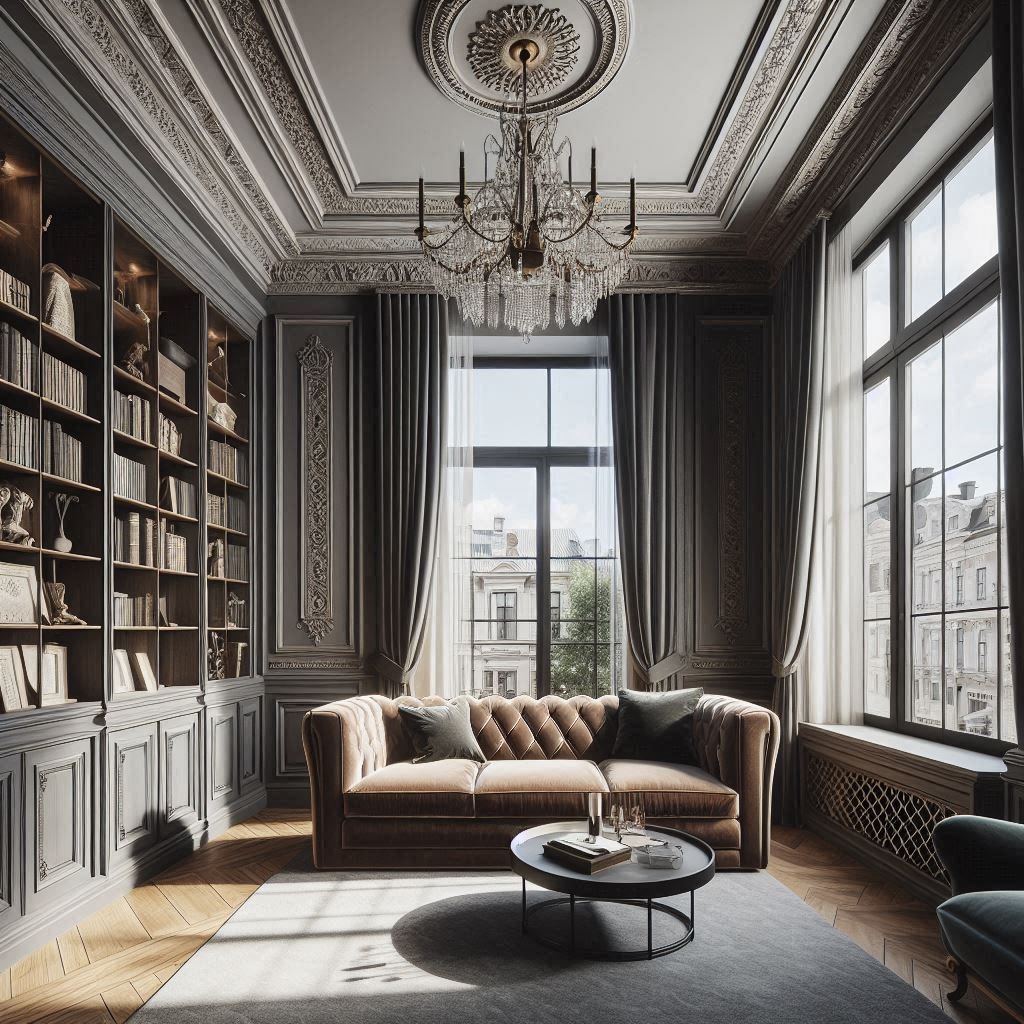
An ambient chandelier suspends a dramatic lighting fixture above the tasting area providing warm, flattering illumination that enhances wine color appreciation while creating the sophisticated atmospheric mood that harsh overhead fluorescent fixtures destroy with their clinical, unflattering brightness ruining both wine color perception and guest comfort simultaneously. Chandeliers work like hanging concentrated elegance above your tasting area where the warm light pools create intimate atmospheric zones perfect for focused wine appreciation and relaxed conversation. Select chandeliers with dimmable warm-toned bulbs allowing brightness adjustment matching different tasting formats and evening atmospheres. Choose iron, crystal, or barrel-stave chandelier styles matching the tasting room's overall design direction.

7. Built-In Wine Rack Floor to Ceiling
Built-in wine racks spanning from floor to ceiling transform an entire wall into organized wine storage displaying hundreds of bottles in a dramatic visual installation that communicates serious collecting commitment while keeping every bottle accessible and properly positioned for long-term horizontal storage throughout the growing collection. Floor-to-ceiling racks work like building a library devoted entirely to liquid literature where every racked bottle represents a story waiting patiently for the right evening to be opened and shared with appreciative company. Select individual bottle compartments in timber, metal, or acrylic matching the tasting room aesthetic. Install integrated LED lighting illuminating bottle labels for easy selection during browsing.

8. Cork Wall Decorative Surface
A cork wall covers the tasting room surface with natural cork panels or collected wine corks creating a warm, textured backdrop that provides genuine winemaking material connection while serving as a functional pinboard where tasting notes, wine labels, and vineyard photographs attach directly to the natural surface throughout growing collection memories. Cork walls work like wallpapering your tasting room with the actual material that seals every bottle you have ever enjoyed, the natural texture connecting your space to winemaking at its most fundamental closure level. Apply natural cork panels in tile or roll format providing uniform coverage across the designated wall surface. Alternatively, collect and mount individual wine corks creating a mosaic of personal tasting history.

9. Leather and Wood Tasting Seating
Leather and wood tasting seating combines rich upholstered leather with warm timber frames creating sophisticated chairs, bar stools, and banquette seating that provides comfortable support during extended tasting sessions while adding the refined material luxury that serious wine appreciation environments demand from their furnishing selections. Leather seating works like wrapping your guests in the same refined luxury that great wines deliver to their palates, the rich material surrounding the body mirroring the premium experience happening inside every raised glass. Select full-grain or top-grain leather in cognac, saddle, or deep burgundy tones complementing wine tones naturally. Choose timber frames in warm oak or walnut providing organic warmth beneath the leather surfaces.

10. Wine Region Map Wall Art Display
Wine region map wall art displays detailed cartographic prints of famous wine regions including Bordeaux, Tuscany, Napa Valley, and Burgundy creating an educational gallery that sparks tasting conversation while providing geographic context connecting every poured glass to the specific landscape where its grapes grew under particular climatic conditions. Region maps work like hanging windows overlooking the vineyards responsible for the wines currently being tasted, the geographic connection deepening appreciation beyond flavor into genuine terroir understanding. Select large-format vintage-style maps in frames coordinating with the tasting room's overall design aesthetic. Position maps near the tasting bar where they naturally become conversation reference points during structured comparative tastings.

11. Decanting Station Prep Counter
A decanting station provides a dedicated counter surface with proper lighting, decanters of varying sizes, wine openers, foil cutters, and drip-catching accessories creating a professional preparation zone where bottles receive the ceremonial opening treatment that serious wines deserve before reaching guests' glasses across the tasting bar. Decanting stations work like building a backstage preparation area where wines receive their final grooming before stepping into the spotlight of your guests' appreciative attention and evaluation. Position the decanting area adjacent to but separate from the main tasting bar creating distinct preparation and service zones. Display decanters as decorative glass sculpture when not actively in functional use.

12. Glass-Enclosed Wine Cellar Room
A glass-enclosed wine cellar creates a visible, climate-controlled storage room within or adjacent to the tasting space, the transparent walls allowing guests to view the entire collection through glass while the sealed enclosure maintains optimal temperature and humidity conditions protecting wine quality behind the transparent architectural barrier. Glass cellars work like building a museum display case for your entire wine collection where every bottle sits visible yet perfectly preserved behind climate-controlled transparent walls. Install tempered glass panels with UV filtering protecting wines from light exposure while maintaining full visual transparency. Add interior LED lighting illuminating the displayed collection dramatically.

13. Sommelier Tool Display Collection
A sommelier tool display showcases a curated collection of professional wine service instruments including corkscrews, wine keys, aerators, thermometers, and decanters arranged on shelving or within a display cabinet creating a functional art installation celebrating the craftsmanship of wine service equipment. Tool displays work like exhibiting the surgeon's instruments of wine service where every specialized implement reveals the precision and care that proper wine presentation demands beyond simply pulling a cork. Select a mix of vintage and modern wine tools creating a collected display spanning wine service history. Mount within glass-front cases or on open shelving providing visible, accessible display.

14. Vineyard Photography Gallery Wall
A vineyard photography gallery wall displays large-format photographs of wine country landscapes, harvest scenes, barrel rooms, and vineyard rows creating an immersive visual connection to winemaking environments that transports tasting room guests directly into the rolling hills and aging cellars where their poured wines originated before arriving at their glasses. Vineyard photography works like hanging windows overlooking the world's most beautiful wine landscapes where every framed scene extends the tasting experience beyond flavor into visual journey through wine country. Select professional vineyard photographs in large formats creating genuine visual impact across the gallery wall. Choose frames in warm timber or dark metal complementing the tasting room material palette.

15. Temperature-Controlled Serving Station
A temperature-controlled serving station positions separate cooling zones maintaining red wines at cellar temperature, white wines properly chilled, and sparkling wines at optimal serving coldness within one accessible station ensuring every glass reaches guests at the precise temperature that maximizes flavor expression and aromatic release throughout the tasting experience. Serving stations work like hiring a dedicated temperature guardian ensuring every wine performs at its absolute peak rather than suffering the flavor-muting effects of improper serving temperature that ruins even exceptional bottles. Select dual-zone wine refrigerators providing independent temperature control for different wine styles within one compact unit. Position beside the tasting bar for convenient service access.

Conclusion
Home wine tasting room ideas prove that creating a dedicated space for wine appreciation transforms casual drinking into genuinely elevated entertaining where the room's design enhances every sensory dimension of the tasting experience from the moment guests enter until the final glass empties and satisfied conversation fills the elegantly appointed space surrounding them. From climate-controlled glass cellars to barrel vault ceilings and professional decanting stations, these fifteen ideas demonstrate that home tasting rooms create unforgettable entertaining destinations. Choose the elements matching your collection size and entertaining ambitions, then raise a glass to your perfectly designed tasting room.
Read next: 15 Quilting Room Ideas for Creative and Organized Spaces
Frequently Asked Questions
Q1: What temperature should a home wine tasting room maintain for optimal wine storage?
A: Maintain 55 degrees Fahrenheit with 60 to 70 percent humidity for ideal wine preservation conditions.
Q2: How much space do I need to create a functional home wine tasting room?
A: A dedicated space of 100 to 200 square feet accommodates a comfortable home tasting room.
Q3: What is the most important design element for a home wine tasting room?
A: Climate-controlled storage protects your collection, making it the most essential functional design investment.
Q4: Can I convert a basement or spare room into a wine tasting room affordably?
A: Yes, wine racks, ambient lighting, and a tasting bar transform existing rooms into tasting spaces.
Q5: What lighting works best in a home wine tasting room for proper wine appreciation?
A: Warm, dimmable lighting enhances wine color evaluation while creating sophisticated tasting room atmosphere perfectly.
Stay up to date with our latest ideas!