Designing a Home That Feels Beautiful, Practical, and Personal
Learn how to design a home that feels beautiful, practical, and personal with thoughtful layouts, functional features, and style that reflects your lifestyle.
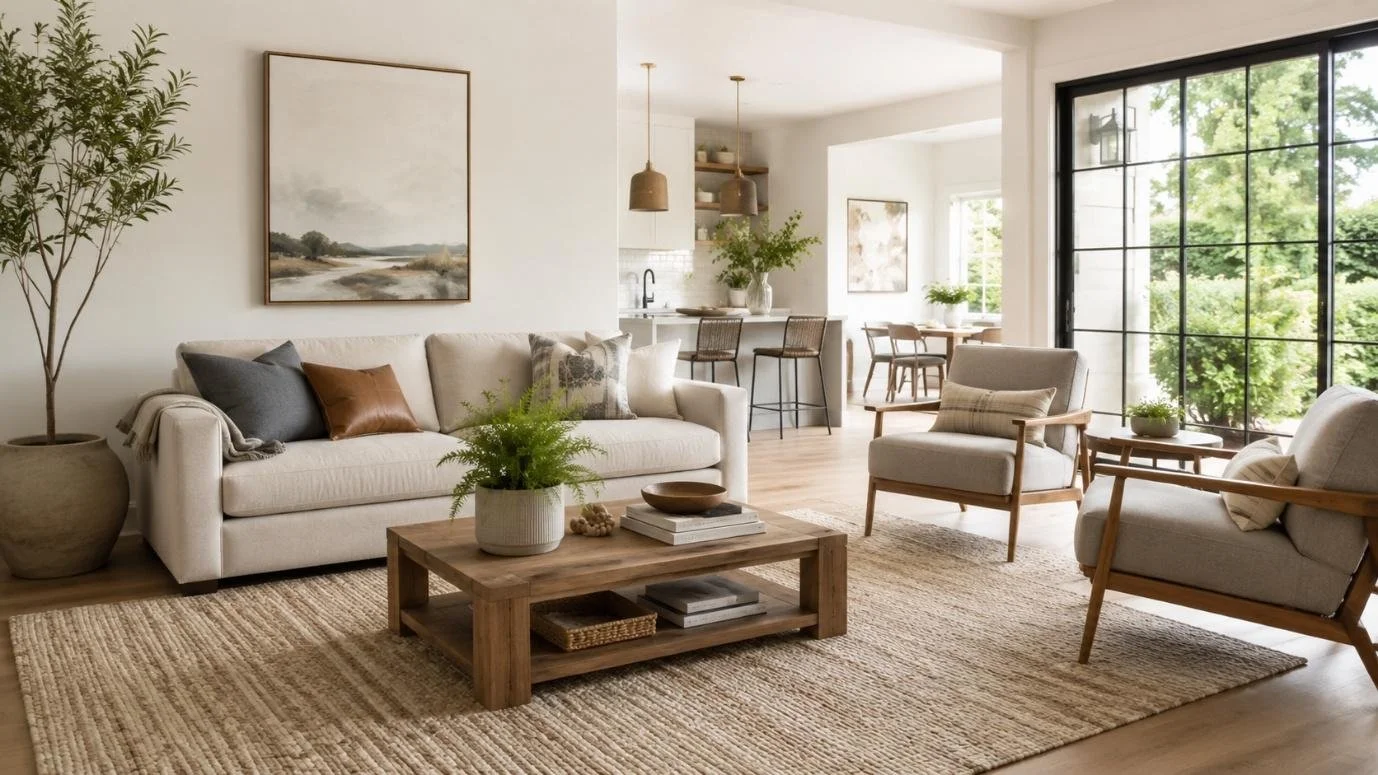
A well-designed home is more than a stylish space. It is a place that supports daily routines, reflects personality, and makes ordinary moments feel more enjoyable. Whether you are renovating a single room, refreshing your décor, or planning a larger home improvement project, the best results usually come from balancing beauty with function.
Before buying new furniture or repainting walls, think about how you want your home to feel. Do you want it to be calm and relaxing, bright and energetic, elegant and timeless, or warm and family-friendly? Once you understand the mood you are aiming for, every design decision becomes easier.
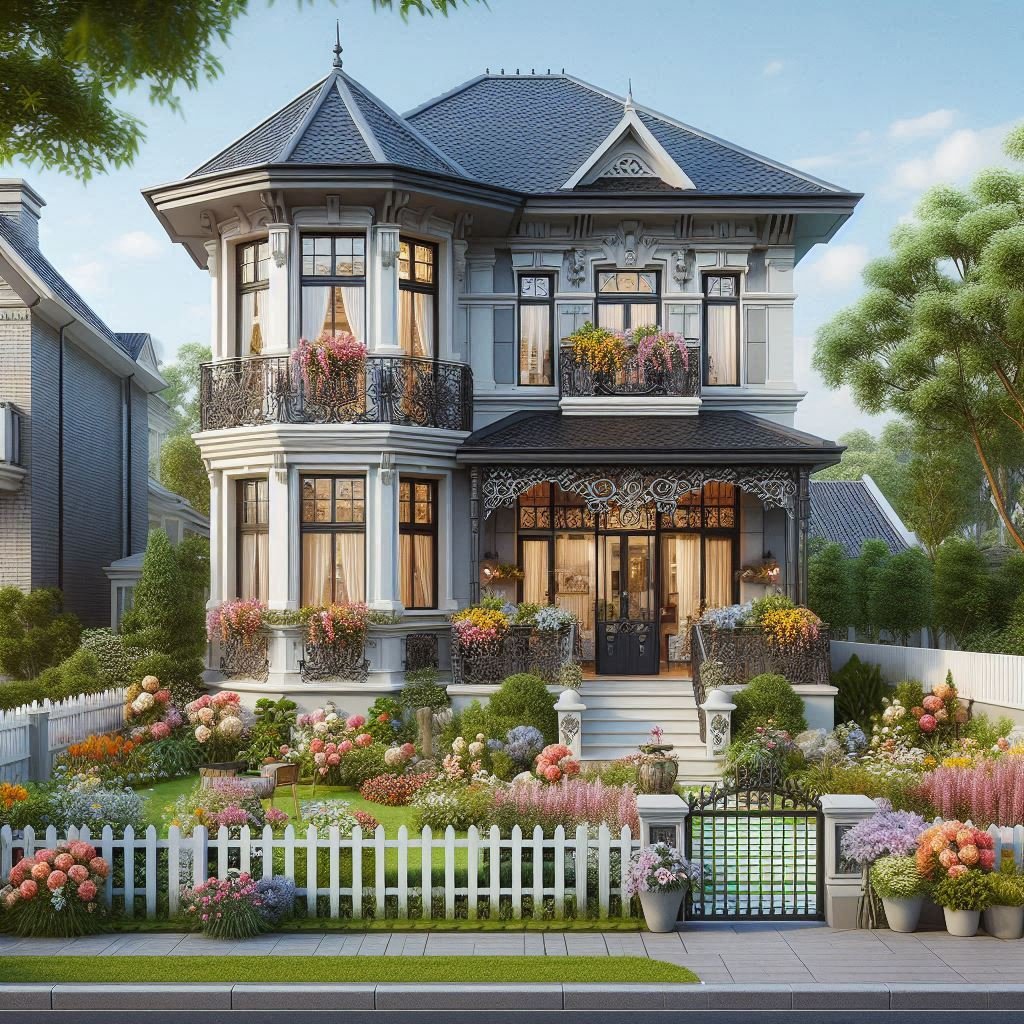
One of the simplest ways to soften a room and bring it to life is by adding plants and flowers. Fresh greenery can make a living room feel more natural, while flowers add colour, fragrance, and seasonal charm. If you are styling your home with floral arrangements, checking the shipping details first can help you plan delivery properly, especially when preparing for guests or special occasions. You can also order gifts online when you want to send flowers or thoughtful arrangements to someone else’s home.
Start With a Clear Layout
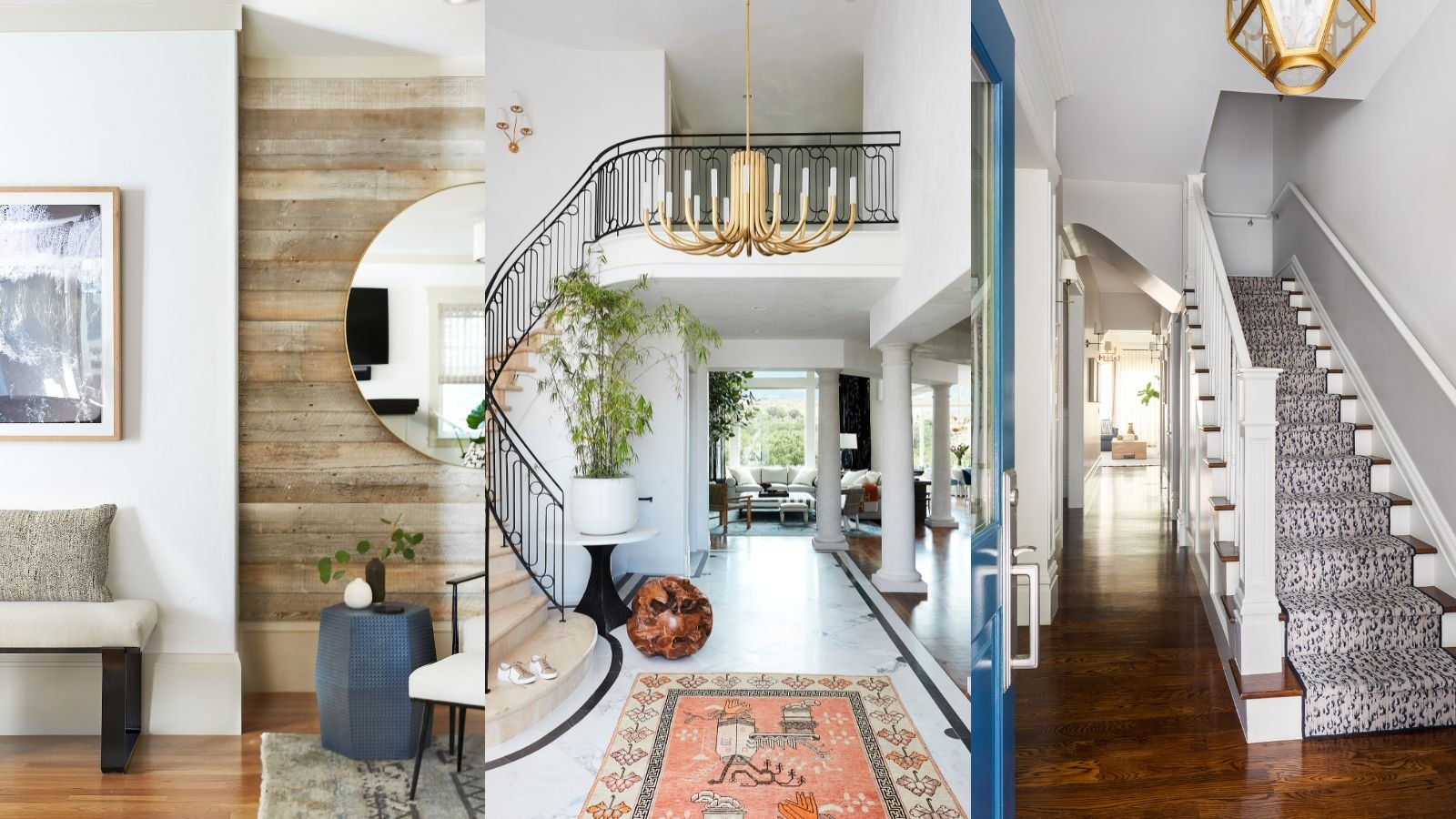
A beautiful home begins with a practical layout. Even expensive furniture can feel wrong if the room is difficult to move through. Start by looking at the natural pathways in each space. Can people walk comfortably from one area to another? Are chairs, tables, and storage units placed where they make sense?
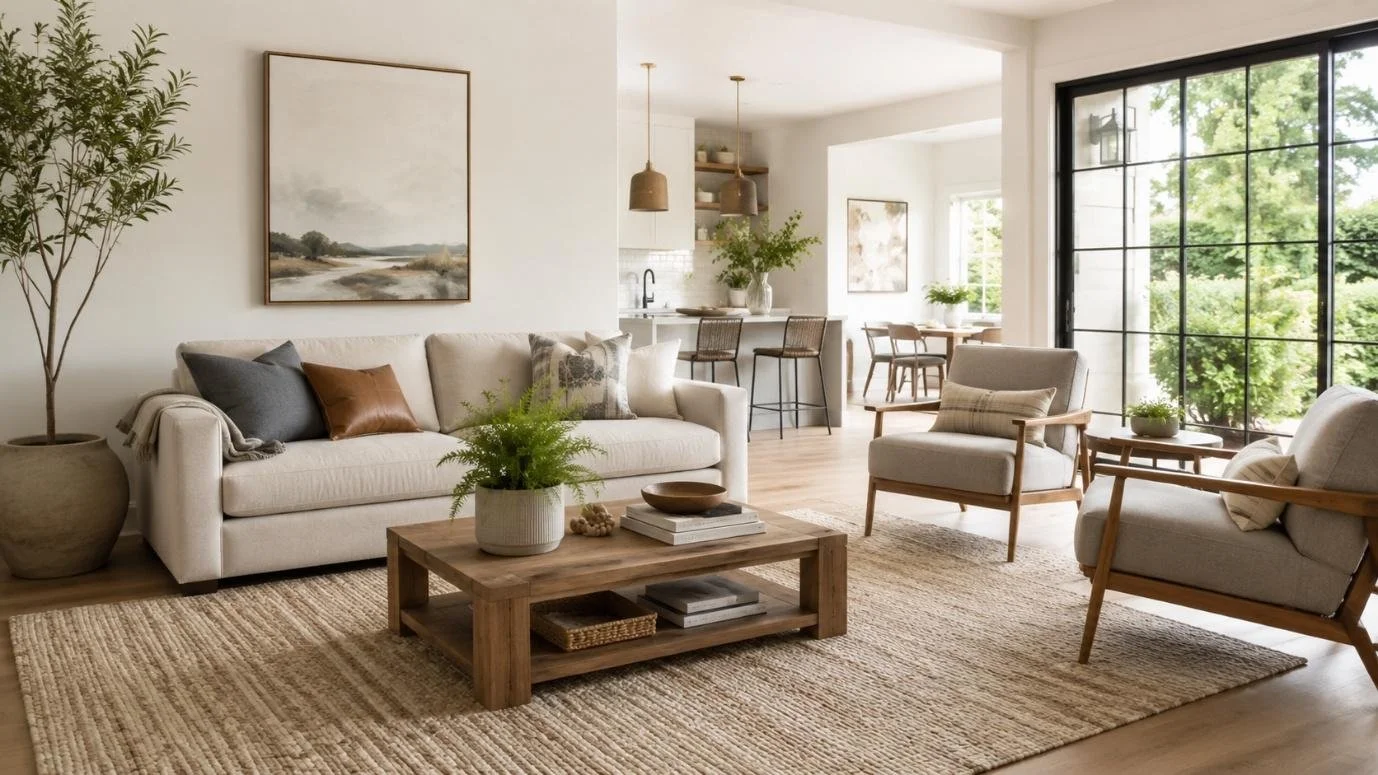
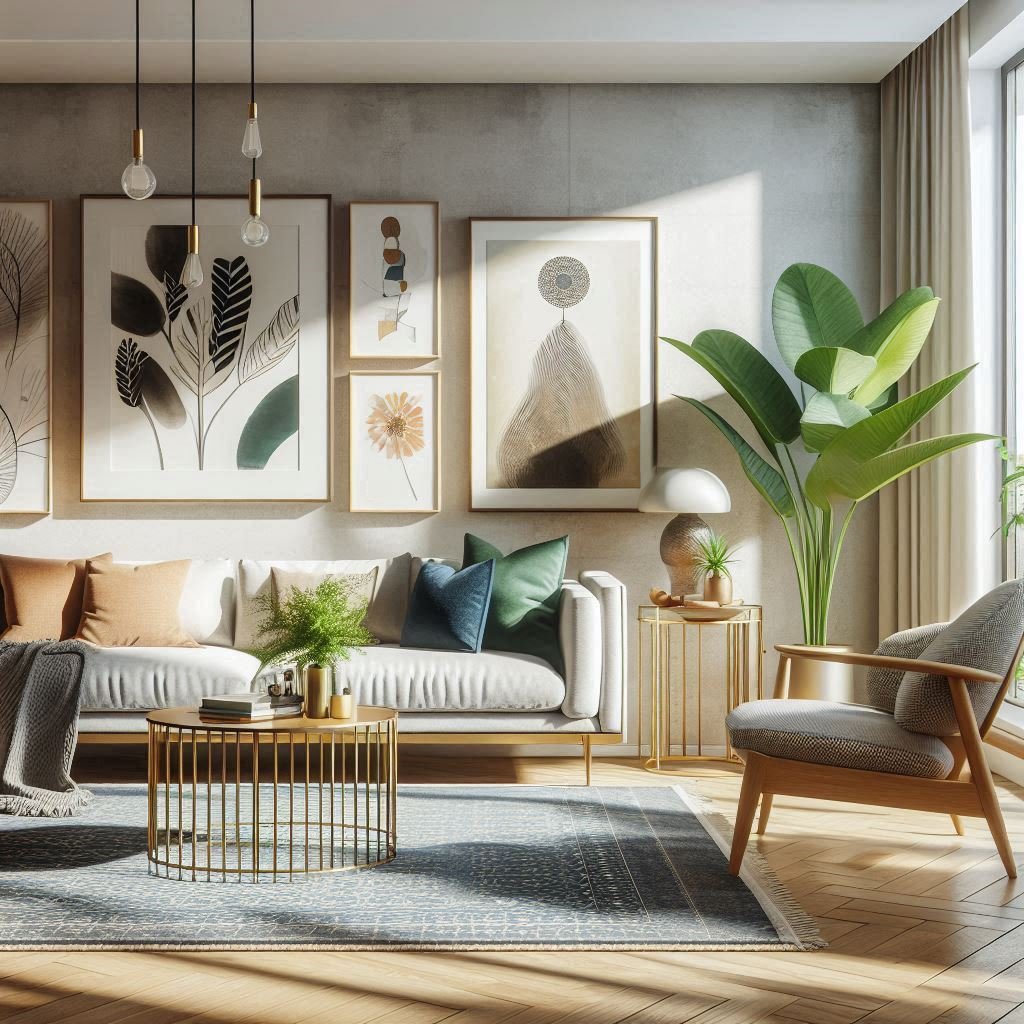
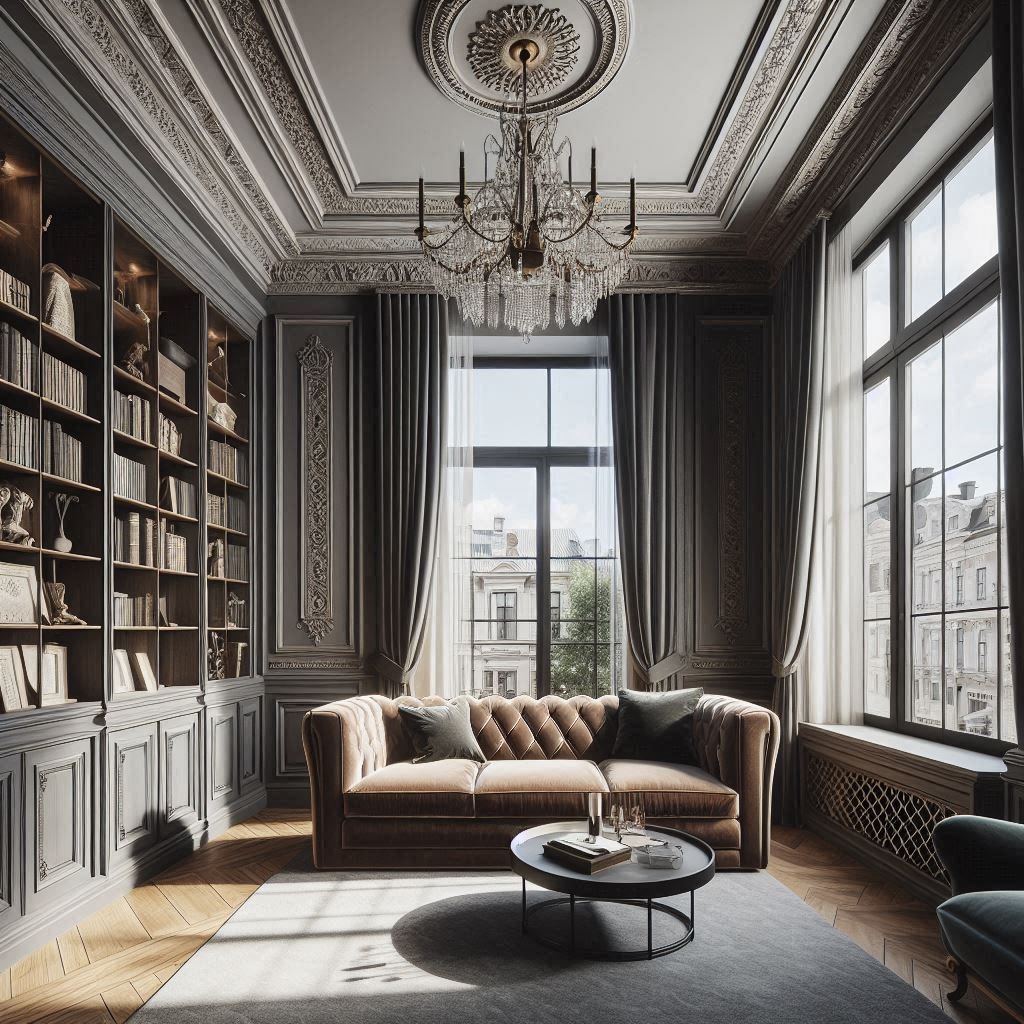
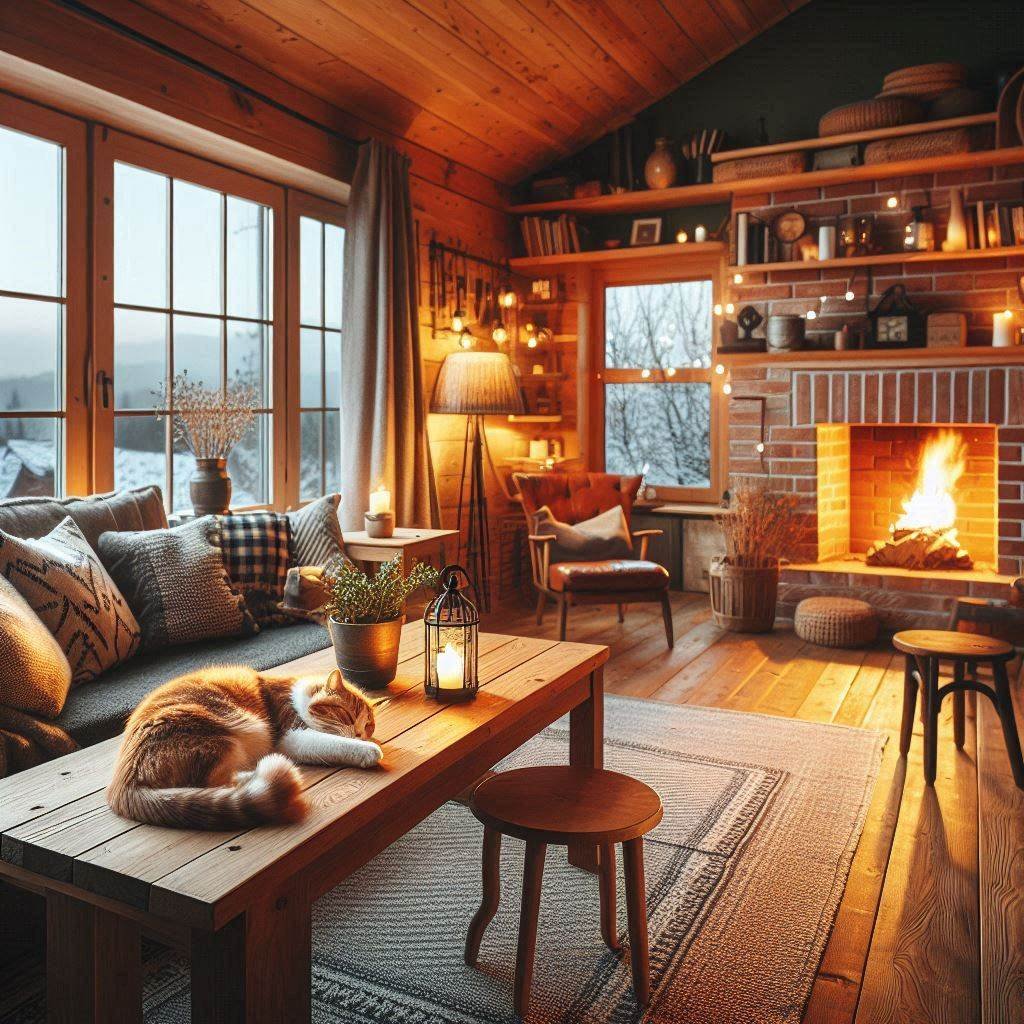
In a living room, avoid pushing every piece of furniture against the wall. Creating a conversation area with a sofa, armchairs, and a coffee table can make the space feel more welcoming. In open-plan homes, rugs, lighting, and furniture placement can help define different zones without needing walls.
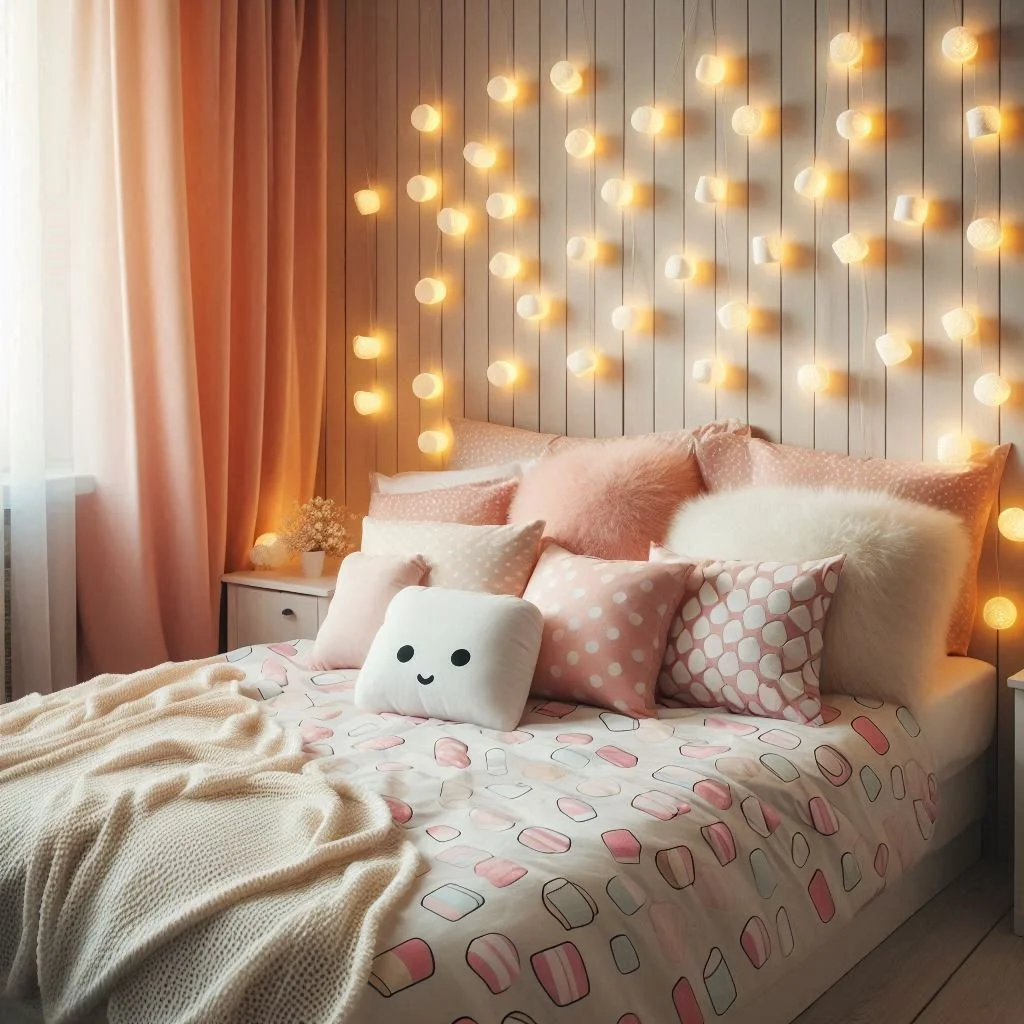
For bedrooms, the bed should usually be the main focal point. Keep bedside tables within easy reach and avoid overcrowding the room with unnecessary furniture. A peaceful bedroom should feel calm, not cramped.
Choose Colours With Purpose
Colour has a powerful effect on how a home feels. Neutral colours such as white, beige, soft grey, and warm taupe create a flexible foundation. They work well because they allow furniture, artwork, rugs, and decorative pieces to stand out.
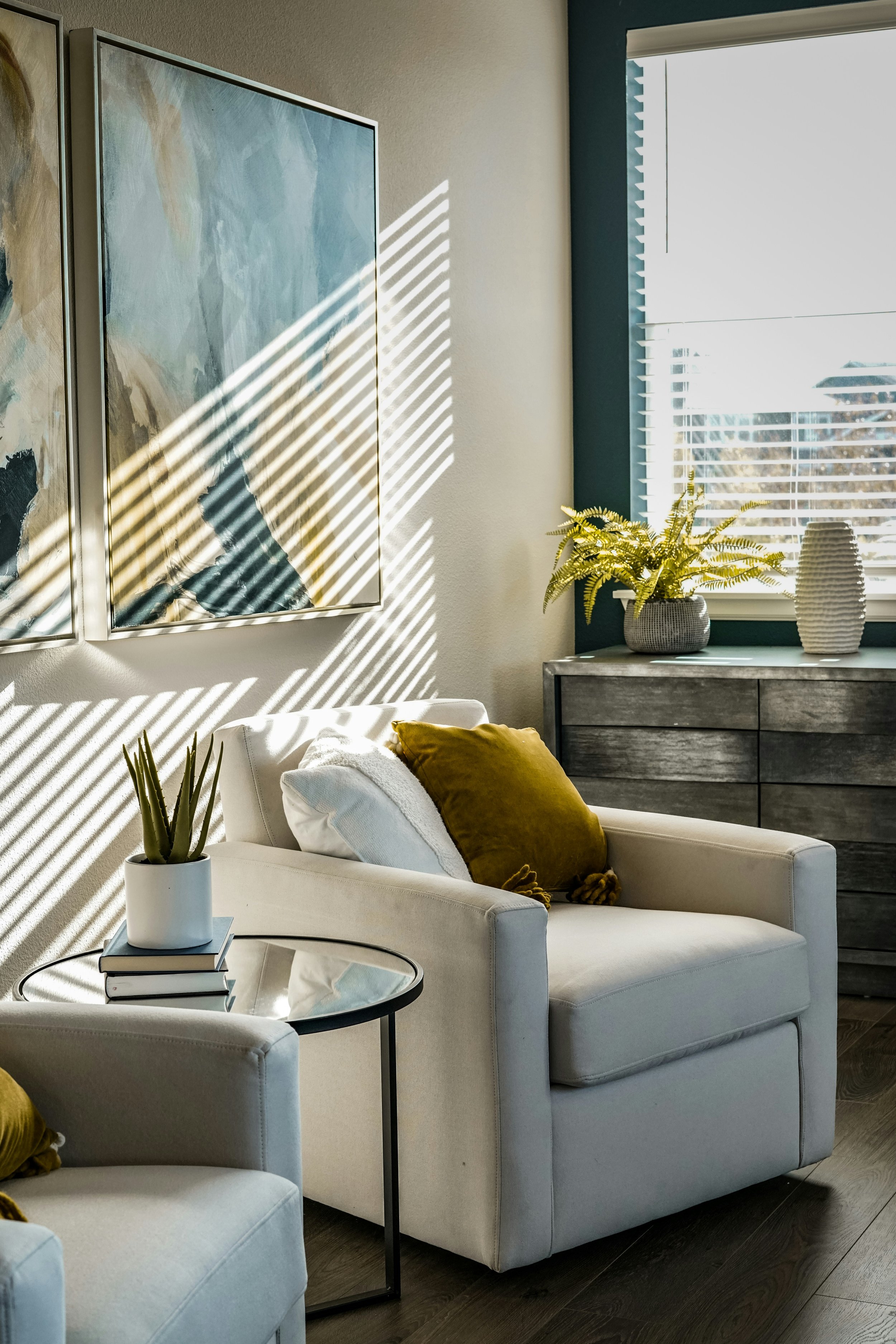
However, a home does not need to be entirely neutral to feel elegant. Accent colours can add personality and depth. Deep green, navy blue, terracotta, muted pink, or warm gold can all create a strong design statement when used carefully.
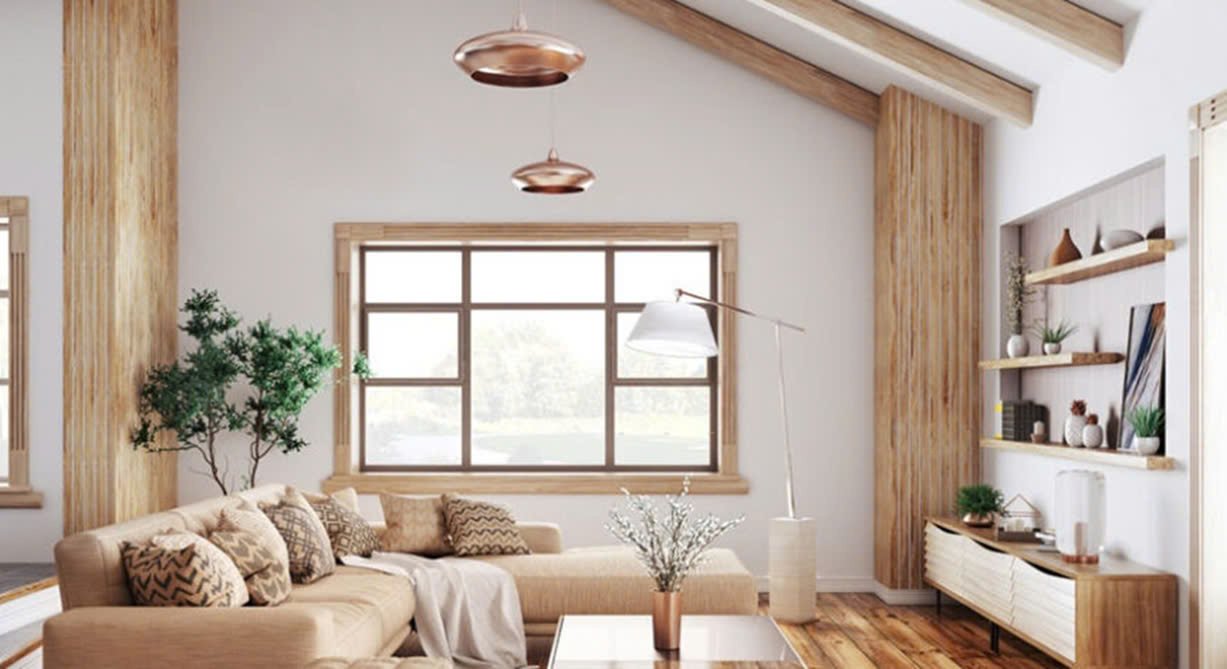
If you are unsure where to begin, choose one main colour, one supporting colour, and one accent colour for each room. This keeps the design consistent without making it boring. For example, a lounge room might use warm white walls, natural timber furniture, and olive green cushions or artwork.
Improve Lighting Before Decorating
Lighting is one of the most overlooked parts of home improvement. A room with poor lighting can feel dull even if it has beautiful furniture. Good lighting usually includes three layers: general lighting, task lighting, and accent lighting.
General lighting comes from ceiling lights or downlights. Task lighting helps with specific activities, such as reading, cooking, or working. Accent lighting highlights features like artwork, shelves, plants, or textured walls.
Warm-toned bulbs often make living rooms and bedrooms feel cosy, while brighter white lighting can be useful in kitchens, laundries, and home offices. Adding lamps, wall lights, or under-cabinet lighting can instantly make a room feel more polished.
Use Texture to Add Warmth
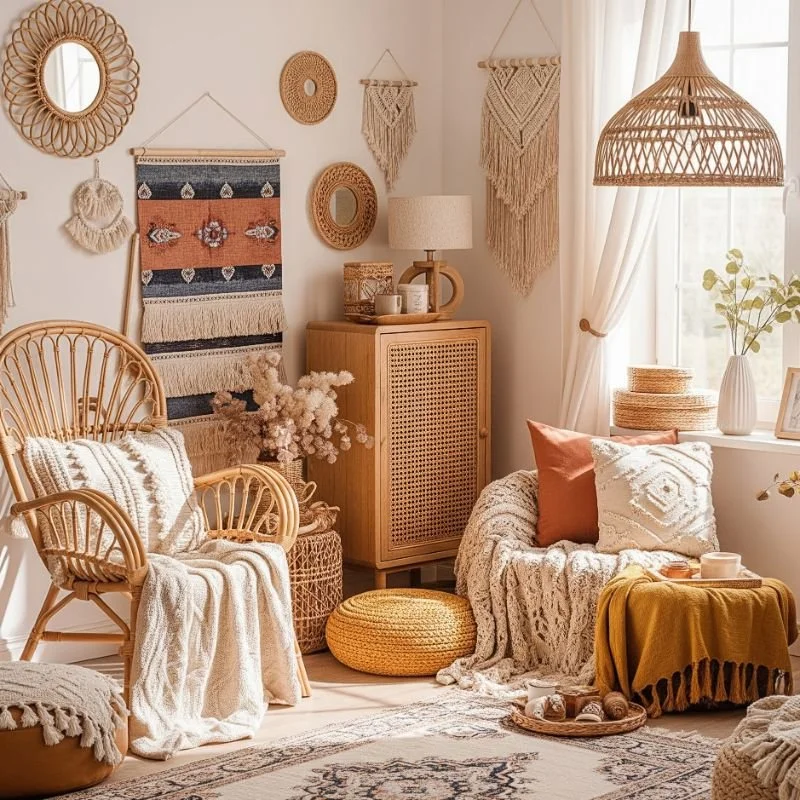
Texture is what makes a room feel complete. Without it, even a well-coloured space can look flat. Texture can come from timber, stone, linen, wool, rattan, ceramic, leather, glass, or metal.
A simple bedroom can feel luxurious with linen bedding, a soft rug, timber bedside tables, and a woven basket. A living room can feel more inviting with cushions, throws, curtains, and natural materials. Mixing textures creates depth and makes the home feel lived-in rather than staged.
The key is balance. Too many glossy surfaces can feel cold, while too many heavy fabrics can feel cluttered. Combining smooth, soft, rough, and natural finishes creates a more interesting space.
Upgrade Storage for a Cleaner Home
Good design is not only about what people see. It is also about what can be hidden away. Clutter can quickly make a home feel smaller and less peaceful, so storage should be part of every home improvement plan.
Built-in cabinets, floating shelves, storage benches, baskets, and drawer organisers can make a big difference. In kitchens, pull-out drawers and pantry organisers can improve daily function. In bathrooms, mirrored cabinets and recessed shelving can keep products off the countertop.
A well-organised home is easier to clean, easier to enjoy, and easier to style. When everything has a place, decorative items can stand out instead of competing with everyday mess.
Refresh the Kitchen Without a Full Renovation
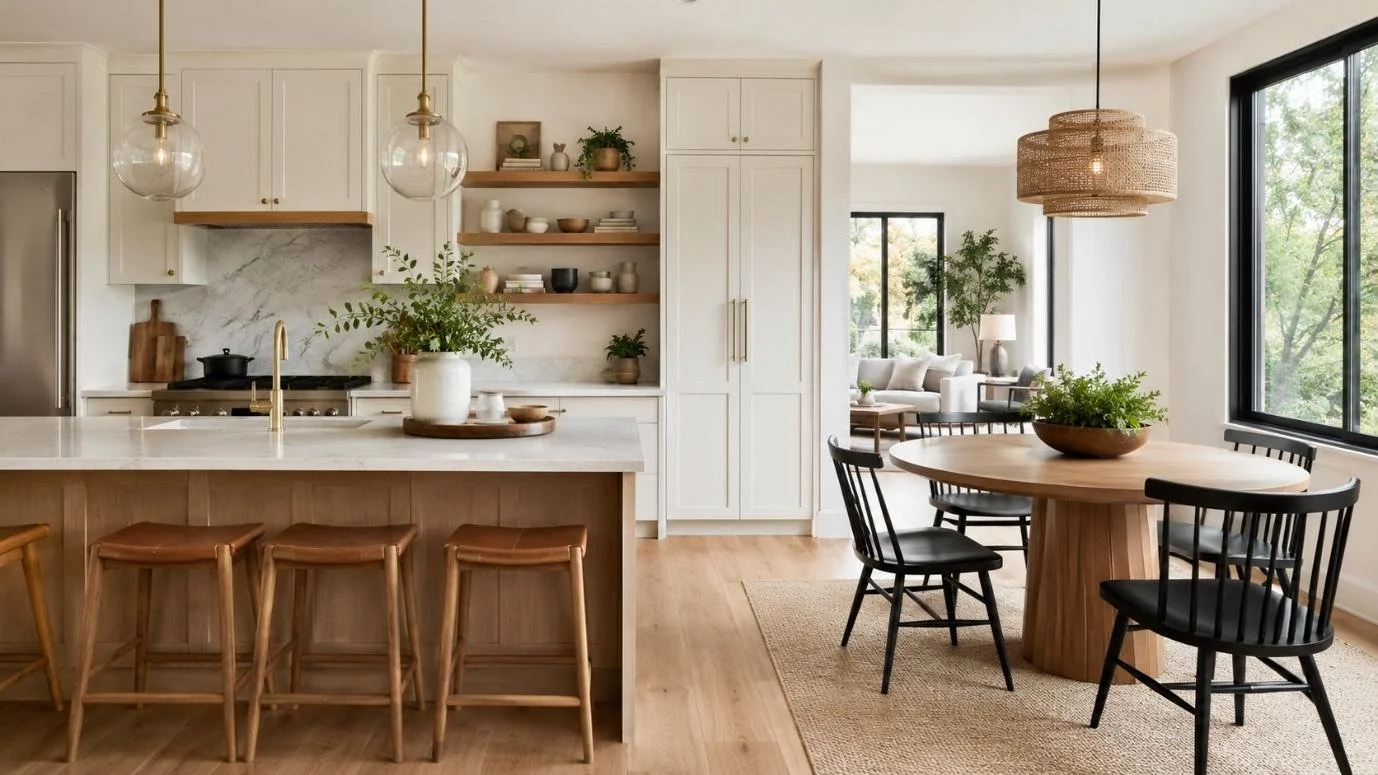
The kitchen is often one of the most expensive rooms to renovate, but not every improvement needs to involve a full rebuild. Smaller upgrades can create a fresh look at a much lower cost.
Painting cabinets, changing handles, updating pendant lights, replacing tapware, or adding a new splashback can transform the space. Even styling open shelves with beautiful bowls, plants, cookbooks, and ceramics can make a kitchen feel more designed.
If the layout already works, focus on visible finishes first. A kitchen that feels clean, bright, and practical can add value to the whole home.
Make Bathrooms Feel Like Retreats
Bathrooms should feel fresh, calm, and functional. If a full renovation is not possible, small improvements can still have a strong impact. Replace old towels with high-quality neutral ones, add a timber stool, use matching containers, and introduce a plant that can handle humidity.
Mirrors are especially useful in bathrooms because they reflect light and make the room feel larger. Wall-mounted storage can also help keep the floor clear, which creates a more open feeling.
For a spa-like atmosphere, choose simple colours, soft lighting, and natural textures. Avoid overcrowding the room with too many products or decorations.
Bring Nature Indoors
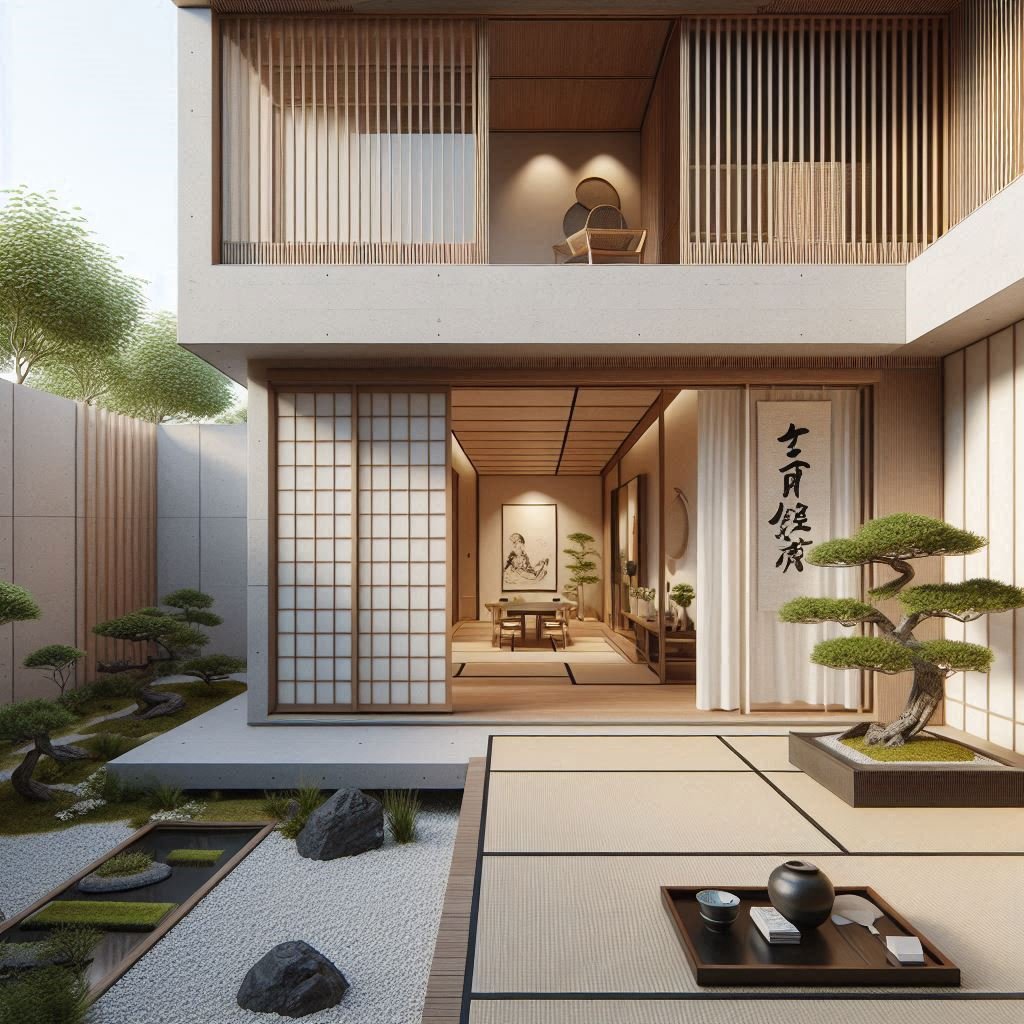
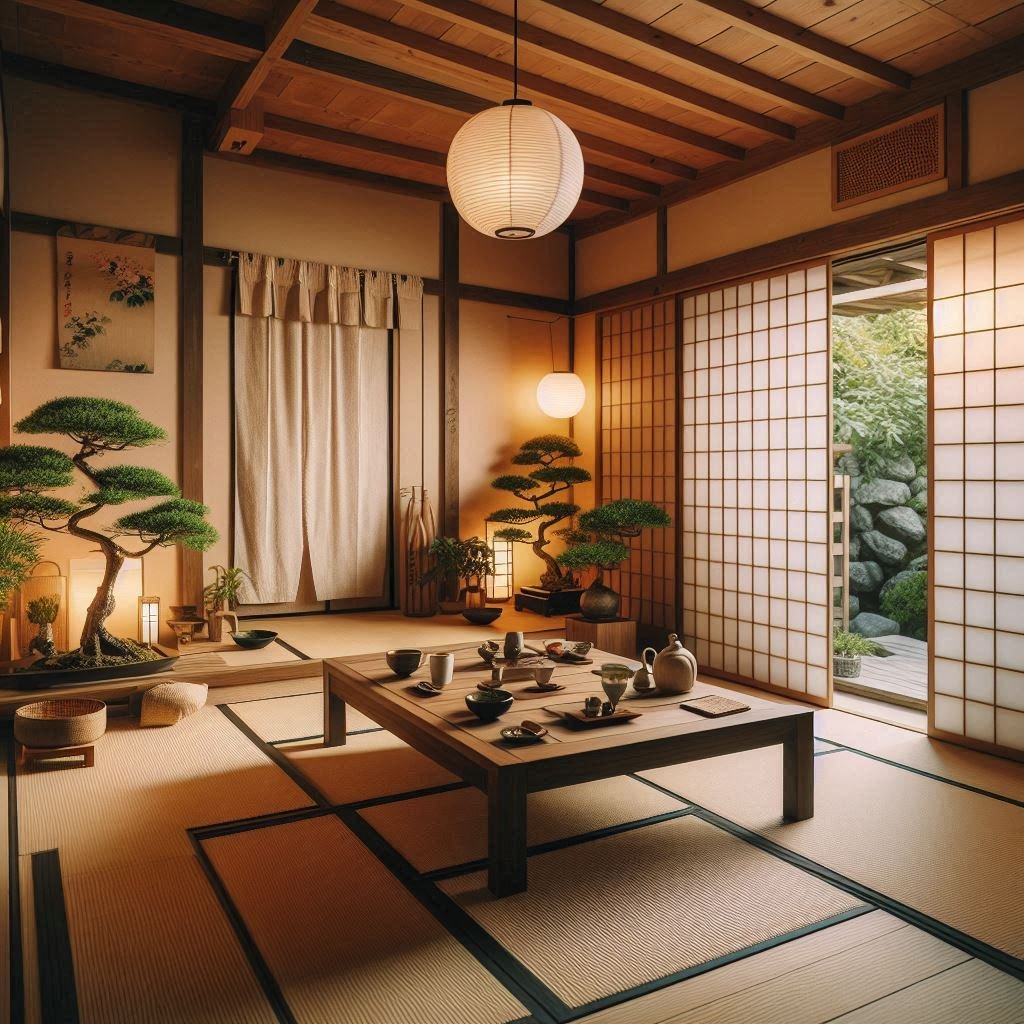
Natural elements make a home feel healthier and more relaxing. Indoor plants, fresh flowers, timber furniture, stone finishes, and natural fibres all help create a connection to the outdoors.
You do not need a large indoor garden to enjoy this effect. A vase of fresh flowers on the dining table, a potted plant near a window, or a small herb garden in the kitchen can make a noticeable difference. These details add movement, colour, and freshness to the home.
Natural design also works well with many styles, including modern, coastal, rustic, Scandinavian, and traditional interiors.
Focus on Personal Details
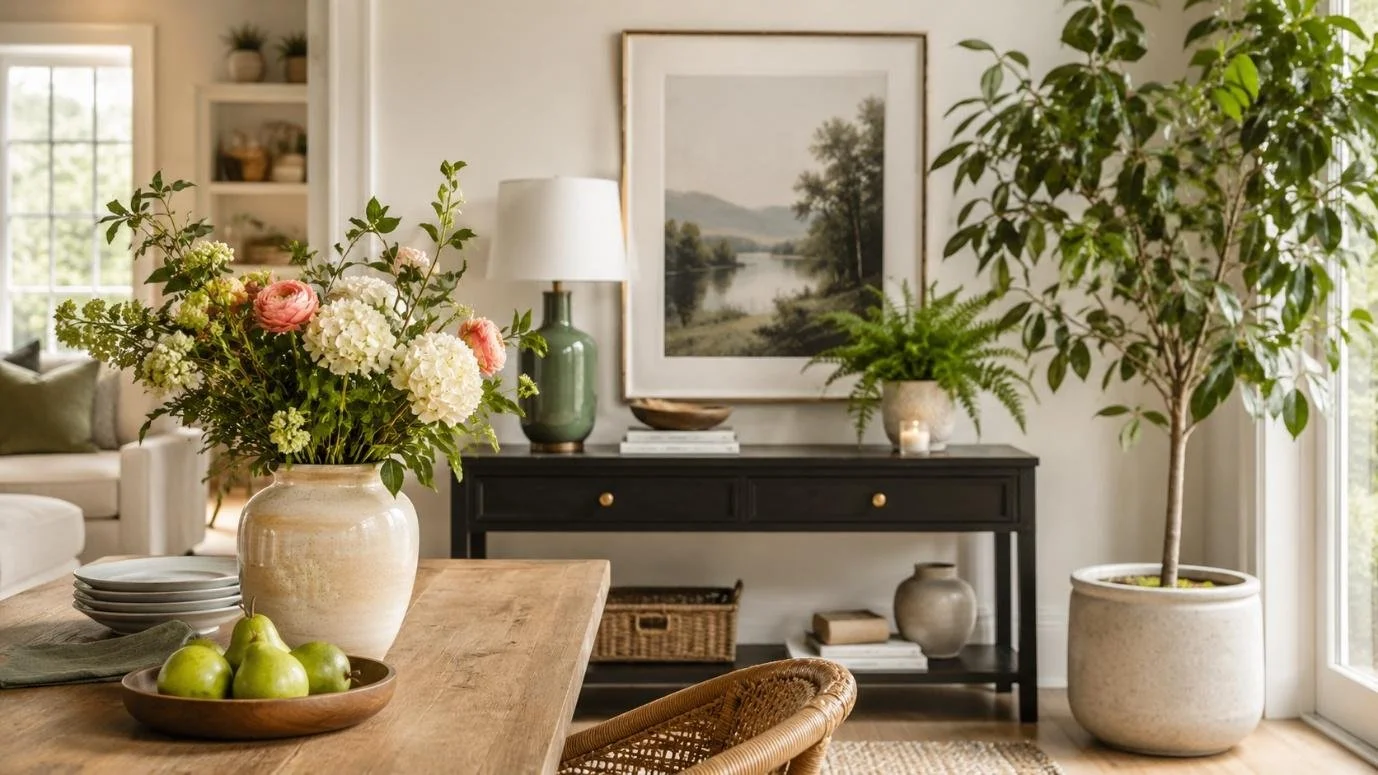
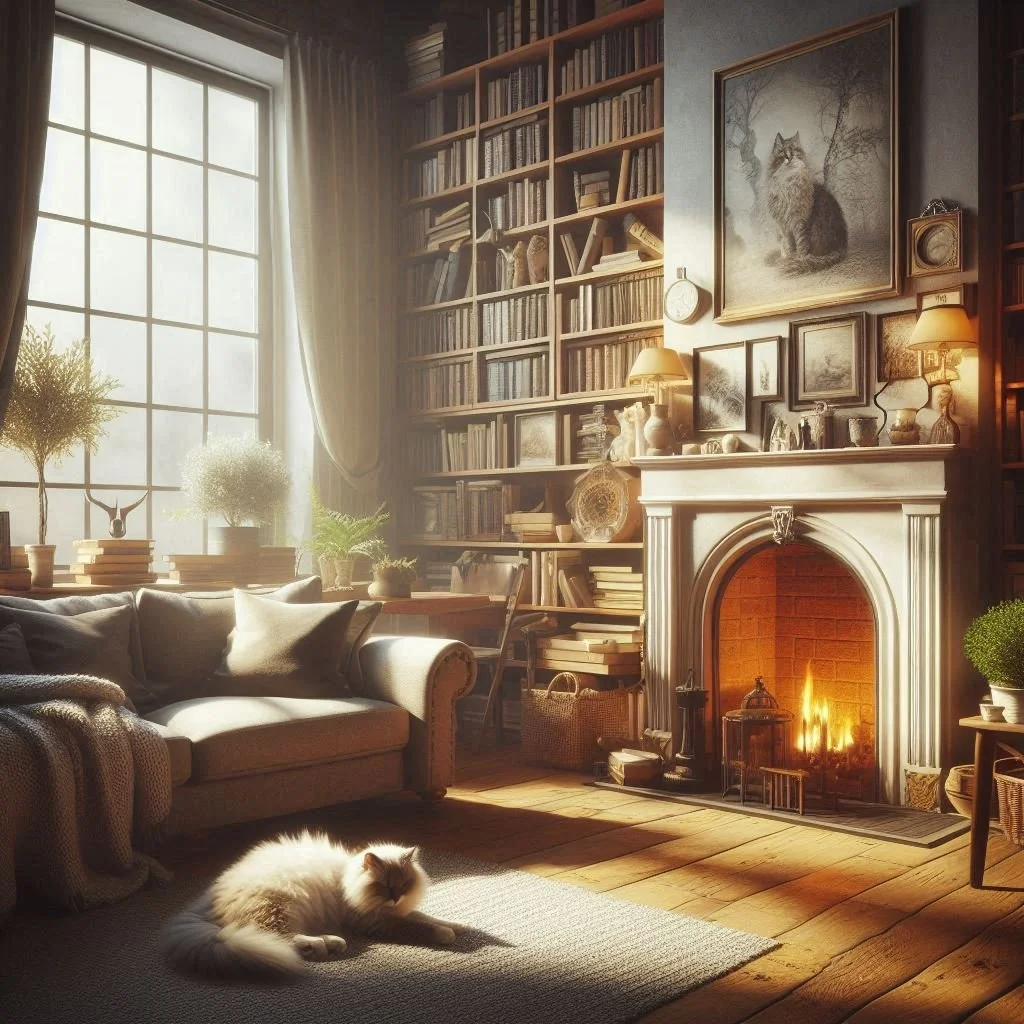
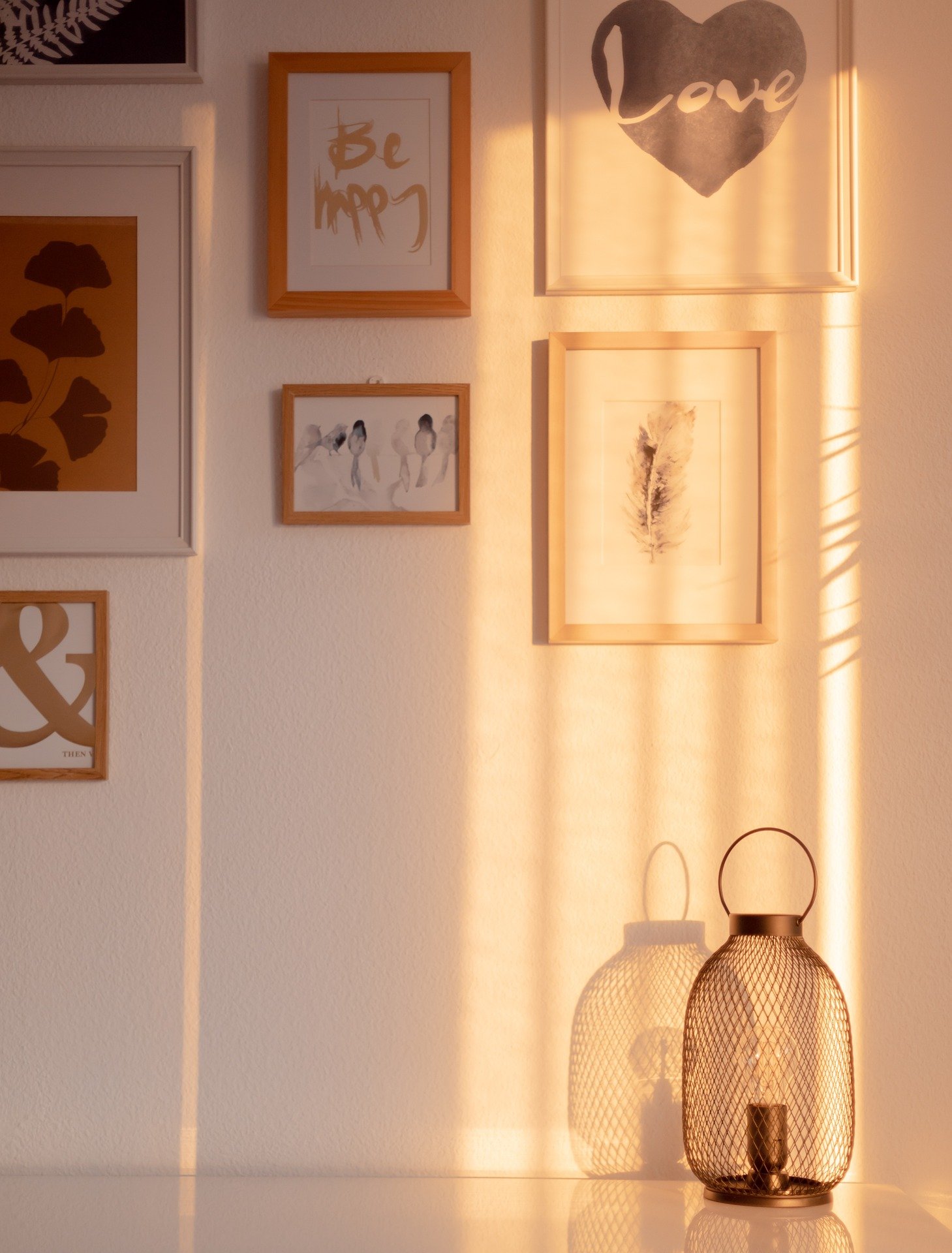
A home should not look like a furniture showroom. Personal details are what make it meaningful. Family photos, travel souvenirs, handmade ceramics, favourite books, heirloom furniture, and original artwork all tell a story.
The secret is to display personal items intentionally. Instead of spreading small objects everywhere, group them together on shelves, consoles, or coffee tables. This creates a curated look while keeping the home tidy.
Personal style does not mean following every trend. In fact, the best interiors often combine timeless foundations with carefully chosen pieces that reflect the people who live there.
Think Long-Term
When improving your home, it is easy to be tempted by fast trends. While trends can be fun, major design decisions should have lasting appeal. Flooring, cabinetry, benchtops, and large furniture pieces are usually worth choosing in classic colours and durable materials.
Use smaller items to experiment with trends. Cushions, lamps, artwork, flowers, rugs, and decorative accessories are easier to change over time. This approach keeps your home flexible without requiring constant renovation.
Final Thoughts
Home improvement is not about creating a perfect space. It is about creating a home that feels comfortable, functional, and beautiful for the people who live there. By improving layout, lighting, storage, colour, texture, and natural details, you can transform your home without losing its personality.
The most successful home designs are thoughtful rather than complicated. Start with the way you live, choose pieces that support your routine, and add details that bring warmth and character. With the right balance of practicality and style, any home can feel more inviting, more personal, and more complete.
Stay up to date with our latest ideas!