Complete Guide to Cable Railing For Your Deck or Outdoor Space
Explore this complete cable railing guide for decks and outdoor spaces, covering design, materials, installation, safety, maintenance, and key factors to consider.
Cable railing has become a popular choice for decks, second-story porches, vacation homes, patios, and outdoor spaces where a bulky railing would get in the way. It has a clean look, but it is still a real guardrail system. The materials, frame, spacing, cable tension, and installation all need planning before the project starts.
What Is Cable Railing?
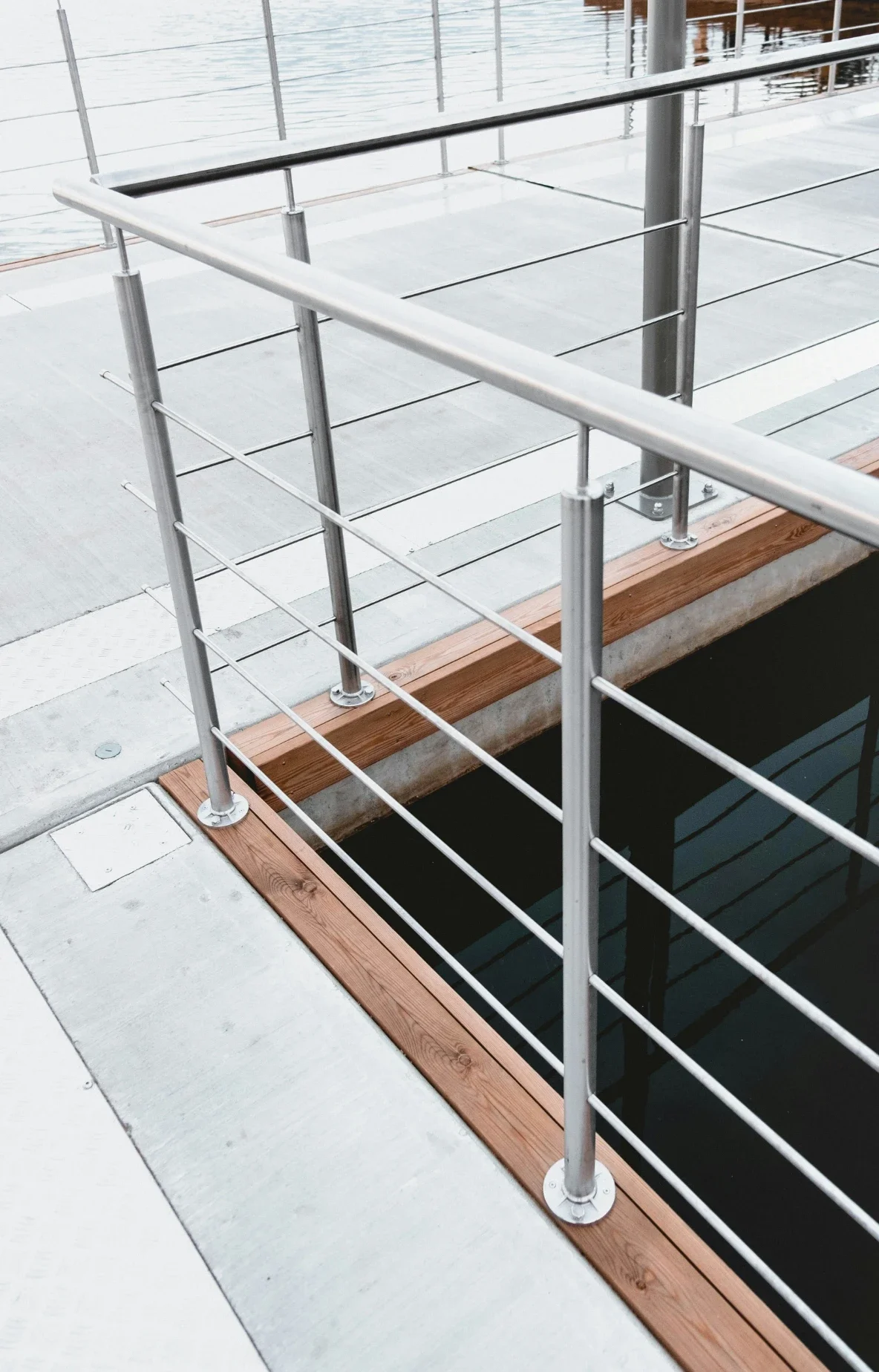
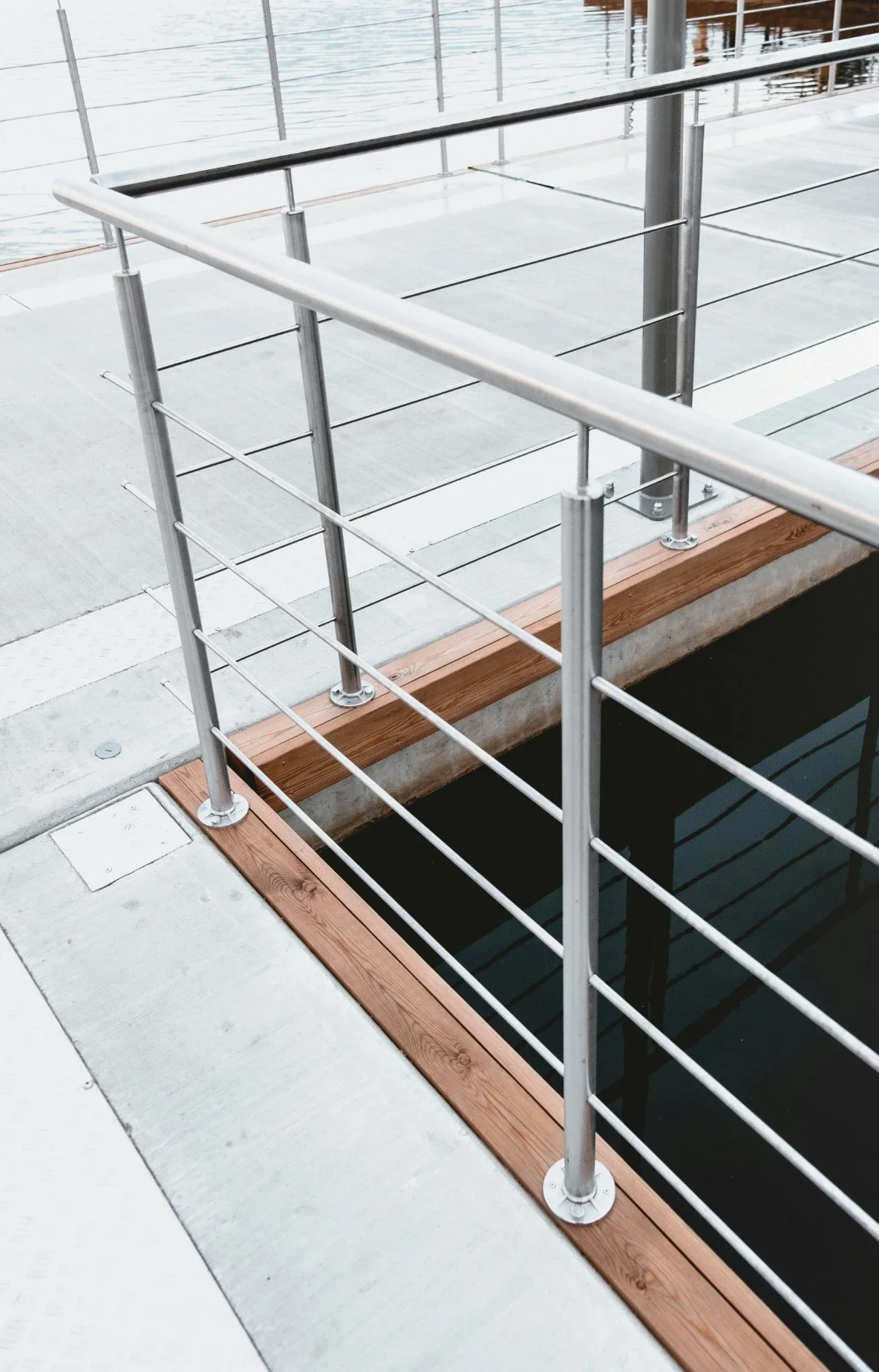
Cable railing uses horizontal stainless steel cables instead of traditional wood pickets, iron balusters, or glass panels. The cables usually run between metal posts, wood posts, or a custom metal frame. The top rail may be steel, aluminum, wood, or another material that fits the design.
You will see cable railing on decks, balconies, porches, stairways, lofts, and some interior spaces. It works especially well where the owner wants a rail system that feels lighter and less visually crowded.
Protect The View
One of the main reasons why custom metalworking shops choose cable railing is the view. A second-story deck at a cabin, lodge, lake house, or hillside home can lose a lot of its appeal when the railing blocks the best sightlines. Cable rail leaves more open space between posts, so you still get a safe barrier without turning the deck edge into a visual wall.
It can also work well for smaller porches and patios. Even when there is no dramatic view, the thinner lines can make the outdoor space feel more open. That is part of the appeal. Cable railing does not usually draw attention to itself. It lets the deck, landscaping, patio furniture, and surrounding property do more of the talking.
Choose The Right Material
The cable itself is usually stainless steel. For outdoor projects, the quality of the stainless matters. Lower-grade materials may look fine at first, but moisture and exposure can lead to staining or corrosion over time. Many outdoor systems use 316 stainless steel cable and fittings because that material handles moisture and harsher conditions better than many cheaper options.
The frame can be steel, aluminum, wood, or a combination. Powder-coated steel gives a strong, custom look and works well for many deck and stair layouts. Aluminum is lighter and often used in manufactured railing systems. Wood can work on certain decks, but it needs more upkeep and must be sturdy enough to hold cable tension properly.
Pick A Color That Fits The Space
Cable railing does not have to mean shiny metal everywhere. Many systems use black, bronze, gray, white, or custom powder-coated posts and rails. Black is a common choice because it tends to recede visually, especially outdoors. Bronze can look warmer against wood decking or natural stone. White may fit certain porch styles, but it will stand out more.
The right color depends on the home, deck boards, trim, doors, windows, and any existing metalwork nearby. A good railing should look like part of the property, not like a kit that happened to be available that week.
Know How Long It Can Last
A well-built cable railing system can last many years, but the lifespan depends on the materials and installation. Stainless cable, quality fittings, strong posts, and a good frame all play a role. Powder-coated metal frames can also hold up well when the finish is applied properly and cleaned as needed.
Maintenance is usually simple. You may need to clean the railing occasionally, check for loose fittings, and have cable tension adjusted if the system starts to relax. Outdoor railings always deal with moisture, pollen, dirt, and regular use, so “low maintenance” should not be confused with “ignore it forever.”
Understand The Cost
Cable railing usually costs more than basic wood railing or a simple picket system. The final price depends on the linear footage, number of corners, stair sections, post material, top rail style, finish, cable hardware, and site conditions. A straight deck run is easier to price than a deck with several stairs, angles, gates, and landings.
As a broad planning range, professionally installed cable railing often lands somewhere around $75 to $260 per linear foot. Simple systems may come in lower than complex custom work, while higher-end materials, stairs, glass combinations, custom powder coating, or difficult installation conditions can push the price up. The best way to price it is to measure the project and review the layout with someone who installs these systems regularly.
Decide If You Need Balusters Too
Cable railing usually takes the place of balusters within that railing system. Instead of vertical wood or metal pieces, the horizontal cables fill the space between posts. That said, some homes still need custom balusters in other areas.
For example, you might use cable rail on the deck but choose metal balusters for the interior staircase. You might also want new metal balusters on a porch or stair section that connects to a cable rail deck. Mixed systems can look great, but they need a plan. The spacing, color, post style, and overall design should feel connected from one area to the next.
Think Twice Before DIY
Cable railing looks simple once it is finished, which is exactly why many homeowners underestimate the installation! But please note, the hard part is not pulling cable through posts. The hard part is getting the frame strong enough, the posts spaced correctly, the stair angles clean, the corners planned, and the cable tension right, usually by having a custom metalworking pro fabricate the rails for you..
Common DIY problems include sagging cables, wobbly posts, uneven spacing, awkward stair transitions, cheap fittings, poor rust resistance, and a finished rail that looks slightly off from every angle. On a ground-level patio, a small mistake may be annoying. On a second-story deck, balcony, or stairway, the stakes are higher.
A professional installer can also help with local code requirements, rail height, cable spacing, anchoring, and product selection. Hiring a pro may cost more upfront, but it can save you from buying the wrong materials or rebuilding sections that never should have been installed that way.
Plan The Project Before You Buy Materials
Before choosing a cable railing system, look closely at the space. Count the corners. Measure the stairs. Notice where gates may be needed. Think about whether the railing should match existing handrails, fencing, doors, windows, or exterior trim. Decide whether the view is the main priority or whether the railing needs to make more of a design statement.
It also helps to think about the top rail. Some homeowners want a slim metal cap. Others prefer wood because it feels warmer to the touch and matches the deck. The top rail changes the look more than many people expect.
Cable railing can be a great fit for decks, porches, patios, stairs, balconies, and outdoor living spaces when the design is planned well. It keeps the view open, gives the space a cleaner look, and can last a long time with the right materials. The best systems look simple because the measurements, frame, finish, hardware, and installation were handled the right way from the start.
Stay up to date with our latest ideas!