Common Sprinkler Installation Mistakes Frisco Homeowners Should Avoid
Learn the most common sprinkler installation mistakes Frisco homeowners should avoid to ensure efficient watering, healthy lawns, and long-term system reliability.
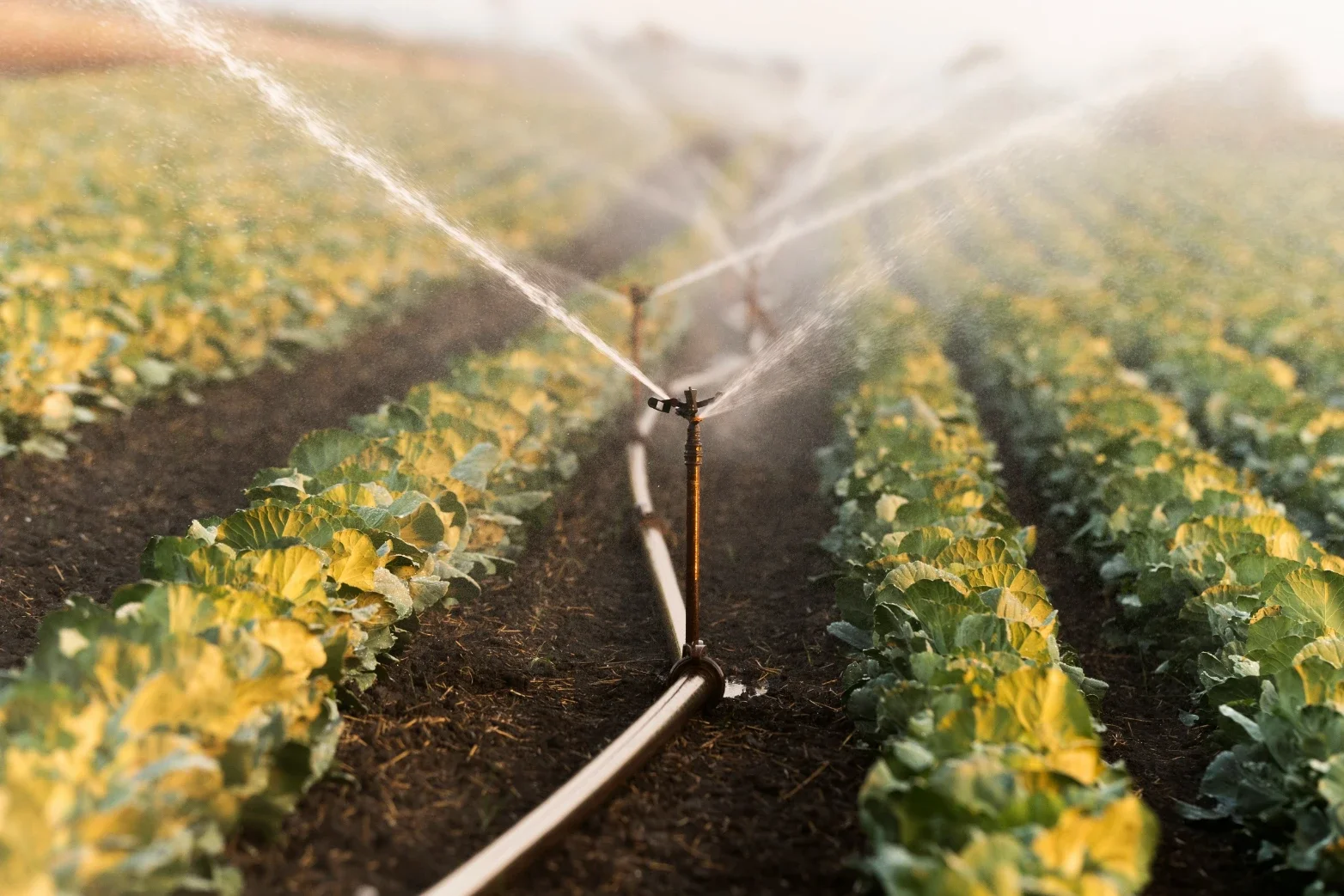
Installing a sprinkler system seems straightforward on the surface. Pipes go underground, heads pop up, water flows, and the lawn stays green—right? In reality, sprinkler installation is one of the most common places homeowners in Frisco make costly mistakes. Between Texas heat, clay-heavy soil, shifting ground, and strict water-use expectations, small errors during installation can turn into ongoing problems that waste water, damage landscapes, and require expensive repairs later.
Many of the sprinkler issues professionals fix in Frisco and Collin County don’t come from old systems—they come from systems that were installed incorrectly from day one.
This guide breaks down the most common sprinkler installation mistakes Frisco homeowners should avoid, why they happen, and how proper planning and professional installation protect your lawn, your home, and your water bill.
Why Sprinkler Installation Is Different in Frisco, TX
Frisco isn’t like other parts of the country. Local conditions play a huge role in how irrigation systems perform.
Key challenges include:
Expansive clay soil that shifts as it dries and rehydrates
Long stretches of extreme summer heat
Sudden heavy rainstorms
Neighborhood grading and drainage issues
Mixed landscapes with turf, beds, and trees
A sprinkler system that isn’t designed with these factors in mind often fails early—or never works efficiently at all.
Mistake 1: Skipping a Proper Irrigation Design Plan
One of the biggest mistakes homeowners make is jumping straight into installation without a clear design.
Common problems with no design plan:
Uneven watering
Too many heads on one zone
Poor pressure distribution
Overspray onto sidewalks and driveways
Every property is different. Yard size, slope, sun exposure, soil type, and plant selection all affect how water should be delivered. A proper design maps out zones, head placement, pipe sizing, and water pressure requirements before digging begins.
Mistake 2: Using the Wrong Type of Sprinkler Heads
Not all sprinkler heads are created equal. Installing the wrong type leads to wasted water and stressed plants.
Frequent errors include:
Spray heads used where rotors are needed
Mismatched heads within the same zone
Heads with incorrect spray patterns
Fixed spray heads in high-wind areas
In Frisco’s summer heat, misting from improper heads evaporates before water ever reaches the soil. Proper head selection ensures water reaches roots instead of disappearing into the air.
Mistake 3: Poor Zone Layout and Grouping
Zones are the backbone of an efficient sprinkler system. When zones are poorly planned, the entire system suffers.
Common zoning mistakes:
Mixing turf and flower beds in the same zone
Combining sun-heavy and shaded areas
Running too many heads on one zone
Ignoring pressure limitations
Grass, shrubs, and flower beds all have different watering needs. Without proper zoning, some areas get drowned while others dry out.
Mistake 4: Ignoring Water Pressure and Flow Rate
Water pressure isn’t unlimited. Many installation problems stem from assuming more heads equal better coverage.
Problems caused by ignoring pressure:
Weak spray patterns
Heads that barely pop up
Inconsistent coverage
Premature system wear
Professional installers calculate flow rates and pressure to determine how many heads each zone can support. Skipping this step almost guarantees performance issues.
Mistake 5: Incorrect Pipe Depth and Trenching
How deep irrigation pipes are buried matters more than many homeowners realize.
Shallow pipes can:
Crack during freezes
Shift as soil expands
Get damaged by lawn equipment
Pipes buried too deep:
Increase labor costs
Make repairs harder
Reduce system responsiveness
In North Texas, proper trench depth protects pipes while allowing flexibility as soil moves.
Mistake 6: Poor Head Placement and Spacing
Sprinkler heads should work together, not against each other.
Common placement errors:
Heads spaced too far apart
Heads blocked by plants or hardscapes
Heads installed too close to foundations
Heads spraying fences or structures
A well-installed system uses head-to-head coverage so water reaches evenly across the lawn without dry spots or runoff.
Mistake 7: Failing to Account for Drainage
Irrigation and drainage go hand in hand. Installing sprinklers without considering drainage can create bigger problems than it solves.
Signs this mistake was made:
Water pooling after irrigation
Soil erosion
Foundation moisture issues
Washed-out mulch or turf
In Frisco, surface drains (catch basins), French drains (perforated drains), and channel drains are often necessary to move excess water away from problem areas. Sprinklers should complement drainage—not overwhelm it.
Mistake 8: Installing Without Backflow Protection
Backflow prevention is not optional. It protects your drinking water from contamination.
Mistakes include:
No backflow device installed
Improper device placement
Failure to meet local code requirements
Backflow protection keeps irrigation water, fertilizers, and debris from flowing back into the main water supply. This is a safety issue, not just a technical detail.
Mistake 9: Using Low-Quality Parts to Save Money
Trying to cut costs during installation often leads to higher expenses later.
Cheap components can cause:
Frequent leaks
Valve failures
Broken heads
Electrical issues
Texas heat is hard on irrigation systems. Quality valves, heads, fittings, and controllers last longer and perform better under stress.
Mistake 10: Improper Valve and Manifold Installation
Valves control water flow to each zone. Poor valve installation causes ongoing headaches.
Common valve issues:
Valves buried too deep or too shallow
No valve boxes for access
Poor wiring connections
Leaks at fittings
When valves fail, repairs become more expensive if they aren’t accessible or installed correctly.
Mistake 11: Skipping Smart Controllers and Modern Technology
Older timer-based systems still work—but they don’t work efficiently.
Problems with outdated controllers:
Watering during rain
Overwatering during cooler weeks
Manual reprogramming required
Smart controllers adjust watering based on weather conditions and seasonal needs. In Frisco’s changing climate, this technology helps conserve water and protect landscapes.
According to the U.S. Environmental Protection Agency, smart irrigation controllers can reduce outdoor water use by up to 30% when properly installed.
Mistake 12: Forgetting Sprinkler Winterization
Even in North Texas, winter freezes happen—and they cause serious damage.
Skipping winterization can lead to:
Cracked pipes
Broken fittings
Valve damage
Sprinkler winterization removes water from the system before freezing temperatures hit, protecting your investment and avoiding surprise repairs in spring.
Mistake 13: DIY Installation Without Local Knowledge
DIY sprinkler kits make installation look easy, but they don’t account for Frisco-specific conditions.
DIY risks include:
Incorrect zoning
Code violations
Drainage conflicts
Hidden leaks
Local experience matters. What works in one region can fail quickly in Collin County’s soil and climate.
How These Mistakes Cost Homeowners Long-Term
Poor sprinkler installation doesn’t just affect water usage. It can lead to:
Higher water bills
Constant repairs
Damaged landscaping
Drainage and foundation issues
Reduced property value
Fixing mistakes after installation often costs more than doing it right the first time.
Why Professional Installation Makes a Difference
Professional sprinkler installation service ensures:
Proper system design
Correct head selection
Balanced pressure and zoning
Code-compliant backflow protection
Integration with drainage and landscape features
Professionals don’t just install sprinklers—they design systems that work with your entire outdoor environment.
Frisco Landscapes Require a Complete Approach
Sprinklers are only one part of a healthy outdoor system. The best results come when irrigation, drainage, lighting, and landscape design work together.
A coordinated approach:
Protects your lawn and foundation
Reduces water waste
Improves curb appeal
Creates functional outdoor spaces
When to Evaluate Your Existing System
If your system shows any of these signs, it may have installation issues:
Persistent dry or soggy areas
Uneven coverage
Frequent leaks
Rising water bills
Seasonal failures
A professional inspection can identify whether problems stem from design flaws or aging components.
Final Thoughts for Frisco Homeowners
Sprinkler installation mistakes are common—but they’re also avoidable. Taking shortcuts during installation often leads to years of frustration and unnecessary expense.
Frisco homeowners benefit most from systems designed specifically for North Texas soil, climate, and drainage needs. Doing it right the first time protects your lawn, your home, and your budget.
Trusted Sprinkler & Drainage Experts in Frisco, TX
If you’re planning a new sprinkler system or dealing with issues caused by poor installation, working with experienced local professionals makes all the difference.
Casas Irrigation Drainage and More provides the best sprinkler repair, sprinkler installation, drainage solutions, and landscape services in Frisco, TX. Their team specializes in surface drains (catch basins), French drains (perforated drains), channel drains, drip irrigation, sprinkler winterization, landscape lighting (no Christmas lights), and full landscape design and installation.
With deep knowledge of Frisco and Collin County conditions, Casas Irrigation Drainage and More delivers reliable, efficient systems that protect your property and keep outdoor spaces healthy year-round.
Stay up to date with our latest ideas!