Why Functional Building Design Is as Important as Visual Impact
Discover why functional building design matters just as much as visual impact, improving usability, efficiency, comfort, and long term performance.

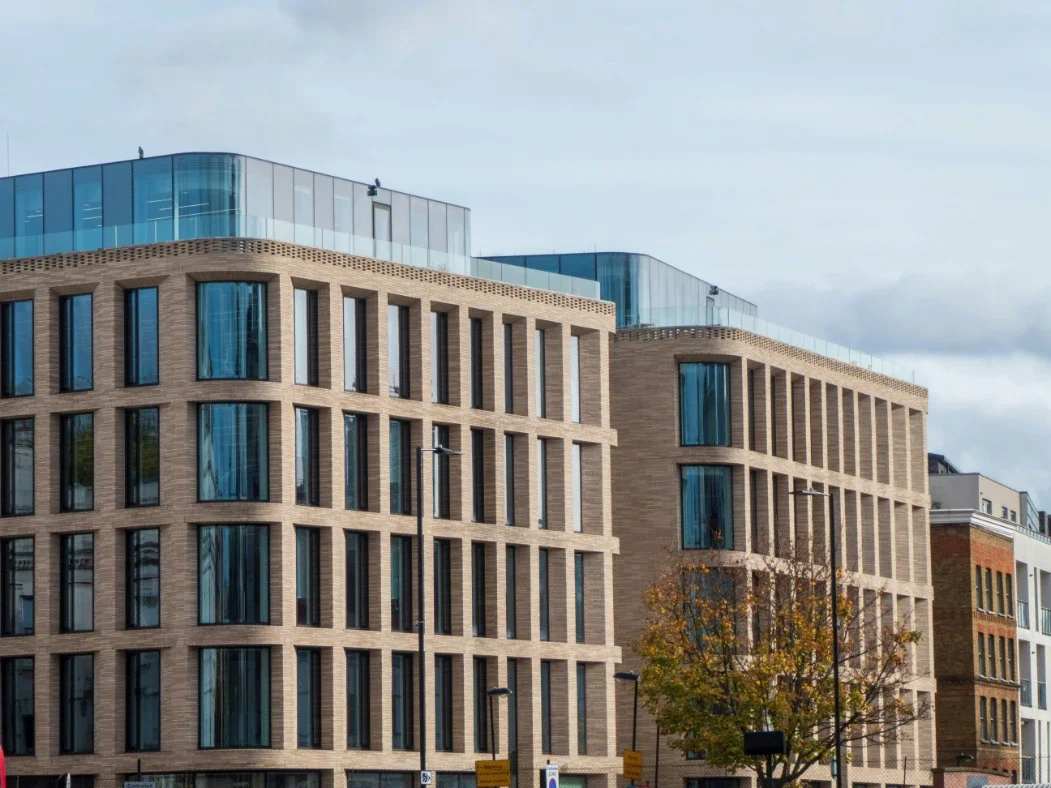
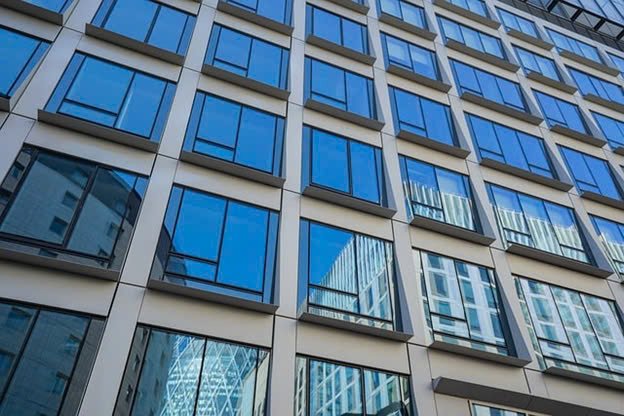
Great architecture often captures attention through visual impact. Elegant facades, dramatic interiors, and distinctive design elements shape how we experience a building. From luxury residences to modern commercial spaces, aesthetics play a major role in defining architectural identity.
However, the most successful buildings balance beauty with functionality. A visually striking space may attract admiration, but if the building fails to support everyday activities efficiently, that initial impression quickly fades.
Today, architects and developers increasingly recognize that functional infrastructure is just as important as visual design.
“A building should not only look beautiful. It should work beautifully as well.”
The Role of Functional Design in Modern Buildings
Functional design focuses on how people move through and interact with a space. It considers how systems, services, and daily operations support the building's occupants.
Well-planned buildings anticipate practical needs such as:
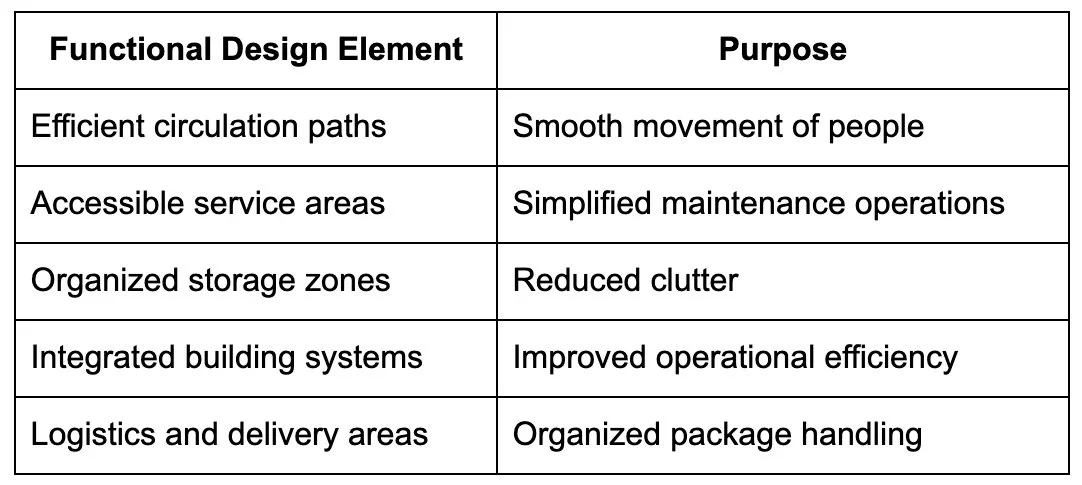
These elements often operate quietly behind the scenes, but they play a critical role in how comfortable and efficient a building feels.
Why Modern Buildings Require Better Infrastructure
Urban living has evolved significantly in recent years. Residential towers, mixed-use developments, and office buildings now support a wide range of activities beyond traditional occupancy.
Residents receive frequent online deliveries. Offices rely on daily courier shipments. Retail spaces require a constant supply restocking.
Without proper infrastructure, these activities can quickly create operational challenges.
For example, many buildings now struggle with the rising volume of incoming packages.
Mailrooms originally designed for letters must now handle dozens, or even hundreds, of deliveries each week.
Designing Buildings for Modern Delivery Needs
Forward-thinking architects are beginning to incorporate logistics considerations into building layouts.
Dedicated delivery zones, organized storage spaces, and digital tracking systems help properties manage the increasing flow of parcels entering modern buildings.
Many properties now use digital mailroom software to support these delivery operations.
These systems allow building staff to log packages quickly, automatically notify recipients, and maintain organized delivery records.
By integrating technology into building operations, designers ensure that service areas function as smoothly as public spaces.
The Intersection of Design and Technology
Functional design today often relies on smart technologies that support building infrastructure.
Digital systems help automate and simplify many operational processes.
In high-activity buildings, efficient parcel management software enables staff to track incoming deliveries and maintain visibility throughout the entire parcel-handling process.
Key operational improvements include:
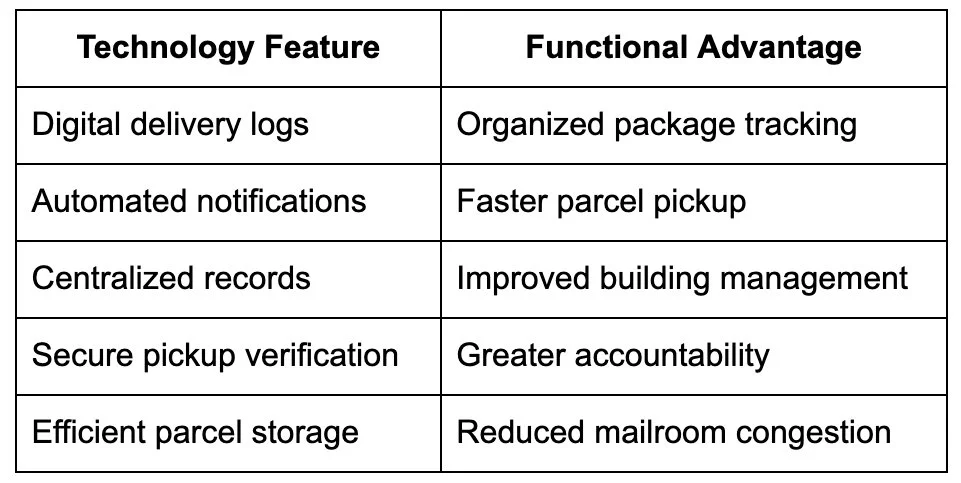
These tools ensure that buildings remain organized even as delivery volume increases.
Improving Daily Life for Occupants
Functional design ultimately enhances the experience of people using the building every day.
When infrastructure supports daily routines effectively, occupants experience fewer frustrations and smoother interactions with their environment.
Examples of functional improvements include:
Clear navigation throughout the building
Efficient service and maintenance access
Organized delivery systems
Smart lighting and energy management
Convenient shared amenities
These features may not always be immediately visible, but they greatly influence how comfortable and efficient a space feels.
“The best design solutions are often the ones people never notice because everything simply works.”
A Balance Between Beauty and Function
Architectural design is most successful when form and function work together.
A visually impressive building captures attention, but functional infrastructure ensures long term usability.
When architects consider operational needs alongside aesthetics, buildings become more adaptable, efficient, and sustainable.
Modern design is increasingly moving in this direction. Instead of focusing solely on visual expression, architects are designing spaces that integrate technology, logistics, and user experience into the building's core structure.
Designing for the Future of Living Spaces
As cities grow and buildings become more complex, the importance of functional infrastructure will only increase.
Future architectural projects will likely place even greater emphasis on smart systems, efficient service areas, and adaptable operational spaces.
By combining thoughtful design with practical functionality, architects can create buildings that not only look impressive but also support the evolving needs of modern life.
Because in the end, great architecture is not defined only by how a building appears. It is defined by how well it works for the people who use it every day.
Stay up to date with our latest ideas!