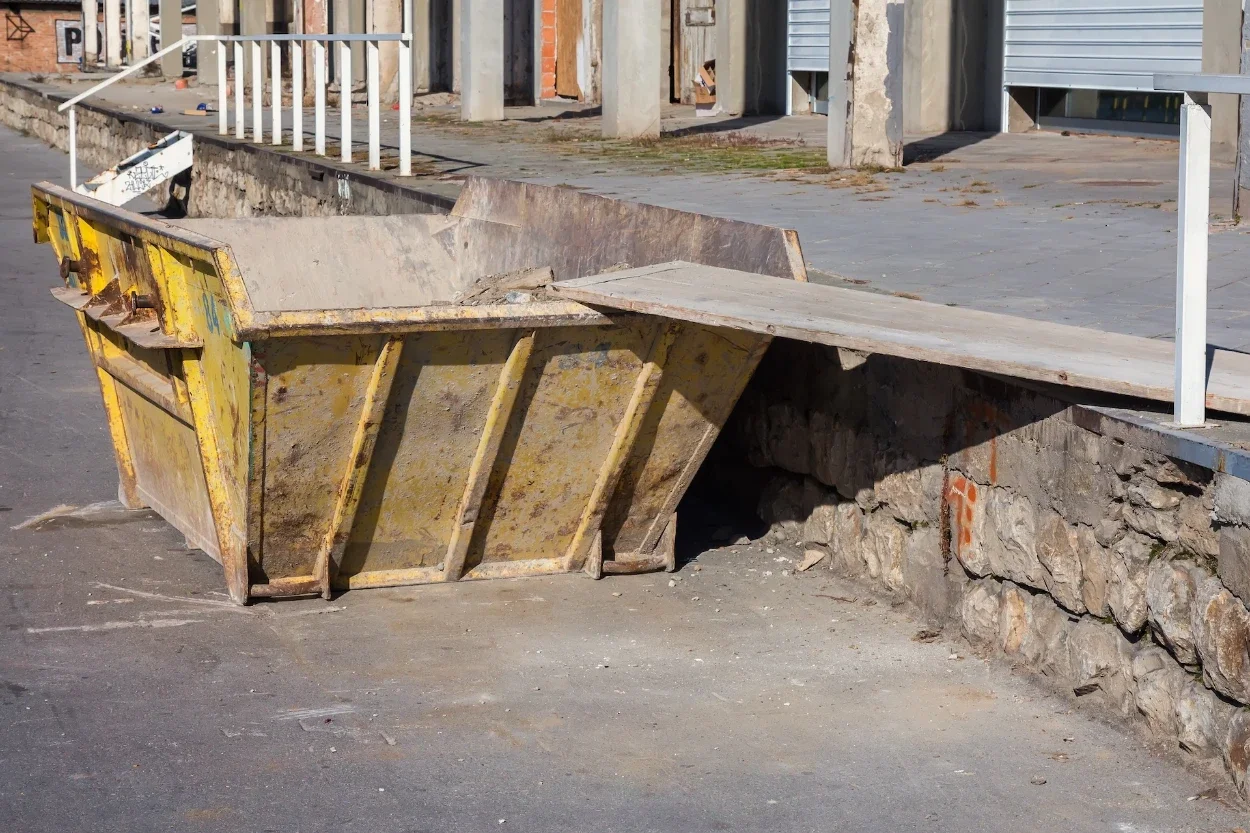
Skip Bins for Household Decluttering: What Size Do You Need?
Find the right skip bin size for household decluttering with tips on capacity, waste types, and choosing an option that fits your cleanup needs.
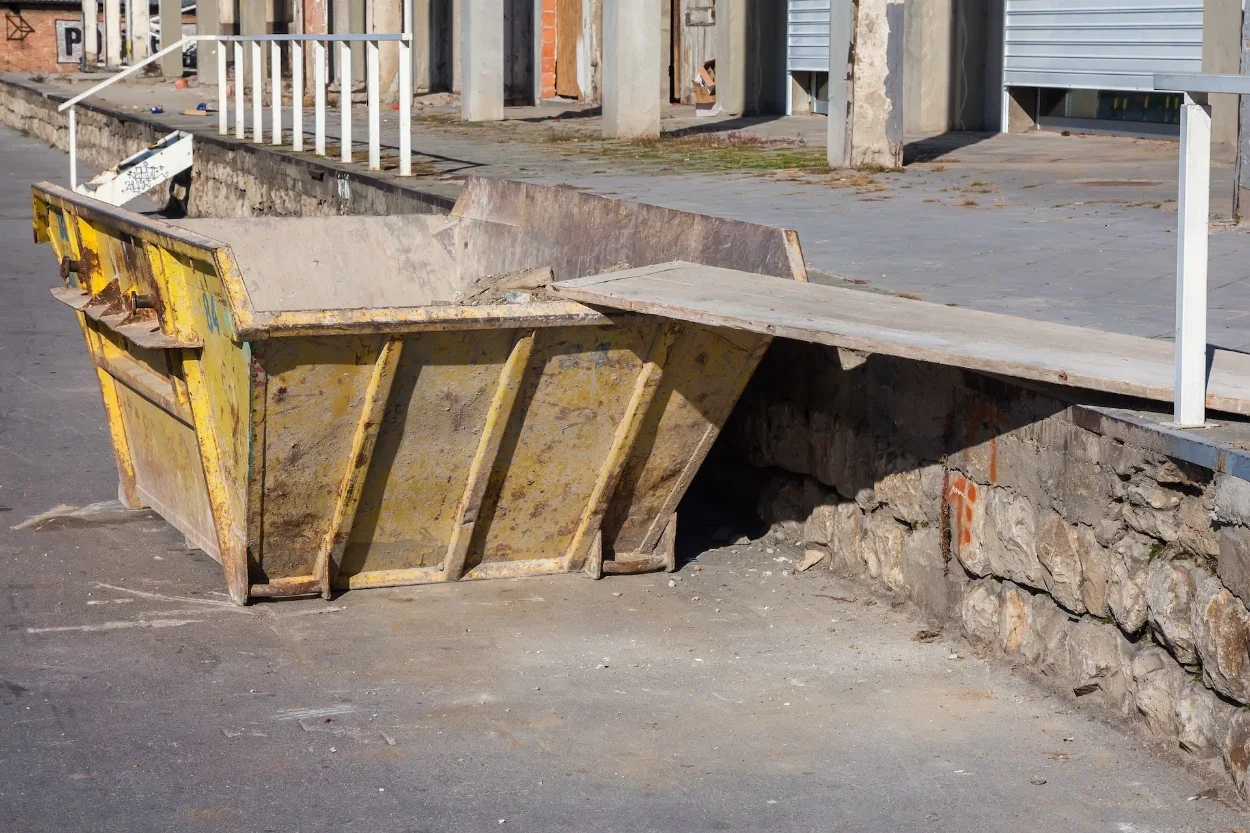
Decluttering your home can feel like a huge task, especially when rubbish starts piling up faster than expected. Whether you’re cleaning out a garage, downsizing, or doing a full home reset, choosing the right size skip bins is key to keeping things efficient and cost-effective.
Too small, and you’ll run out of space. Too large, and you may end up paying for capacity you don’t use. Here’s how to choose the right size for your project.
Why Size Matters
Selecting the correct skip bin size helps you:
Avoid overfilling (which can result in extra fees)
Minimise the need for multiple bins
Stay within budget
Keep your project running smoothly
A well-sized bin makes the entire decluttering process easier.
Common Skip Bin Sizes Explained
Skip bins are typically measured in cubic metres (m³), which refers to the volume of waste they can hold.
2–3m³ Skip Bins (Mini Skips)
Best for small clean-ups or single-room decluttering.
Ideal for:
Bathroom or laundry clean-outs
Small garden tidy-ups
General household rubbish
This size is perfect if you’re just getting started or tackling a small area.
4–6m³ Skip Bins (Mid-Size)
A popular choice for general home decluttering.
Suitable for:
Garage or shed clean-outs
Furniture removal
Medium household clean-ups
If you’re clearing out multiple rooms, this size offers a good balance between capacity and cost.
8–10m³ Skip Bins (Large)
Best for bigger projects or whole-home decluttering.
Common uses include:
Moving house
Major clean-outs
Bulky items like lounges and mattresses
This size gives you plenty of room without needing multiple bins.
12m³+ Skip Bins (Extra Large)
Used for large-scale projects.
Ideal for:
Full property clear-outs
Renovation waste
Large volumes of bulky items
These bins are less common for standard household decluttering but can be useful for major jobs.
How to Estimate the Right Size
Choosing the right skip bins size comes down to understanding how much waste you’ll generate.
Consider the Scope
Are you cleaning one room or the entire house?
Think About Item Types
Bulky items like furniture take up more space than general waste.
Allow Extra Space
It’s often better to go slightly larger than risk overfilling.
A good rule of thumb is to overestimate slightly, especially if you’re unsure.
What Can You Put in Skip Bins?
For household decluttering, most general waste is accepted.
Common Items:
Old furniture
Household junk
Clothing and textiles
Non-hazardous materials
Items Usually Not Allowed:
Hazardous waste (chemicals, paints)
Asbestos
Batteries and certain electronics
Always check with your provider for specific guidelines.
Tips for Maximising Space
To get the most out of your skip bin:
Break down bulky items where possible
Load flat items first to create a base
Fill gaps with smaller items
Distribute weight evenly
Efficient packing can significantly increase how much you fit into your bin.
Placement Considerations
Where you place your skip bin can affect both convenience and cost.
Options Include:
Driveways
Front yards
Street placement (may require a permit)
Make sure there’s enough space for delivery and collection.
How Long Should You Hire a Skip Bin?
Most providers offer flexible hire periods, typically ranging from a few days to a week.
Consider:
The size of your project
How quickly you can fill the bin
Whether you need extra time for sorting
Planning your timeline helps avoid additional fees.
When to Go Bigger
If you’re unsure between two sizes, it’s usually better to go larger.
You should consider upsizing if:
You’re removing furniture
You’re decluttering multiple areas
You expect waste to accumulate quickly
Running out of space halfway through your project can slow everything down.
Final Thoughts
Choosing the right size skip bins for household decluttering comes down to planning and understanding your needs. From small clean-ups to full home clear-outs, there’s a bin size to suit every project.
By estimating your waste correctly and allowing a bit of extra space, you can keep your decluttering process smooth, efficient, and stress-free.
Stay up to date with our latest ideas!