The Ultimate Aussie Road Trip: a Comprehensive Camping Checklist for First-Time Explorers
Plan your ultimate Aussie road trip with a comprehensive camping checklist for first time explorers, covering essentials for safety, comfort, and a smooth outdoor adventure.

Australia is a land of breathtaking extremes, and for those traveling on a Working Holiday Visa or exploring the coast on a budget, there is no better way to experience it than through camping. Whether you are chasing the legendary surf of the East Coast, trekking through the lush rainforests of Queensland, or venturing into the red, dusty heart of the Outback, camping offers a level of freedom and affordability that no hostel can match. However, the Australian wilderness is as unforgiving as it is beautiful. To truly enjoy your first "bush" experience, you need a strategy that goes beyond just throwing a sleeping bag in the back of your station wagon.
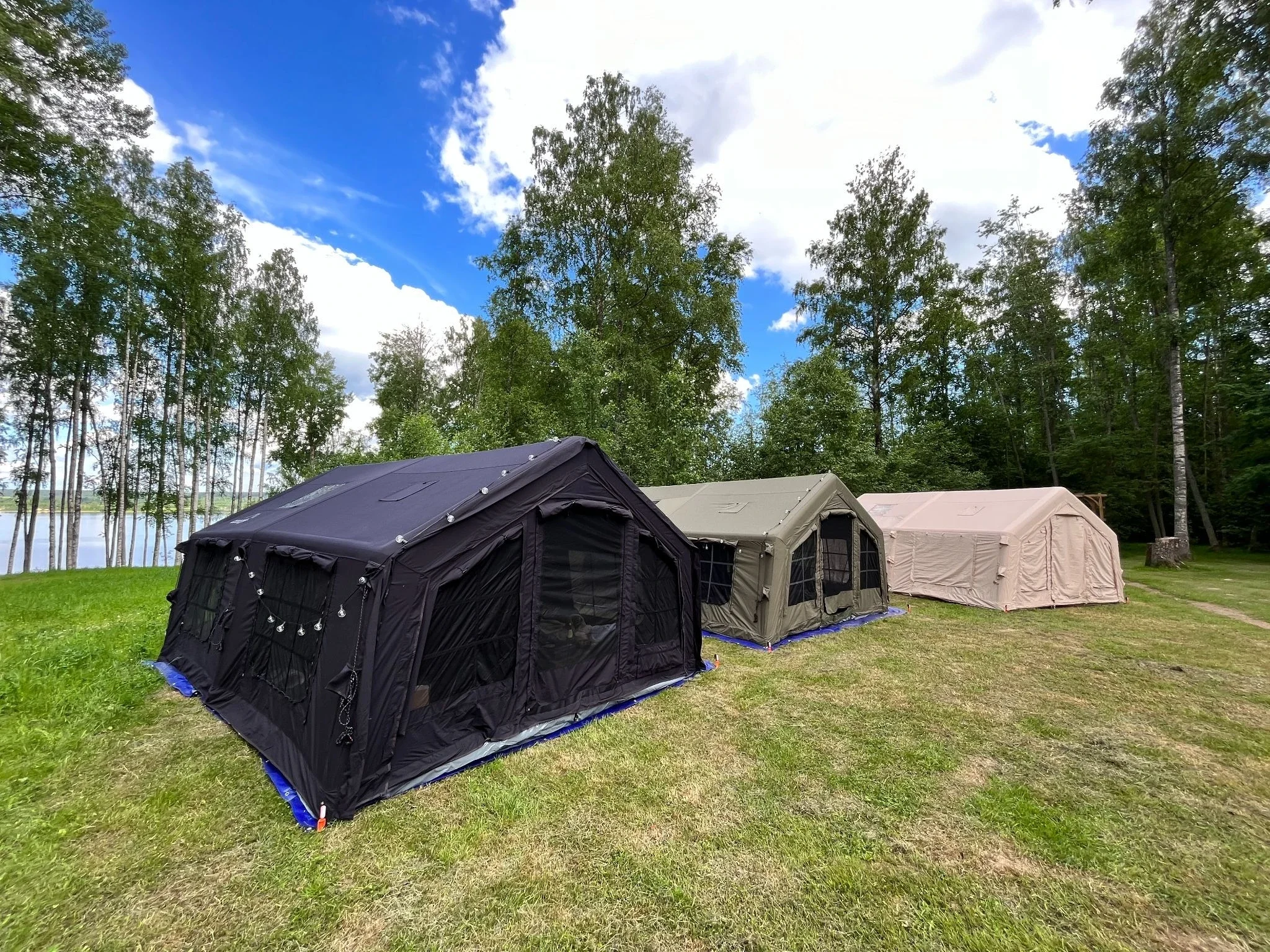
Preparing for your first trip involves understanding the unique challenges of the local climate and terrain. One of the most critical decisions any camper will make is choosing a reliable shelter. In a country where the sun can be brutal and coastal winds can shift in an instant, your tent needs to be more than just a place to sleep—it must be a weatherproof sanctuary. For long-term travelers who are essentially making the road their home, investing in high-quality canvas tents for camping is one of the smartest moves you can make. Unlike thin synthetic materials, canvas provides superior breathability during those humid tropical nights and heavy-duty protection against the elements, ensuring your home-away-from-home lasts the entire length of your Australian odyssey.
Mastering the sleep system: insulation is key
A common mistake for first-timers is assuming that Australia is always hot. In reality, temperatures in the desert or the bush can plummet to near-freezing once the sun sets.
The sleeping bag: always check the "comfort" temperature rating rather than the "minimum". A bag rated for 0°C to 5°C is a versatile choice for most Australian regions.
Don't sleep on the cold ground: a sleeping pad or "karemat" is essential. It provides a vital thermal barrier between your body and the cold earth, preventing heat loss throughout the night.
The comfort factor: while it may seem like a luxury, a compact camping pillow or even a makeshift one made from a rolled-up fleece jacket can drastically improve your recovery after a long day of driving.
The camp kitchen: simple and durable
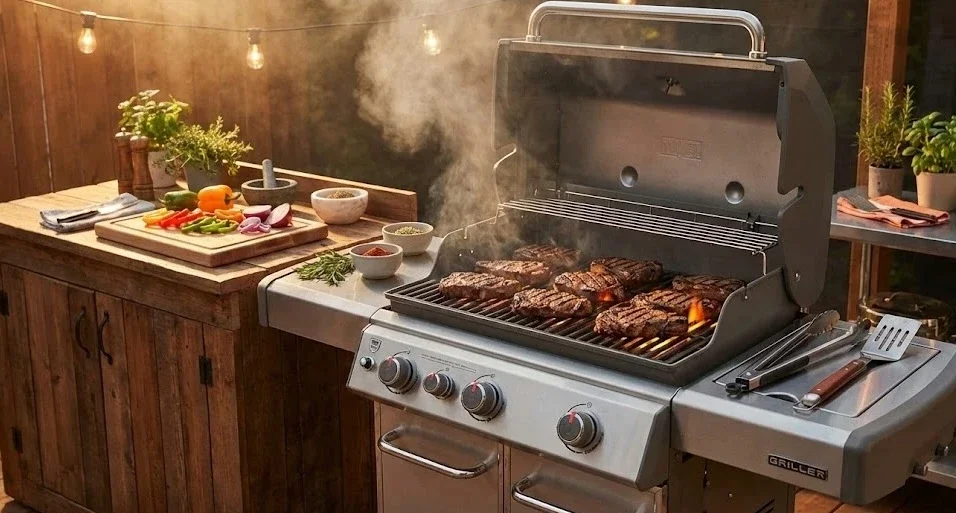
Cooking under the Southern Cross is a highlight of any road trip. While many Aussie rest areas and parks offer free public BBQs, you cannot rely on them in remote areas.
Portable stoves: a reliable gas or gasoline burner is a must-have item on your checklist. It allows you to boil water and cook hot meals even when fire bans are in place or when rain makes firewood useless.
Utensils and storage: opt for reusable metal bowls and mugs rather than plastic, as they are more durable and fire-resistant. When it comes to food, prioritize lightweight, shelf-stable carbohydrates like rice, pasta, and buckwheat.
Wildlife awareness: Australia doesn't have bears, but it does have dingoes, possums, and very determined ants. Store your food in sealed containers or "bear canisters" (if available at specific sites) to keep unwanted visitors away from your supplies.
Clothing and layers
The Australian climate demands a "layering" approach. You need clothes that can handle a 30-degree afternoon and a 10-degree morning.
Avoid cotton: for active days, synthetic materials are superior because they wick away sweat and dry much faster than cotton.
Protection: your first-time checklist must include a wide-brimmed hat to guard against intense UV rays and a waterproof raincoat or poncho for sudden downpours.
Footwear: sturdy trekking boots with rigid soles are necessary for stability on rough terrain. Pro-tip: always have a pair of "thongs" (flip-flops) for communal showers and relaxing around the campfire.
Safety, hygiene and navigation
Health and safety should be your top priority when heading off the beaten track.
The first aid kit: never leave home without a kit containing bandages, antiseptic, painkillers, and antihistamines. In Australia, it is also wise to carry an elastic compression bandage for snake-bite first aid.
Sun and bug defense: high-SPF sunscreen and a strong insect repellent are non-negotiable for warding off mosquitoes, ticks, and march flies.
Don't get lost: Google Maps is great until you lose reception in the middle of a National Park. Always carry a physical map or download offline versions, and consider a basic compass for navigation in unfamiliar terrain.
Leave no trace
The beauty of the Australian wilderness depends on every traveler playing their part. Always follow the "Leave No Trace" principle: pack out all your rubbish, respect local fire restrictions, and stay on marked tracks to protect fragile ecosystems.
By following this checklist and choosing the right gear, you can stop worrying about the logistics and start focusing on what really matters: the endless horizon, the crackle of the campfire, and the incredible adventure that awaits you around every corner.
Stay up to date with our latest ideas!