The New Blueprint: Why Top Wedding Planning Firms are Turning to 3D Rendering
Discover why top wedding planning firms are embracing 3D rendering to visualize designs, streamline decisions, enhance collaboration, and personalize events.
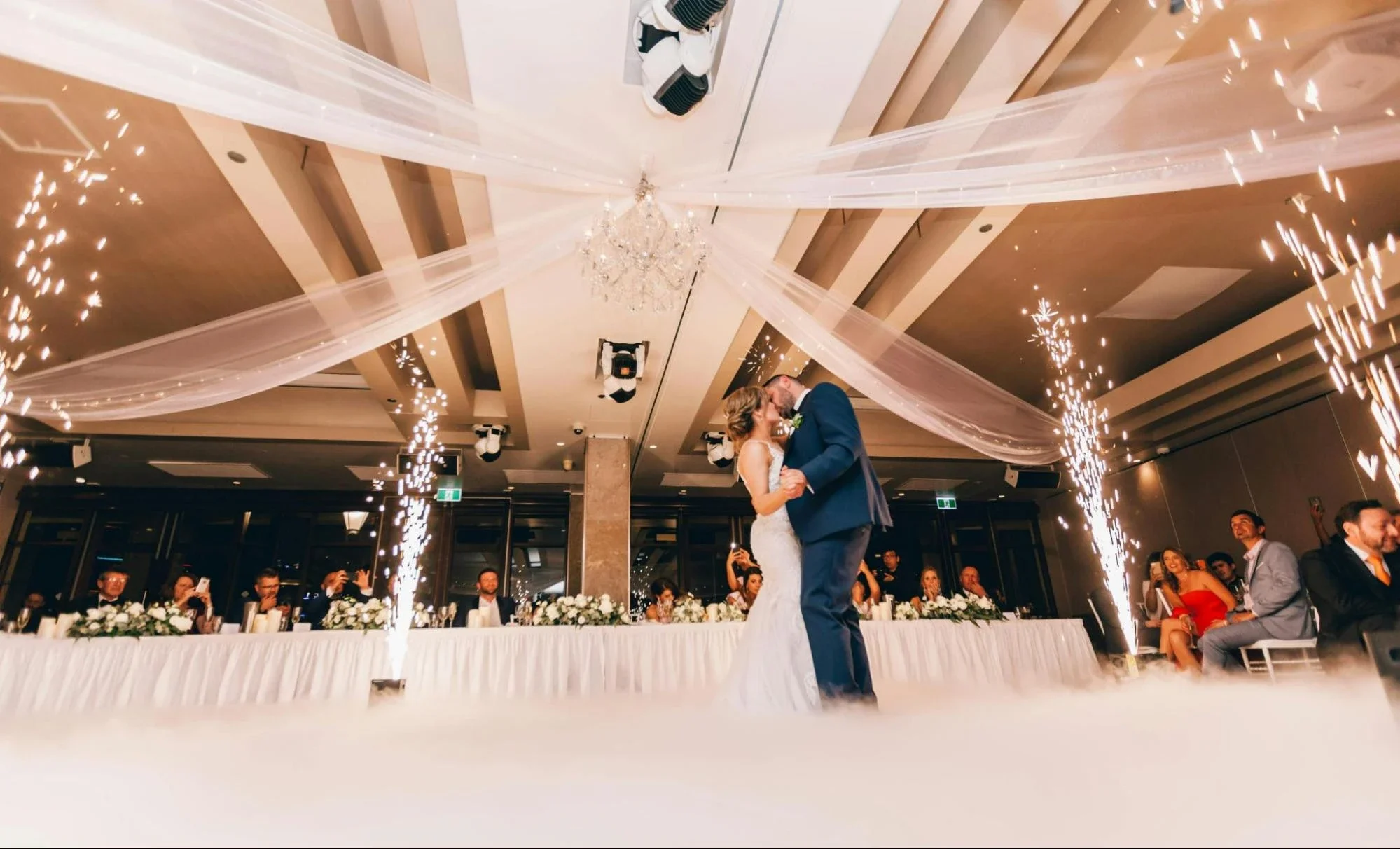
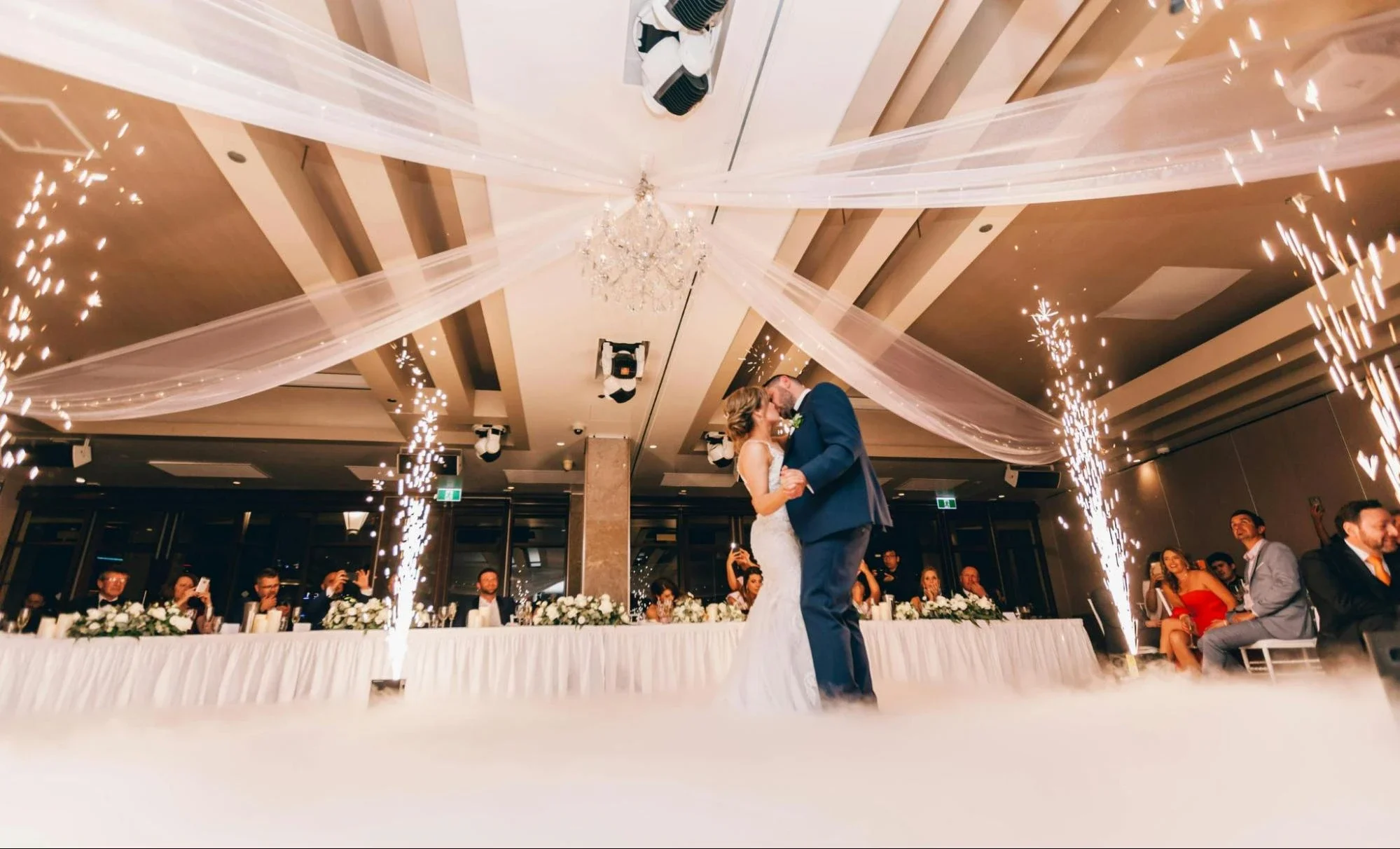
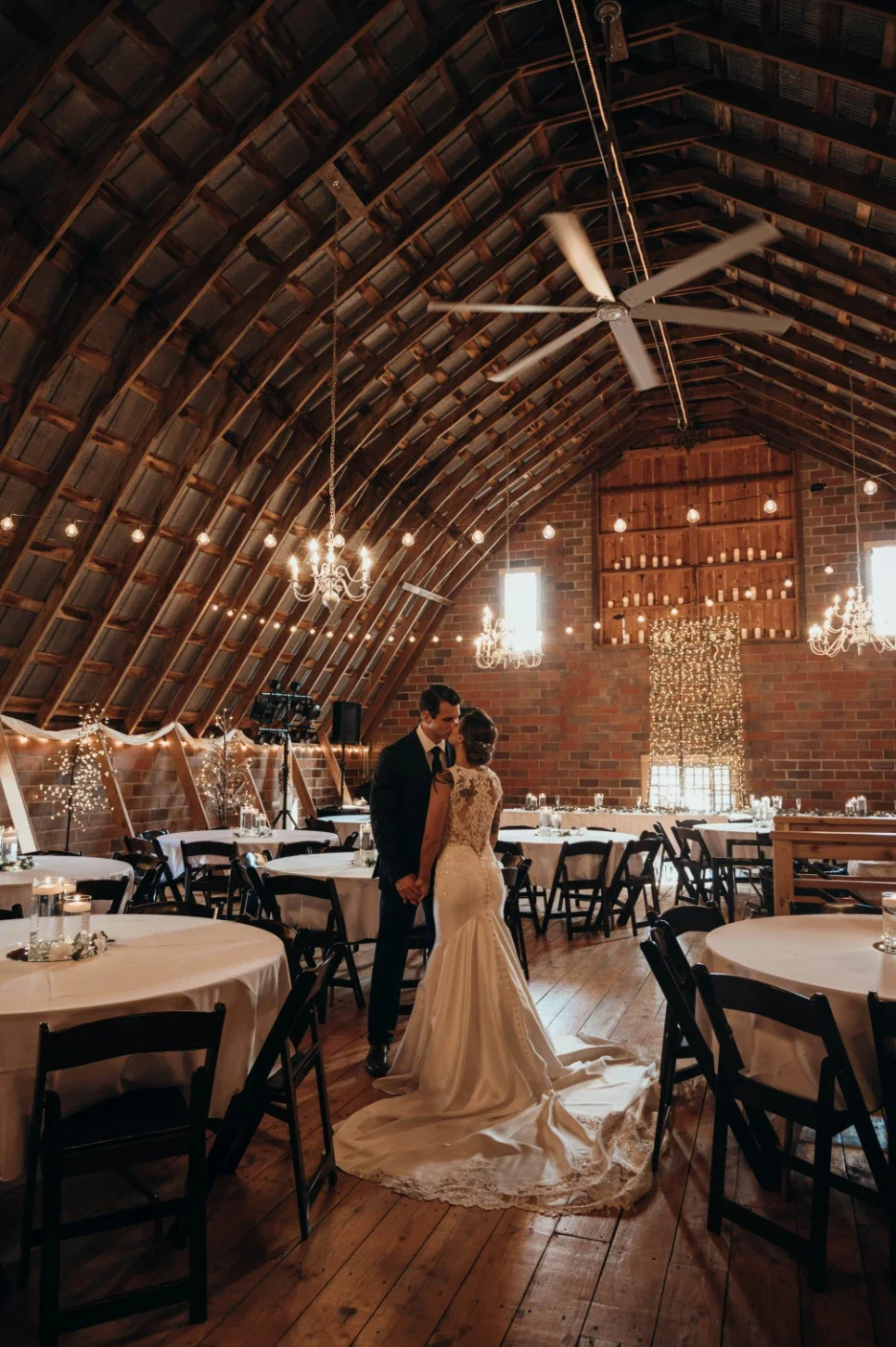
Choosing a wedding venue is often the most stressful part of the engagement. You are looking at empty shells, construction sites, or raw landscapes and trying to "see" your wedding day. This is why leading wedding planning firms have moved beyond the traditional mood board. By partnering with elite 3D rendering studios, planners can now give you a digital walkthrough of your wedding months before it happens.
For couples prioritizing sustainability, this technology is a game-changer. It allows you to verify eco-friendly claims—such as how natural light reduces the need for artificial lighting—without the guesswork.
The 7 Studio Teams Powering Today’s Top Wedding Planners
1. OmegaRender: Visualizing the "Atmosphere."
If you’ve hired a planning firm known for "mood," they likely work with 3D visualization studio OmegaRender. They specialize in the warmth of a space, ensuring your candle-lit reception glows exactly as you imagined.
2. Brick Visual: Planning for the Great Outdoors
For weddings that integrate with nature, Brick Visual is the planner’s choice for "Cinematic Storytelling." They help you visualize the landscape across different seasons and weather patterns.
3. The Boundary: Virtual Reality for Luxury Weddings
High-end planning firms use The Boundary for "Digital Twins." If you are planning a destination wedding, your planner can use their VR tools to let you "walk" through the venue from your own living room.
4. Luxigon: For the Modern, Non-Traditional Couple
If you are designing a wedding in a radical space—like a biophilic dome—Luxigon provides the "Avant-Garde" edge, framing sustainability as modern and aspirational.
5. ArchiCGI: The Logistic Expert’s Secret Weapon
Planners who focus on complex logistics love ArchiCGI. They create 360-degree virtual tours that allow you to plan guest movement and identify potential bottlenecks in the "flow."
6. NoTriangle Studio: Removing the "What Ifs"
NoTriangle is the partner for clean, honest photorealism. If your planner suggests a venue with unique sustainable ventilation, NoTriangle proves it will work, giving you total peace of mind.
7. Fortes Vision: The Eco-Specialists
Fortes Vision specializes in green-building renderings, showing how low-impact materials and seasonal plantings will look on your specific date.
Strategic Planning: From Digital Render to Reality
Once your planner provides a 3D render, it becomes the "North Star" for your entire vendor team. Here is how to use it as a functional planning tool:
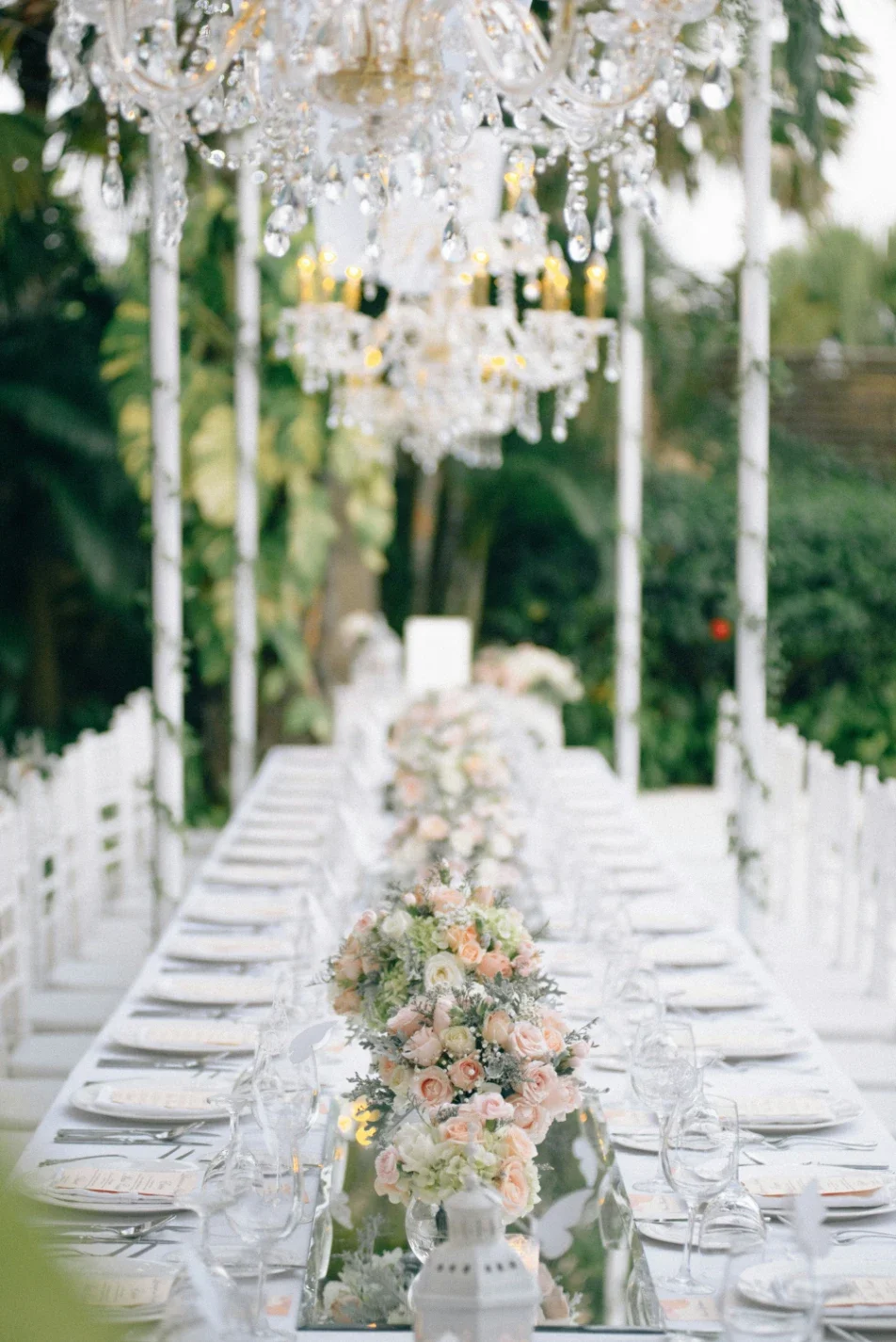
The Floral & Decor Mockup. Instead of paying for a physical "mock table" session (which can cost hundreds), have your planner drop high-resolution 3D models of your chosen centerpieces into the render. This allows you to see if the arrangements are too tall for guest conversation or if the color palette clashes with the venue’s natural stone.
The Technical "Plan B" Rain is the ultimate wedding stressor. Use 3D rendering to build out your "Plan B" with the same level of detail as your "Plan C." When you can see that your indoor backup space looks just as intentional and beautiful as the outdoor meadow, the weather-related anxiety disappears.
Vendor Alignment Sessions Share the 3D walkthrough with your photographer and caterer. Your photographer can identify "hero shots" and lighting challenges before arriving, while your caterer can visualize the distance from the kitchen to the farthest guest table to ensure food arrives at the perfect temperature.

Red Flags: When the 3D Render is Hiding the Truth
Not all renders are created equal. Watch for these warning signs that a digital image might be misleading:
The "Infinite Space" Illusion: Be wary if the room looks cavernous but the floor plan says it only fits 100 people. Some renders use "miniaturized" furniture to make a small room look huge.
The "Perfect Light" Trap: If a basement ballroom looks bright and airy in a render, ask where the light is coming from. If there are no windows, the render is using "fake" light that your photographer won't have on the day.
Missing "Ugly" Essentials: A render that hides exit signs, HVAC vents, or service doors isn't a planning tool—it’s an advertisement. Ensure your planner includes these functional elements so you aren't surprised by a neon green "EXIT" sign behind your cake.
Static "Hero" Shots: If you are only shown one or two beautiful angles, ask for a 360-degree view. Static images can easily hide awkward pillars or cramped corners that will affect guest comfort.
Conclusion
A wedding planning firm that utilizes 3D rendering isn't just showing you "pretty pictures"—they are giving you a blueprint for success. Whether it's the hospitality polish of OmegaRender or the technical eco-focus of Fortes Vision, these tools ensure that your wedding is planned with transparency and precision.
Stay up to date with our latest ideas!