Is It Time to Repair or Replace Your Water Heater? Here are 8 Signs
Learn whether it is time to repair or replace your water heater with these 8 common warning signs, from leaks and rust to inconsistent hot water.
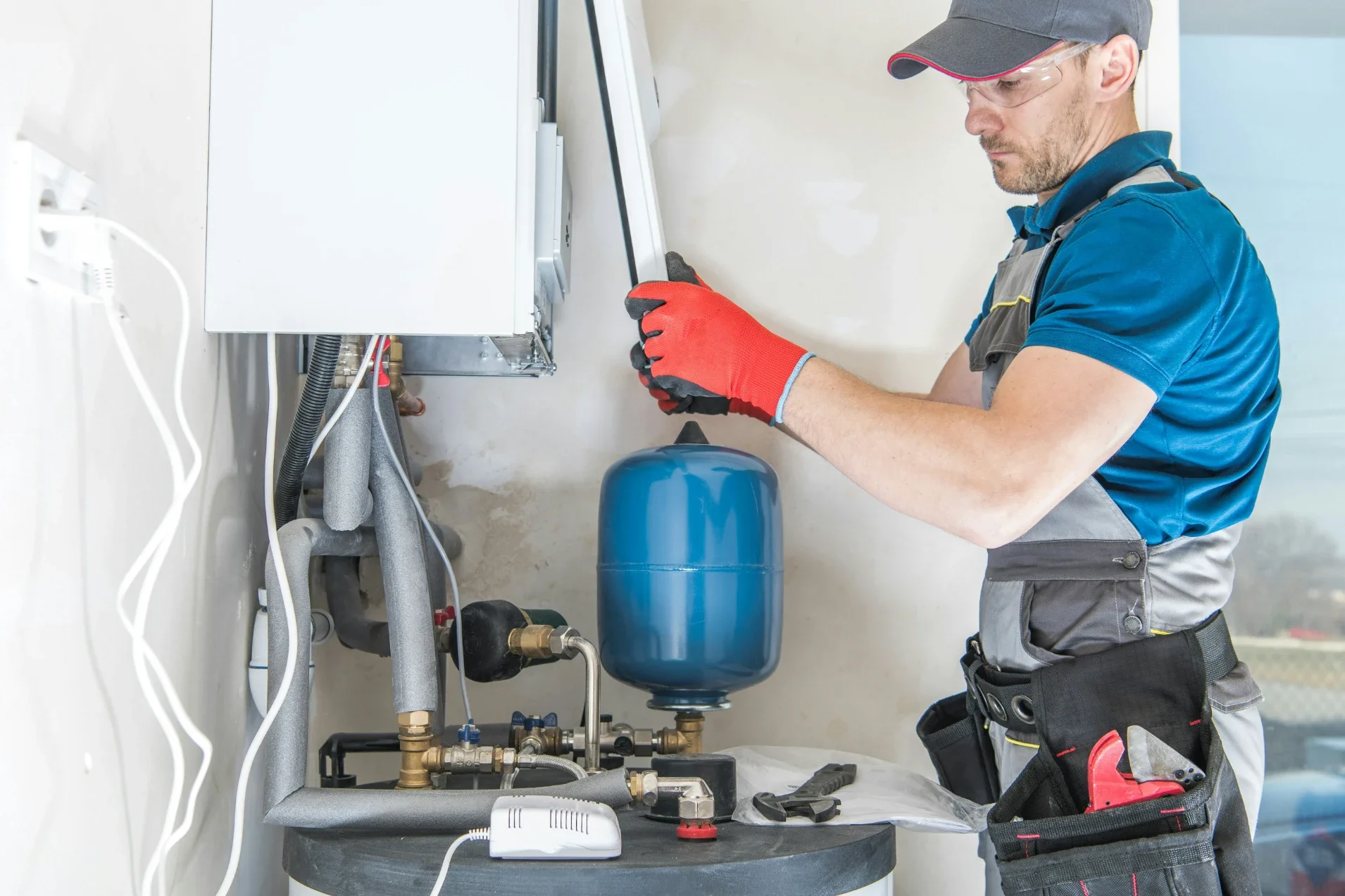
Hot water usually fades into the background until a shower turns icy or a damp patch appears near the utility area. Most units give warnings before they fail. Those signals matter because leaks raise mold risk, pressure problems threaten safety, and inefficient heating pushes bills higher. A calm check of age, sound, output, and water quality often shows whether a focused fix is reasonable or whether replacement better protects comfort.
A Fast Repair-or-Replace Check
Begin with three basics: the install year, the fuel source, and any visible moisture. Many storage tanks run roughly 8 to 12 years, with hard water speeding mineral buildup. San Jose tap supply can be very hard (about 190.5 mg/L), so scale is common. For a local evaluation, water heater repair San Jose CA can help sort a simple valve fault from a weakened tank body.
Sign 1: The Unit Is Near Its Expected Service Life
Age sets the odds. Metal fatigue, worn lining, and stressed welds become more likely over time. A serial tag or install sticker usually reveals the build date. After the typical service window, small failures tend to cluster, even if each one looks minor. Repairs can still buy time, yet repeated issues late in life often signal that planning a replacement is the safer path.
Sign 2: Rusty or Metallic-Tasting Hot Water
A brown tint, or a coppery taste on the hot side, can point to corrosion inside the tank or at nearby fittings. A depleted anode rod may be the cause, and swapping that part can be straightforward. If discoloration persists after that change, internal damage is more likely. Rust paired with leaks and advanced age raises concern, and replacement becomes the safer choice.
Sign 3: Water Collects Under the Tank or in the Pan
Moisture at the base is a concern, but the source matters. Loose connections, a worn drain valve, or condensation from a cool line can mimic a serious failure. A dry paper towel pressed around joints helps track drips. A steady seep from the bottom seam, or dampness from within the outer shell, usually means the vessel has failed.
Sign 4: Rumbling, Popping, or Kettling Noises Grow Louder
New sounds often reflect sediment baking onto the tank floor. Calcium and magnesium settle, then harden into a crust. Heat creates steam pockets under that layer, producing rumbling or popping. Early flushing may quiet it. Ongoing noise suggests reduced heat transfer and hotter metal surfaces, which increases stress. At that stage, replacement is often more reliable than repeated cleanouts.
Sign 5: Hot Water Runs Out Faster Than Usual
Shorter hot runs can stem from reduced usable volume. Scale can occupy space, leaving less room for a heated supply. A damaged dip tube may also mix cold water early, making showers end sooner. Inconsistent warmth may signal a failing thermostat or heating element. One targeted repair can restore performance on a younger system. Multiple symptoms, plus slow recovery, often call for a new unit.
Sign 6: Temperature Swings or Scald Risk Appears
Sudden shifts from lukewarm to overly hot suggest control problems. Faulty thermostats, sensors, or gas valves can cause unstable heating and raise scald risk, especially for children or older adults. Settings should stay steady once calibrated. A professional check is wise because excessive temperature increases internal pressure. If control parts fail repeatedly, a modern replacement with stable regulation is often the safer long-term answer.
Sign 7: The Relief Valve Drips, or Pressure Spikes Happen
A drip from the temperature and pressure relief valve can signal excess heat, elevated supply pressure, or a worn valve seat. Thermal expansion in a closed plumbing system can also trigger discharge. Replacing the valve, adding an expansion tank, or correcting settings may resolve it. Continued leaking should be treated as urgent, since it points to unsafe conditions. Recurrent pressure events often justify a broader upgrade.
Sign 8: Utility Costs Rise Without a Clear Usage Change
Higher energy bills can reflect declining efficiency from scale, burner problems, or aging heating elements. A simple comparison helps: similar household size, similar laundry pattern, higher cost. Damaged pipe insulation can also waste heat on the way to taps. Maintenance may restore output briefly. If the unit is older and performance is slipping, replacement can lower ongoing operating expense while improving recovery.
Conclusion
Repair tends to fit when the system is younger, the tank body remains sound, and symptoms trace to a single part, such as a thermostat, valve, or heating element. Replacement is usually wiser when leakage comes from the vessel, corrosion appears in hot water, or several warning signs occur together. By tracking age, listening for new noise, and watching output and pressure, we can make decisions clearer. Acting early reduces water damage risk and prevents sudden cold-water surprises.
Stay up to date with our latest ideas!