Pet-Friendly Garden Design: Safety Features Every Dog Owner Should Consider
Toxic plants? Escape routes? Sharp edges? Transform your yard into a safe haven with pet-friendly garden design tips that work for both dogs and design lovers.
There's nothing quite like watching your dog sprint across the lawn, tail wagging with pure joy. Your garden should be a safe haven where your furry friend can explore, play, and relax without worry. But creating a beautiful outdoor space that's also genuinely safe for dogs requires more than just good intentions – it demands thoughtful planning and smart design choices.
While professional solutions like those from Cool Cat Fence can help create secure boundaries, a truly pet-friendly garden encompasses much more than just fencing. From the plants you choose to the materials underfoot, every element plays a role in your dog's safety and happiness. Let's explore the essential safety features every dog owner should consider when designing or updating their outdoor space.
Secure Perimeter Fencing: Your First Line of Defense
The foundation of any dog-safe garden starts with proper perimeter fencing. But not all fences are created equal when it comes to keeping your pup safe and contained.
Height matters more than you might think. For small to medium dogs, a 4-foot fence typically works well, but larger or athletic breeds often need 6 feet or higher. Some determined jumpers might even require extra height or special toppers to discourage escape attempts.
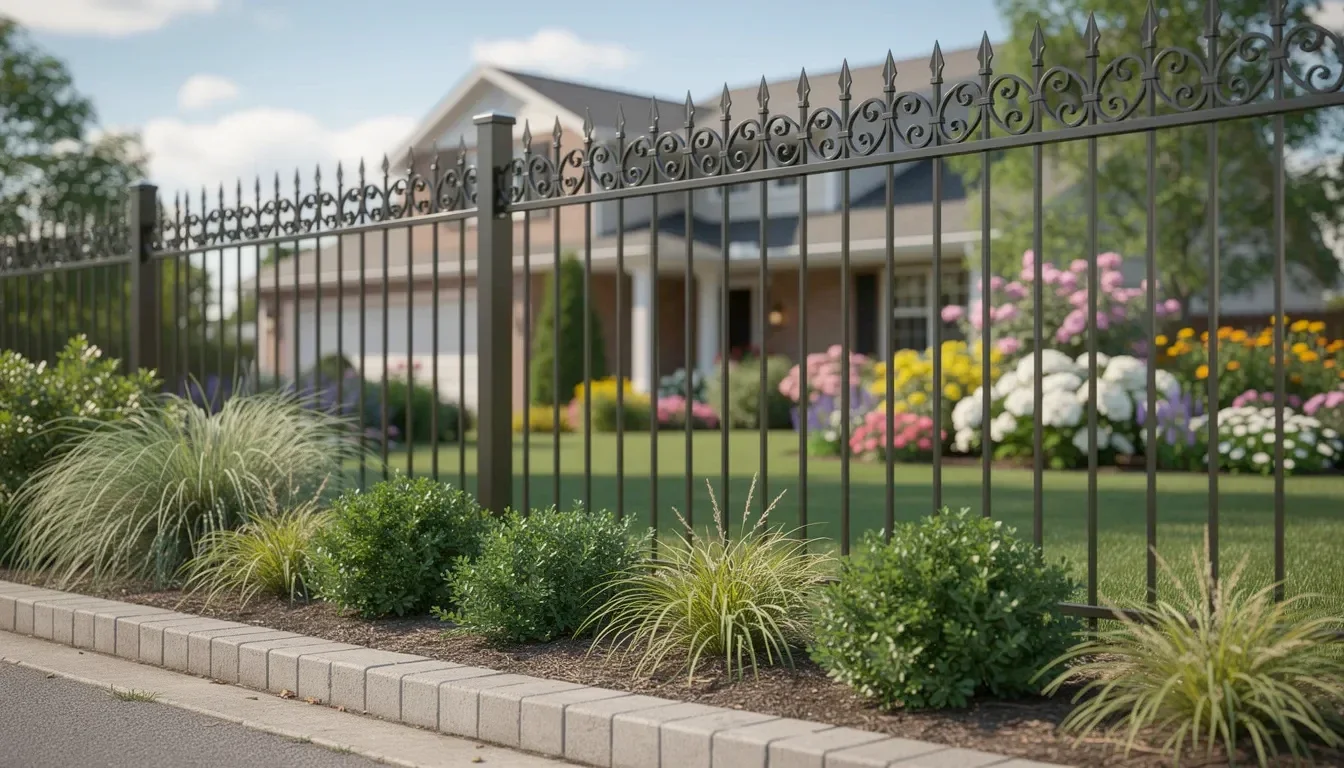
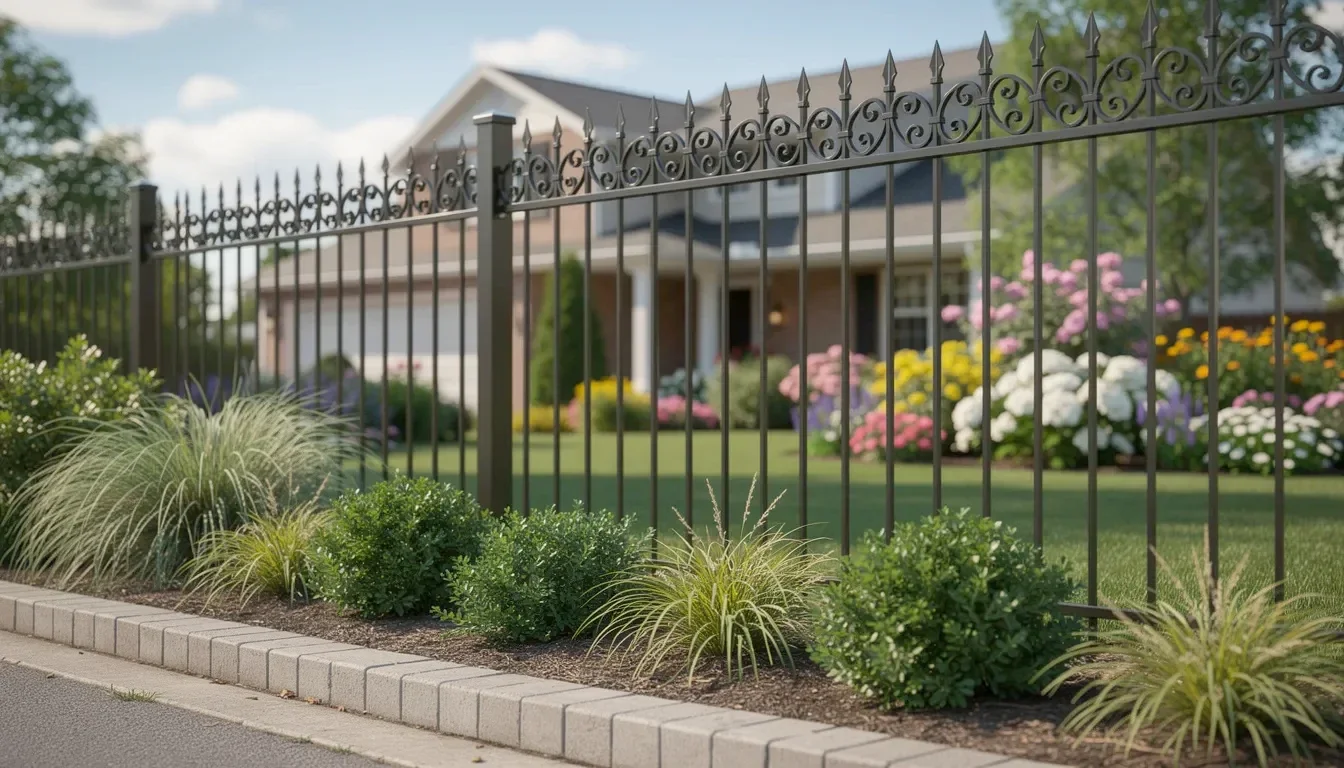
When choosing materials, consider both durability and visibility. Solid wood panels offer complete privacy but can make dogs feel isolated or anxious. Chain link provides visibility but lacks aesthetic appeal. For homeowners seeking elegance alongside function, ornamental iron fencing combines strength, durability, and visibility – allowing your dog to see their surroundings while staying safely contained. This visibility can actually reduce fence-line barking and anxiety in many dogs.
Don't forget about the diggers. If your dog loves excavating, standard fencing won't cut it. Install an L-footer extension that runs 12-18 inches underground and then extends outward, creating a barrier beneath the fence line. Alternatively, bury chicken wire or place large rocks along the fence base. These simple additions prevent most escape artists from tunneling their way to freedom.
Also check gap spacing carefully. Pickets or bars shouldn't be more than 4 inches apart: small dogs can squeeze through surprisingly narrow openings, and even larger dogs might get their heads stuck trying.
Non-Toxic Plant Selection: Beauty Without the Risk
Your garden's greenery can be a hidden minefield for curious dogs who love to nibble, dig, and explore with their mouths.
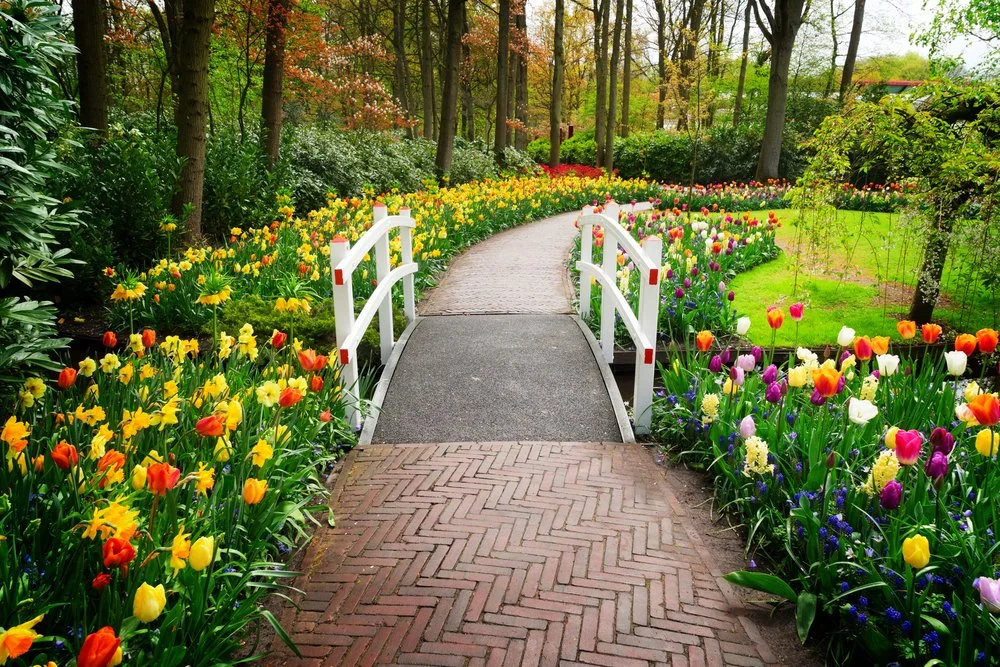
Plants to absolutely avoid include: azaleas and rhododendrons (cause vomiting and potentially fatal heart problems), sago palms (extremely toxic, even in small amounts), tulip and daffodil bulbs (gastrointestinal upset and heart issues), lilies (kidney failure, especially dangerous for cats too), oleander (affects the heart), and autumn crocus (severe vomiting and organ damage).
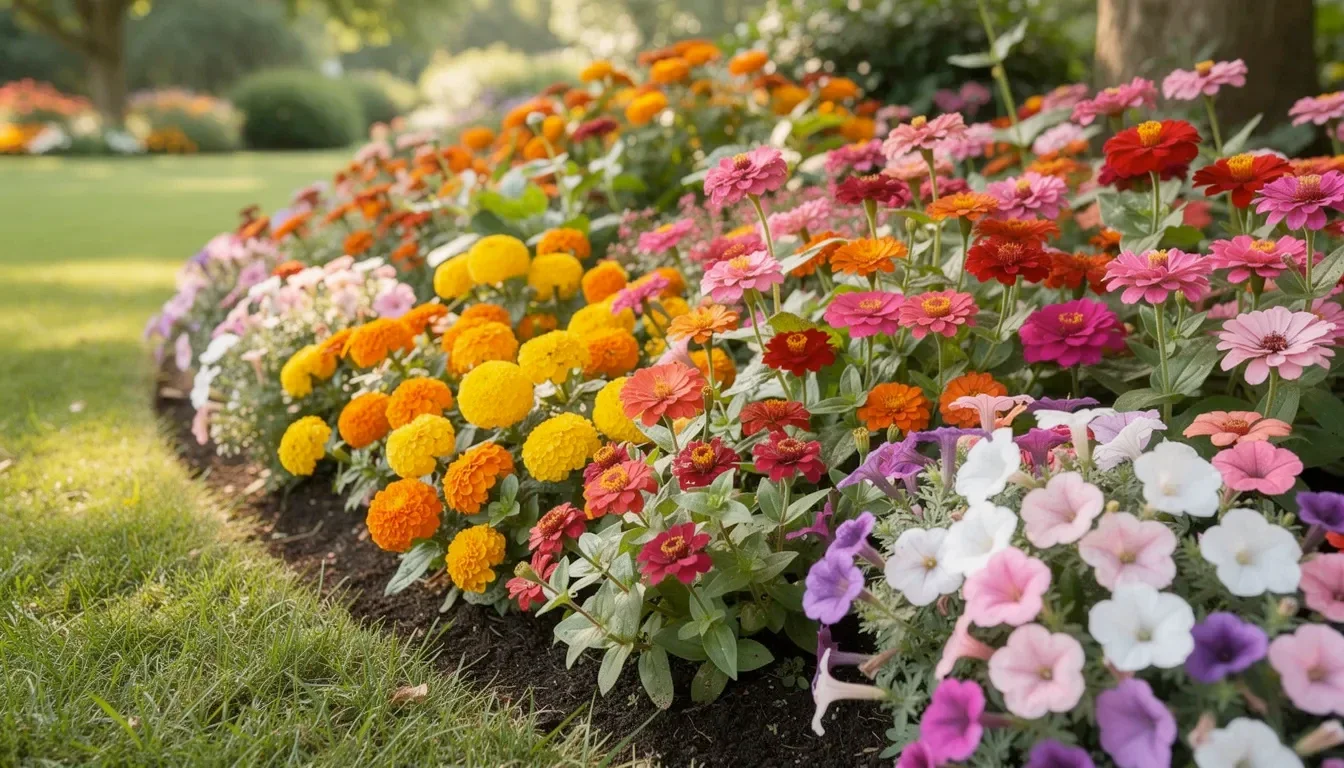
Safe, beautiful alternatives that won't harm your dog include sunflowers (bright, cheerful, completely safe), marigolds (pest-deterrent and non-toxic), petunias (colorful ground cover), zinnias (vibrant blooms all summer), snapdragons (vertical interest), and herbs like rosemary, thyme, and basil (safe and aromatic).
Here's a pro tip: create a designated digging zone filled with dog-safe plants and loose soil. Bury toys or treats there occasionally, and your dog will likely leave your prize roses alone. It redirects natural behavior instead of fighting against it.
Safe Pathways and Garden Borders: Smooth Sailing for Paws
The materials you use for pathways and garden edging can cause injuries if you're not careful.
Avoid sharp metal or plastic edging that can cut paws or noses. Those decorative metal borders might look sleek, but they're accidents waiting to happen for an excited dog racing around the yard. Instead, opt for smooth river rocks, natural stone pavers, or gentle wooden borders with rounded edges.
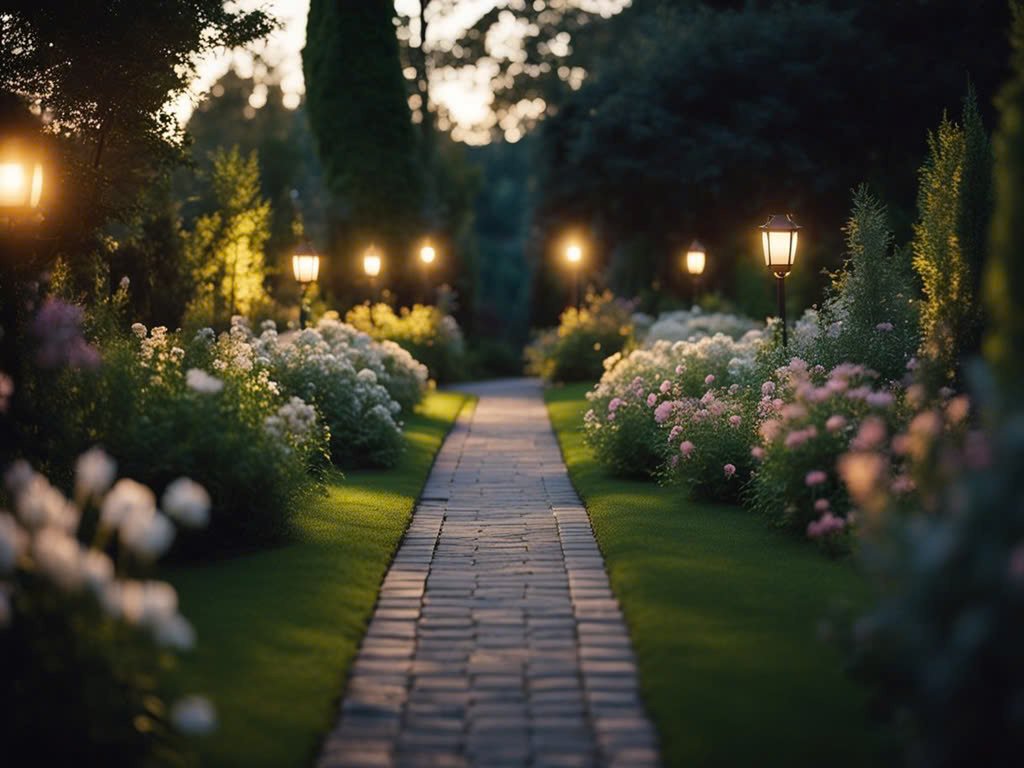
For pathway surfaces, choose materials that stay cool and won't hurt sensitive paw pads. Smooth flagstone, pea gravel, or decomposed granite work beautifully. Avoid large expanses of concrete or asphalt, which become scorching hot in the summer sun.
One critical warning: Never use cocoa mulch in areas accessible to dogs. It contains theobromine – the same compound that makes chocolate toxic to dogs. Just a small amount can cause serious illness. Stick with cedar, pine, or hemlock mulch instead.
Create clear visual boundaries between planting beds and play areas. This helps your dog understand where they can run freely and where they should tread carefully.
Water Features and Pools: Making Water Safe
Water features add tranquility to gardens, but they require special consideration when dogs are part of the family.
If you have a pool, ensure there are easy exit points. Dogs can swim, but they panic if they can't find their way out. Install ramps or steps in at least two locations, and consider a pet-friendly pool fence for extra security, especially for puppies or senior dogs.
For ponds, create shallow edges or beach-style entries where dogs can wade safely. Fence off any areas deeper than 2 feet, or install underwater shelving that prevents dogs from venturing into dangerous depths.
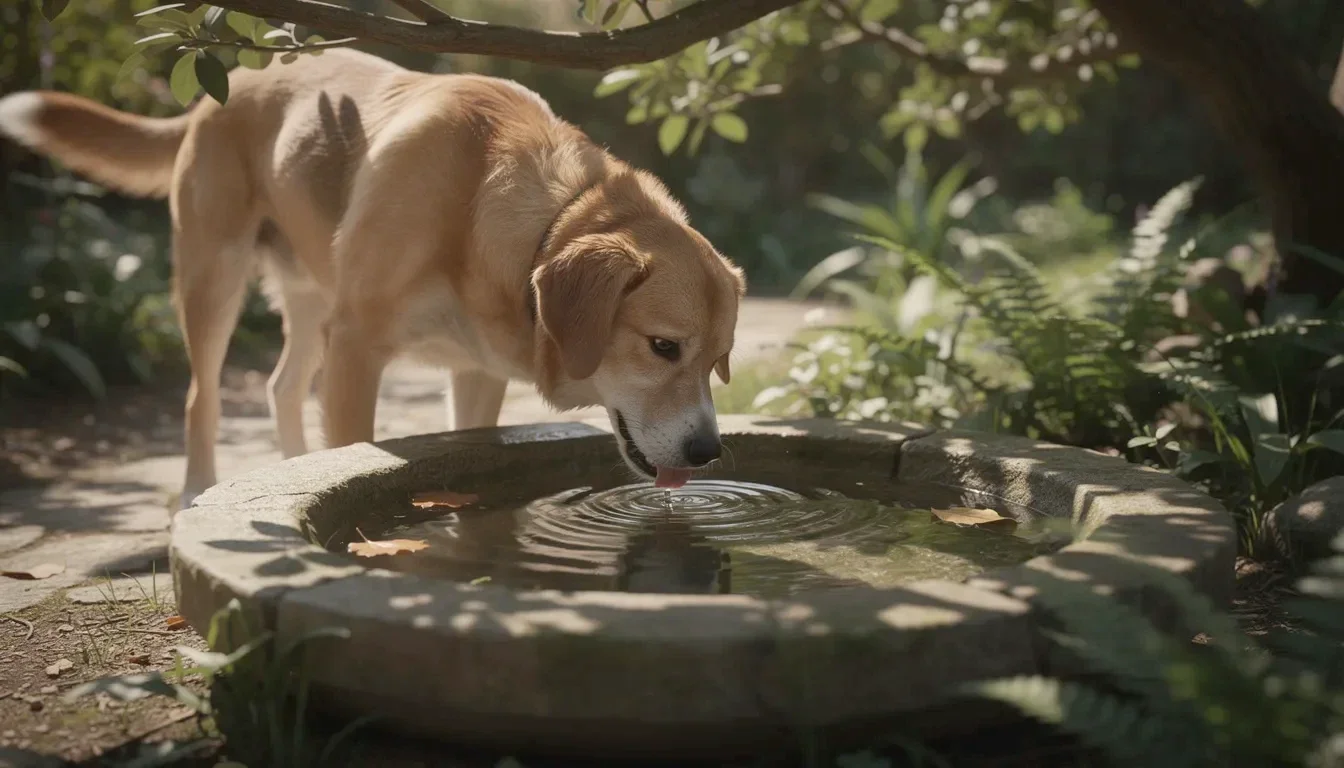
Keep water features clean and fresh. Stagnant water breeds mosquitoes and can harbor harmful bacteria. If you provide a water bowl outdoors, change it daily and keep it in the shade to prevent algae growth.
Shade and Shelter: Comfort in All Weather
Dogs need protection from the elements just like we do. Without adequate shade, your garden becomes uncomfortable, or even dangerous – during hot weather.
Plant strategically placed trees that will provide dappled shade as they mature. In the meantime, install shade sails, pergolas, or even a simple dog house. Make sure shaded areas have good airflow to stay cool.
Consider creating multiple rest spots throughout the garden. Dogs often patrol their territory, and having several comfortable resting places encourages them to spend more time outdoors safely.
In summer, add cooling stations – think shallow kiddie pools, cooling mats, or even just a sprinkler they can run through. In winter, windbreaks and covered areas keep them comfortable during bathroom breaks.
Pest and Chemical Safety: Going Natural
The chemicals we use to maintain picture-perfect gardens can be dangerous for dogs who walk, roll, and play on every surface.
Choose organic pest control methods whenever possible. Neem oil, diatomaceous earth, and companion planting can handle most garden pests without toxic chemicals. If you must use chemical treatments, follow waiting periods strictly before allowing your dog back into treated areas.
Store all fertilizers, pesticides, and garden chemicals in locked cabinets or sheds. Even "pet-friendly" products can cause stomach upset if ingested directly. Compost bins should also be securely covered– rotting food produces toxins that can make dogs seriously ill.
Consider integrated pest management (IPM) strategies that focus on prevention rather than treatment. Healthy soil, proper plant spacing, and beneficial insects often eliminate the need for harsh chemicals entirely.
Creating Your Perfect Pet-Friendly Paradise
Designing a pet-friendly garden doesn't mean sacrificing beauty or style. It simply means making intentional choices that keep your dog safe while creating an outdoor space you'll both love.
Start by assessing your current garden through your dog's eyes. Get down on their level – literally. What looks tempting to chew? Where are the escape routes? Which areas get too hot or too cold? This perspective shift often reveals hazards you'd otherwise miss.
Remember that your dog's needs will evolve. Puppies require different safety measures than senior dogs. Athletic breeds need more space and sturdier fencing than lap dogs. Revisit your garden design periodically to ensure it still serves your furry friend well.
The best pet-friendly gardens strike a perfect balance – they're safe enough for worry-free play, beautiful enough to make you proud, and functional enough for everyday living. With these safety features in place, you and your dog can enjoy countless happy hours together in your backyard oasis.
Stay up to date with our latest ideas!