Natural vs. Engineered Decking: Which Fits Your Home & Garden Style?
Compare natural and engineered decking to find the right fit for your home and garden, considering style, durability, maintenance, cost, and long-term appeal.

Pale timber can soften a brick terrace, while darker, evenly colored boards create a sharper edge beside glass doors and rendered walls. The surface underfoot shapes the mood of a garden, but it also affects how the space responds to weather and how much care it needs. Sunlight, drainage, planting and the house itself should influence the choice between natural timber and manufactured boards.
Start With the Mood You Want Outdoors
A deck often fills much of the view from the house, so its color and texture can guide the wider garden design. Visible grain suits relaxed spaces with established planting. Straighter lines and uniform shades sit naturally beside contemporary glazing, clipped greenery and simple furniture. A decking material comparison usually begins with pressure-treated softwood, cedar, redwood and hardwood. Composite and PVC provide manufactured alternatives, while processed bamboo sits between natural fiber and an engineered exterior product.
Unlike untreated timber, bamboo decks made from fused boards use processed bamboo fibers to create consistent profiles. The dassoXTR range includes pre-oiled Espresso and Cognac finishes alongside unfinished boards for customized projects. The result also relies on decking installation: board spacing, joist layout, ventilation and fixing methods influence drainage, movement and the way the deck meets the house. Changing the finish, board direction, or border treatment allows one material family to support several garden decking styles.
What Natural Wood Brings to a Garden
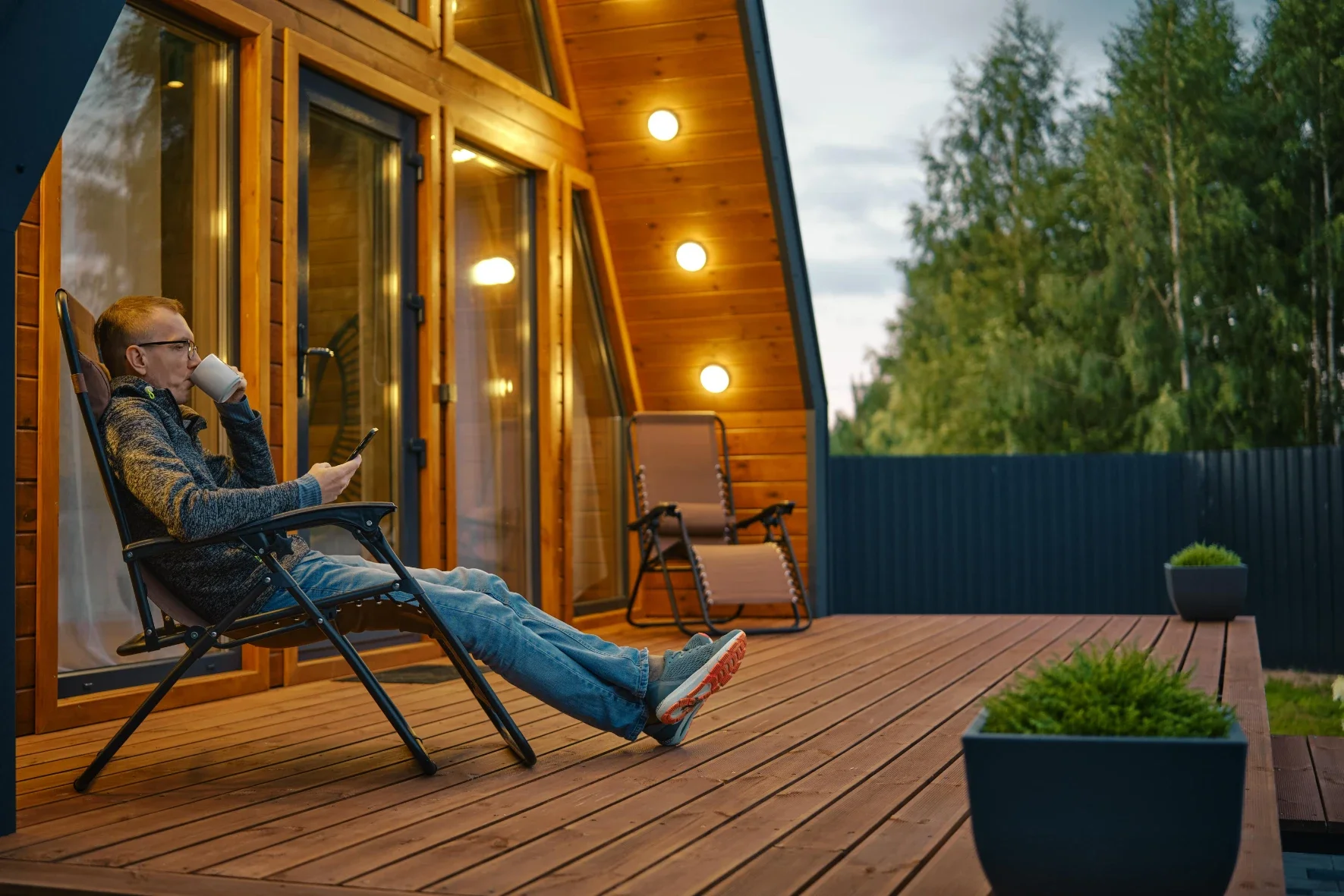
The appeal of natural wood decking lies in its variation. Grain changes direction, knots appear in different places and neighboring boards may weather at different rates. These details can help a new terrace settle into surroundings that already include brick, stone and loose planting. Research published by the International Casual Furnishings Association in 2025 found that 72% of people with an outdoor living area believed improvements would encourage them to spend more time relaxing outside. A further 60% expected to spend more time there with friends and family.
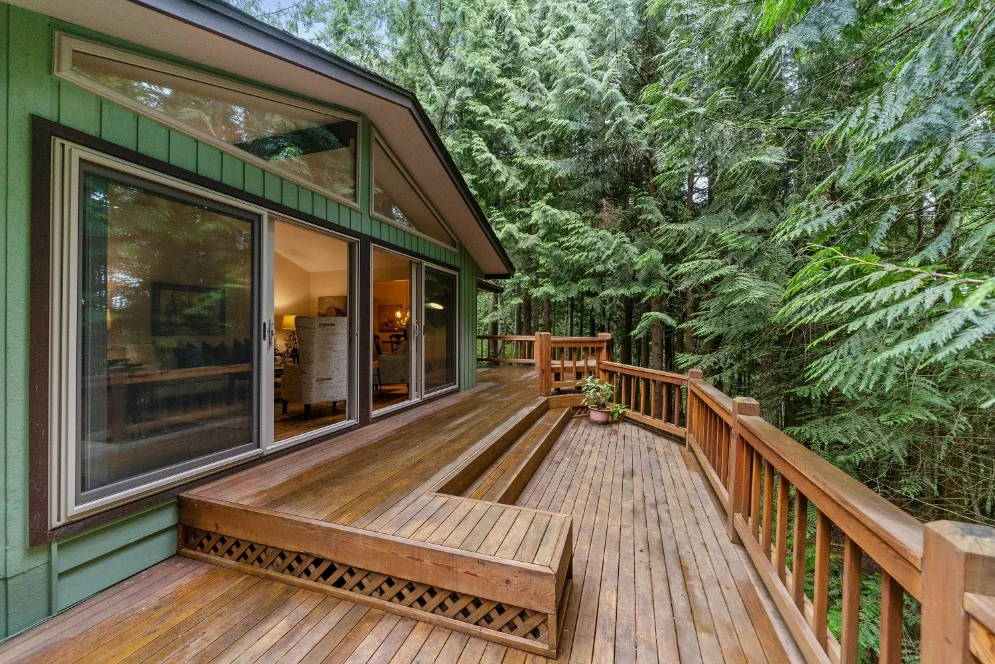
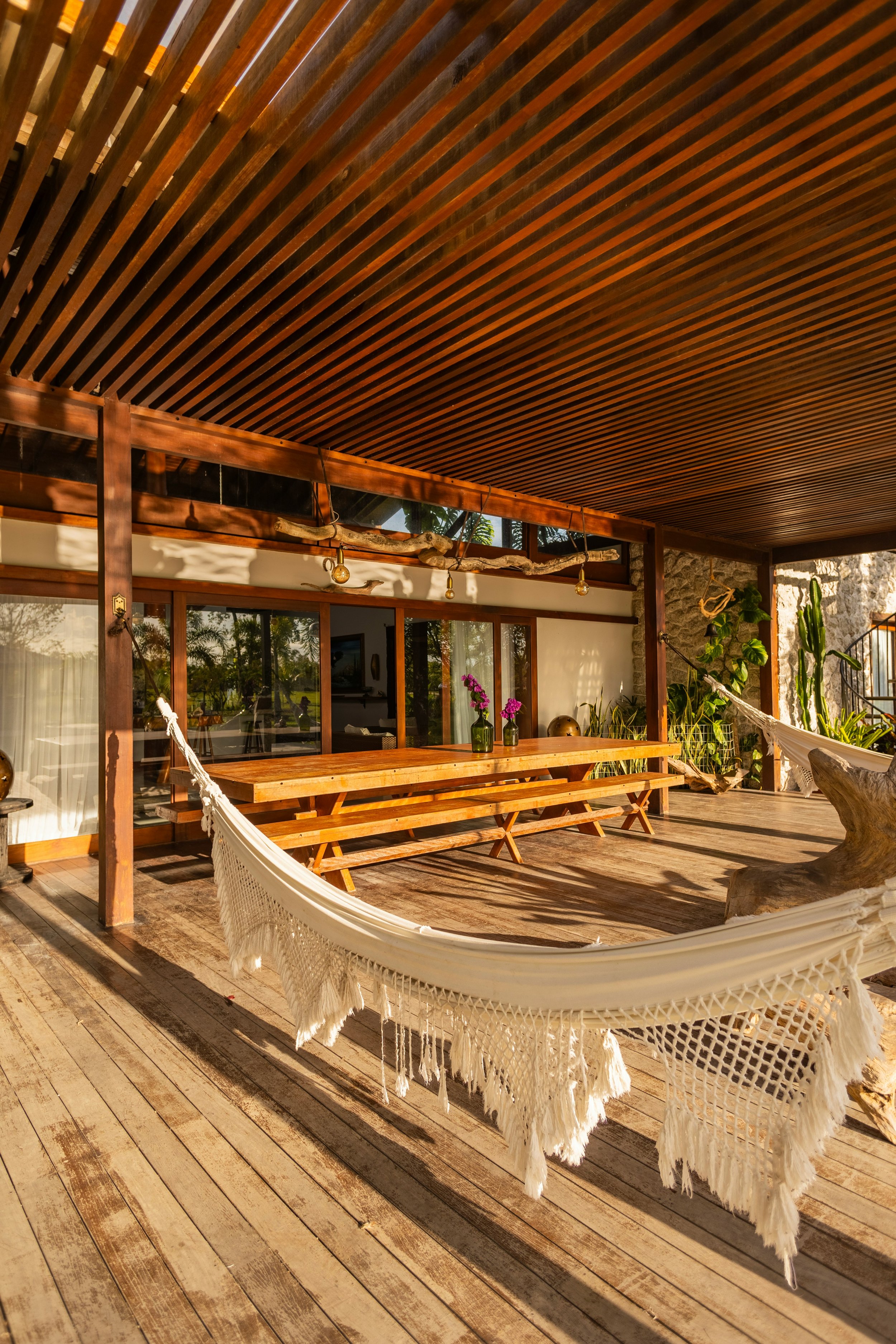
Different natural decking options create distinct effects. Pressure-treated softwood is widely used for practical projects and can be stained in numerous shades. Cedar and redwood introduce warmer coloring and visible grain, while dense hardwoods form a richer surface beside masonry or glazing.
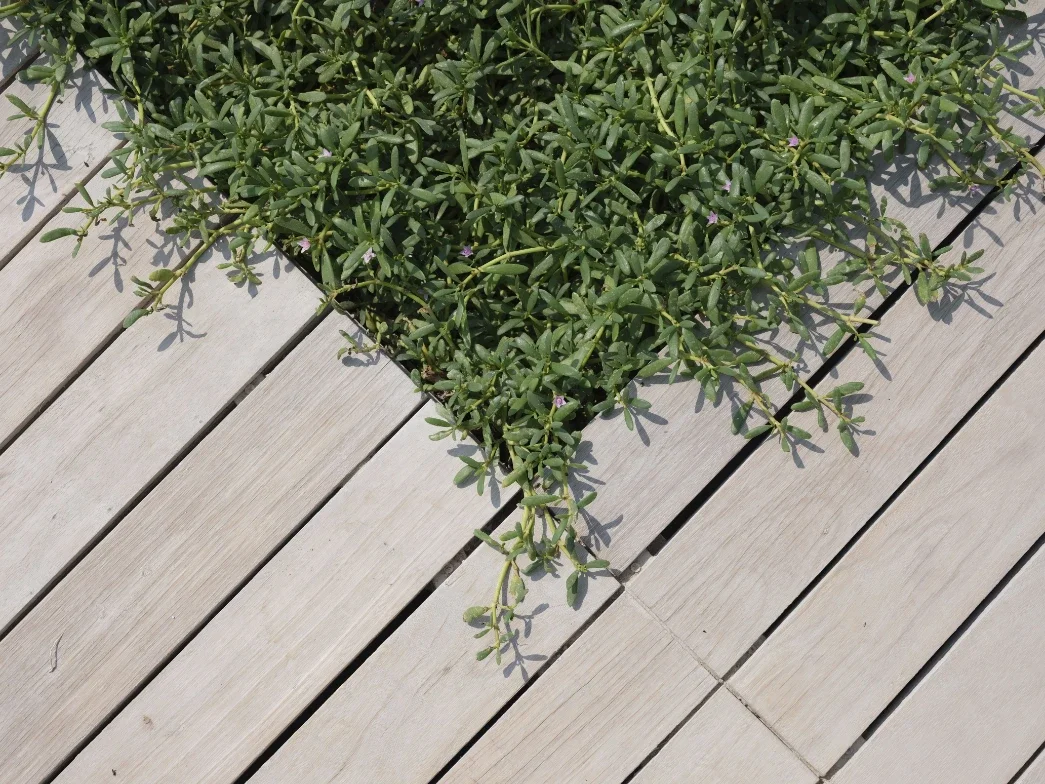
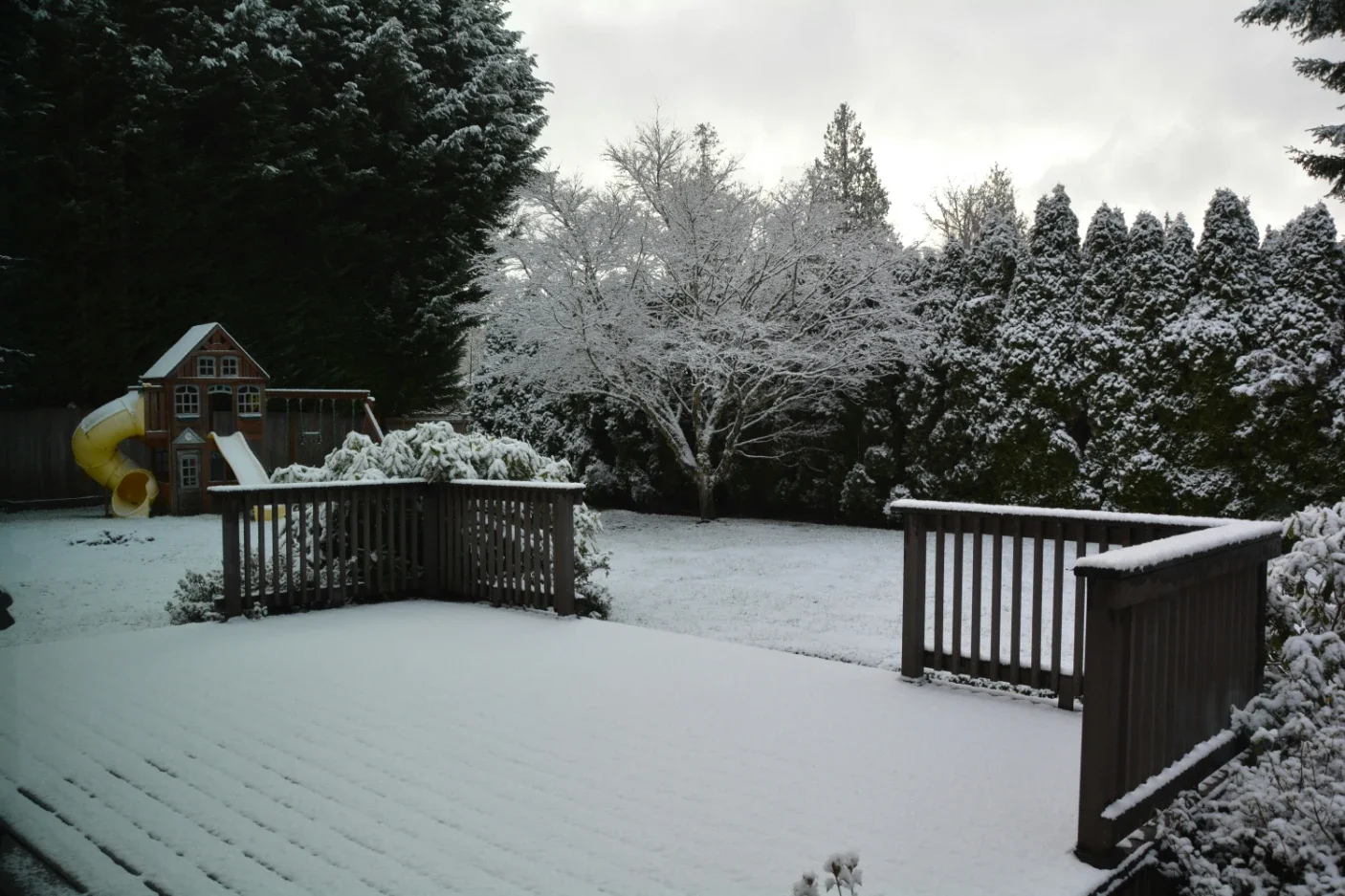
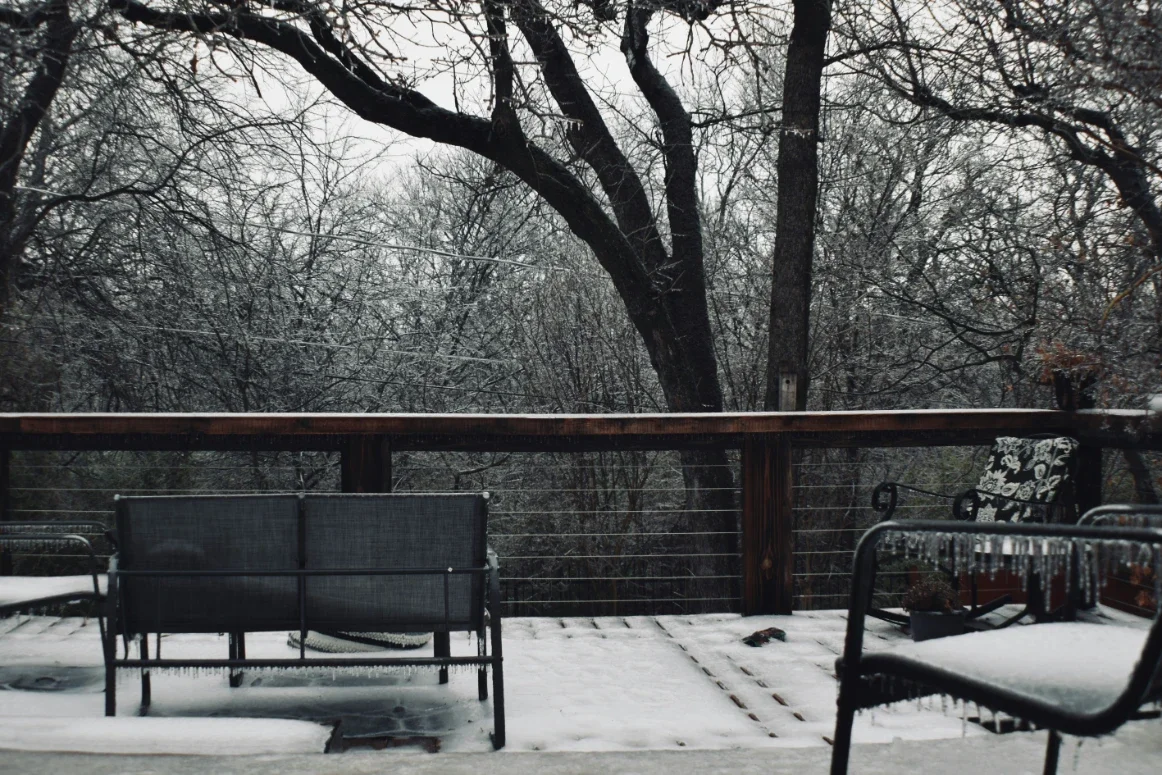
Timber continues to change outdoors. Sunlight can soften its original color and untreated boards may gradually develop a silver-grey finish. Small checks and tonal differences can appear as the material responds to moisture and temperature. Some homeowners enjoy this aging, while others preserve the original shade through cleaning, oiling, or staining. A realistic natural vs engineered decking comparison should look beyond installation day. The difference often becomes clearer after several wet winters and bright summers.
Engineered Boards Do Not All Behave Alike
The term "engineered decking materials" covers products made in different ways. Wood-plastic composite normally combines wood-derived material with polymer, while PVC decking is plastic-based. Engineered bamboo decking begins with bamboo processed into dense exterior boards. Although these products may appear together in a showroom, their expansion, maintenance and fixing requirements vary. Surface texture, approved fasteners and recommended joist spacing can also differ, so guidance should be checked for the exact board.
Many engineered products offer regular dimensions, coordinated edging and controlled color ranges. That consistency suits picture-frame borders, geometric layouts and terraces aligned with sliding doors. It can also keep a large deck calm when the house already combines brick, metal, render and glass. Dark finishes may become warmer in direct sunlight, while heavily textured boards can feel different under bare feet. Wet-weather grip deserves attention around pools, outdoor showers and shaded areas where leaves collect.
Any decking material guide should treat composite, PVC and fused bamboo as separate systems rather than one low-maintenance choice. In a composite vs natural decking decision, composite often offers predictable color and less routine refinishing. Timber can generally be sanded, repaired and given a new finish later. A shaded courtyard and an exposed terrace place very different demands on the boards, even when the desired look is similar.
Match the Boards to the House and Planting
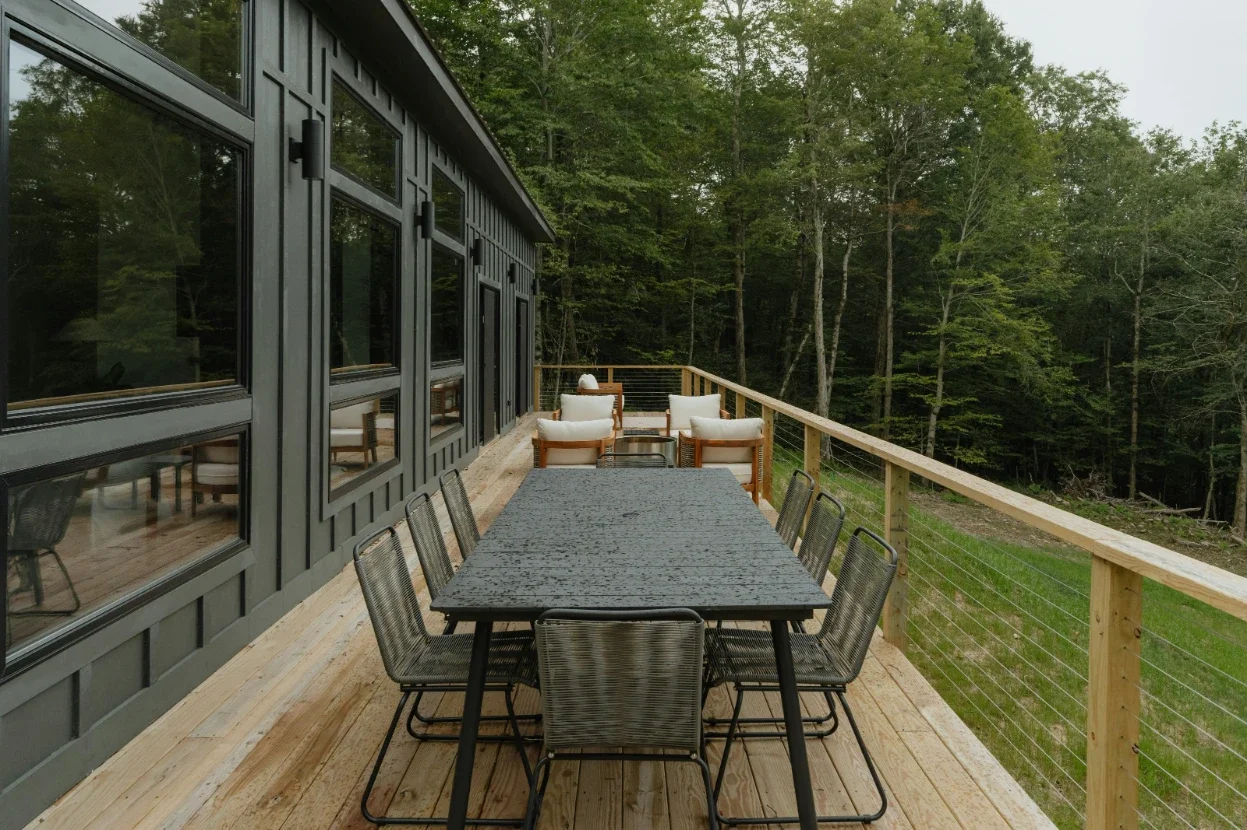
Contemporary gardens often suit long board runs and a restrained palette. Mid-brown, grey-brown, or charcoal tones can extend the lines of dark window frames and wide glass doors. Concealed fixings maintain a cleaner surface, while a narrow border can define a dining zone without adding another paving material.
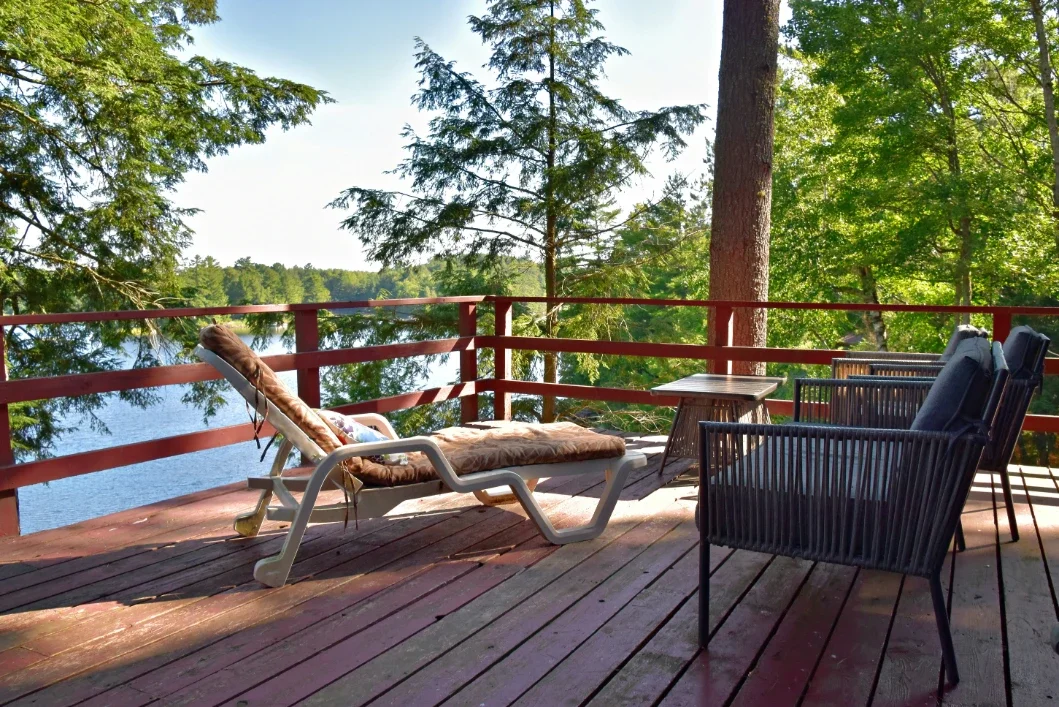
Planting-led gardens can carry more variation. Warm timber shades sit naturally beside brick, weathered stone and cottage-style borders. Honey tones complement terracotta pots and Mediterranean planting, while darker boards create a stronger backdrop for broad leaves and sculptural greenery.
Compact terraces benefit from fewer competing lines. Running boards towards the longest view can make the garden appear deeper. A single border may separate seating from planting, but several changes in direction can make a small area feel crowded. Homeowners searching for the best decking for garden projects should begin with the conditions around the house. A board that feels comfortable in shade may become warmer on an open, south-facing terrace. Drainage, wet leaves and cleaning frequency can matter as much as color.
Samples are best viewed outside, where brown boards may reveal red, grey, or golden undertones. Placing them beside the exterior wall, paving and planting gives a clearer sense of whether the tone suits the space. Fixings influence the design too. A comparison of hidden fasteners and exposed deck screws shows how concealed systems create an uninterrupted surface, while visible screws may suit a practical or traditional scheme.
Choose for Daily Life
A deck needs to work once chairs scrape across it, pots leave marks and leaves gather around the edges. Natural timber may suit a home where visible grain and gradual weathering are part of the look. Engineered boards may fit better where consistent color and reduced routine treatment matter more.
Direct sun, wet feet, pets, moving furniture and realistic maintenance habits should shape the decision. The supporting frame, drainage and airflow beneath the boards are as important as the surface above. The strongest choice is the material that suits the architecture, responds well to the garden and continues to work once the space becomes part of daily life.
Stay up to date with our latest ideas!