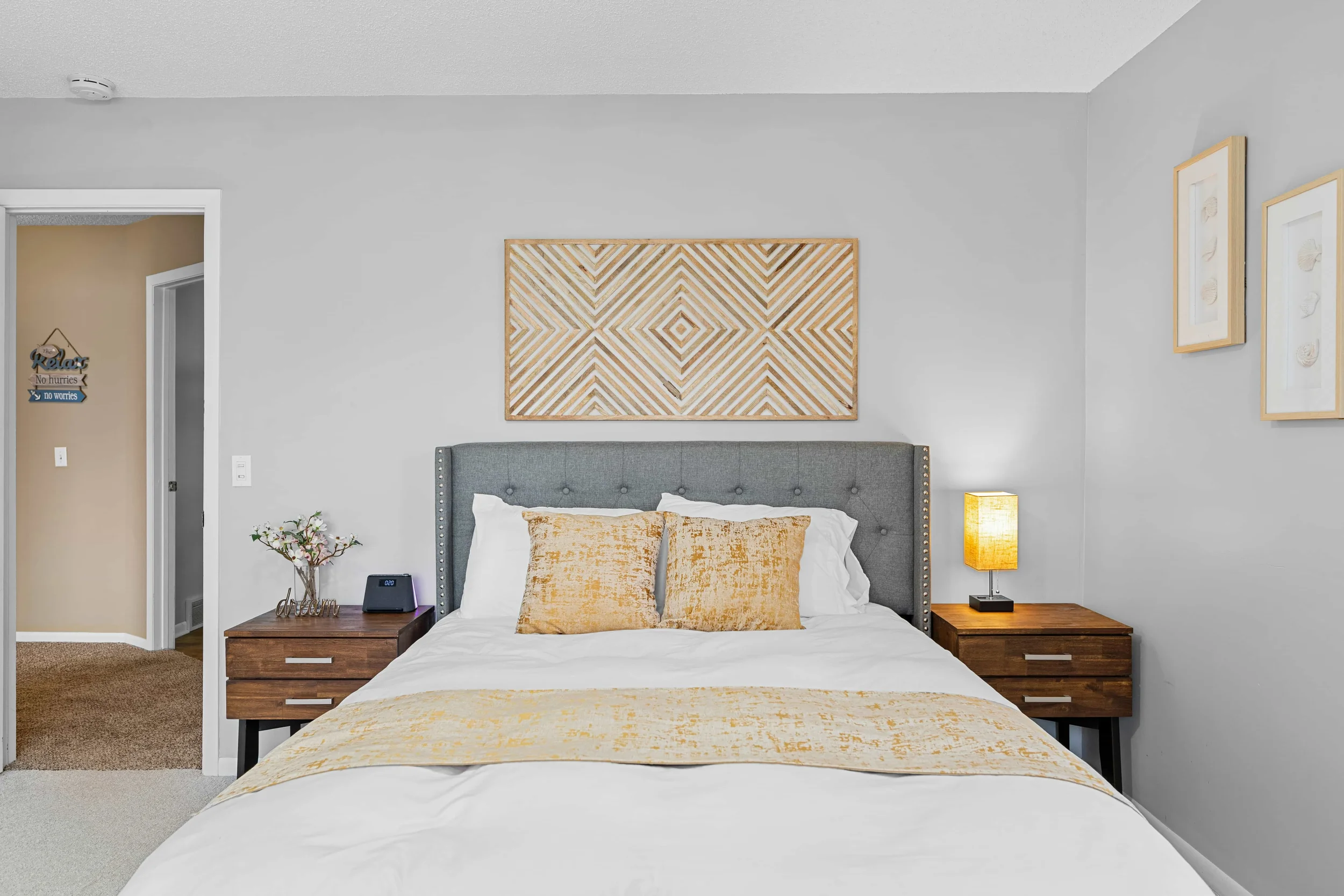
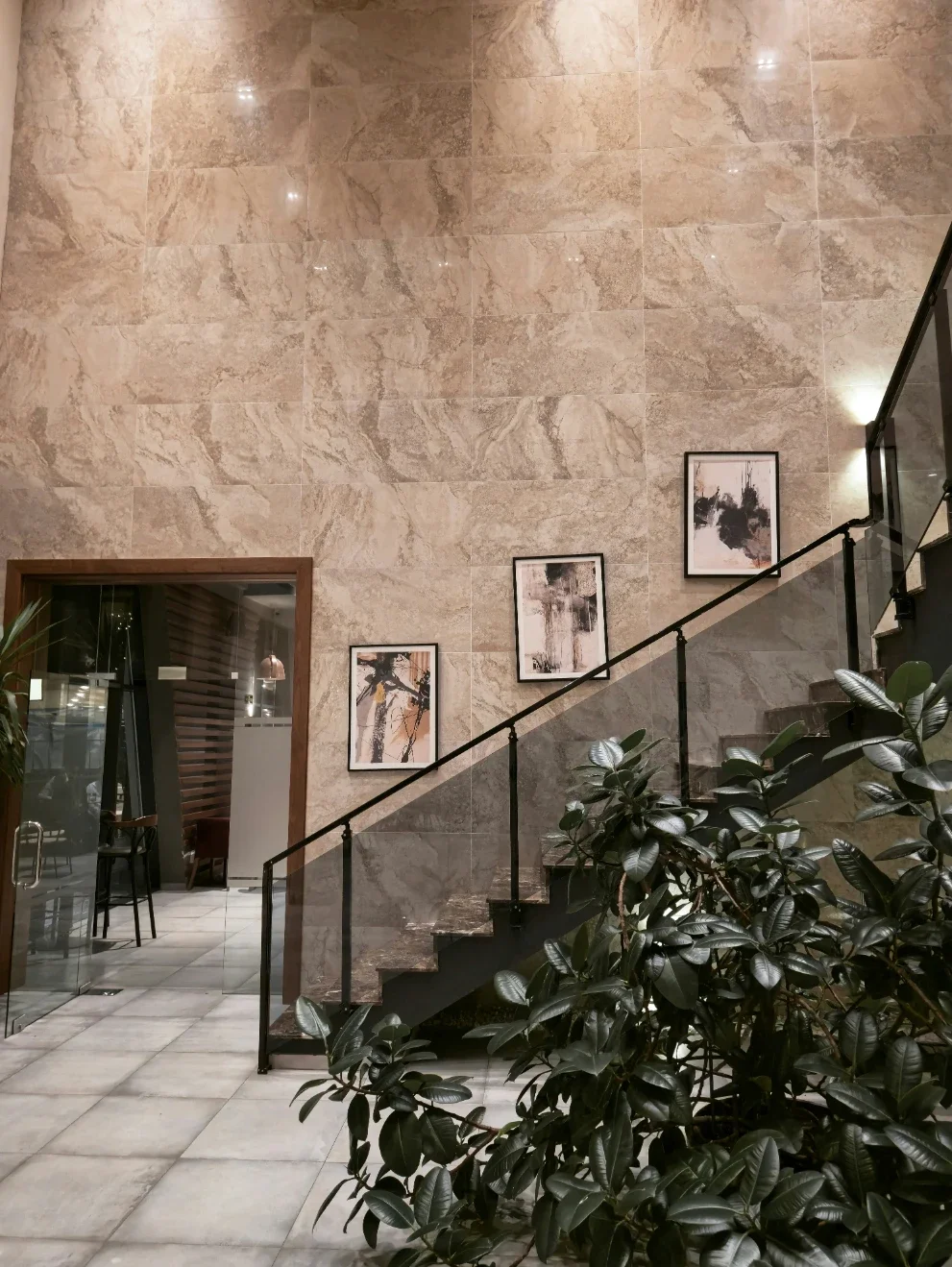
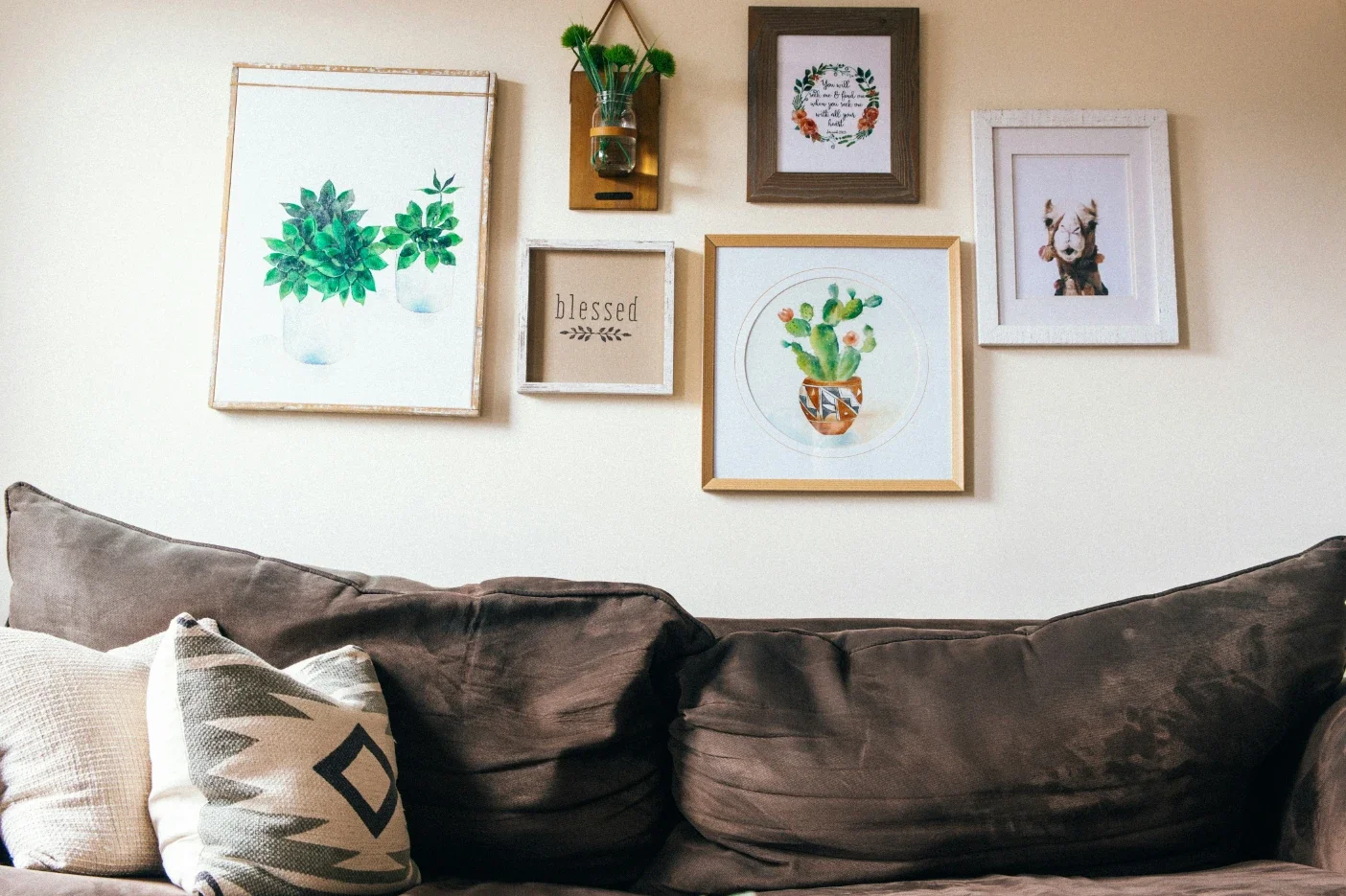
Luxury Wall Art: Adapting to Multifunctional Home Spaces
Explore how luxury wall art adapts to multifunctional home spaces, enhancing flexibility, visual balance, and style without overwhelming modern interiors.
As homes increasingly serve multiple purposes—doubling as offices, gyms, and entertainment hubs—the role of luxury wall art has fundamentally shifted. No longer merely decorative, high-end art now anchors flexible spaces, providing visual continuity while adapting to changing functions throughout the day. This evolution reflects broader shifts in how we inhabit our homes, where a dining room might transform into a workspace by morning and a gallery-worthy entertaining space by evening.
The challenge lies in selecting pieces that maintain their impact across these varied contexts. Luxury wall art must now balance aesthetic sophistication with practical versatility, complementing both focused work environments and relaxed social settings. This article examines how contemporary art adapts to multifunctional living, from selecting pieces that enhance rather than overwhelm flexible spaces to understanding the psychological effects of visual elements on productivity and relaxation.
The Evolution of Luxury Wall Art
The trajectory of luxury wall art spans from the monumental tapestries commissioned by European nobility to the curated collections that define contemporary interiors.
Today's luxury art market has democratized without diluting quality. Digital printing technologies and expanded distribution channels mean museum-quality reproductions and limited editions reach audiences far beyond traditional collectors. Yet the fundamental appeal remains unchanged: art that commands attention, sparks conversation, and elevates everyday environments into something more considered.
Contemporary luxury wall art encompasses diverse mediums—from traditional oil paintings and fine art photography to mixed media installations and digital prints on premium substrates. This range allows homeowners to select pieces that align with both aesthetic preferences and practical requirements. A large-scale photograph printed on metal, for instance, brings gallery-level impact to a modern living space while withstanding the humidity of adjacent open-plan kitchens.
The shift toward multifunctional spaces has accelerated demand for art that performs across contexts. A statement piece in a living area that doubles as a video conference backdrop must project professionalism during work hours while maintaining its role as a focal point for evening entertaining. This dual functionality has become a defining characteristic of contemporary luxury wall art.
Selecting Luxury Wall Decor for Flexible Spaces
Choosing art for multifunctional environments requires a more strategic approach than traditional decorating. The piece must work across different lighting conditions, viewing distances, and room configurations. Here's how to approach the selection process:
Assess Functional Zones: Map how spaces shift throughout the day. A home office corner that becomes a reading nook in the evening needs art that supports both focused concentration and relaxation.
Consider Scale Dynamically: Large-scale pieces anchor flexible spaces, providing visual stability as furniture moves or room functions change. Conversely, gallery walls of smaller works can define specific zones within open-plan areas.
Evaluate Color Temperature: Neutral palettes with strategic color accents adapt more readily to changing contexts than highly saturated pieces. Cool tones promote focus during work hours, while warmer accents create inviting atmospheres for social settings.
Test Viewing Angles: In multifunctional spaces, art gets viewed from various positions—seated at a desk, standing in a kitchen, or reclining on a sofa. Select pieces with visual interest that holds across these perspectives.
Balance Statement and Subtlety: Bold pieces create impact but can overwhelm spaces serving multiple purposes. Consider how a work's visual weight affects different activities—a dramatic abstract might energize creative work but prove distracting during video calls.
Retailers curating wall art suited to flexible living spaces include Leisure Piece, Artfully Walls, and selections through Wayfair. Additionally, exploring the collection of Nordic Park abstract wall art is highly recommended for those seeking a sophisticated blend of minimalist aesthetics and calming organic forms that effortlessly bridge the gap between a focused workspace and a relaxing sanctuary.
High-Quality Art Prints in Contemporary Interiors
The distinction between original works and premium prints has narrowed considerably, with advances in printing technology producing reproductions that rival originals in visual impact. High-quality art prints have become the practical choice for designers and homeowners seeking gallery-level aesthetics without the investment and maintenance requirements of original works.
Several factors distinguish premium prints from standard reproductions:
Substrate Quality: Museum-grade papers, canvas, metal, and acrylic substrates provide archival longevity and superior color rendering. Metal prints, for instance, offer exceptional vibrancy and durability in high-humidity environments like bathrooms and kitchens.
Printing Technology: Giclée printing using archival inks produces color accuracy and tonal range that standard printing cannot match. These prints maintain their appearance for decades when properly displayed.
Limited Editions: Numbered prints with certificates of authenticity provide collectibility and value retention, bridging the gap between mass-produced reproductions and unique originals.
Customization Options: Premium print services offer sizing flexibility, allowing pieces to be scaled precisely for specific spaces—a crucial advantage in multifunctional areas where proportions matter.
Luxury Wall Art for Living Rooms and Bathrooms
Living rooms and bathrooms represent opposite ends of the functional spectrum, yet both benefit significantly from thoughtfully selected luxury wall art. The approach differs substantially between these spaces, reflecting their distinct purposes and environmental conditions.
Living Room Considerations
Living areas, particularly those serving multiple functions, require art that anchors the space without dominating it. Strategic placement and selection create visual hierarchy while supporting the room's various uses:
Focal Point Positioning: Place primary pieces at eye level (typically 57-60 inches to center) on walls visible from main seating areas. In multifunctional spaces, this often means the wall opposite the primary entrance or behind key furniture pieces.
Proportional Scaling: Large pieces should occupy roughly two-thirds to three-quarters of the furniture width below them. For sectional sofas or extended wall runs, consider diptychs or triptychs that create impact without overwhelming.
Lighting Integration: Natural and artificial lighting dramatically affect how art appears throughout the day. Position pieces to avoid direct sunlight while ensuring adequate illumination during evening hours when living spaces typically see heaviest use.
Color Coordination: Rather than matching existing palettes exactly, select art that introduces complementary tones. This approach allows flexibility as other design elements change while maintaining visual cohesion.
Bathroom Applications
Bathrooms present unique opportunities for luxury wall art, transforming utilitarian spaces into personal retreats. However, environmental factors require careful material selection:
Moisture-Resistant Materials: Metal prints, sealed canvas, and acrylic-mounted photographs withstand humidity far better than traditional paper prints. These substrates maintain their appearance in steamy environments without warping or deteriorating.
Scale Appropriateness: Smaller, intimate pieces often work better in bathrooms than large-scale works. Consider series of related images rather than single large pieces to maintain visual interest without overwhelming limited wall space.
Thematic Consistency: Spa-like serenity, bold graphic statements, or subtle abstracts—the chosen aesthetic should align with the bathroom's overall design while providing a focal point that elevates the space beyond pure functionality.
Strategic Placement: Position art on walls away from direct water exposure while ensuring visibility from key vantage points. The wall opposite the vanity or adjacent to a soaking tub often provides ideal placement.
The Psychology of Art in Multifunctional Spaces
The psychological impact of visual elements extends beyond aesthetic preference, influencing productivity, stress levels, and overall well-being. In multifunctional spaces where activities shift throughout the day, understanding these effects becomes crucial for selecting appropriate art.
Color psychology plays a fundamental role in how art affects mood and behavior:
Cool Tones (Blues, Greens): Promote focus and calmness, making them ideal for spaces that function as home offices or study areas. These colors lower heart rate and reduce anxiety, supporting concentrated work.
Warm Tones (Reds, Oranges, Yellows): Energize and stimulate, encouraging social interaction and creativity. These work well in areas designated for entertaining or collaborative activities.
Neutral Palettes: Provide visual rest and adaptability, allowing spaces to shift functions without creating psychological dissonance. Neutrals serve as anchors in multifunctional environments.
Contrast and Saturation: High-contrast, saturated images command attention and energize spaces, while low-contrast, desaturated works create contemplative atmospheres conducive to relaxation.
Subject matter carries equally significant psychological weight. Abstract compositions allow viewers to project their own interpretations, making them versatile choices for spaces serving varied purposes. Representational works—landscapes, architectural photography, figurative art—create more specific emotional responses that should align with the space's primary function.
Personal connection to artwork amplifies these psychological effects. Pieces that resonate with individual experiences, memories, or aspirations create stronger emotional responses than aesthetically pleasing but impersonal selections. This personal dimension becomes particularly important in home environments where art contributes to a sense of belonging and identity.
Stay up to date with our latest ideas!