Is European Oak Flooring a Good Choice for Your Home
Find out whether European oak flooring is a good choice for your home by exploring its durability, appearance, maintenance, and long term value.

European oak flooring has become one of the most popular hardwood flooring choices for homeowners who want a warm, natural, high-end look. You see it in modern homes, luxury remodels, custom builds, boutique hotels, and designer-inspired interiors. It has that soft, elegant appearance that feels clean without looking cold.
But before you buy it, it is worth understanding what European oak really is, why people love it, and where it may not be the best fit. Bergamo Floors covers just that in this guide.
European oak can be beautiful, durable, and long-lasting, but like any flooring material, it has pros and cons. The right choice depends on your home, your budget, your lifestyle, and the kind of finish you want.
What European oak flooring actually is
European oak usually refers to oak wood sourced from Europe, often from countries such as France, Germany, Croatia, Poland, Ukraine, and other parts of the region. It is closely related to white oak, but it has its own look and character.
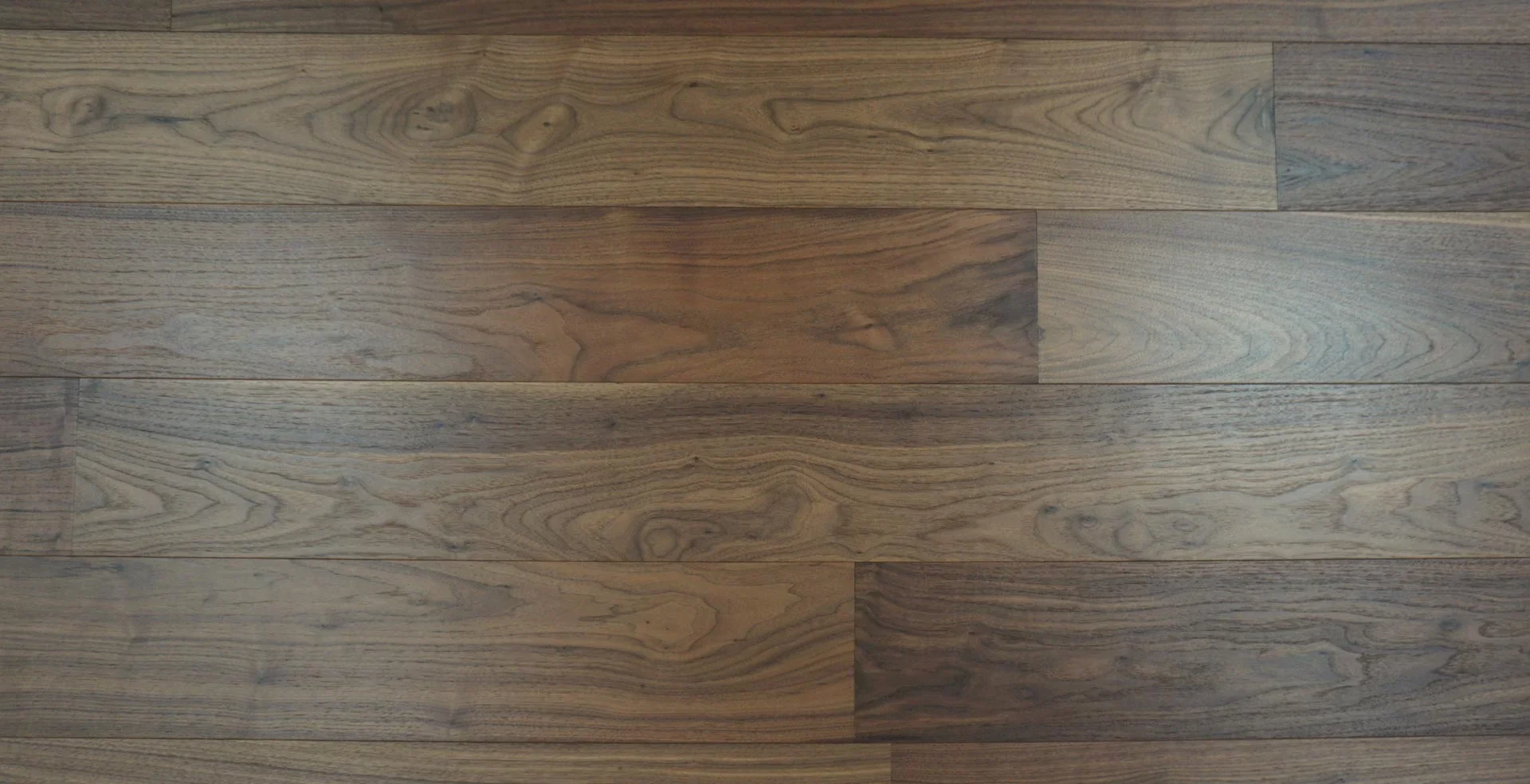
Many homeowners choose European oak because it has a calmer, more refined grain than some domestic oak flooring options. It often has soft golden, beige, light brown, or neutral undertones. It can look rustic, modern, traditional, or very clean depending on the grade and finish.
European oak is commonly sold as engineered hardwood, especially in wider planks. You can find it as solid hardwood too, but engineered European oak is very popular because it offers better stability for wide boards and changing indoor conditions.
That is one of the reasons designers and homeowners like it so much. It gives you the beauty of real oak with more flexibility in plank size, finish, and installation.
The biggest reason people love European oak
European oak has a natural, understated beauty. It does not usually look too busy, too orange, or too harsh. It has warmth, but it still feels calm.
That balance is what makes it so appealing.
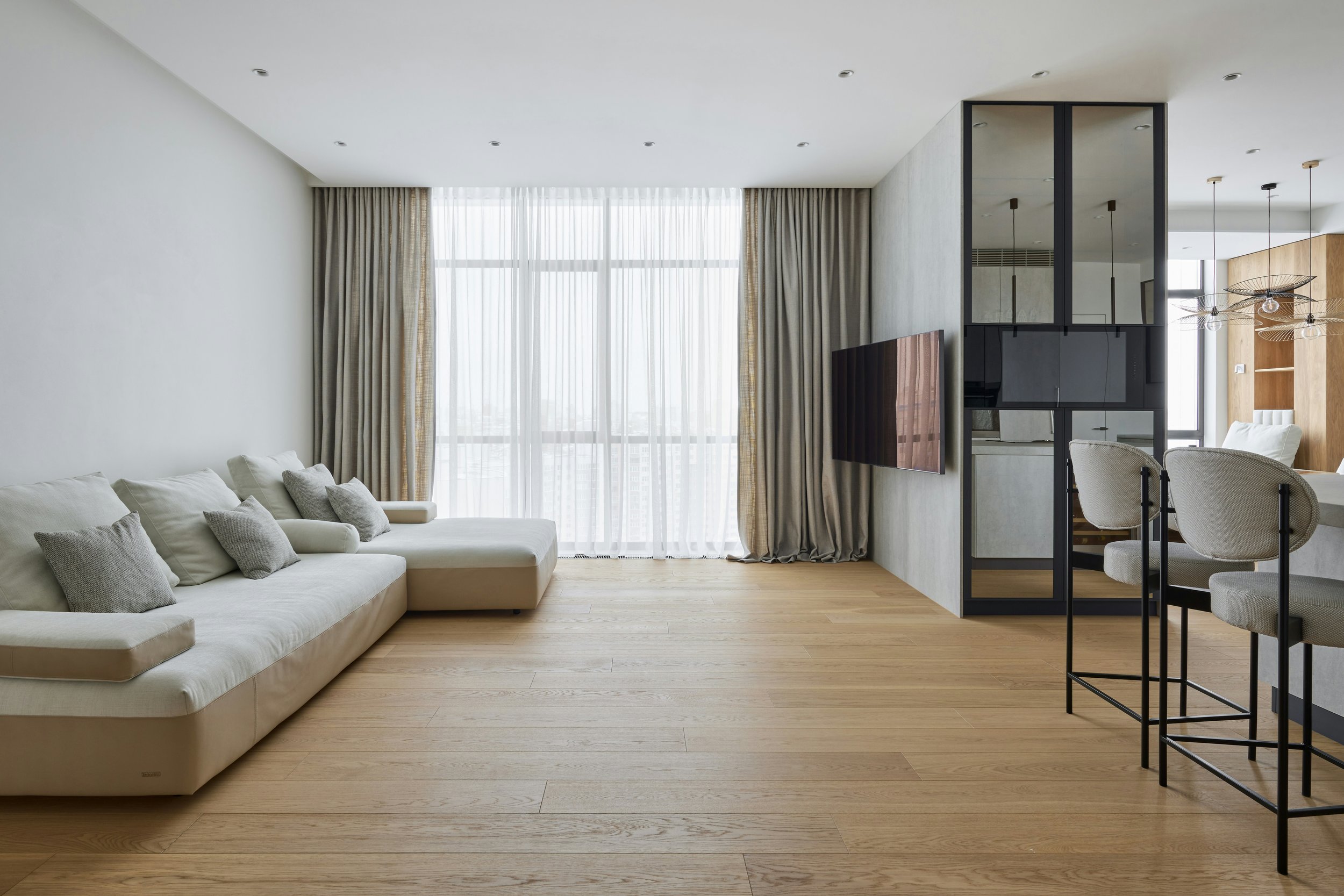
Some hardwood floors dominate the room. European oak usually supports the design instead. It gives the space texture and warmth without making the floor feel loud. This is especially helpful in open-concept homes where the flooring runs through the kitchen, living room, dining area, and hallways.
A natural European oak floor can work with white walls, black fixtures, stone countertops, warm wood cabinets, linen furniture, plaster finishes, and modern lighting. It is flexible enough to fit many styles, which makes it a safer choice if you like changing furniture, paint colors, or decor over time.
Pro It has a high-end designer look
European oak is strongly associated with premium interiors. Wide planks, natural finishes, soft grain, and light neutral tones give it a custom-home feeling.
If you want your home to feel updated, warm, and expensive without looking overly formal, European oak is one of the best flooring choices.
It can make a room feel bigger and brighter, especially when installed in a light natural finish. It also works well in homes that need warmth but not heavy color. This is why it is often used in modern farmhouse, European-inspired, Scandinavian, coastal, organic modern, and transitional interiors.
The look is stylish, but not too trendy. That matters because flooring is not something most people want to replace every few years.
Pro It works beautifully in wide planks
European oak is one of the most popular choices for wide plank flooring. Wide planks show more of the natural wood grain and give the floor a cleaner, more spacious appearance.
Narrow flooring can feel busy in large rooms. Wide plank European oak has fewer seams, which helps the space feel more open and relaxed.
This is especially attractive in living rooms, kitchens, primary bedrooms, and open floor plans. The wider boards create a smooth visual flow from one area to another.
Most wide plank European oak floors are engineered rather than solid. That is usually a good thing. Engineered construction helps reduce the natural movement that can happen with wide wood planks.
Pro It has a calm and natural grain
European oak usually has a more subtle grain than red oak. It can have knots, mineral streaks, and natural variation, but it often feels softer and more balanced.
That makes it easier to pair with other finishes in the home.
If your kitchen has stone countertops, wood cabinets, tile backsplash, metal fixtures, and painted walls, the floor needs to work with all those materials. European oak is neutral enough to blend well without fighting for attention.
You can choose a cleaner grade for a more polished look or a character grade for a more natural, rustic appearance. Both can be beautiful, but they create very different moods.
Pro It takes modern finishes very well
One of the best things about European oak is how well it works with popular flooring colors.
It looks great in natural, beige, light brown, warm gray, greige, honey, smoked, and matte finishes. If you want that soft designer oak look, European oak is usually easier to work with than woods that have strong red or orange undertones.
This is a big advantage if you want a light natural floor.
Some woods fight against pale finishes because their undertones keep showing through. European oak tends to stay more neutral, especially when finished properly.
It also works well with oil finishes, hardwax oil, matte polyurethane, wire-brushed textures, and smoked treatments. These finishes can make the floor look more natural and less plastic-coated.
Pro It can make a home feel brighter
A lighter European oak floor can help brighten a room without making it feel plain. It reflects light better than dark flooring and can make smaller spaces feel more open.
This is helpful in homes with limited natural light, smaller rooms, or darker furniture.
White walls and light oak floors can sometimes feel cold if the flooring has gray undertones. European oak helps avoid that problem because it usually brings some natural warmth. The result feels soft, clean, and comfortable.
That is one reason it is so popular in Los Angeles homes, modern remodels, and open living spaces where people want a bright but still welcoming feel.
Pro It is durable for everyday living
European oak is a hardwood, so it can handle normal household use well. It is a practical choice for living rooms, bedrooms, hallways, dining areas, and many kitchens.
Like all real wood flooring, it can scratch or dent if abused. But with the right finish and care, it can last a long time.
A matte or satin finish can help hide small marks better than a glossy finish. Wire-brushed European oak can be even more forgiving because the texture helps disguise everyday wear.
This makes it a good option for busy homes, especially if you choose a medium tone instead of a very dark or very pale finish.
Pro Engineered European oak is more stable
Most European oak flooring sold today is engineered hardwood. That means the top layer is real European oak, while the core underneath is made from layered wood or plywood.
This construction helps the floor handle changes in temperature and humidity better than a solid wide plank floor.
That does not mean engineered European oak is waterproof. It is still real wood. But it is usually more stable than solid hardwood in many situations.
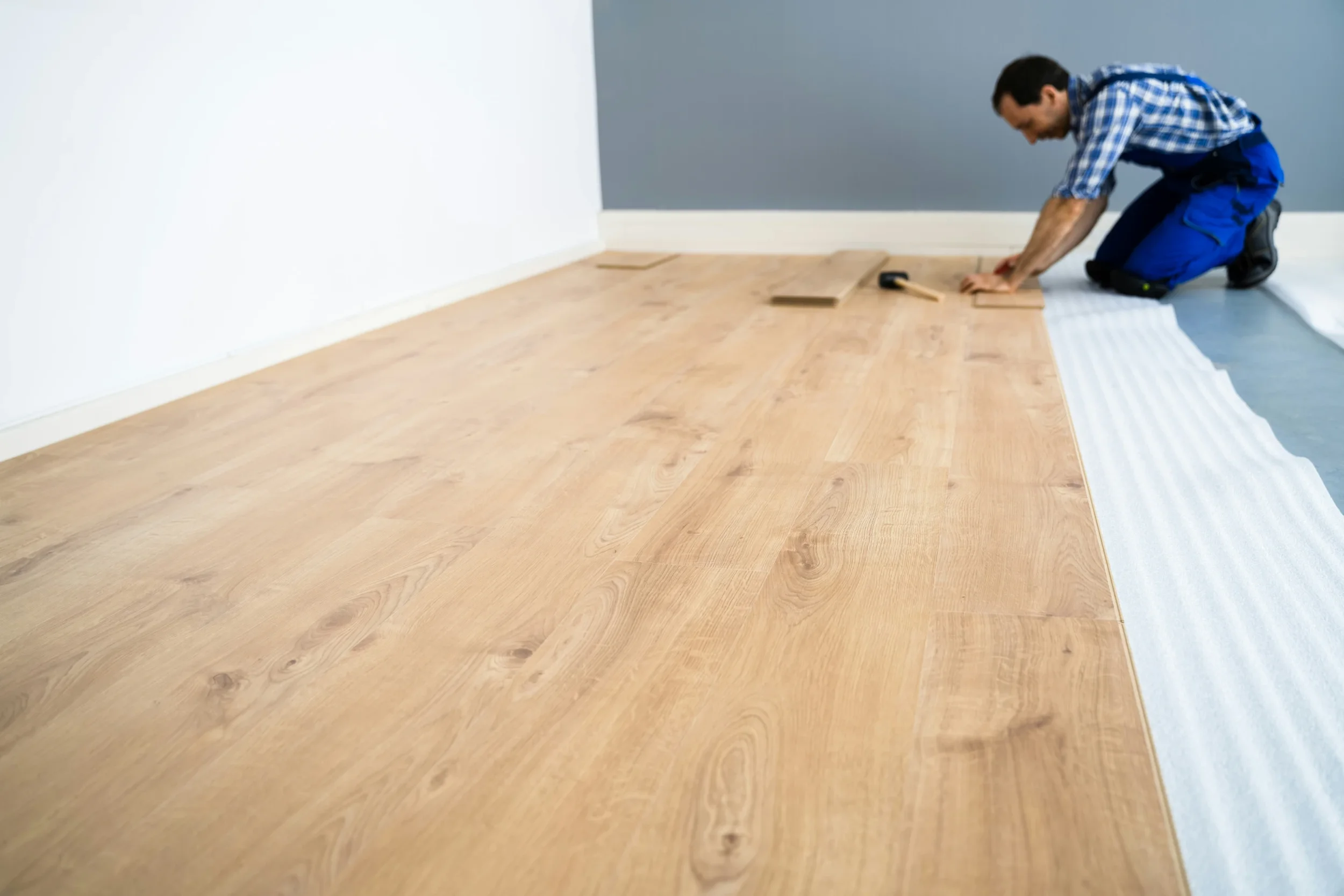
Engineered European oak can often be installed over concrete, on upper levels, in condos, and in homes where solid hardwood may not be the best option. It also gives homeowners more flexibility with installation methods, including glue-down, nail-down, or floating systems, depending on the product.
Pro It can increase the feel of home value
European oak has strong visual appeal. When installed well, it can make a home look more refined and current.
Buyers often respond well to light, natural, wide plank oak floors because they feel clean and versatile. They also photograph beautifully, which matters if you ever plan to sell your home.
A home with quality European oak flooring can feel more custom, even if the rest of the design is simple. The floor becomes the foundation that lifts everything else.
Of course, value depends on quality. A cheap floor with a thin veneer and poor finish will not give the same impression as a well-made European oak floor with a strong core and a beautiful surface.
Con It can be more expensive
European oak is often more expensive than standard domestic oak flooring. The cost can increase even more if you choose wide planks, long boards, premium grades, specialty finishes, or thicker engineered construction.
Some homeowners fall in love with the look before realizing how much the total project will cost.
The flooring material is only part of the price. You also need to consider installation, subfloor preparation, moisture testing, adhesive, underlayment, trim, transitions, baseboards, and possible removal of old flooring.
European oak can be worth the investment, but it is not always the budget option. If cost is your main concern, standard red oak, domestic white oak, or a narrower plank floor may be more affordable.
Con Quality can vary a lot
Not all European oak flooring is the same.
Two floors may both be called European oak, but one may be a premium product and the other may be cheaply made. The difference may not be obvious from a small sample.
A high-quality engineered European oak floor should have a stable core, a good wear layer, consistent milling, a durable finish, and clear installation guidelines.
A lower-quality product may have a very thin veneer, weak core, uneven finish, poor locking system, or boards that do not fit tightly together.
This is where homeowners need to be careful. The name “European oak” sounds premium, but the construction still matters.
Before buying, look at the wear layer thickness, overall plank thickness, finish type, warranty, installation method, and reviews from real installations.
Con Some finishes can be high maintenance
Natural and light European oak floors can be beautiful, but some finishes require more care than others.
Very pale floors can show dirt in certain lighting. Very matte floors can show oils or footprints if the finish is not strong. Dark smoked European oak can show dust, scratches, and pet hair more easily.
Oil-finished floors can look very natural, but they may need more regular maintenance than standard polyurethane-finished floors. Some homeowners love this because oil finishes can be spot-repaired more easily. Others do not want the extra care.
Before choosing a finish, think about how you actually live. A showroom sample may look perfect, but your home may have kids, pets, shoes, spills, sunlight, and heavy furniture.
A floor should fit your lifestyle, not just your Pinterest board.
Con It is not waterproof
European oak is real wood, so it is not waterproof.
This is important because some flooring showrooms make engineered hardwood sound almost indestructible. It is more stable than solid wood, but it can still be damaged by standing water, leaks, pet accidents, or wet mopping.
If water sits on the floor too long, it can stain, swell, cup, or damage the finish. Kitchens are usually fine if spills are cleaned quickly, but bathrooms, laundry rooms, and wet basements are more risky.
If you want a truly waterproof floor, European oak may not be the right product. Luxury vinyl, tile, or waterproof flooring options may be better for those areas.
Con Wide planks can still move
Engineered construction helps reduce movement, but it does not eliminate it completely.
Wood still expands and contracts with changes in moisture and humidity. Wide planks can show movement more clearly than narrow planks because each board covers more surface area.
If your home has poor humidity control, moisture problems, or an uneven subfloor, even a good European oak floor can have issues.
This is why proper installation matters so much. The installer should check moisture levels, prepare the subfloor, leave expansion space, and follow the manufacturer’s instructions.
A beautiful floor can fail if it is installed in the wrong conditions.
Con Color variation may surprise some homeowners
European oak often has natural variation. Some boards may be lighter, darker, warmer, cooler, cleaner, or more rustic than others. Character-grade flooring may include knots, cracks, mineral streaks, and filled areas.
Many people love this because it makes the floor look natural and authentic.
But some homeowners expect every board to look exactly like the sample. Real wood does not work that way.
If you want a very clean and uniform floor, choose a select or prime grade. If you want a more organic and rustic floor, choose a character grade.
The important thing is to see a larger sample or installed photos before ordering. One small board does not always show the full range of the floor.
Con It may not match every home style
European oak is very versatile, but it is not perfect for every home.
If your home has a very traditional design with dark cherry cabinets, heavy trim, ornate furniture, or deep warm colors, a pale European oak floor may feel too modern.
If your home already has red oak flooring in some rooms, adding European oak in another area may create a mismatch unless the transition is handled carefully.
The floor should work with the whole house. Sometimes the best flooring choice is not the trendiest one. It is the one that looks like it belongs.
Solid European oak vs engineered European oak
Solid European oak is made from one piece of oak from top to bottom. It can usually be sanded and refinished many times, which gives it a long lifespan.
Engineered European oak has a real oak top layer over a stable core. It is usually better for wide planks, concrete slabs, condos, and homes with changing humidity.
For many homeowners, engineered European oak is the more practical choice. It gives the look of real European oak while improving stability and installation flexibility.
Solid European oak can still be a great option for above-grade rooms with a wood subfloor and controlled indoor conditions. But if you want wide planks or need to install over concrete, engineered is usually the safer choice.
What to look for before you buy
The first thing to check is the wear layer. This is the real oak surface on top of an engineered plank. A thicker wear layer usually means better long-term value because the floor may be refinished in the future.
Next, check the core. A high-quality plywood core is usually more stable than a weak or cheap core. The better the construction, the better the floor will perform.
Also look at plank length. Longer planks usually create a more luxurious look. Short, choppy boards can make the floor feel busier.
Then pay attention to the finish. Is it UV-cured? Oil-finished? Hardwax oil? Matte polyurethane? Each finish has a different appearance and maintenance requirement.
Finally, ask where the product can be installed. Some floors are approved for concrete. Some are not. Some work with radiant heat. Some do not. Some can be floated. Others must be glued or nailed.
These details matter more than the product name.
Best rooms for European oak flooring
European oak works beautifully in living rooms, dining rooms, bedrooms, hallways, offices, and open-concept spaces. It is also a popular choice for kitchens, as long as you understand that spills need to be cleaned quickly.
It is especially effective in rooms where you want a soft, natural foundation. If the rest of your design includes clean lines, neutral colors, stone, plaster, warm metals, or natural fabrics, European oak fits right in.
It may not be the best choice for full bathrooms, laundry rooms, mudrooms with heavy water exposure, or basements with moisture concerns.
In those areas, you may want tile, stone, luxury vinyl, or another water-resistant material.
Best finishes for European oak
A natural matte finish is one of the most popular choices because it keeps the wood looking soft and authentic. It does not feel overly shiny or formal.
A wire-brushed finish is also a good option for busy homes because the texture helps hide small scratches and daily wear.
Smoked European oak creates a richer, deeper tone. It can look beautiful in elegant interiors, but it may show variation more strongly.
Light beige and warm neutral finishes are good choices if you want a bright, modern look. Medium brown finishes are better if you want warmth and easier maintenance.
Very gray floors are less popular than they were a few years ago. If you want something that ages well, a natural or warm neutral finish is usually safer.
Is European oak good for homes with pets
European oak can work well in homes with pets, especially if you choose the right finish.
A textured, matte, or wire-brushed finish will usually hide small scratches better than a smooth glossy finish. Light to medium colors are also more forgiving than very dark floors.
That said, dog nails can scratch real wood. Pet water bowls, accidents, and muddy paws can also cause problems if ignored.
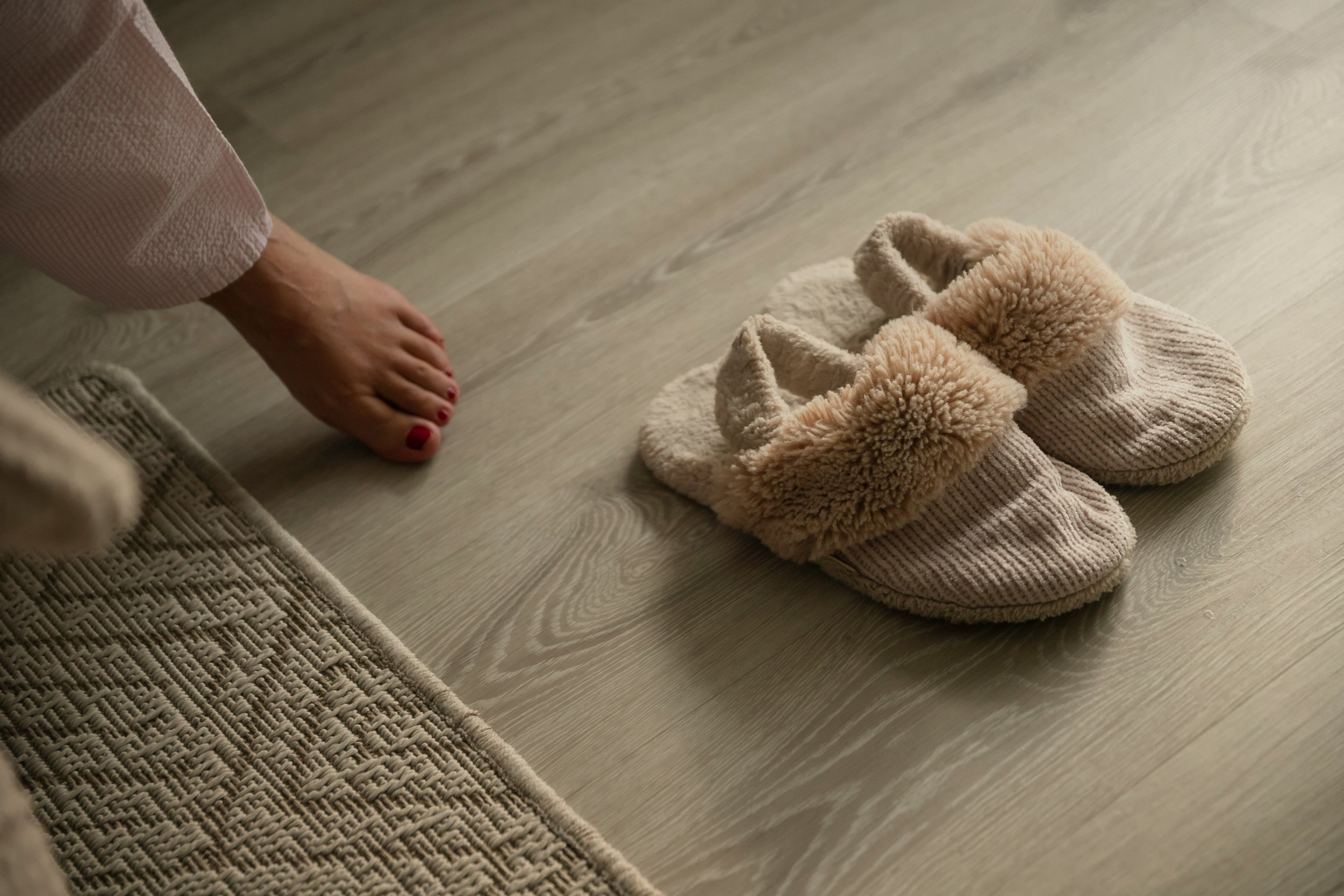
Use rugs near doors, keep pet nails trimmed, wipe spills quickly, and place mats under water bowls. These simple habits can help the floor stay beautiful much longer.
If you have large dogs and want a floor that looks perfect all the time, real wood may require more patience than tile or luxury vinyl.
Is European oak good for kitchens
European oak can be a beautiful kitchen flooring choice. It brings warmth to cabinets, countertops, and tile, and it helps the kitchen feel connected to the rest of the home.
It works especially well in open floor plans where the kitchen flows into the living room or dining area.
The main concern is water. Small spills are usually not a problem if they are cleaned quickly. Leaks from dishwashers, refrigerators, sinks, or ice makers are a bigger issue.
If you choose European oak for a kitchen, use a durable finish, wipe up spills quickly, and consider rugs in front of the sink and prep areas.
Is European oak worth the money
European oak is worth the money if you love the look, want real hardwood, and choose a quality product. It can make a home feel warmer, more refined, and more current.
It may not be worth the extra cost if you are mainly looking for the cheapest hardwood option. It may also not be the best choice if you need waterproof flooring or if your home has major moisture issues.
The smartest purchase is not always the most expensive floor. It is the floor that gives you the look you want and performs well in your actual home.
Who should choose European oak
European oak is a strong choice if you want a natural, elegant floor with a modern but timeless look. It is especially good for homeowners who like wide planks, matte finishes, soft grain, and warm neutral colors.
It also makes sense if you want a floor that works with many design styles. You can decorate around European oak for years without feeling boxed in by the floor color.
It is a good fit for homeowners who want something warmer than tile, more natural than vinyl, and more updated than traditional orange-toned hardwood.
Who may want a different flooring option
European oak may not be the best choice if your main priority is low cost. It is usually not the cheapest hardwood flooring option.
It may also not be right for very wet areas. If the room deals with constant moisture, real wood can be risky.
If you want a very formal, dark, traditional floor, another hardwood species or stain may fit better. If you want a floor that requires almost no maintenance, tile or luxury vinyl may be easier.
And if your home already has existing hardwood, refinishing what you have may be more practical than replacing everything with European oak.
A smart way to decide before ordering
Do not choose European oak from one small sample. Ask for larger samples or view an installed floor if possible. Look at the flooring in natural daylight and at night with your home’s lighting.
Place it next to your cabinets, wall colors, furniture, and trim. Check how much variation the boards have. Look at the knots, grain, and finish texture.
Also ask practical questions. Can it be refinished? How thick is the wear layer? Is it approved for your subfloor? What kind of maintenance does the finish require? What happens if one board gets damaged?
European oak is beautiful, but the best floor is not just the one that looks good in a photo. It is the one that still makes sense after you think about your home, your budget, your lifestyle, and the way you want the space to feel every day.
Stay up to date with our latest ideas!