How Roof Design and Material Choices Affect Long-Term Home Energy Costs
Learn how roof design and material choices affect long-term home energy costs, with insights into insulation, ventilation, reflectivity, durability, and efficiency.
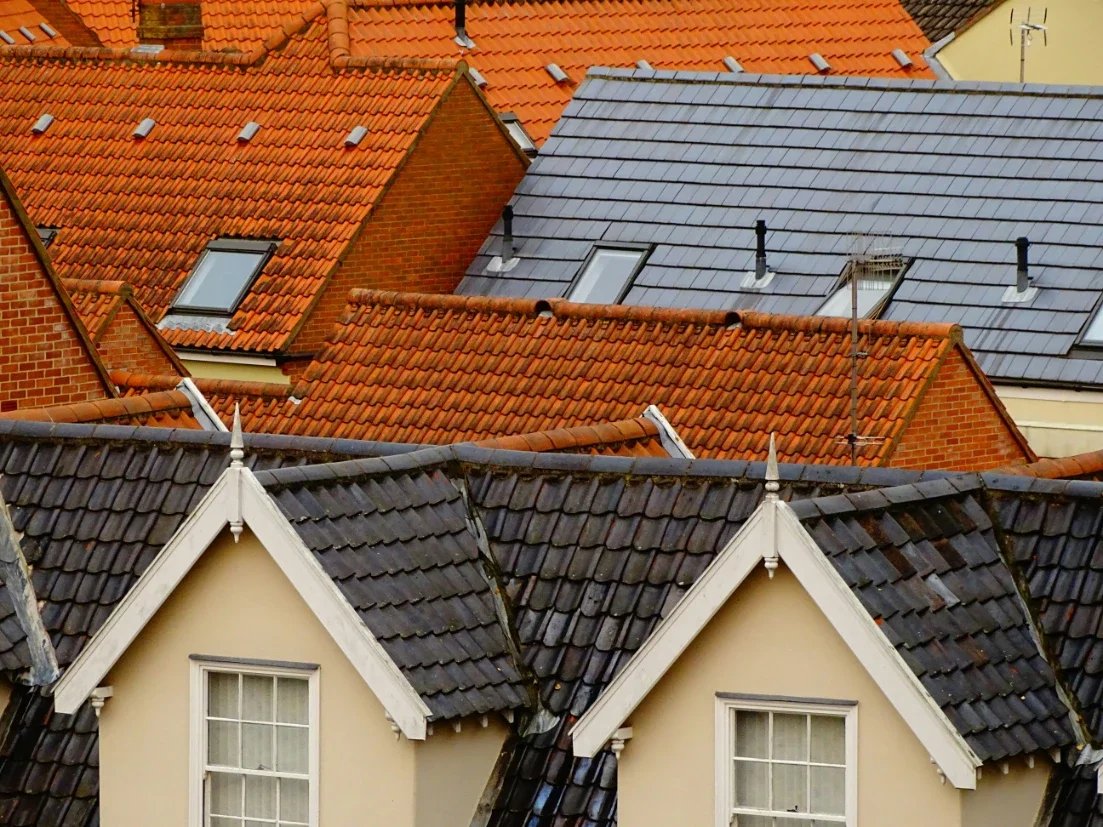
Most homeowners think about a roof mainly as protection from rain, wind, and debris. But the roof also affects how hot or cool the home feels and how often the heating or air-conditioning system needs to run.
Those costs add up over the life of the roof. A material with a lower upfront price may absorb more heat or need to be replaced sooner. Another option may cost more at first but last longer or help the home stay cooler during hot weather.
That is why it helps to look beyond color and price. The material, roof shape, insulation, ventilation, and installation all play a part in the home’s long-term energy use.
Roof Color Can Affect Heat Gain
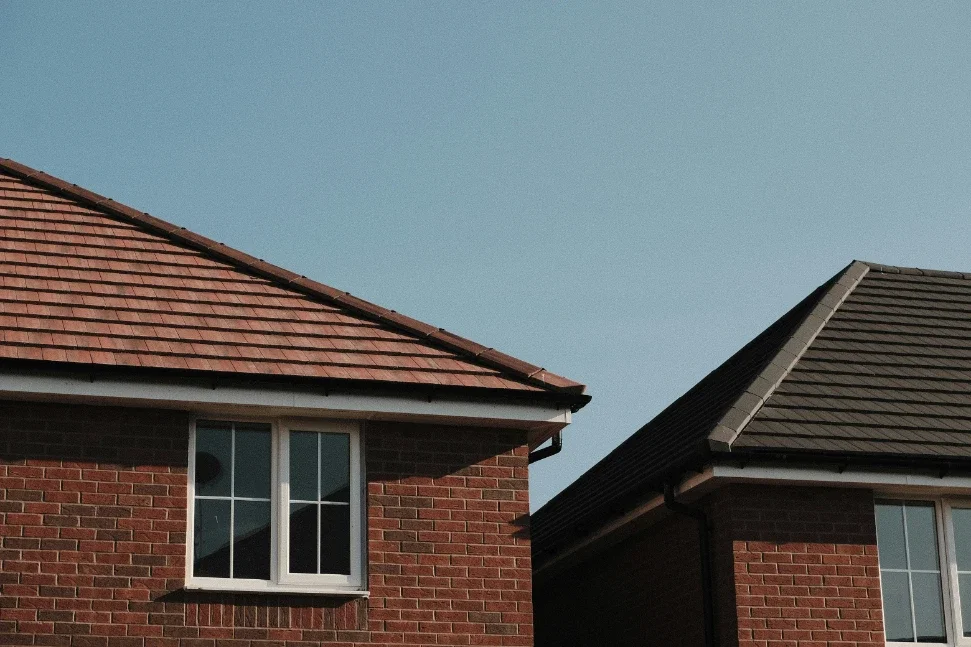
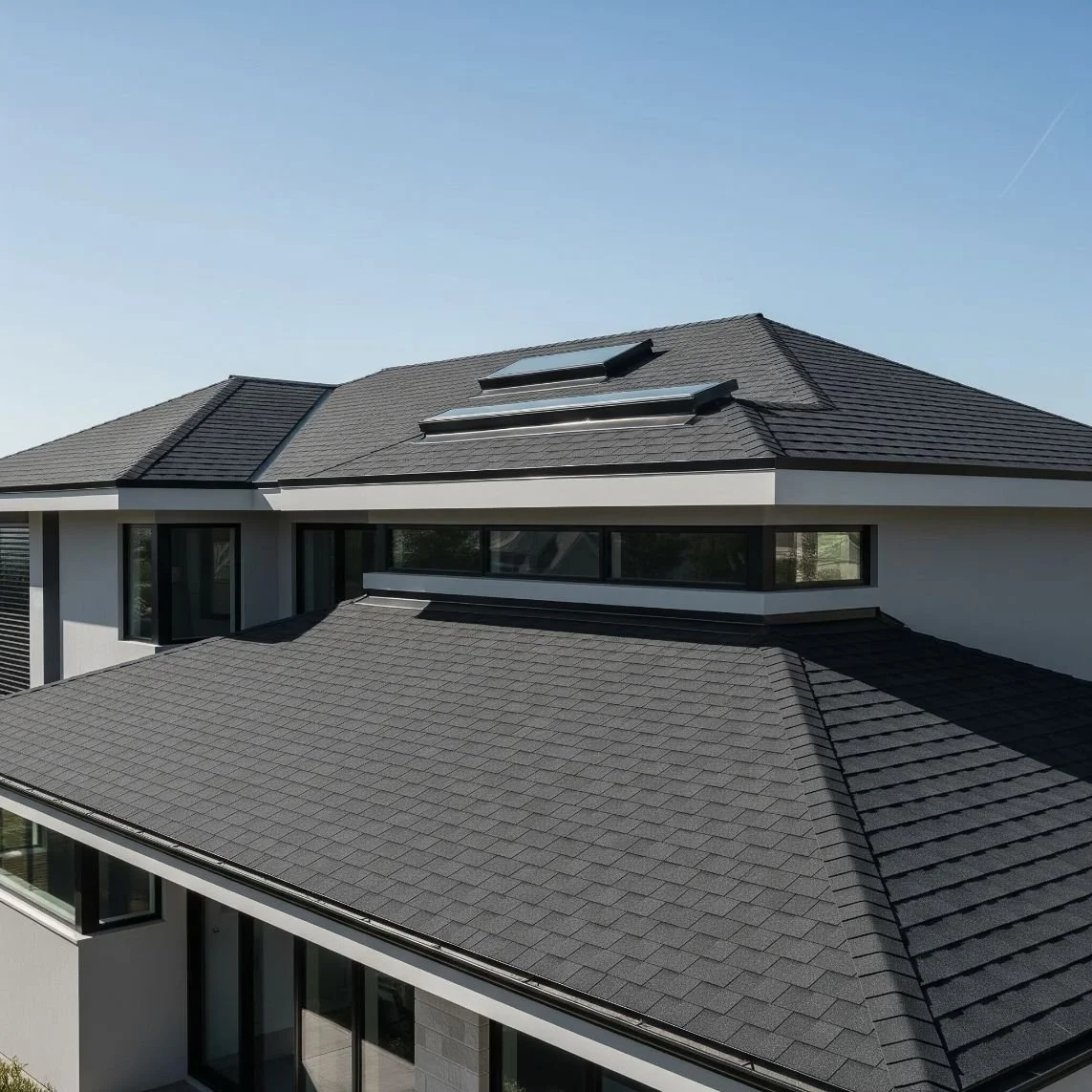
Dark roofing materials usually absorb more heat from the sun. During warm weather, that heat can build up on the roof and inside the attic. Some of it eventually reaches the rooms below, which may cause the air conditioner to run longer.
Cool roofing materials are made to reflect more sunlight and release absorbed heat. According to ENERGY STAR’s information about cool roofs, they generally provide the most energy savings in hot, sunny climates, especially when a building does not already have much roof insulation.
Color matters, but it does not tell the whole story. Two products that look nearly identical may have different solar reflectance and heat release ratings. It’s better to check the product information than to assume every light-colored roof will perform the same way.
Before selecting a color or coating, homeowners should ask:
What are the product’s initial and aged reflectance ratings?
Will dirt or pollution affect its performance over time?
Is it suitable for the slope of the roof?
Does it meet local energy code requirements?
How much direct sunlight does the roof receive?
A reflective roof may help during hot weather, but the rest of the roofing and attic system still needs to be considered.
Different Materials Have Different Long-Term Costs
Each roofing material handles heat, weather, and age differently. Its performance also depends on its color, coating, underlayment, and installation method.
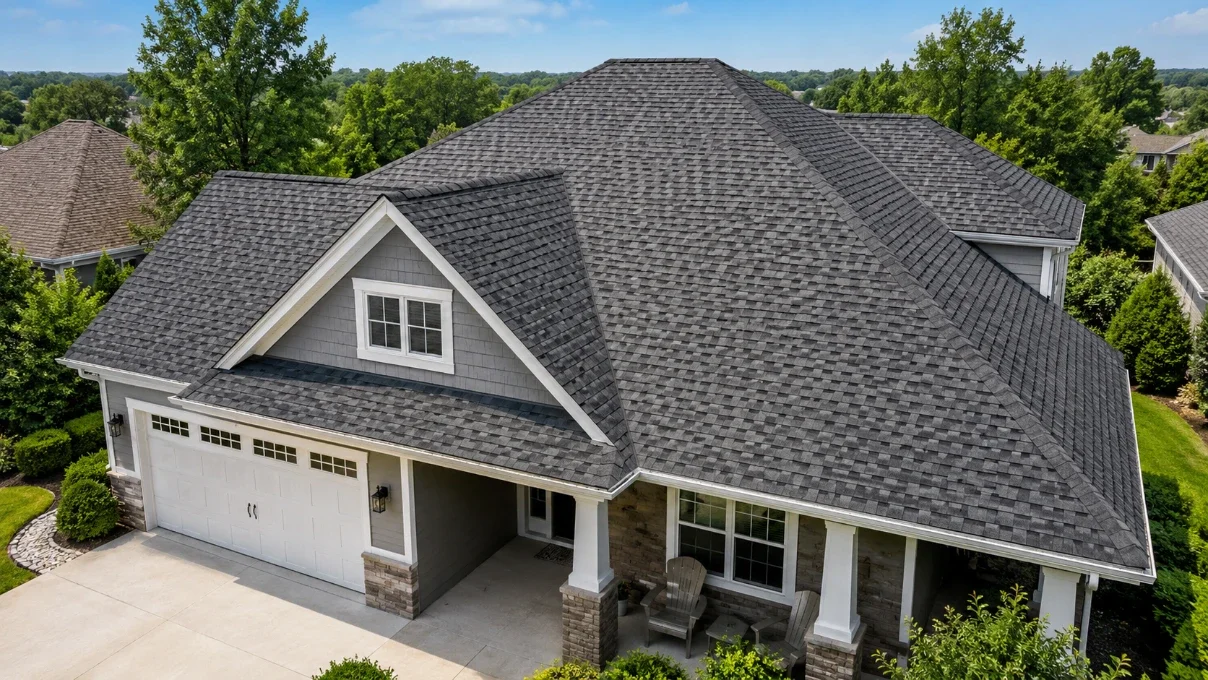
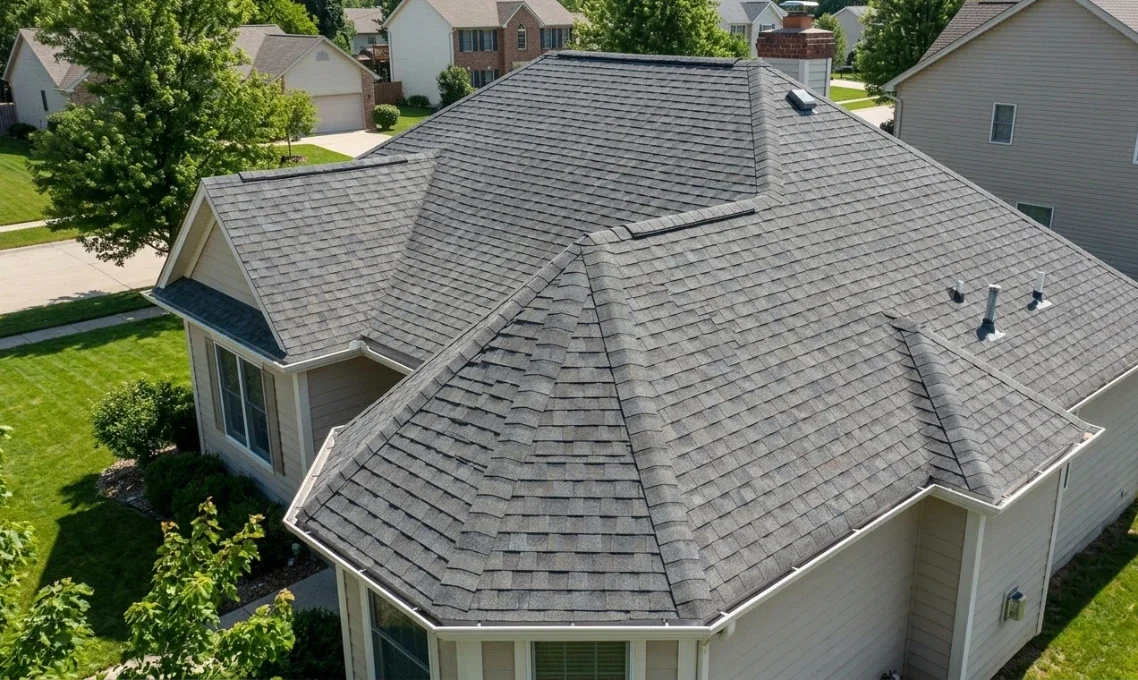
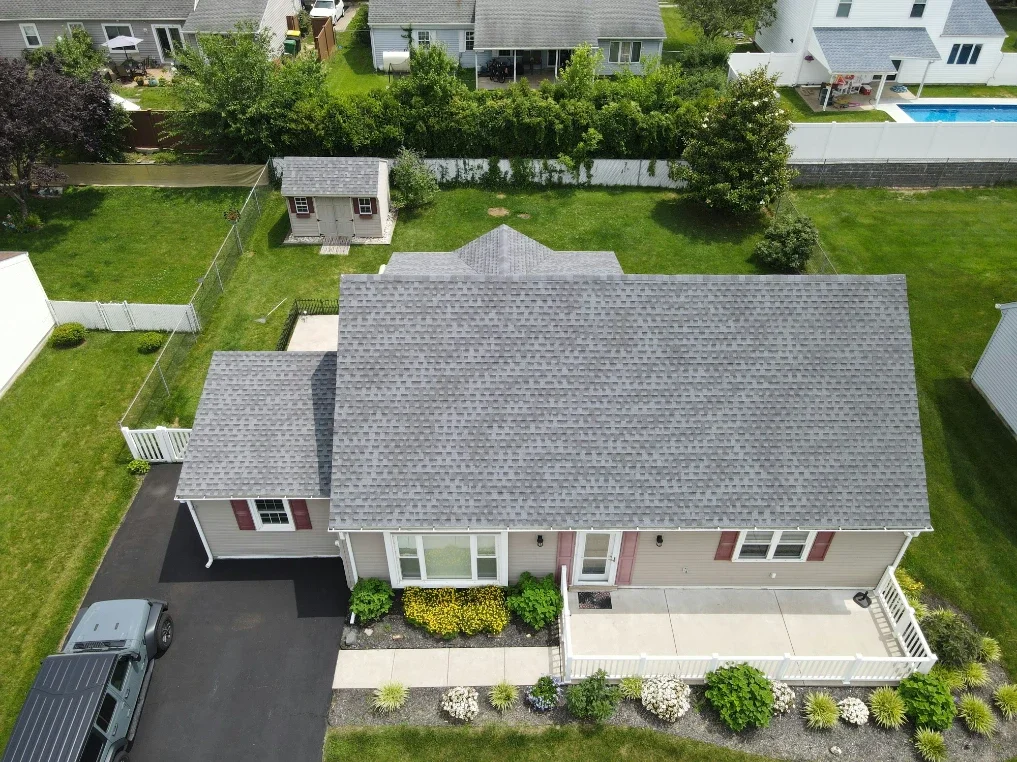
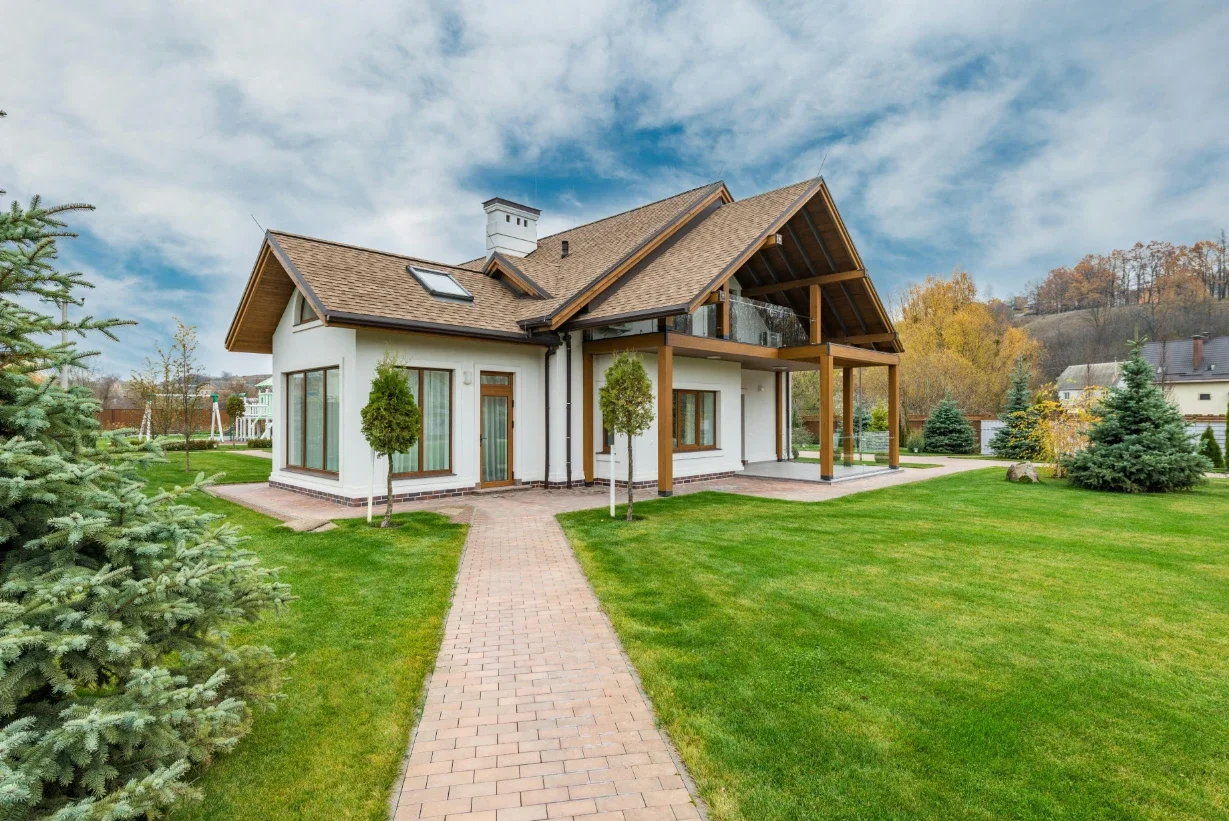
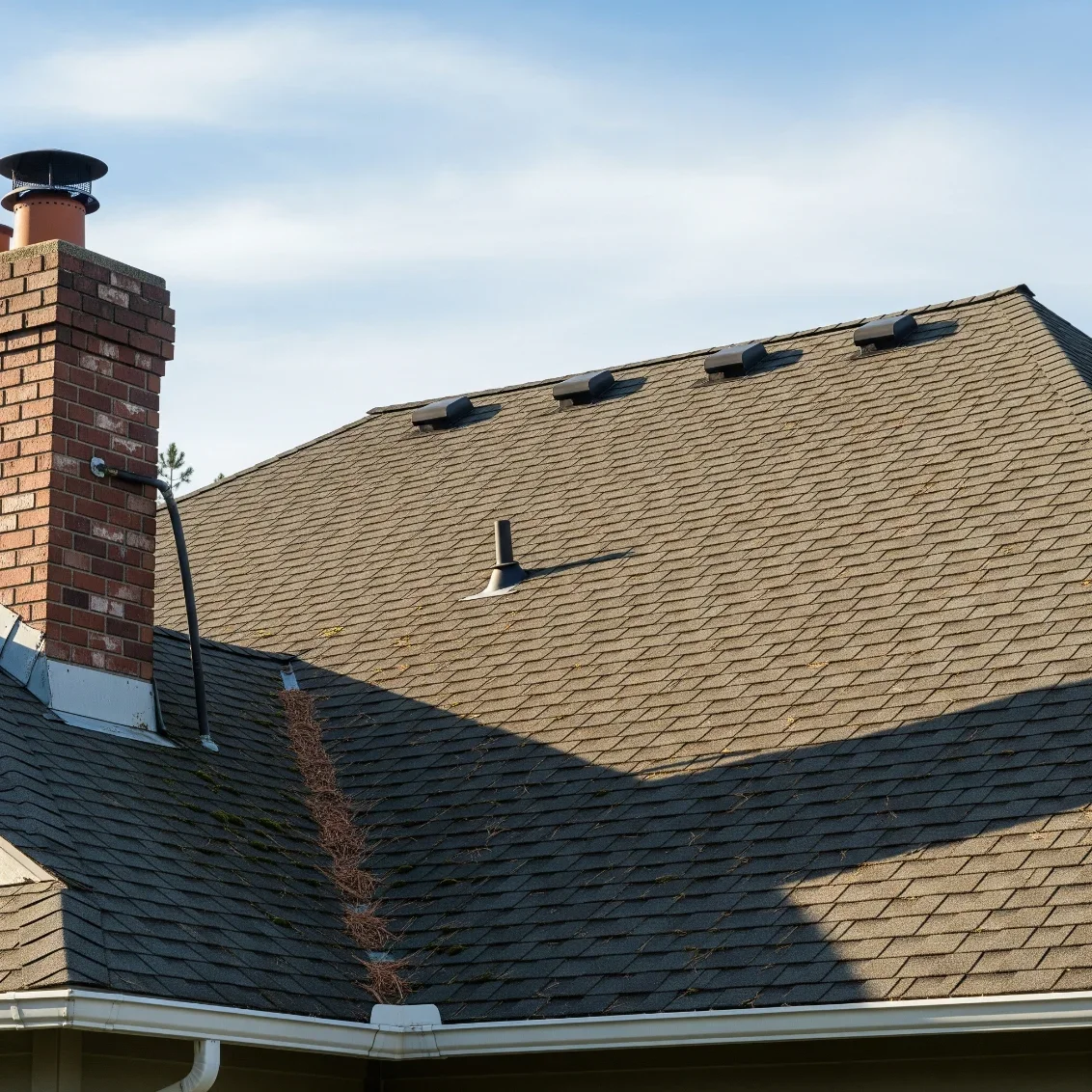
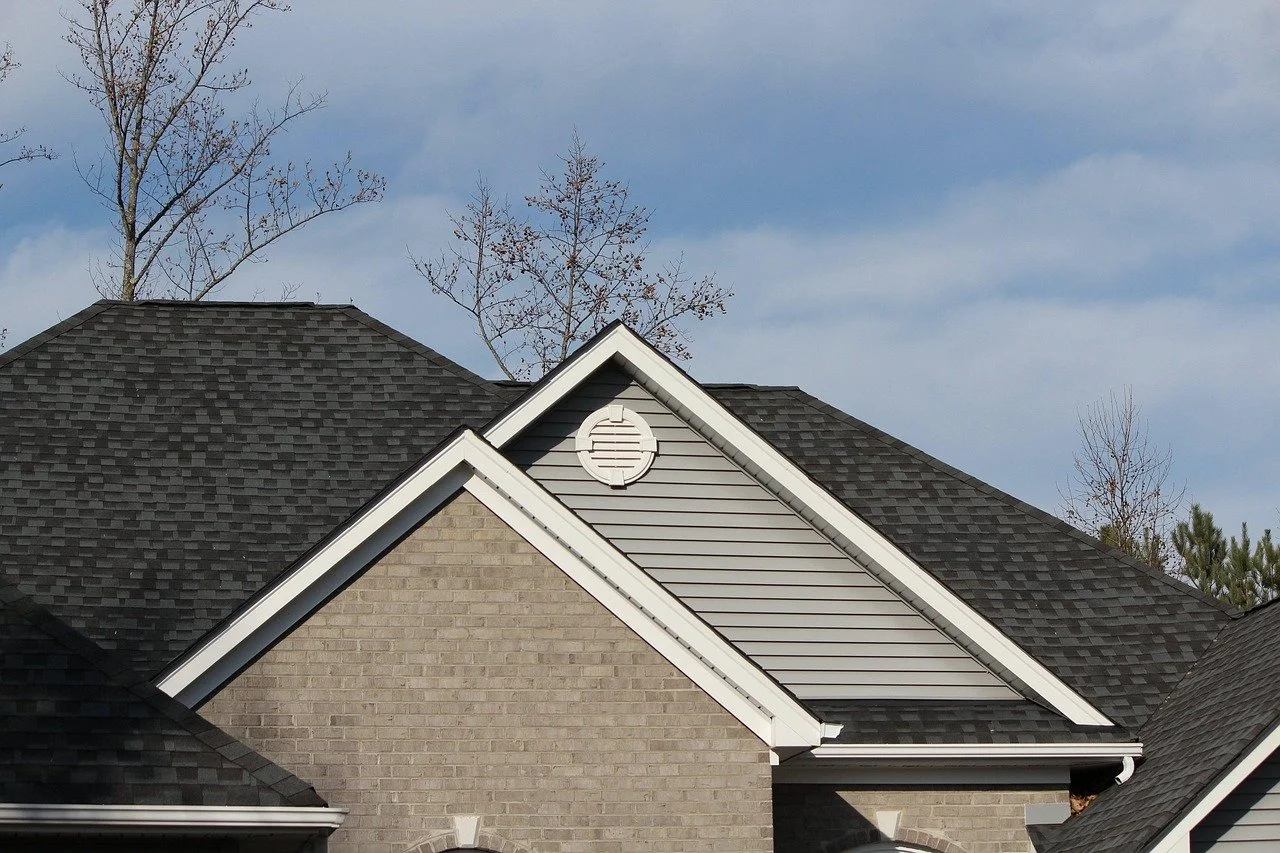
Asphalt shingles are common because they are widely available and usually cost less upfront. Traditional dark shingles may hold more heat, although reflective options are available. Shingles may not last as long as some higher-priced materials, so future replacement costs should be part of the decision.
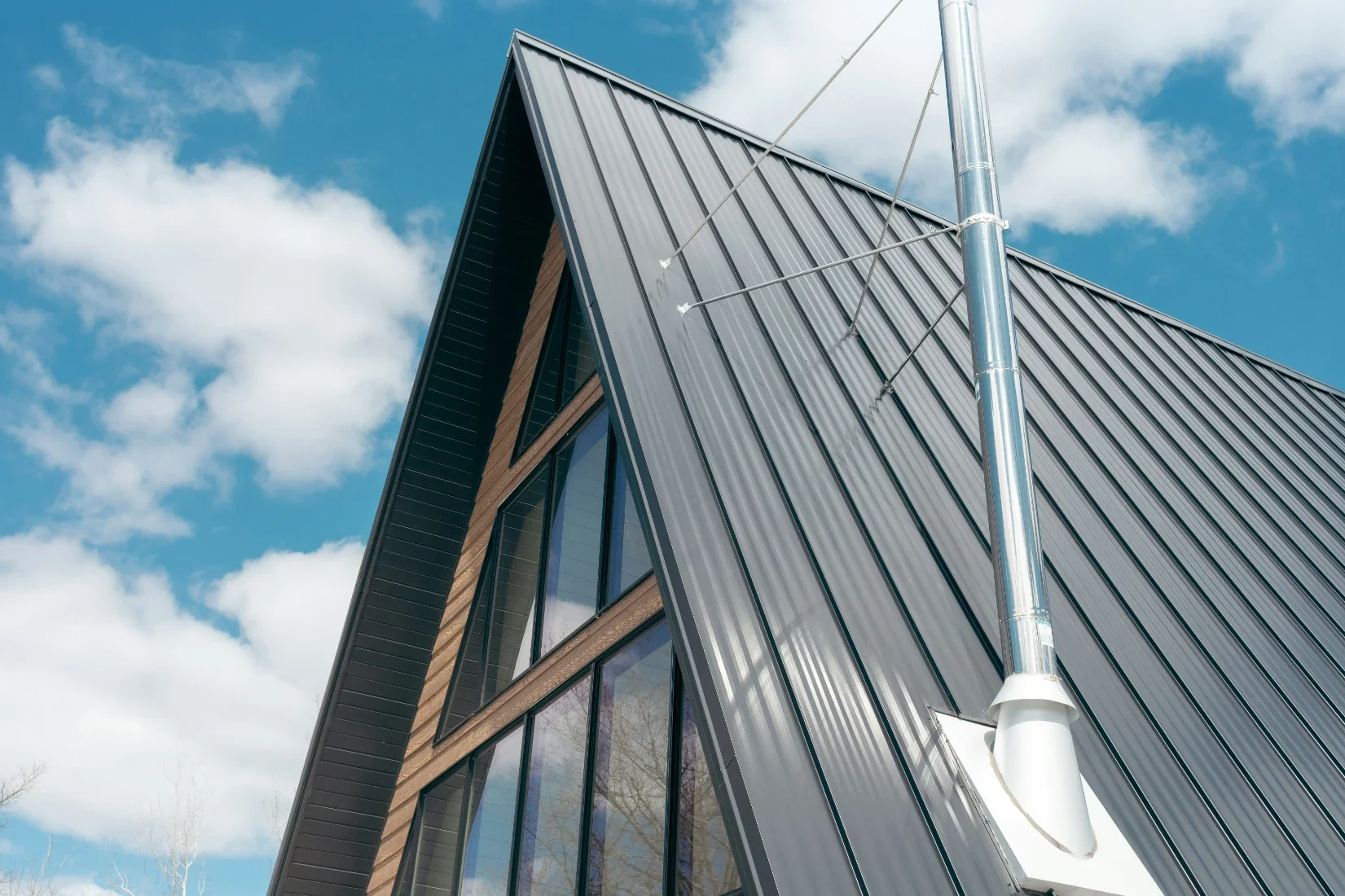
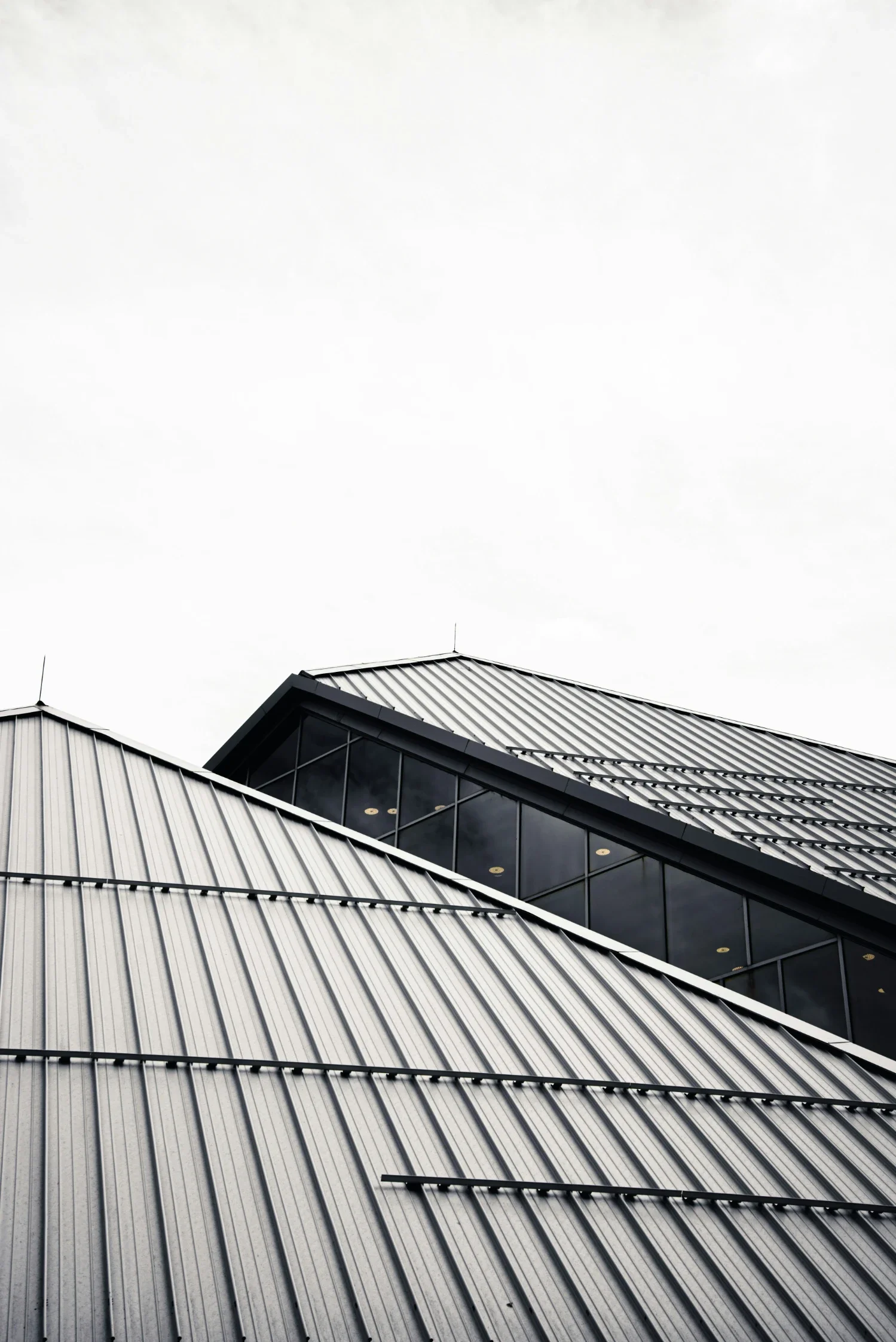
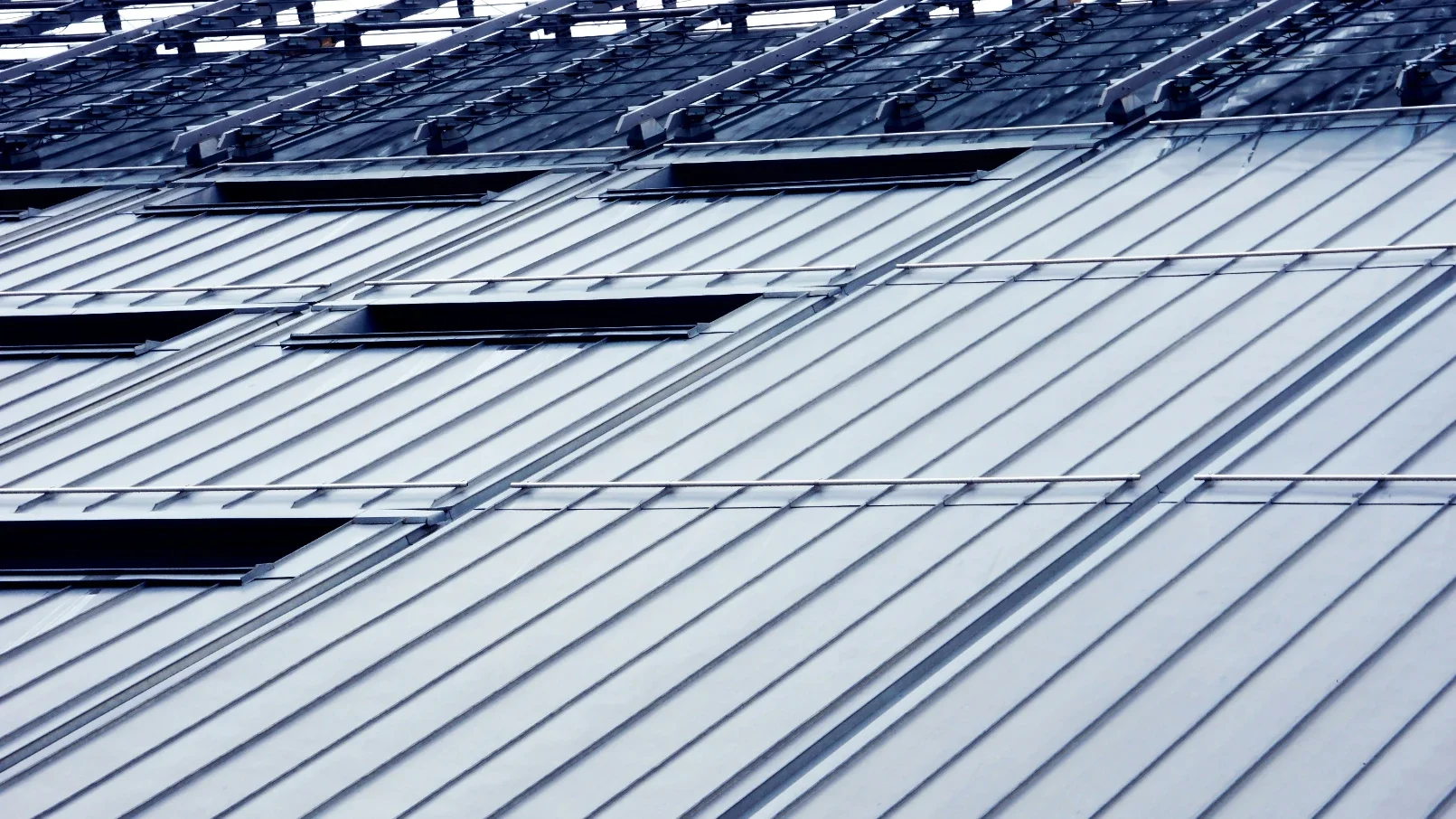
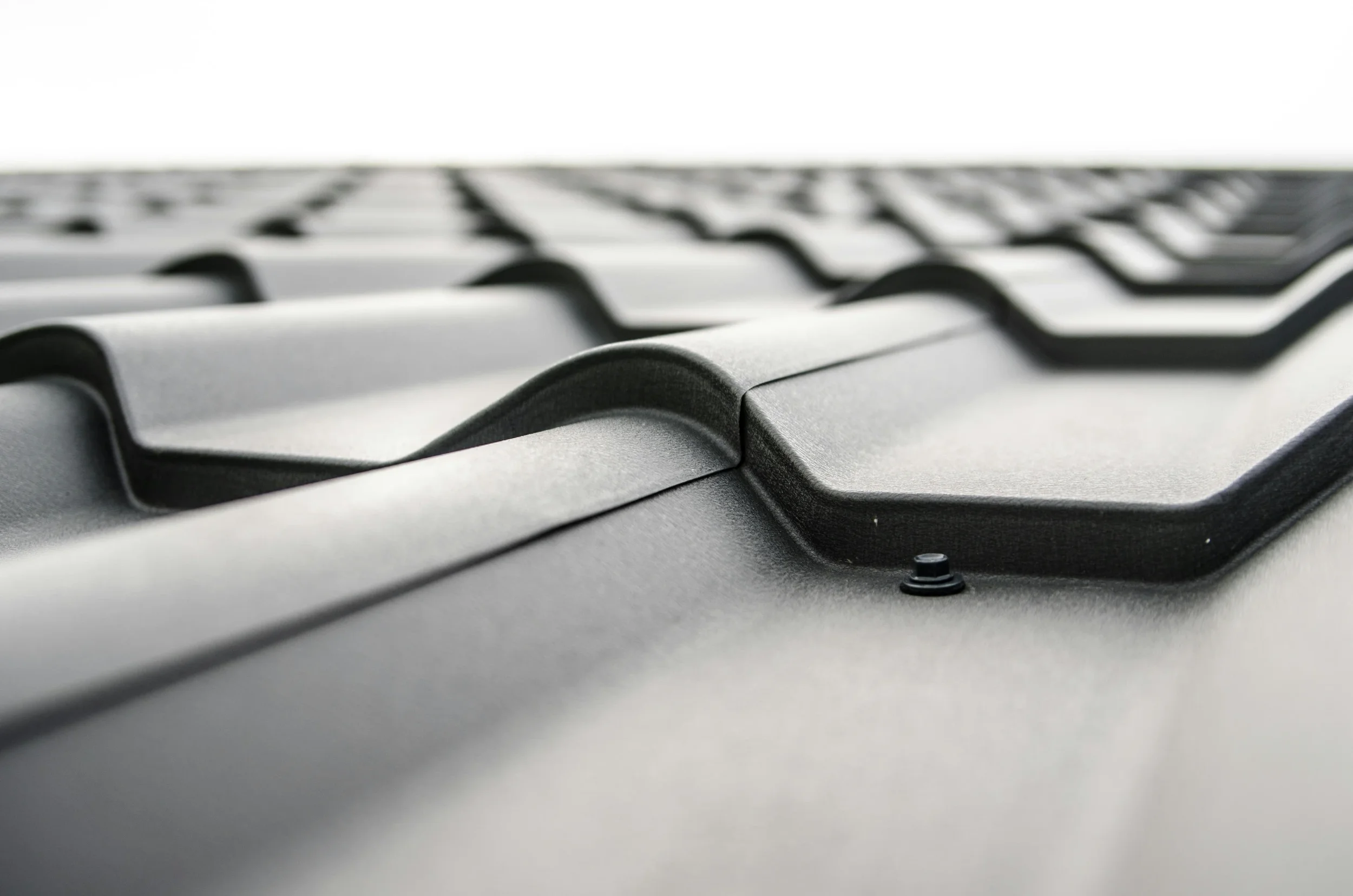
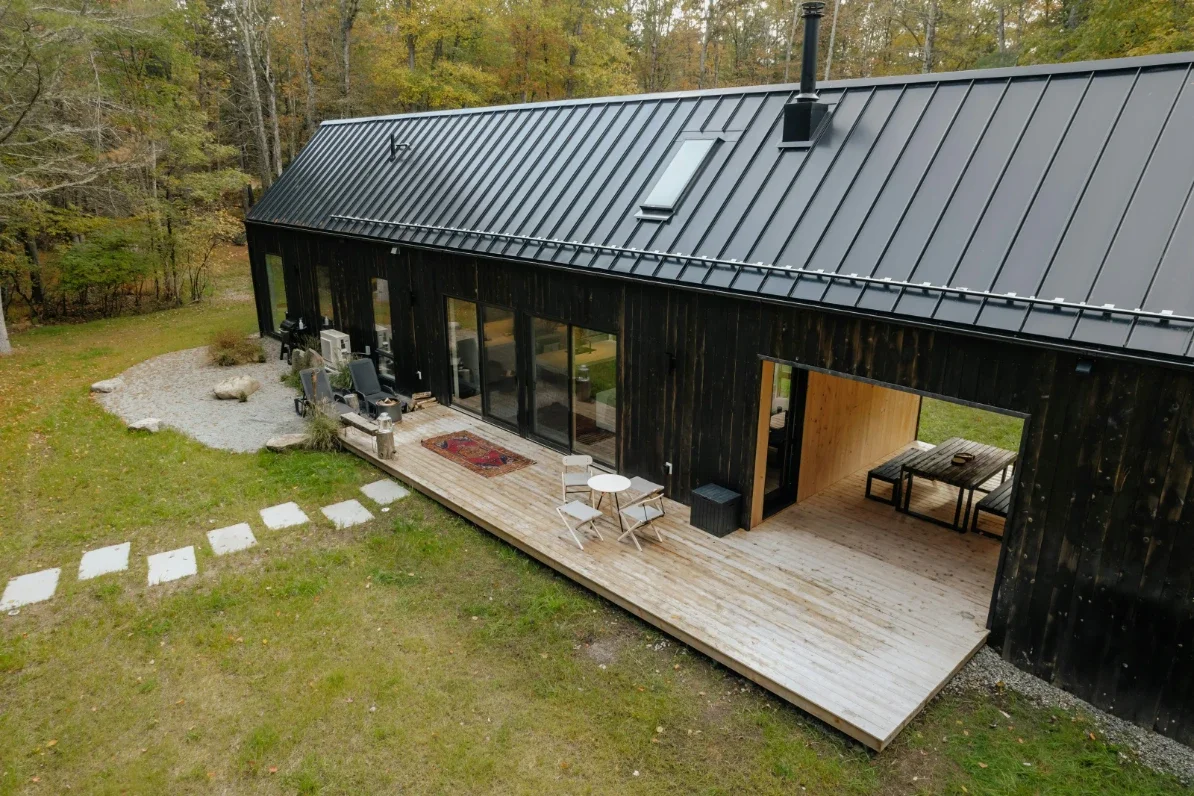
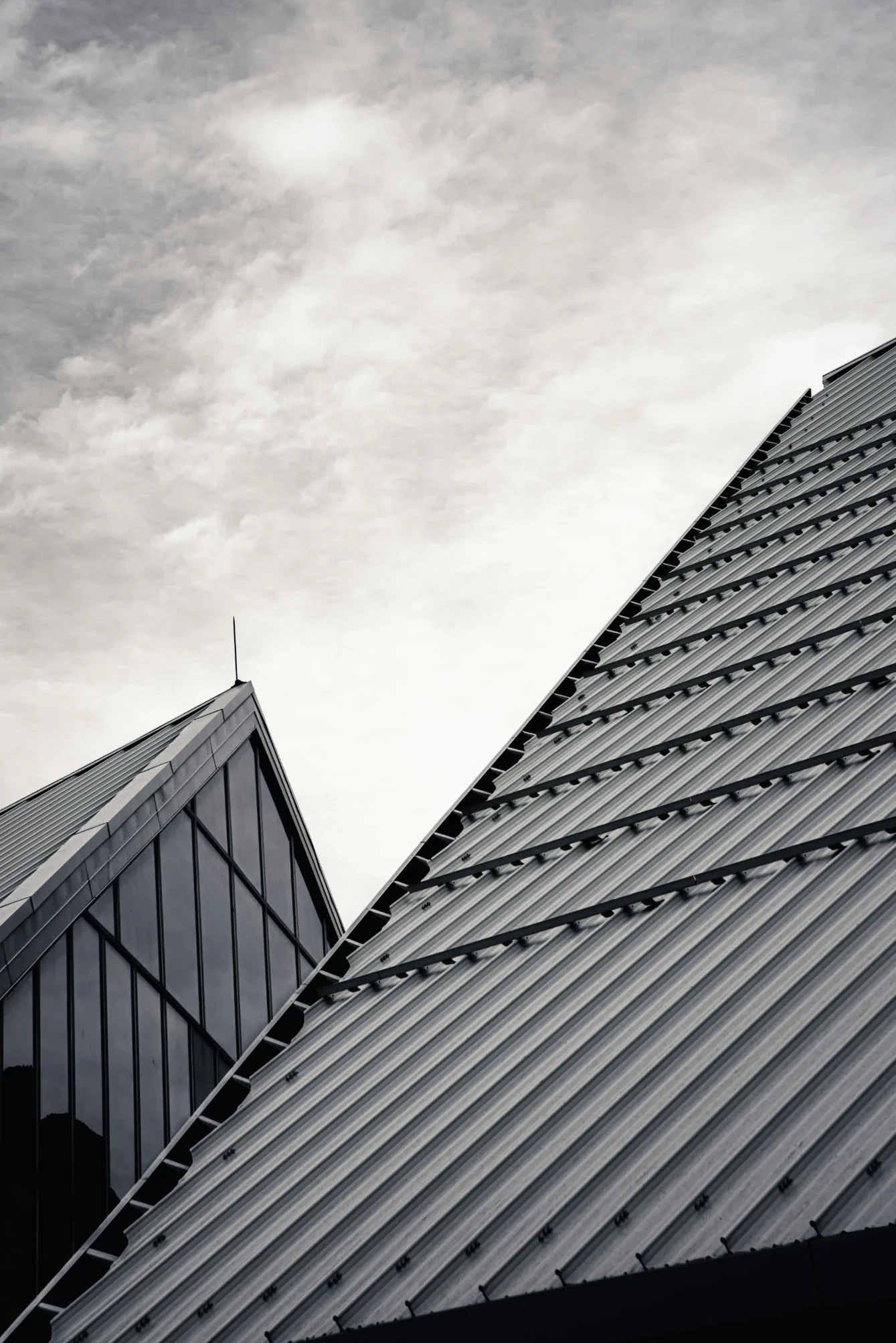
Metal roofing can reflect a good amount of sunlight when it has the right finish or coating. It’s also known for its long lifespan. In some installations, an air space beneath the metal helps slow heat transfer. Still, the color, finish, and installation method all affect its performance.
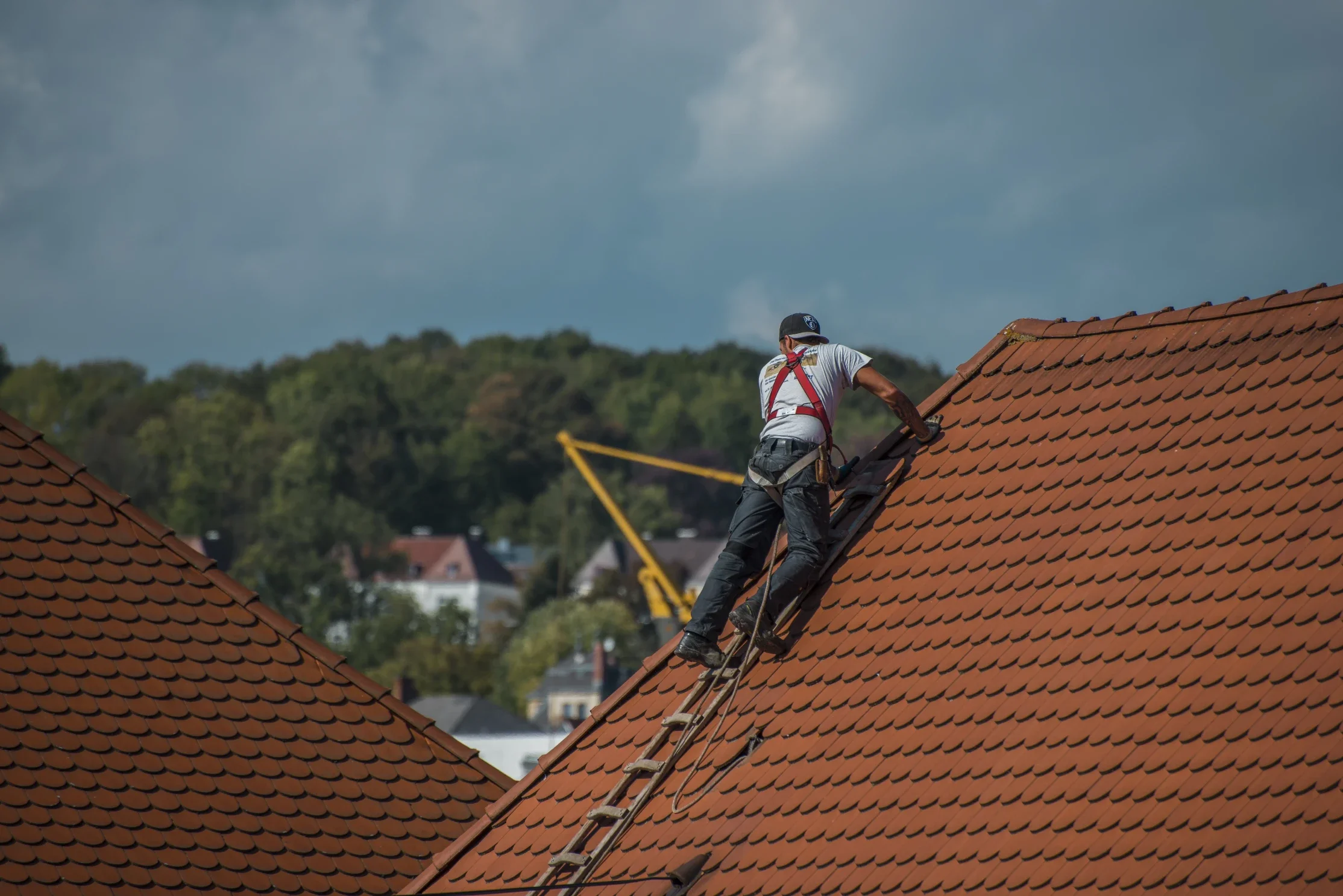
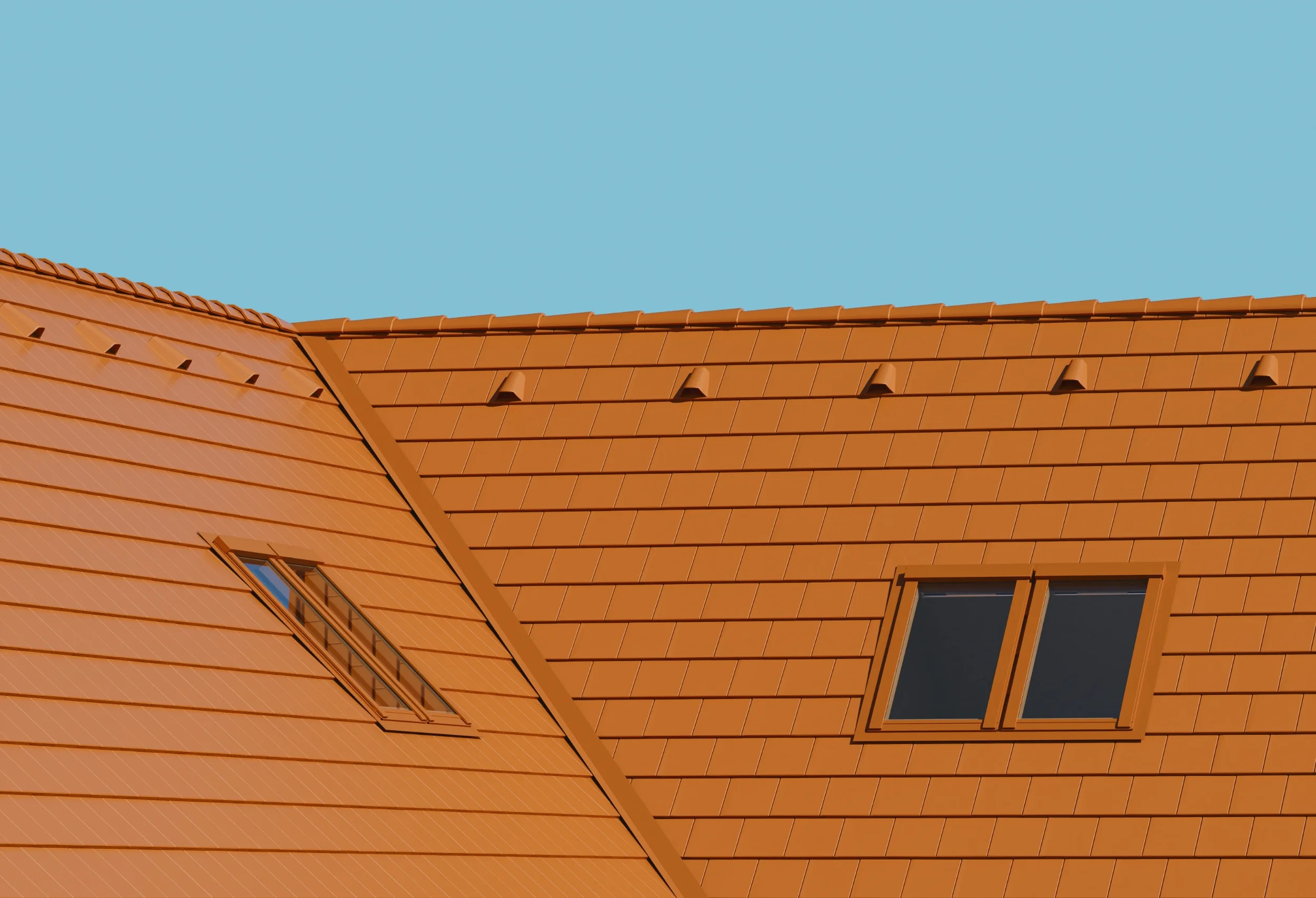
Clay and concrete tiles are popular in warm climates. Their weight and the space beneath some tile systems may slow the movement of heat. However, the home must be able to support the added weight.
Slate can last for many decades, but it is expensive and heavy. Wood shakes have a natural look and some insulating value, but they may require more maintenance. Fire rules and insurance requirements can also limit where wood roofing is used.
When comparing materials, homeowners should look at expected lifespan, maintenance, warranty coverage, weight, heat performance, and climate suitability rather than focusing only on price per square foot.
The Material Is Only One Part of the Roof
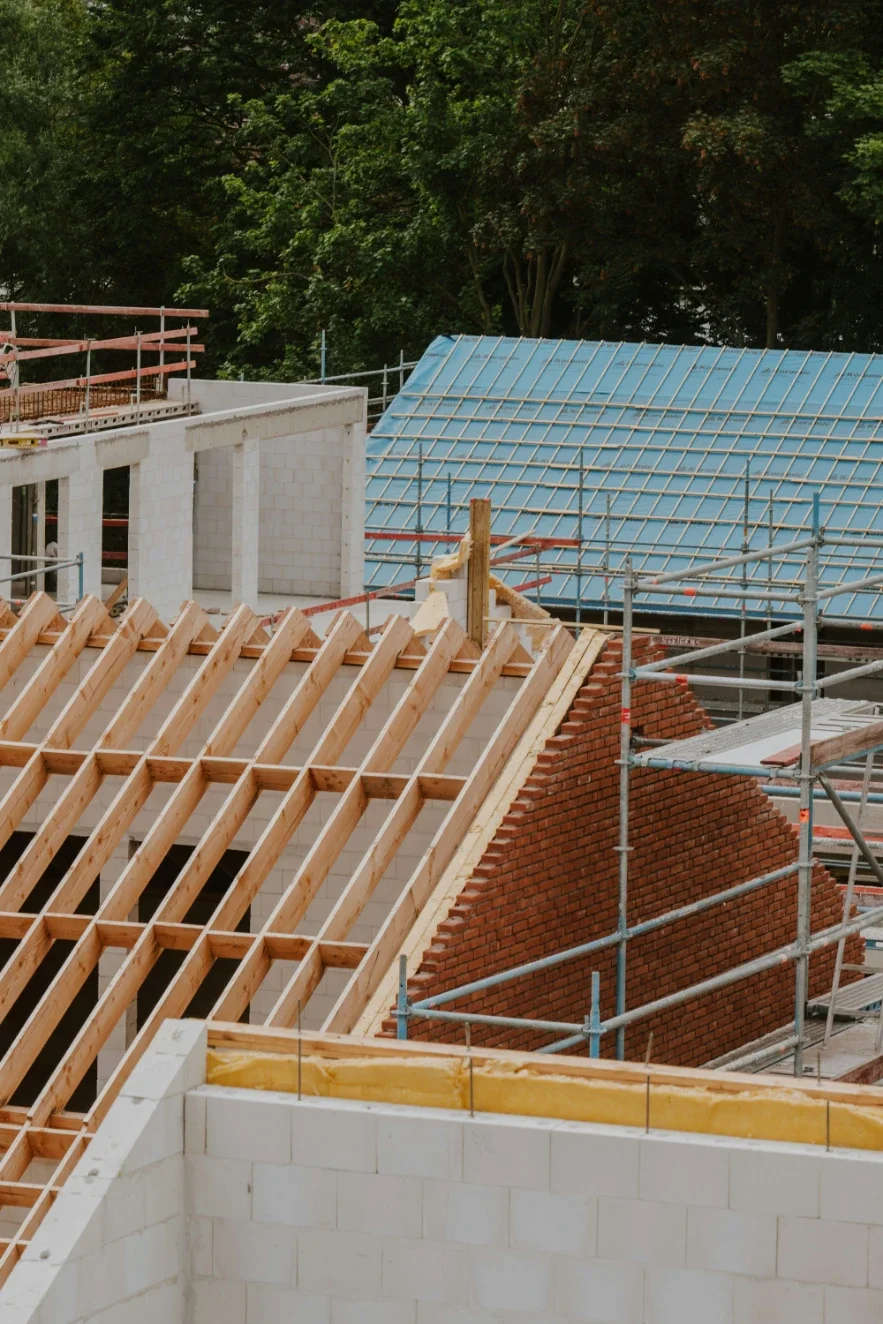
A roofing system includes more than the surface people see from the street. Decking, underlayment, flashing, insulation, air sealing, ventilation, and attic ductwork can all affect indoor temperatures.
When planning a roof replacement in Los Angeles, homeowners should ask whether the attic will be inspected along with the roofing material. A reflective surface may reduce some heat, but it will not solve every energy problem if the attic has poor insulation, open air gaps, blocked ventilation, or damaged ductwork.
Air sealing and insulation can reduce unwanted heat transfer and help the home maintain a more comfortable temperature. ENERGY STAR estimates that homeowners can save an average of 15% on heating and cooling costs by sealing air leaks and adding insulation in areas such as attics and floors over crawl spaces. Actual savings depend on the home, climate, and existing conditions.
Before roofing work begins, ask the contractor to check:
The amount and condition of attic insulation
Gaps around wiring, pipes, lights, and attic access points
Bathroom or kitchen fans that release air into the attic
Loose or poorly insulated ductwork
Blocked intake or exhaust vents
Damaged roof decking
Finding these issues early gives homeowners a chance to address them while the roofing project is already underway.
Roof Shape and Direction Matter
The shape, slope, and direction of a roof affect how it handles sunlight, heat, and water.
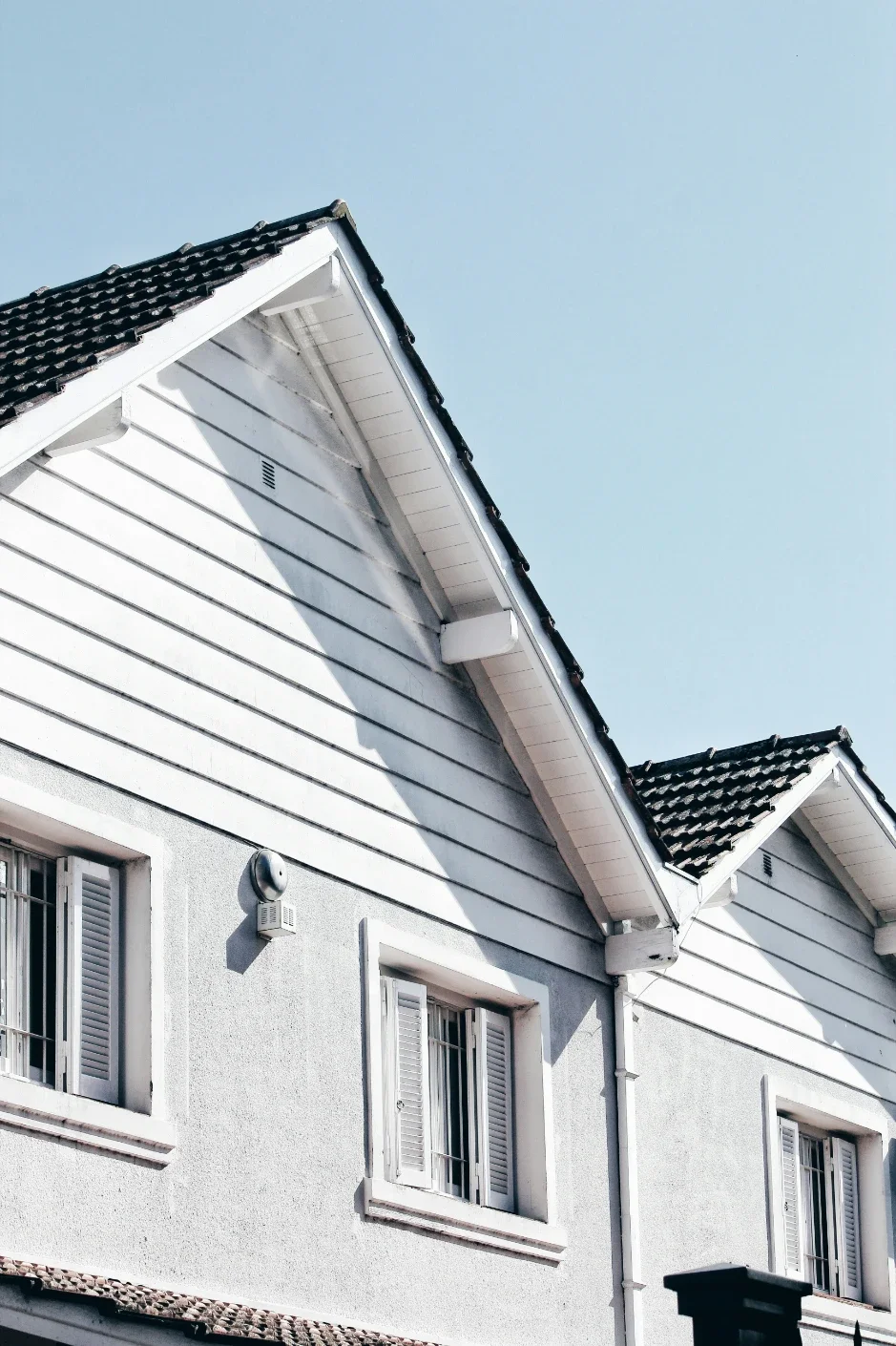
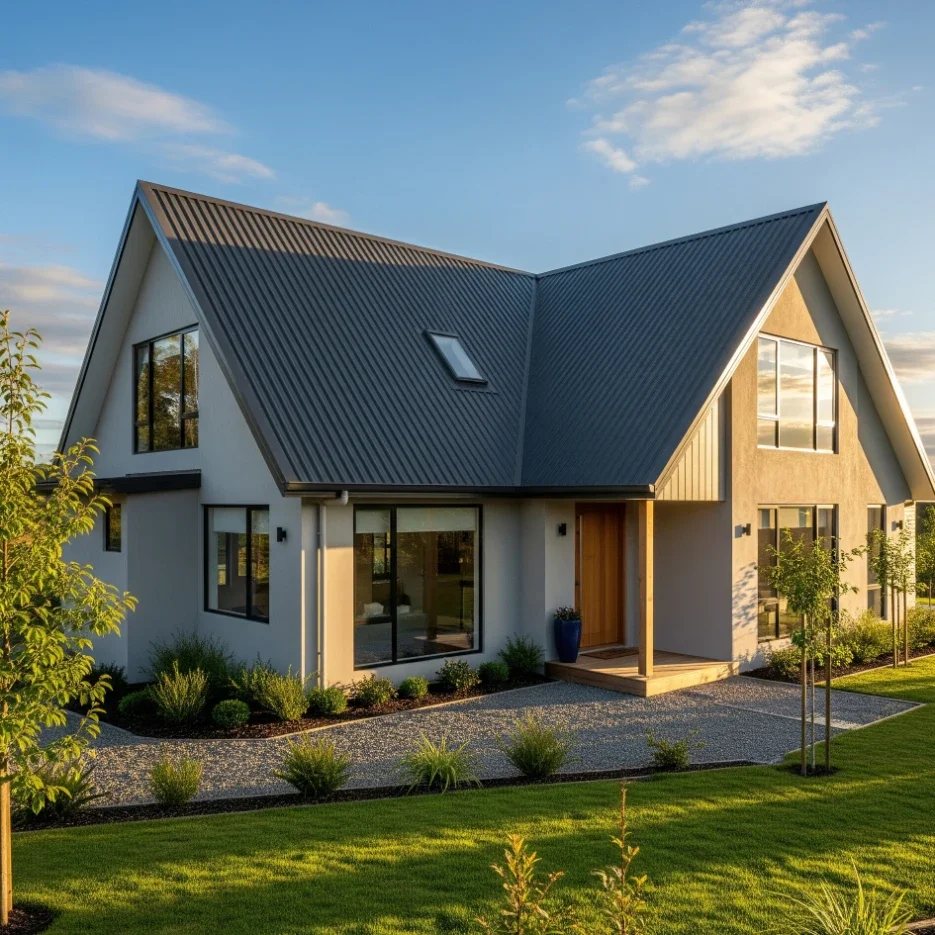
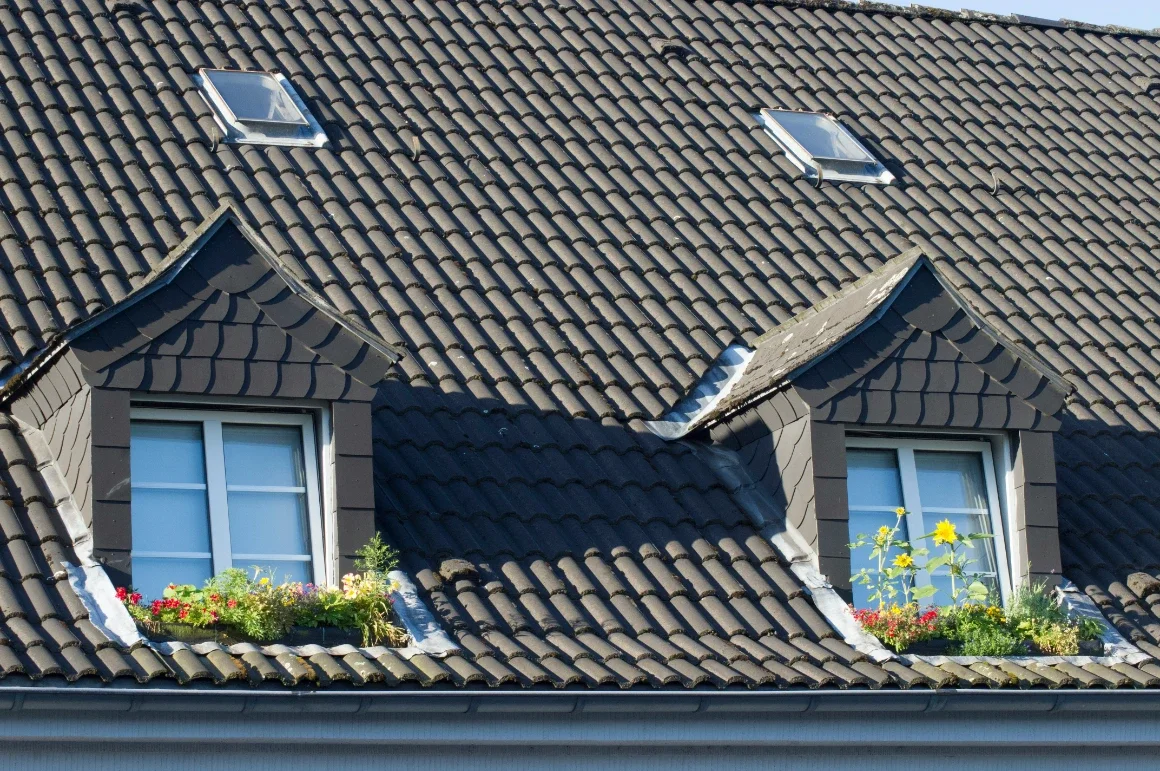
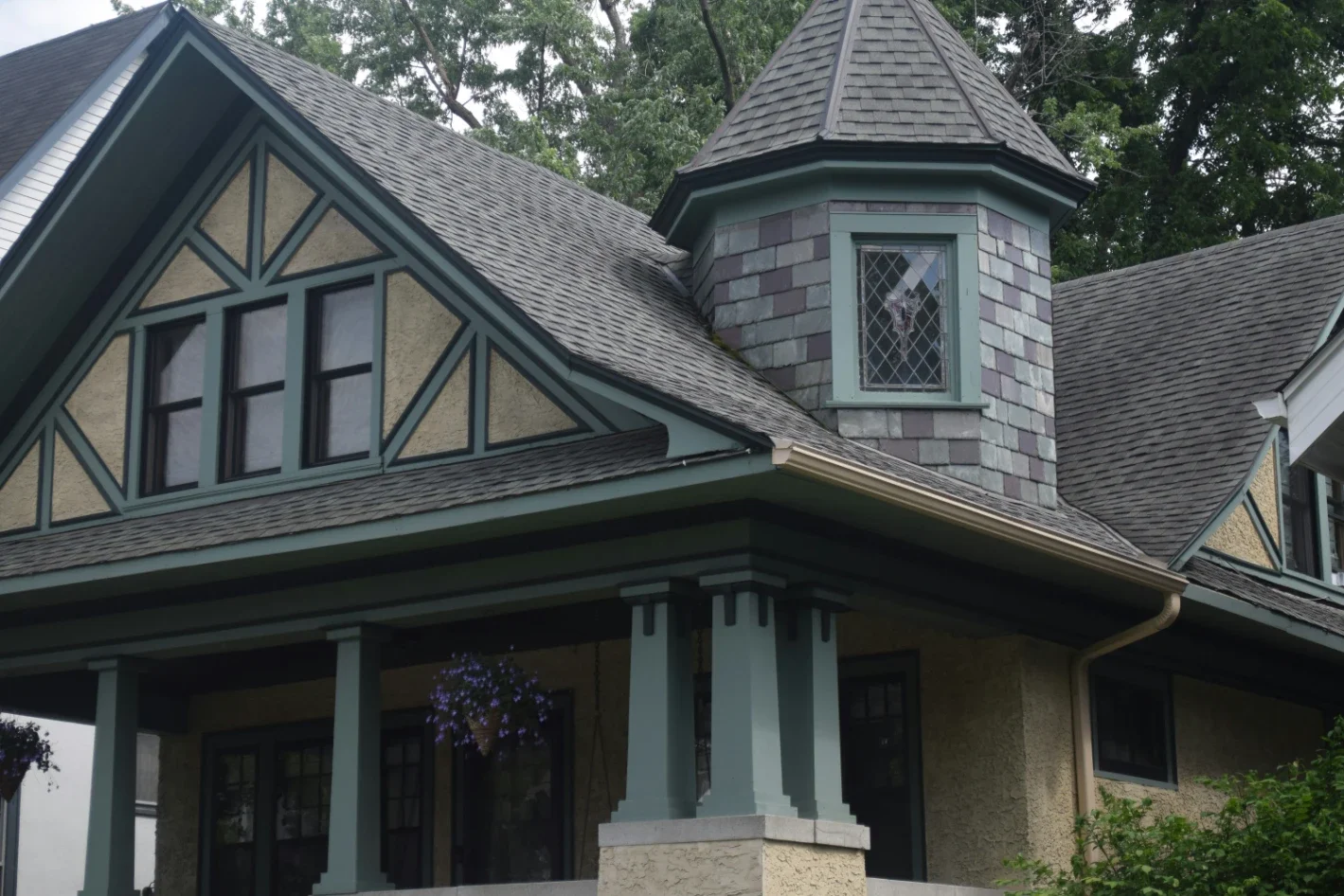
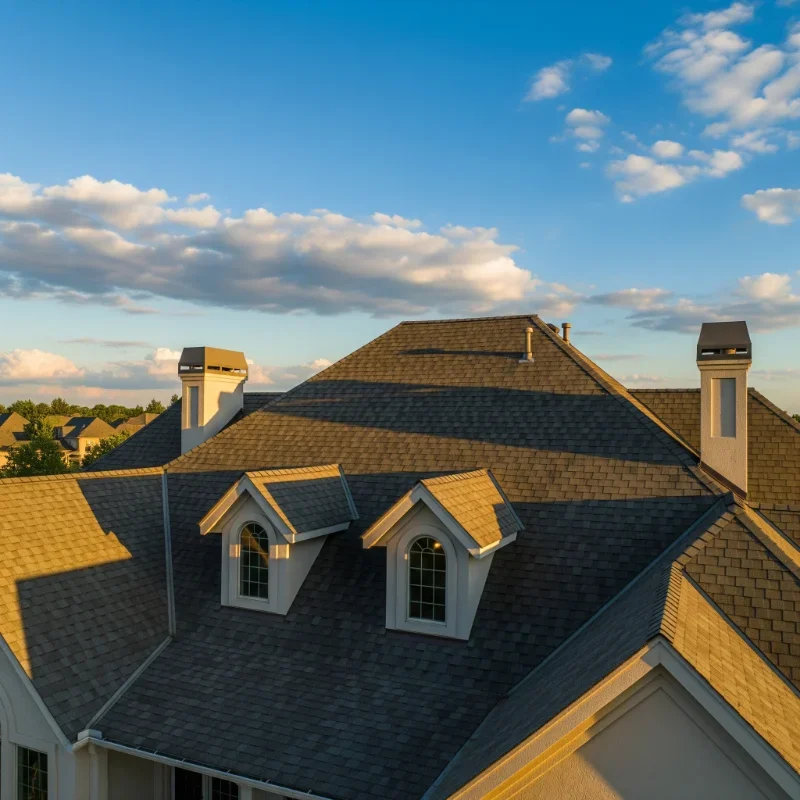
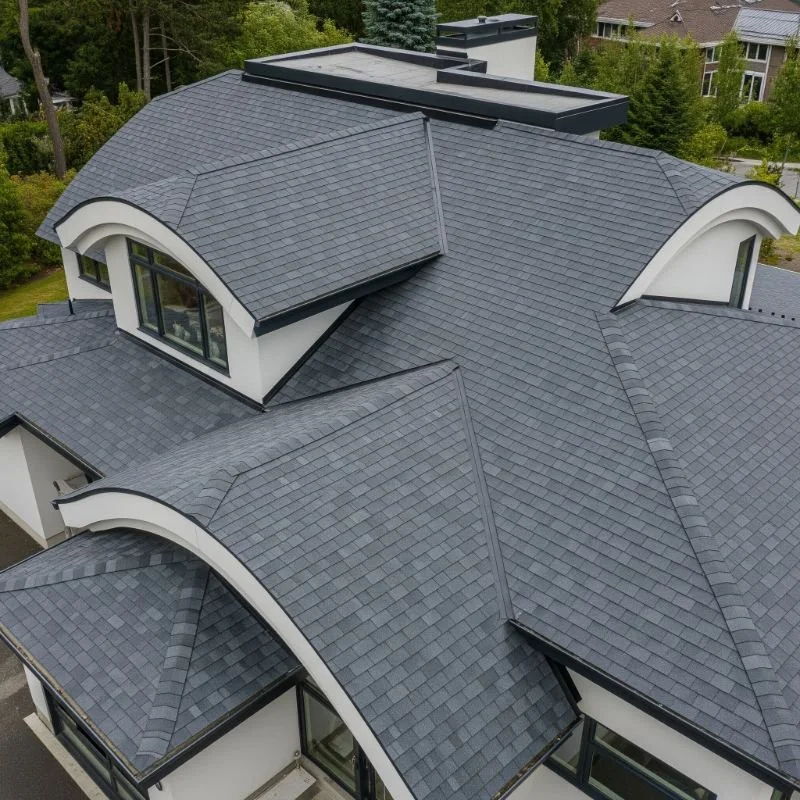
A large section that faces west may receive strong afternoon sun and become especially hot. A roof with several valleys, dormers, and changes in direction will need more flashing and careful installation. Simpler roof designs usually have fewer areas where moisture problems may develop.
Slope also determines which materials can be used. Low-slope roofs often require membranes or coatings made for slower drainage. Steeper roofs may be suitable for shingles, tile, metal, or slate.
Homeowners considering solar panels should also think about roof orientation and remaining lifespan. Installing solar panels on a roof that will soon need to be replaced may lead to extra costs when the panels have to be removed and installed again.
Installation Quality Matters as Much as Material
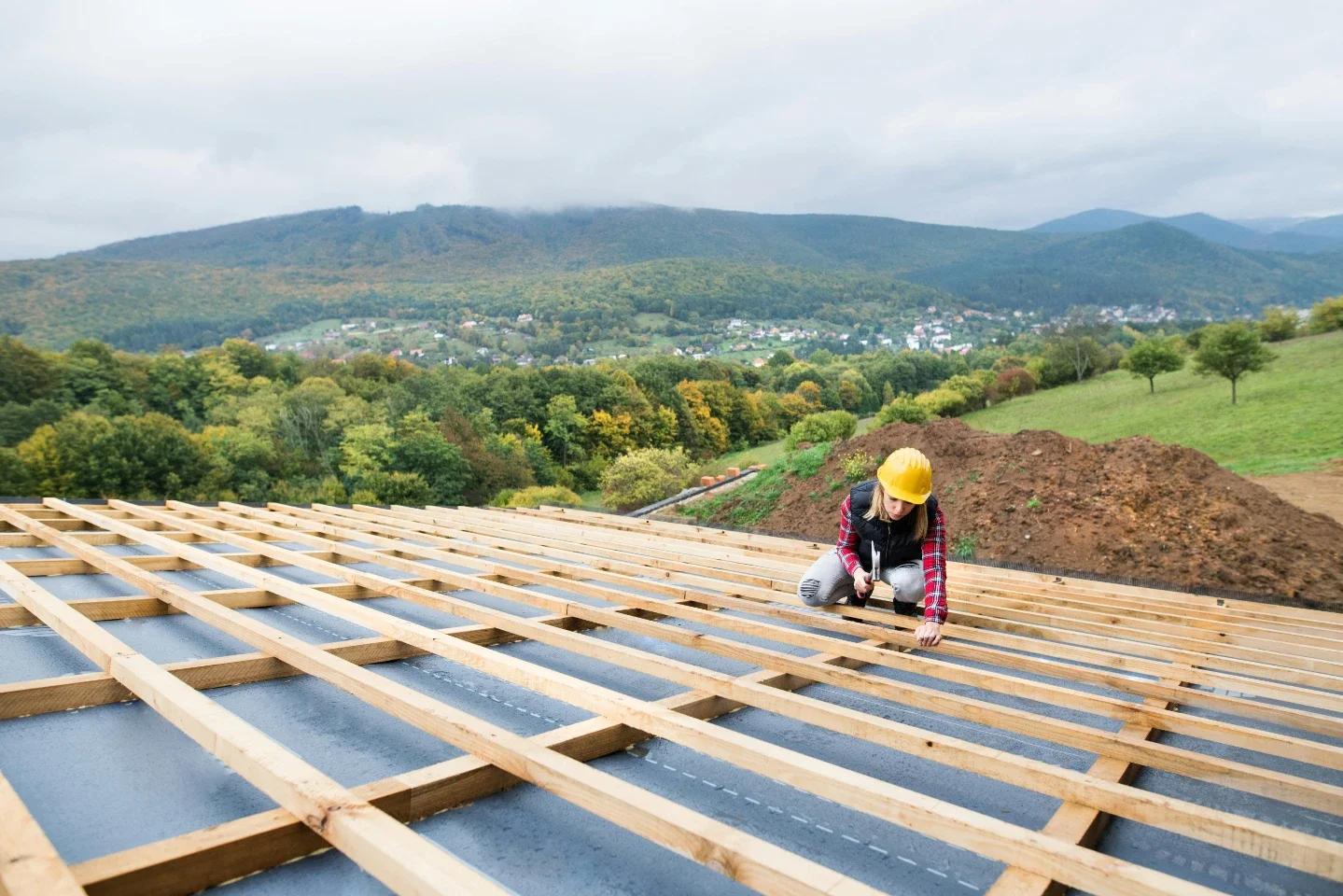
Even an expensive roofing product can perform poorly when it’s not installed correctly. Improper flashing, blocked vents, exposed fasteners, or the wrong underlayment may shorten the life of the roof or allow moisture to enter.
A written estimate should include more than the brand and color of the roofing material. It should explain:
Which materials and components will be used
The type of underlayment and flashing
Any planned ventilation changes
Workmanship and product warranties
Permit and inspection responsibilities
How damaged decking will be priced
Cleanup and disposal procedures
Homeowners should also ask whether the contractor has experience installing that specific material. Some manufacturer warranties require approved components or installation methods.
Signs the Roof May Be Affecting Energy Use
Higher energy bills can have many causes, so they do not automatically point to a roofing problem. Still, certain signs are worth checking.
Rooms on the upper floor may feel much hotter than the rest of the house. The attic may remain hot after the sun goes down, or the air conditioner may run often without keeping the home comfortable.
Damp insulation, moisture stains, musty smells, and condensation in the attic may point to problems with airflow, insulation, or moisture control. Since these issues can have more than one cause, the roof, attic, ventilation, insulation, and ductwork should be inspected together.
Conclusion
The right roof depends on more than appearance or upfront cost. Climate, material, color, lifespan, insulation, ventilation, roof shape, installation quality, and future plans should all be considered.
Looking at these details before choosing a roof can help homeowners avoid unexpected costs, maintain more comfortable indoor temperatures, and get better value from the roof over time.
Stay up to date with our latest ideas!