15 Basement Window Ideas to Brighten Dark Spaces
Discover 15 basement window ideas to brighten dark spaces with smart solutions that maximize natural light, improve ventilation, and transform underground rooms.
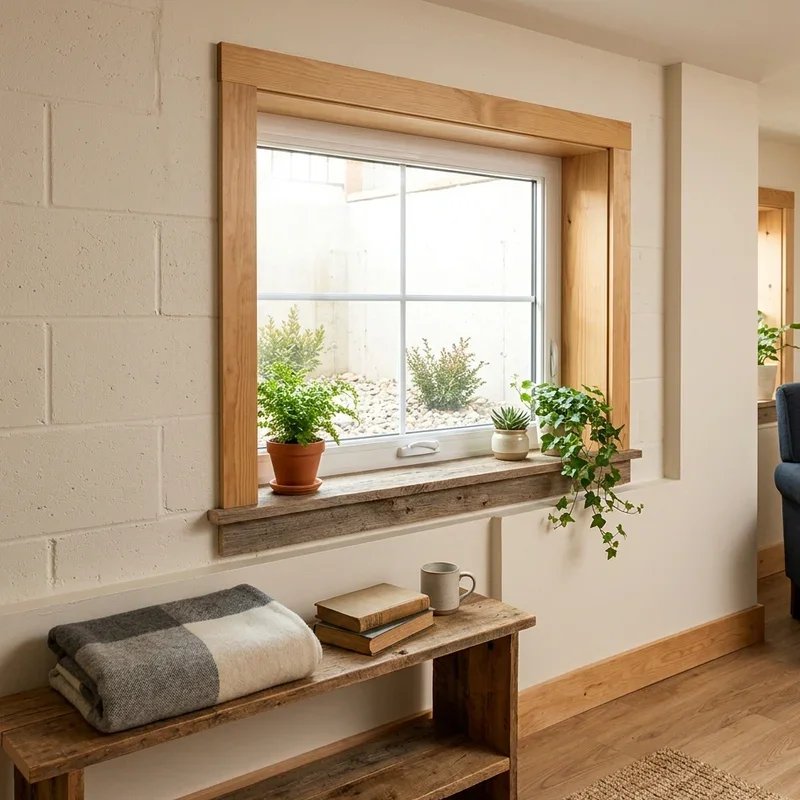
Basement windows represent one of the most powerful yet frequently underutilized tools available for transforming dark, unwelcoming underground spaces into genuinely bright, livable environments. Have you ever descended into a basement and immediately felt that instinctive heaviness that comes from insufficient natural light pressing down on every corner of the room? That oppressive darkness disappears entirely when you approach basement windows with genuine creative intention and thoughtful design solutions. Think of basement windows as the lungs of your lower level, breathing light and air into spaces that desperately need both elements to feel genuinely habitable. Whether finishing a basement or refreshing an existing one, these fifteen brilliant window ideas transform dark spaces into wonderfully bright retreats always.
1. Enlarged Egress Window Installation
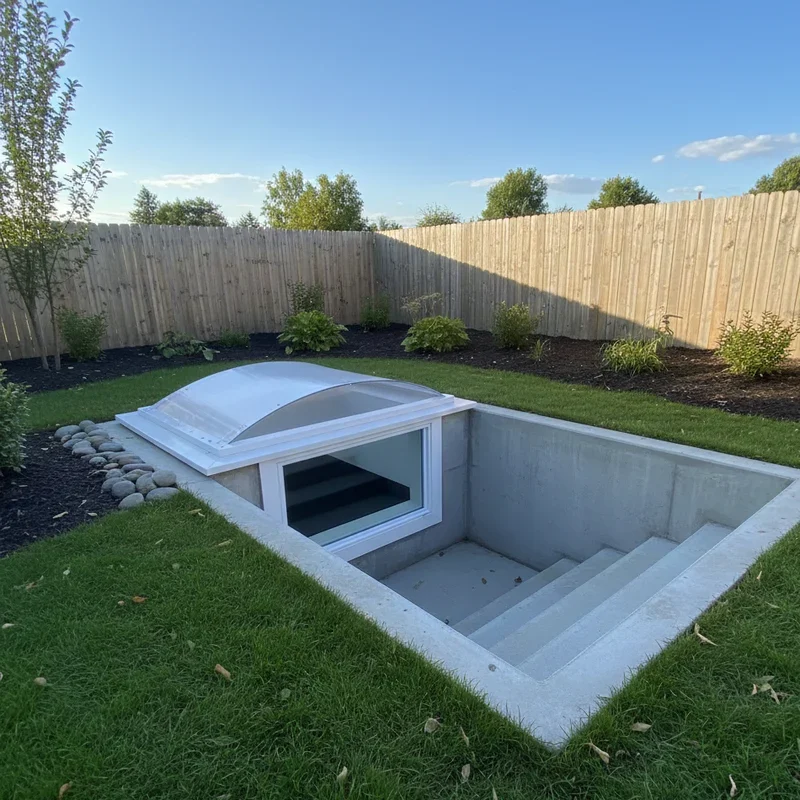
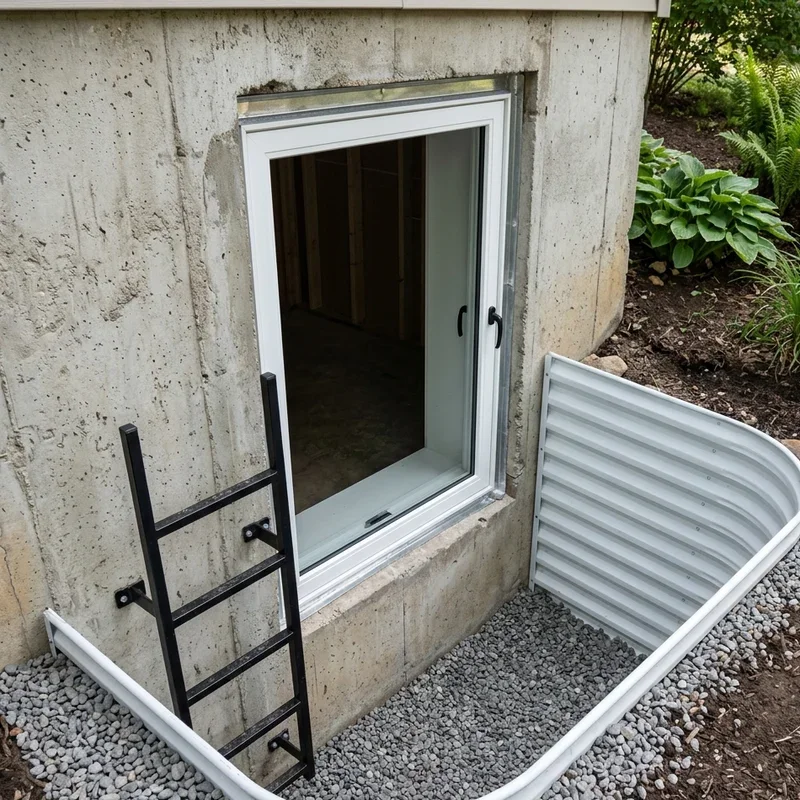
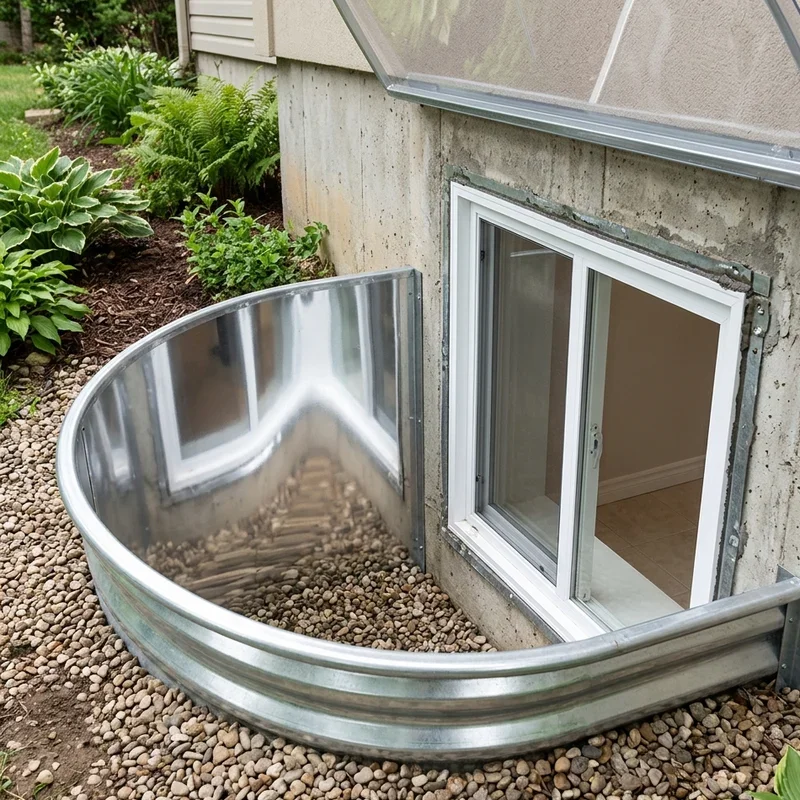
An enlarged egress window installation represents the single most transformative basement window upgrade available, converting a previously inadequate small opening into a code-compliant, light-flooding window that fundamentally changes the entire basement atmosphere throughout. Enlarging basement windows works like removing a blindfold from a room that has been unnecessarily kept in darkness for years unnecessarily. Excavate soil from the exterior window area, expanding the rough opening to accommodate minimum egress dimensions of at least 5.7 square feet of clear opening area for building code compliance. Install larger casement or double-hung windows maximizing glass area within the new expanded opening for optimal natural light admission throughout. Pair enlarged egress windows with correspondingly deeper window wells lined with reflective materials amplifying every available photon entering the basement space always.
2. Window Well with Reflective Liner
A window well with a professionally installed reflective liner transforms otherwise modest basement window openings into light-amplifying systems that multiply available natural illumination far beyond what the window's glass area alone could achieve independently. Window wells with reflective liners work like small mirrors strategically placed to redirect every available ray of sunlight directly into your basement space below. Install corrugated steel or polycarbonate window wells in semicircular or rectangular configurations, sizing them generously to maximize sky exposure above each basement window. Line the interior surfaces with high-reflectivity materials including aluminum foil-faced insulation, white-painted concrete, or purpose-made reflective liner products specifically designed for this application throughout. Grade the well's exterior facing side to a shallow angle directing maximum sunlight toward the reflective surface during peak daylight hours always.
3. Transom Window Addition Above Grade
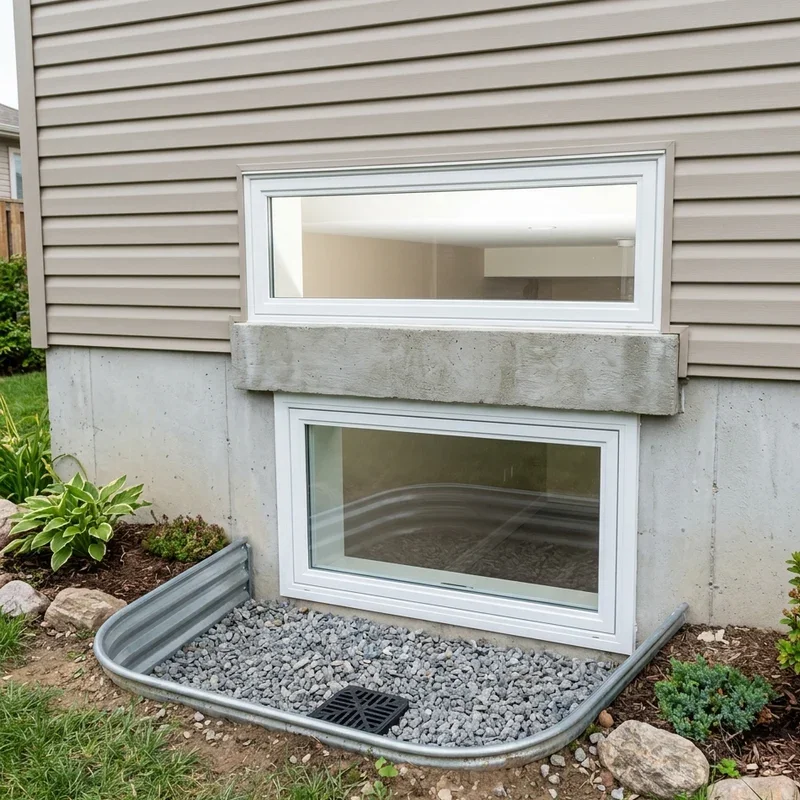
A transom window addition placed at or above the exterior grade level captures high-angle sunlight that standard below-grade basement windows completely miss, introducing a secondary light source that dramatically brightens the basement interior during morning and afternoon peak daylight periods. Transom windows work like skylight siblings installed in the wall rather than the ceiling, capturing overhead light angles that standard windows entirely overlook throughout. Install narrow horizontal windows measuring between eight and fourteen inches in height positioned precisely at or slightly above finished exterior grade level along the basement's sun-facing walls. Choose double-pane tempered glass with clear low-E coatings for maximum light transmission combined with appropriate energy efficiency for this exposed wall position. Coordinate transom positioning with interior wall treatment ensuring windows remain unobstructed by furniture placement always.
4. Sun Tunnel and Light Tube System
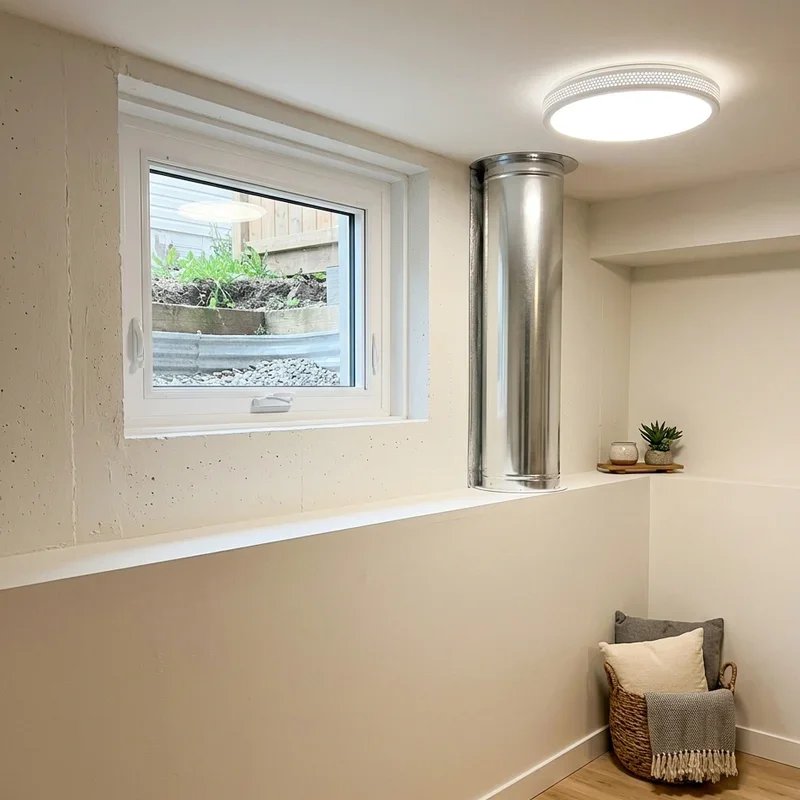
A sun tunnel and light tube system delivers natural daylight to interior basement spaces that have no direct exterior wall access for conventional window installation, using highly reflective tubular ducts to channel sunlight from roof level fixtures directly into underground rooms. Sun tunnels work like fiber optic cables for daylight, gathering sunshine from above and delivering it precisely where conventional windows cannot physically reach below. Install rigid or flexible sun tunnel systems connecting roof-level domed collectors through attic and floor assembly spaces to ceiling-mounted diffuser fixtures in the basement ceiling above. Choose systems with minimum ten-inch diameter tubes for adequate light transmission, with fourteen-inch and larger diameters significantly improving basement brightness levels throughout. Position diffuser fixtures centrally in the basement ceiling for maximum light distribution always.
5. Garden Window Greenhouse Style
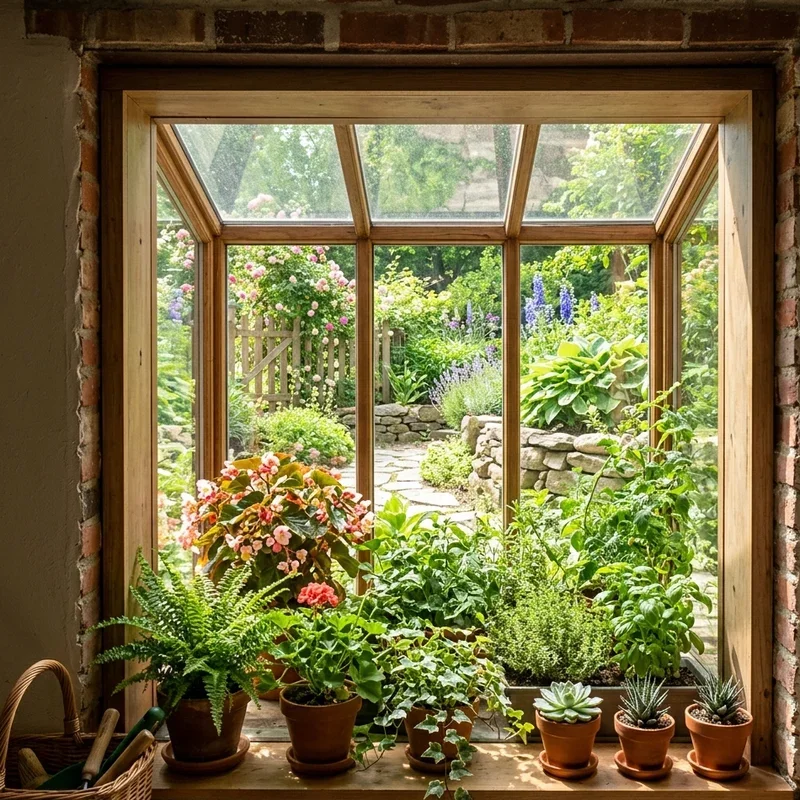
A garden window projecting outward from the basement exterior wall creates both additional glazed surface area for improved light admission and a functional growing space where plants thrive in the naturally lit microenvironment created by the window's three-sided glass enclosure. Garden windows work like miniature greenhouses grafted directly onto your basement wall, bringing botanical life and increased natural light simultaneously into the space. Install projecting garden window units measuring twelve to eighteen inches in depth beyond the exterior wall plane, framing three sides and the top with insulated glass panels for maximum light capture. Use the internal shelf space for growing herbs, succulents, and low-light houseplants that thrive in basement light conditions while contributing living natural beauty to the window area throughout. Select units with opening side panels for ventilation always.
6. Horizontal Sliding Basement Window
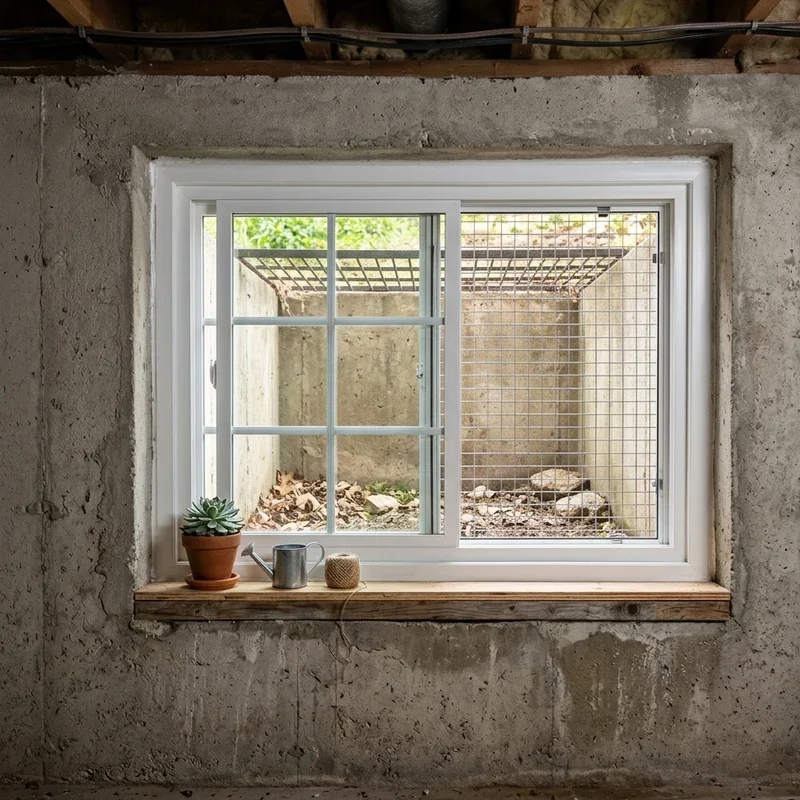
A horizontal sliding basement window maximizes the available width of a basement wall opening by deploying a side-sliding sash configuration that provides both improved ventilation and superior glass-to-frame ratios compared to traditional basement window configurations throughout. Sliding windows work like horizontal doors for light and air, opening wide passages in walls that previously allowed only minimal natural element exchange with the outside environment. Select quality vinyl or aluminum-framed sliding windows with insulated low-E glass sized to fill the maximum available opening width within existing or newly enlarged rough openings. Choose windows with meeting rail positions near the top rather than center of the frame, creating a larger fixed lower glass section that maximizes basement light admission throughout the day. Add interior moisture-resistant trim in wide profiles always.
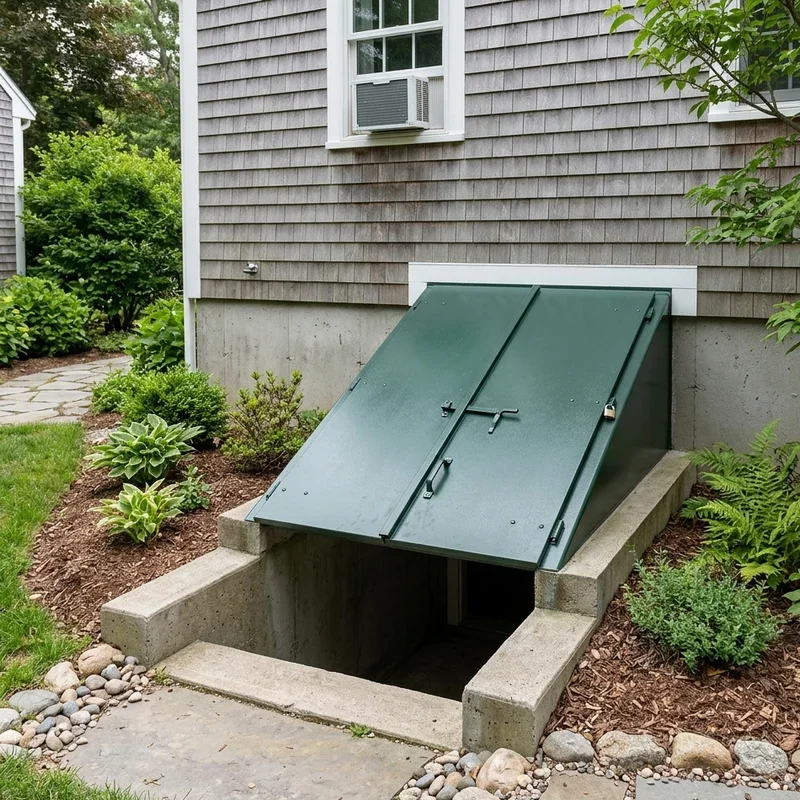
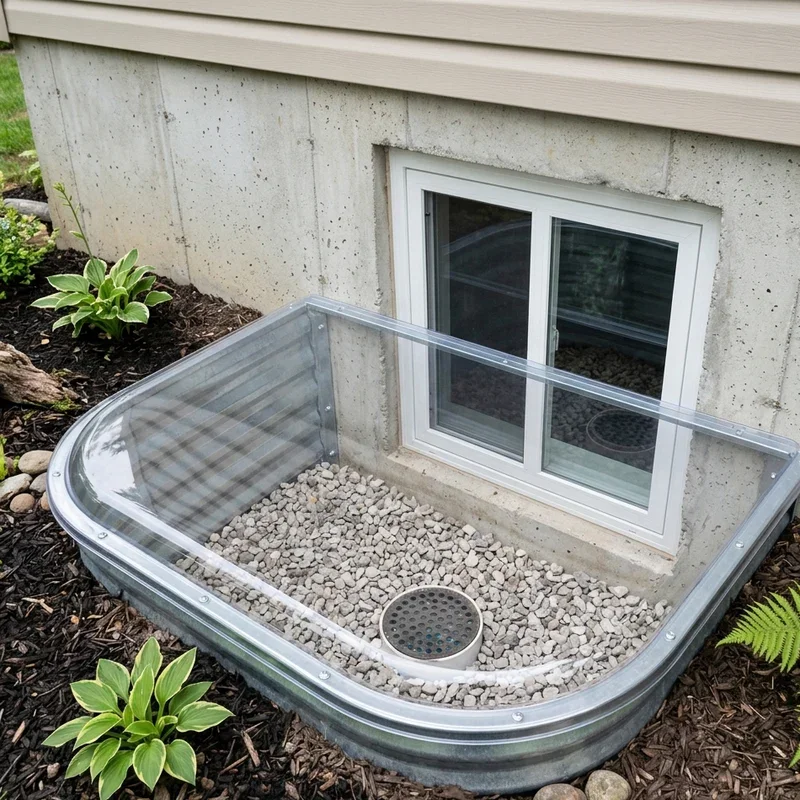
7. Window Well with Drainage and Cover
A properly engineered window well with integrated drainage and protective covering combines maximum natural light access with the moisture management and safety features that transform window wells from problematic maintenance burdens into genuinely effective long-term basement lighting solutions. Drainage-equipped window wells work like garden beds that also happen to deliver sunlight, managing water while supporting the critical light-admitting function throughout every season. Excavate window wells to minimum eighteen-inch depths beyond the window sill, filling the bottom twelve inches with clean crushed stone connected to a perforated drainage pipe routed to daylight or the foundation drain system. Install polycarbonate bubble covers that protect the well from debris accumulation and heavy rain intrusion while allowing maximum solar radiation transmission through their clear material throughout. Add interior drainage channels preventing any water infiltration always.
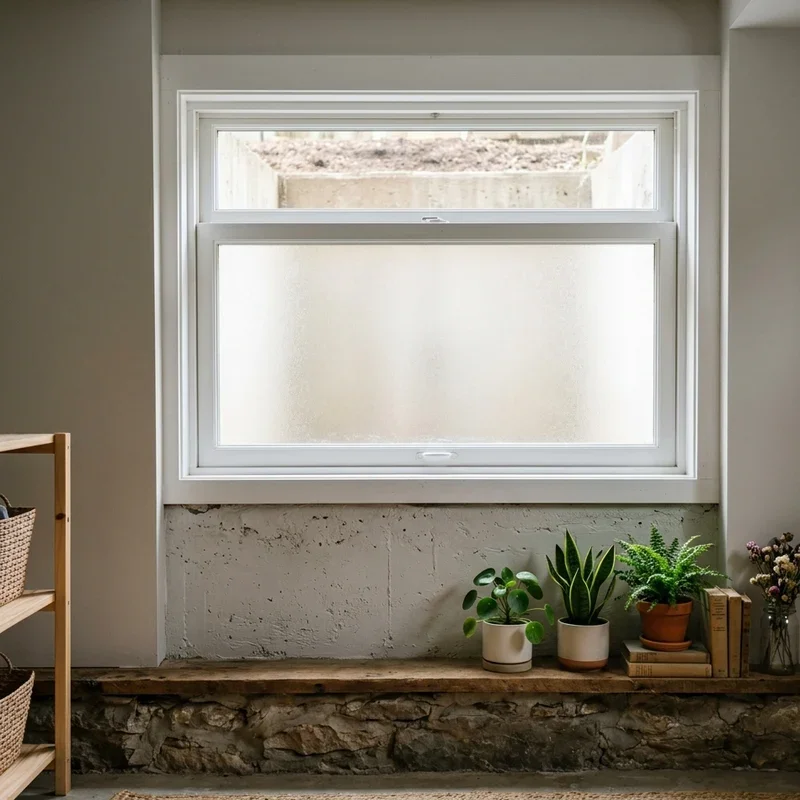
8. Frosted Glass Privacy Window
A frosted glass privacy window solves the basement's frequent challenge of balancing natural light admission against privacy concerns when windows sit at or near ground level where exterior pedestrians and neighbors have direct sightlines into the basement interior throughout. Frosted windows work like translucent screens that trade visual transparency for light transparency, admitting illumination while withholding the interior views that clear glass would expose uncomfortably. Select factory-frosted glass options with varying opacity levels from light satin through dense obscure, choosing opacity appropriate to the specific viewing exposure level from exterior positions. Install frosted glass in standard window frames using identical installation methods as clear glass alternatives, maintaining all energy performance requirements through insulated glass unit construction. Consider patterned frosted glass options featuring geometric or botanical designs adding decorative interest alongside practical privacy throughout always.
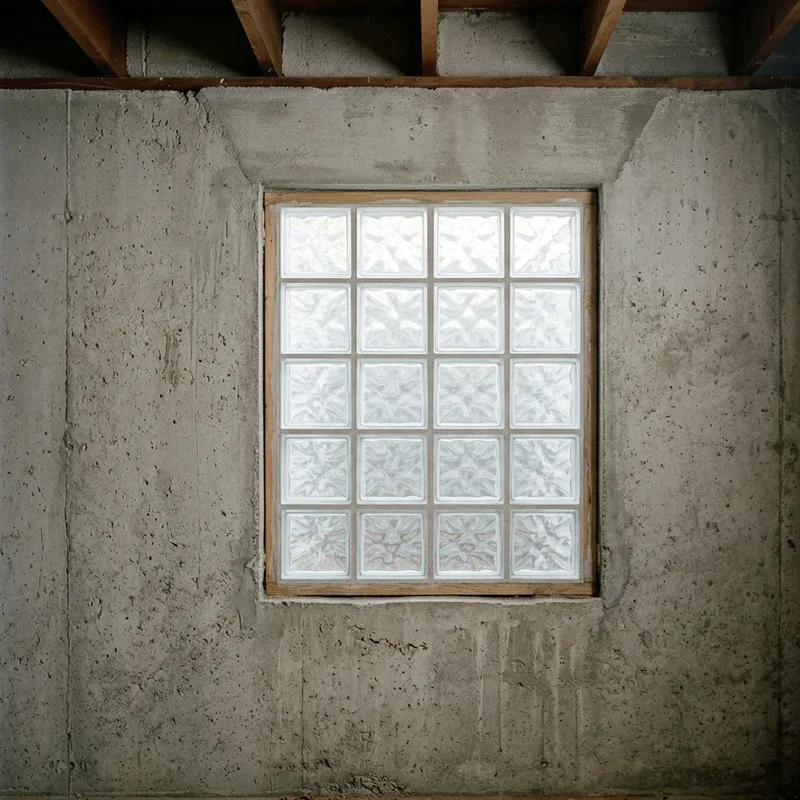
9. Glass Block Window Installation
Glass block window installations provide basement spaces with substantial solar light transmission combined with excellent security resistance and superior moisture resistance compared to conventional window alternatives at similar price points throughout. Glass blocks work like translucent bricks that admit light while denying entry, combining two seemingly contradictory properties in one distinctive architectural material beautifully. Install glass block window assemblies using traditional mortar-set individual blocks or modern vinyl-framed prefabricated panel systems that simplify installation while maintaining all the light-transmitting and security benefits of traditional glass block construction. Select blocks with prismatic internal patterns that diffuse and scatter admitted light more effectively than clear glass, creating softer, more evenly distributed interior illumination without harsh direct sun patches throughout. Include at least one ventilating glass block unit per window opening always.
10. Casement Window for Maximum Ventilation
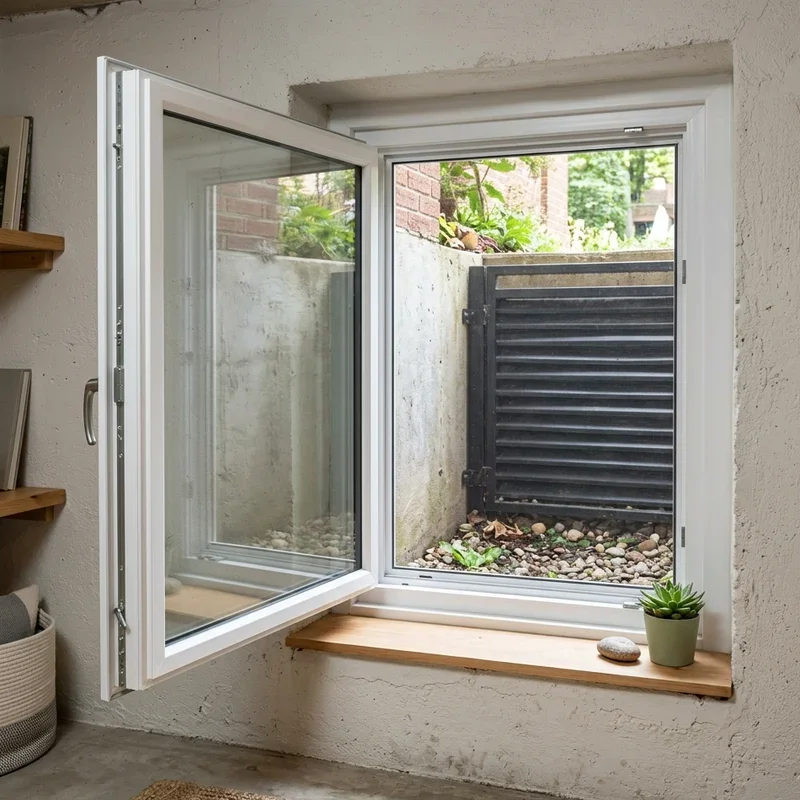
A casement window configuration provides basement spaces with the maximum practical ventilation opening of any window style, swinging fully outward to create an unobstructed opening that moves substantially more fresh air through the basement interior than sliding or double-hung alternatives throughout. Casement windows work like doors for air, swinging completely open to catch prevailing breezes and channel them directly into the basement atmosphere below. Select inswing or outswing casement configurations based on exterior space availability, with outswing versions avoiding interior swing arc interference with basement furniture placement throughout. Choose casement windows with multi-point locking hardware providing superior security alongside excellent weather sealing when closed for basement moisture management requirements. Install casements at maximum available width within each rough opening, using tandem or triple casement configurations in wider openings for substantially increased air exchange rates always.
11. Window Well Landscaping and Light Reflection
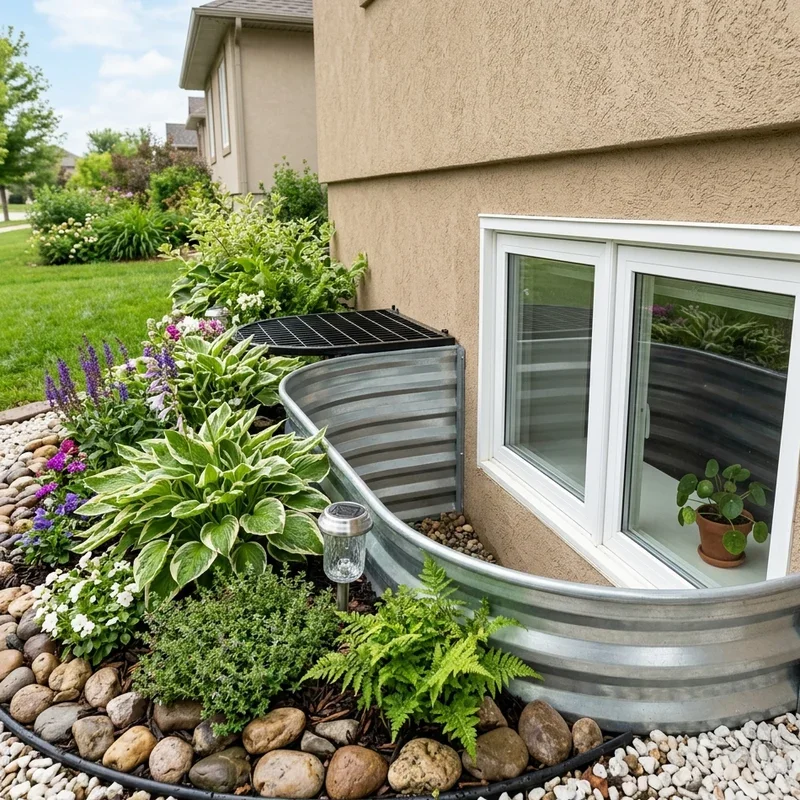
Thoughtfully designed window well landscaping and light reflection strategies transform the immediate exterior zones around basement windows from bare excavated trenches into attractive, functional light-gathering environments that contribute meaningfully to overall basement brightness throughout the day. Window well landscaping works like building a small amphitheater around each window that performs natural light instead of theatrical entertainment for the benefit of the space below. Paint interior well surfaces with high-reflectivity exterior-grade white paint that withstands moisture and temperature variation while maximizing light bounced into the window opening throughout. Install white or light-colored crushed stone rather than dark bark mulch at the well floor, and plant compact ornamental grasses or trailing plants along upper well edges that soften the appearance without creating shade-casting obstructions above. Add small decorative mirrors at strategic angles always.
12. Interior Window Between Rooms
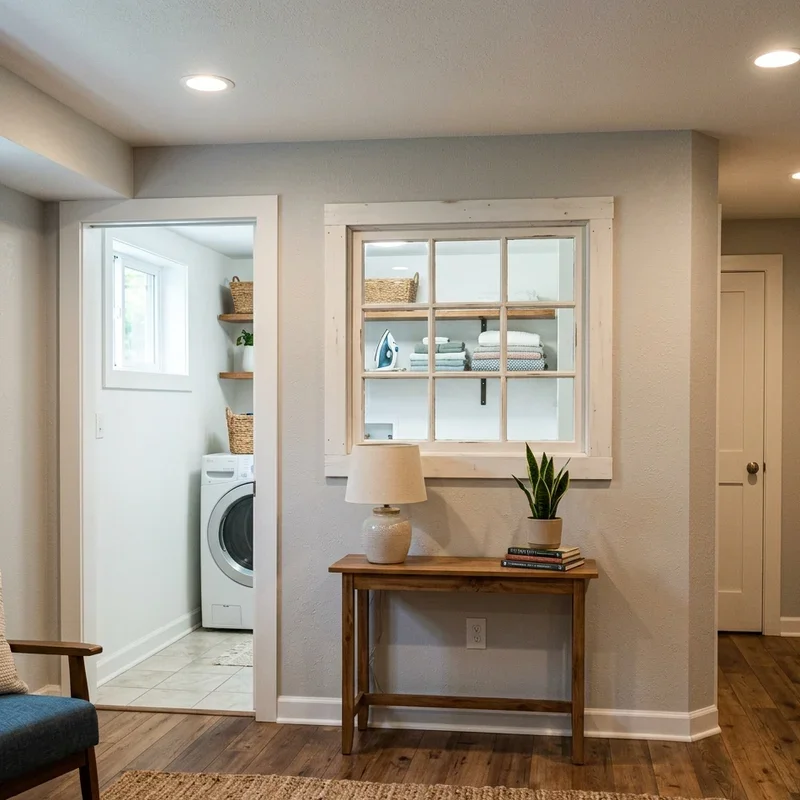
An interior window installed between an above-grade room and an adjacent basement stairwell or below-grade space transfers natural light from the brighter upper level into the darker lower level through strategically positioned interior glass openings that create visual and photonic connections between adjacent spaces. Interior windows work like controlled light bridges connecting naturally bright spaces to naturally dark ones through the power of strategically placed glass openings. Frame openings in partition walls between naturally illuminated rooms and dark basement spaces, installing fixed or operable interior windows that allow light transfer while maintaining acoustic privacy between the connected zones. Choose frosted or textured glass for interior windows where visual privacy between spaces remains desirable despite the beneficial light transfer they enable throughout. Size interior windows generously with wide horizontal proportions maximizing light passage always.
13. Skylights and Roof Window Addition
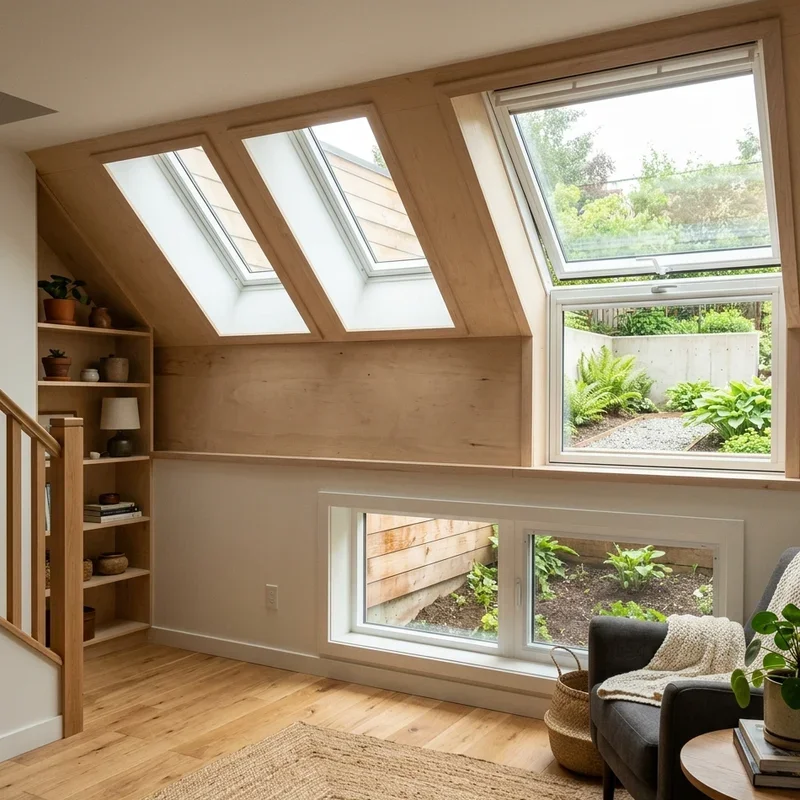
Skylights and roof window additions deliver the most powerful natural light transformation available for basements located beneath single-story structures or walk-out basement configurations where rooflines sit close to or directly above the basement ceiling level throughout. Roof windows work like opening the ceiling to the sky itself, delivering direct overhead illumination that exceeds any wall window's light-gathering potential at equivalent glazing areas. Install tubular skylights or full-format flat or pitched roof windows positioned directly above the darkest basement zones, sizing them generously with minimum two-square-foot apertures for meaningful light contribution throughout. Choose self-flashing skylight units with integrated curb mounting systems that simplify installation while ensuring long-term weather integrity at the roof penetration. Add solar-powered blinds for glare control during peak sun hours always.
14. Light Shelf and Reflective Surface System
A light shelf and reflective surface system maximizes the productivity of every photon entering through existing basement windows by strategically positioning high-reflectivity surfaces that capture, redirect, and distribute incoming natural light far deeper into the basement interior than direct illumination alone achieves throughout. Light shelves work like mirrors hired specifically to distribute natural light equitably throughout rooms that would otherwise receive it unevenly and inefficiently. Install horizontal light shelves at window head height on the interior window wall, angling their upper surfaces at five to fifteen degrees upward toward the ceiling for effective light redirection toward the deeper interior zones. Finish ceiling surfaces in high-reflectivity white paint maintaining the redirected light's intensity as it bounces progressively deeper into the room throughout. Add reflective wall treatments adjacent to windows always.
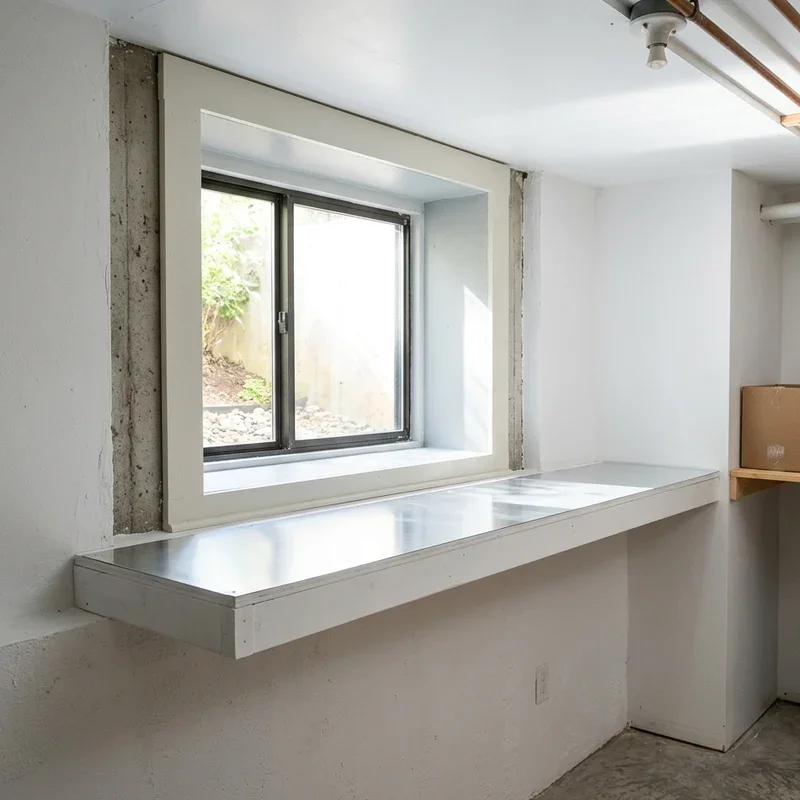
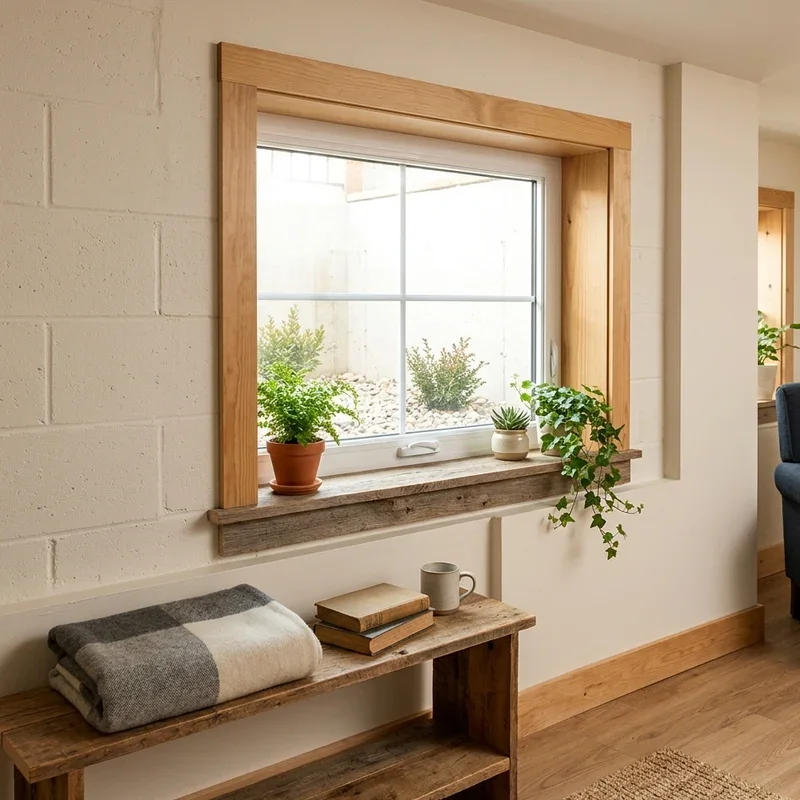
15. Barn Style Interior Window Frame
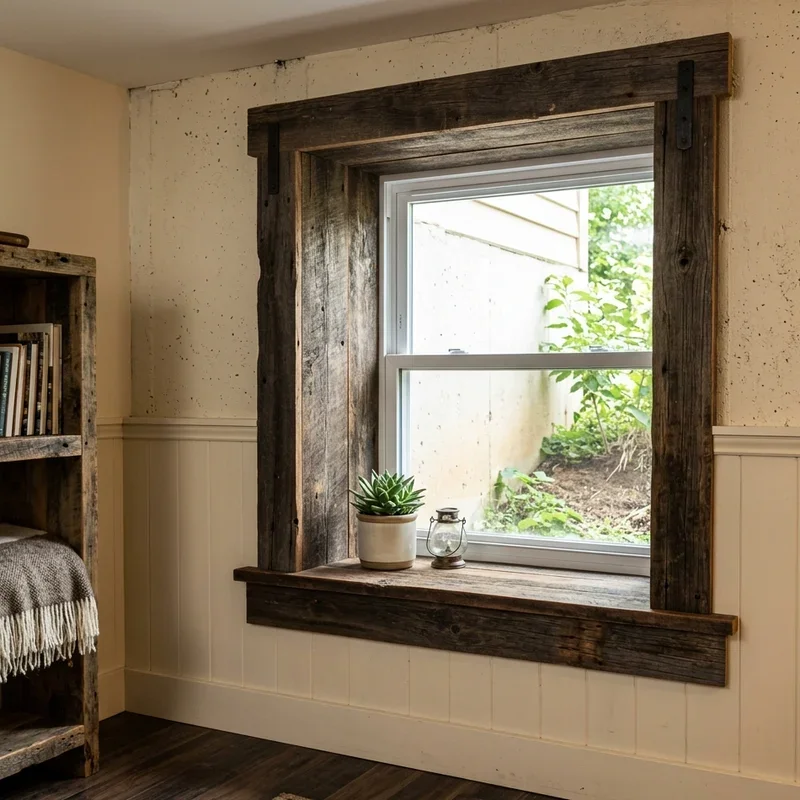
A barn style interior window frame treatment transforms modest basement windows into architecturally interesting design features that draw attention toward the windows rather than allowing them to recede invisibly into the surrounding wall surface, psychologically emphasizing whatever light they admit throughout. Barn-style framing works like putting a spotlight on your basement windows, making them the room's acknowledged stars rather than apologetic afterthoughts within the overall design composition. Build substantial interior window surrounds using rough-sawn lumber in two by six or two by eight dimensions, creating deep frame profiles that emphasize the window opening's depth and frame the exterior view or well beyond dramatically. Add an interior barn-style sliding shutter panel that pulls completely aside during daylight hours and closes for nighttime privacy within the deep window frame throughout. Paint surrounds in crisp white for maximum light reflection always.
Conclusion
Basement windows transform underground spaces from dark, avoided rooms into genuinely bright, welcoming environments worth inhabiting and enjoying throughout every season when approached with thoughtful creative solutions. These fifteen inspired ideas demonstrate that every basement configuration, budget level, and design preference has effective window improvement strategies worth implementing with genuine enthusiasm and appropriate professional support. Whether you choose enlarged egress windows, sun tunnels, or reflective well liners, every investment in basement natural light pays dividends in livability and property value. Bright basements become beloved spaces. Start improving your basement windows today and discover how dramatically natural light transforms everything below grade always.
Read next: 15 Basement Pole Ideas to Upgrade Your Finished Basement
Frequently Asked Questions
Q1: How much does a typical basement egress window installation cost including excavation work?
A: Egress window installations including excavation and window well typically cost between two thousand and five thousand dollars depending on local conditions.
Q2: Do basement window wells require building permits for installation or expansion projects?
A: Most egress window installations require building permits while simple window replacements within existing openings typically do not require permit applications always.
Q3: What basement window type provides the best combination of natural light and moisture resistance?
A: Glass block windows provide excellent moisture resistance and reasonable light transmission while casement windows maximize both light and ventilation simultaneously throughout.
Q4: How do I prevent basement window wells from flooding during heavy rainfall events?
A: Install properly sized drainage pipes at the well bottom connected to foundation drains and add polycarbonate well covers preventing direct rainfall accumulation effectively.
Q5: Can sun tunnels effectively brighten basements located below multiple floor levels above?
A: Sun tunnels work best when basement ceilings are within fifteen feet of the roof, with effectiveness decreasing significantly at greater distances below always.
Stay up to date with our latest ideas!