What to Consider When Choosing a Custom Desk
Learn what to consider when choosing a custom desk, including size, materials, ergonomics, storage needs, and design to fit your space and workflow.

You notice desk problems fast when your chair catches a drawer, or your knees hit a support bar. A desk can look right online, then feel wrong once it sits in your room. The best choices start with movement, measurements, and how you use the surface daily.
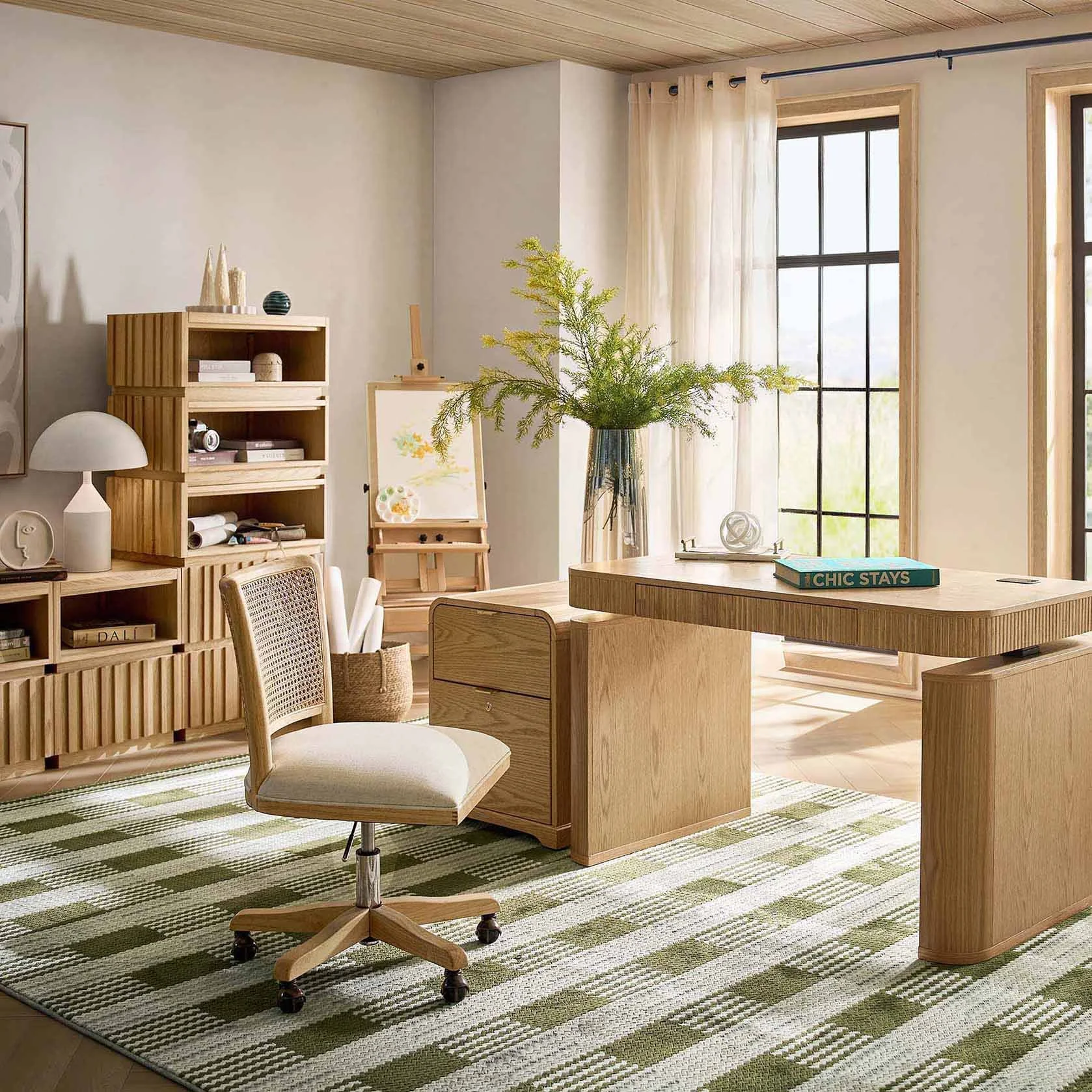
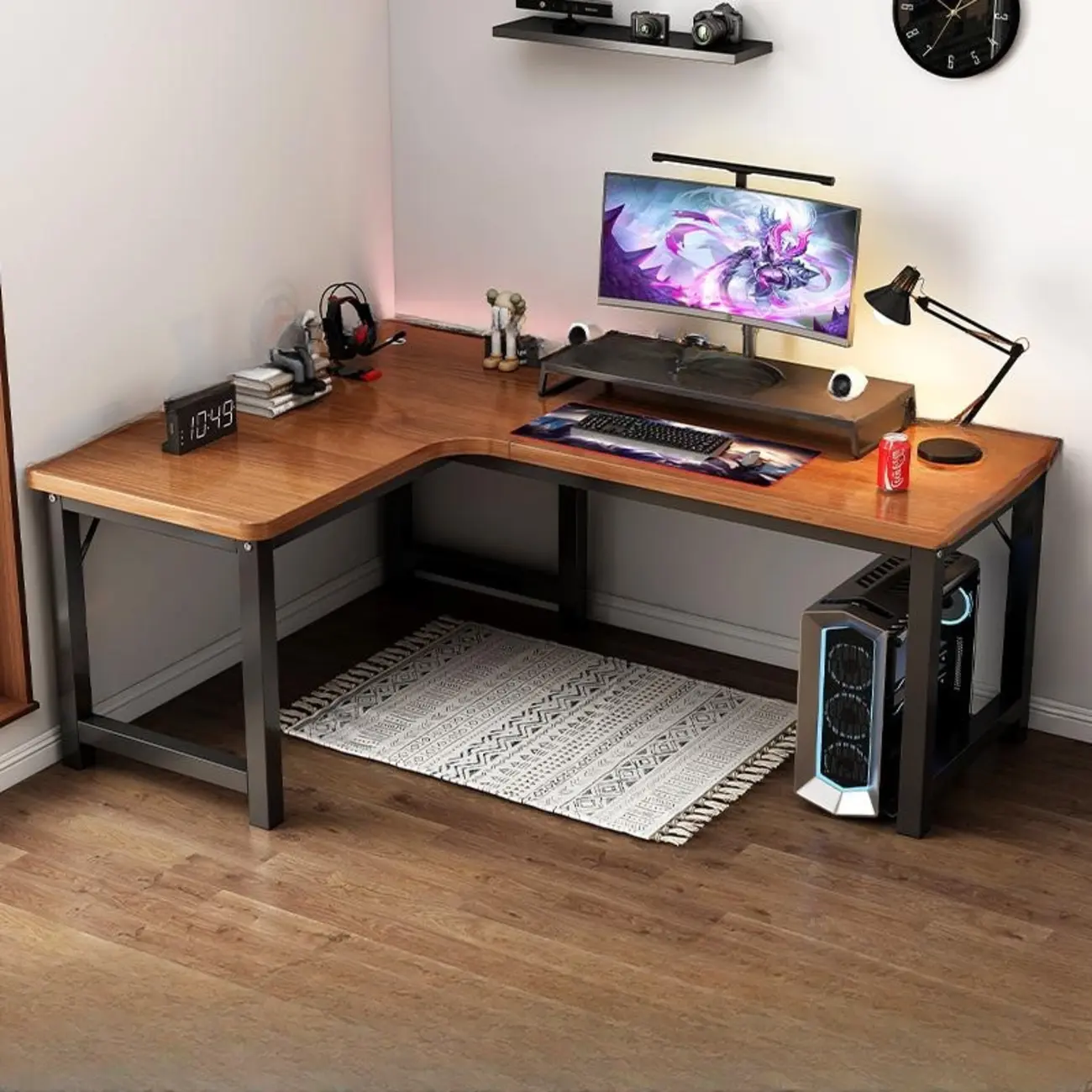
Style matters too, since a desk often becomes the visual anchor of a bedroom or shared living area. A made-to-order computer desk can help when you need a clean fit for corners, cables, or room balance. Custom does not need to feel fancy, it should feel settled and functional. Good planning makes the desk feel calm, not like it arrived from another home.
Start With Room Fit And Daily Movement
Begin by measuring the space around the desk, not just the wall where it will sit. Check width, depth, and the clearance behind the chair when you slide back to stand. Leave room for door swings, drawer pull outs, and the path you walk each morning.
Next, map where your arms and legs move during real tasks, not ideal ones. If you write, sketch, or sort papers, you need side space that stays clear all day. If you use two screens, depth matters so the monitor does not crowd your face. Mark the floor with painter tape to test your best footprint.
Think about what the desk faces, since the view changes how the room feels. A desk facing the room shows its back edge, cords, and chair profile. A desk facing a window may deal with glare, heat, and changing light. If you can, sit at the planned spot at morning and night.
Finally, test the desk zone with your existing chair and a temporary surface. Stack books to mimic the desk height, then type for ten minutes. Notice shoulder tension, wrist angle, and how often you shift. Those small signals tell you what size and layout will work.
Choose Materials And Finishes That Work At Home
Wood looks warm, but species and construction choices change how a desk behaves over time. Harder woods usually resist dents better when you bump a mug or drop a charger. Softer woods can still work, but they may show marks sooner in busy homes. If kids use the desk, plan for wear that still looks good.
Construction matters as much as the top surface, since wobble ruins the experience quickly. A strong base, solid joinery, and stable leg spacing reduce shake during typing. If you plan drawers, check that the drawer box material and slides can handle daily use. A heavier top can feel steady, but it needs a base built to match.
Finish choice affects both care and how the desk reads under your lighting. Matte finishes often hide fingerprints and light scuffs better than glossy finishes. If the desk sits in a bedroom, think about odor and cure time before you set it up. The EPA’s indoor air guidance can help you plan ventilation and timing.
Also consider how the material story fits your values and your home goals. Sustainably sourced wood can matter, but durability matters too because replacement creates waste. Ask where the wood comes from, and how offcuts are used in the shop. Then focus on the desk you will still like five years from now.
Get Ergonomics Right Without Losing Style
Ergonomics can sound clinical, yet it is just comfort you can measure and repeat. Start with desk height, since it controls shoulder tension and wrist position during long sessions. A desk that is too tall makes your shoulders creep upward, and your hands work harder. A desk that is too low can pull you forward and stress your neck.
Next, check reach and sight lines, since small distances add up over months. Place the keyboard where elbows stay close to your sides while you type. Set your screen so you can read without leaning or tucking your chin down. If you use a laptop, plan a stand and an external keyboard.
A few design choices help comfort without changing the room’s look.
A deeper top gives your hands room and keeps screens at a calmer distance from your eyes.
A softened front edge feels better on forearms during typing and mouse work.
A stable base prevents shake, which reduces fatigue during long writing or editing sessions.
Clear knee space helps you shift position without twisting your hips or ankles.
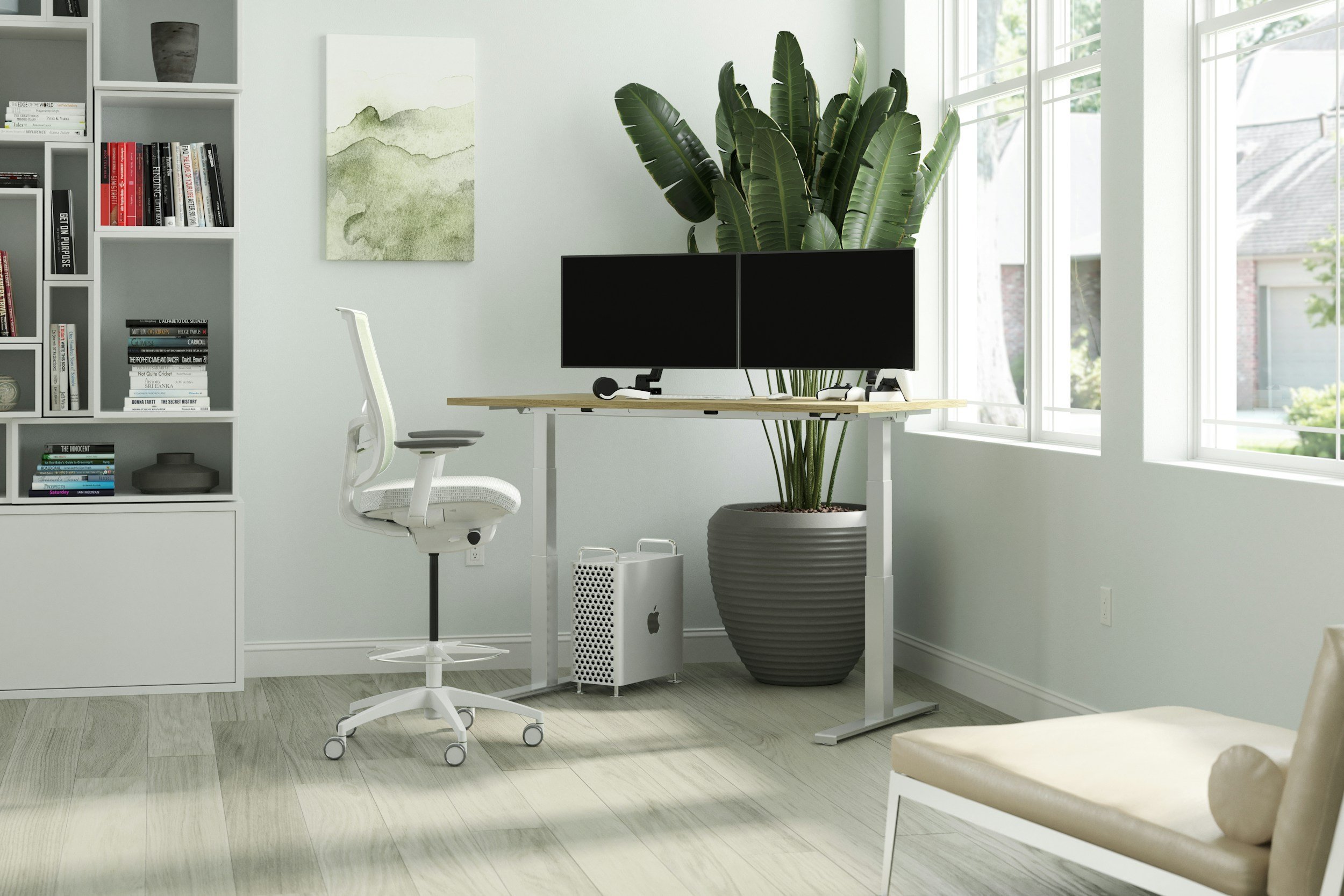
Do not forget the chair, since desk comfort depends on both pieces working together. Seat height changes arm angle, and armrests can collide with drawers. If you plan a thick top, confirm the chair still slides under cleanly. When those parts match, the desk feels easy to use.
Plan Storage, Cables, And Future Changes
Storage should match what you touch each week, not what looks tidy in photos. List your daily items, then decide what needs to stay within reach. Pens, headphones, and chargers often need shallow space that does not trap clutter. Papers and tech boxes can live deeper, but only if you will open the drawer.
Cable planning is part of decor, because messy cords can make a calm room feel unfinished. Locate outlets, then plan where cords travel from wall to desk and down to devices. Consider an under desk tray, clips, or a mounted power strip to lift cords off the floor. If the desk sits in a living room, cable control matters even more.
If you want a reliable setup guide, OSHA’s computer workstation resource gives clear checkpoints. Use it to verify screen distance, reach, and seating habits with your actual gear. This is especially helpful if you work long hours at home. Small adjustments can prevent daily irritation.
Also plan for the way your setup might change in a year. You may add a second monitor, a mic arm, or a small lamp for evening work. If that is likely, choose a top that can handle clamps without damage. Future proofing keeps the desk useful without forcing another purchase.
Match Desk Style To The Rest Of The Room
A desk should look like it belongs with your floors, wall color, and nearby furniture. Start by comparing wood tone to the floor, since mismatched undertones can feel distracting. Warm floors often pair well with warm wood, while cool floors can handle cooler stains. Test samples near the desk wall in daylight and lamplight.
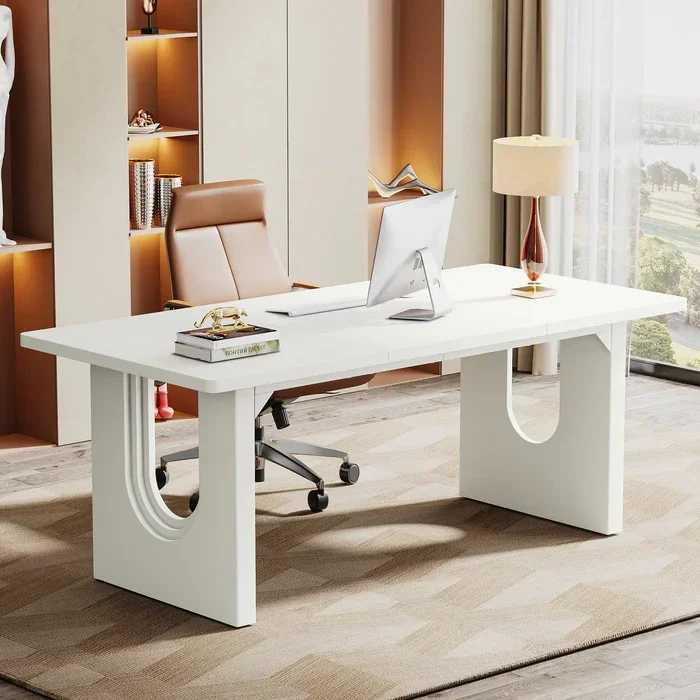
Think about visual weight, which is how heavy a piece feels even before you touch it. Open leg designs can keep a small room feeling airy and less crowded. Panel bases can feel grounded, and they can also hide cords and power strips. If your room already has bulky pieces, lighter legs may balance the scene.
Hardware and details can shift the mood from office to home without extra clutter. Simple pulls, quiet slides, and a clean drawer face often read more residential. If you prefer a modern look, keep lines straight and avoid mixed metal finishes nearby. If you prefer a softer look, rounded edges and warmer tones help.
Finally, consider placement against other decor elements, so the desk does not fight your focal points. A desk under art should leave breathing room so frames do not feel cramped. A desk near plants should avoid direct watering splash and sun fade. When layout supports decor, the whole corner feels intentional.
A Desk Choice That Holds Up Over Time
A custom desk works best when it fits your room, supports your body, and stays tidy without effort. Measure movement paths, choose materials and finishes that suit daily life, and plan storage and cables early. Then match the style details to your home so the desk feels like it has always been there.
Stay up to date with our latest ideas!