Structural Damage Evaluation After Hurricanes
Learn how structural damage evaluation after hurricanes identifies safety risks, assesses repairs, and protects long term stability and property value.
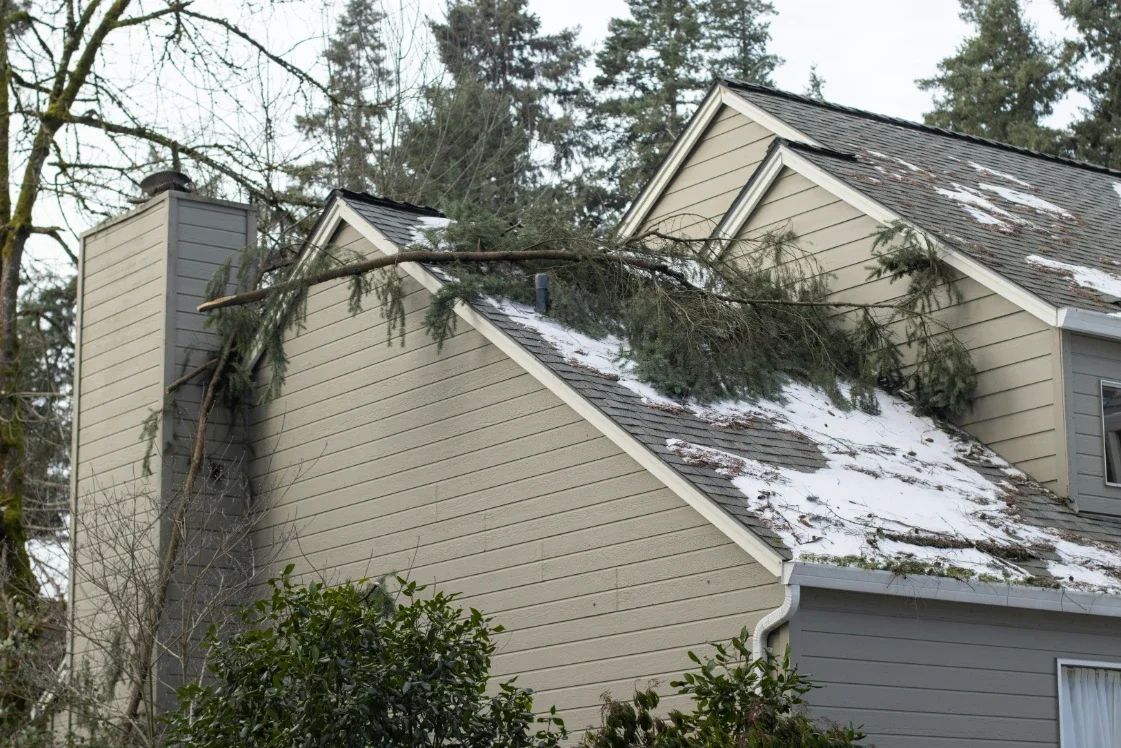
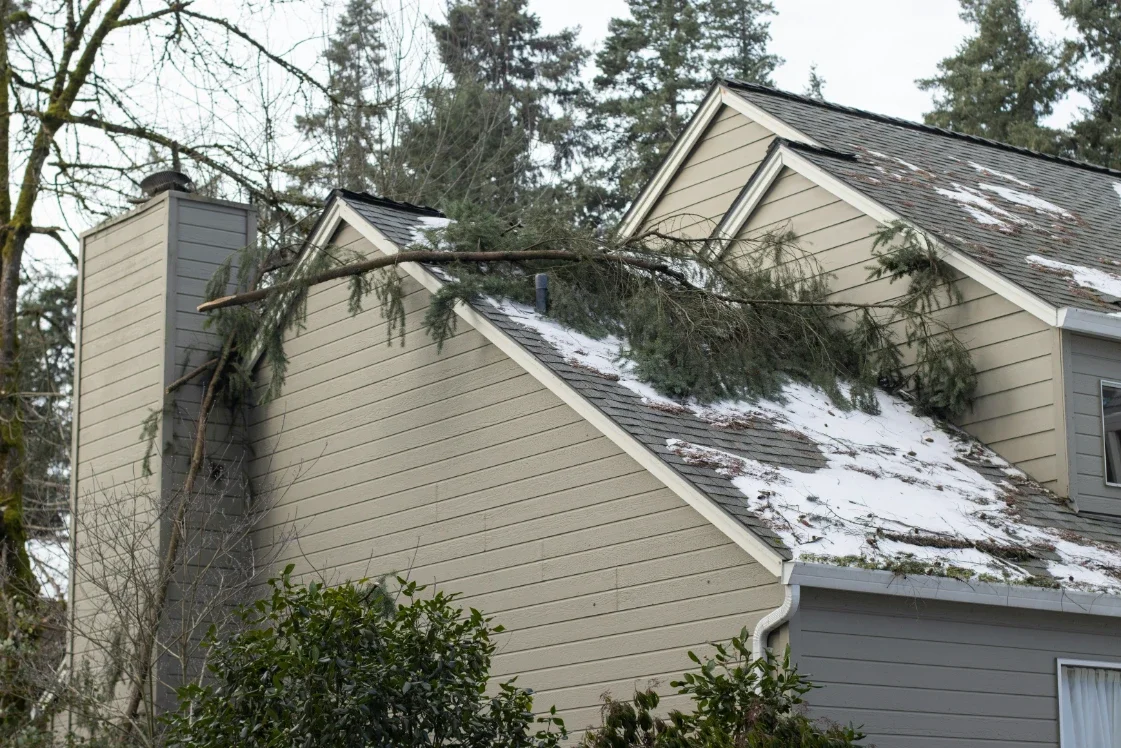
Hurricanes can inflict both immediate and concealed structural damage on commercial and multi-family properties. While visible destruction—such as roof failure or facade damage—draws immediate attention, hidden structural compromise often presents a more serious long-term risk.
A professional post-hurricane structural inspection provides a systematic evaluation of structural integrity, ensuring that buildings remain safe for occupancy and compliant with applicable regulations.
Beyond Visible Damage
After a major storm, property owners frequently focus on surface-level repairs. However, structural systems may have experienced stresses that are not immediately apparent. High wind pressures, debris impact, and prolonged water exposure can weaken load-bearing components without obvious signs.
Hidden structural distress may include:
micro-cracking in concrete slabs and beams;
compromised steel connections;
shifted or stressed anchorage systems;
foundation movement caused by soil saturation;
internal corrosion initiated by moisture intrusion.
Without professional assessment, these conditions may worsen over time.
Wind Load and Structural Response
Hurricanes subject buildings to extreme lateral forces. Even if a structure remains standing and appears intact, lateral displacement and connection stress may have occurred.
Structural engineers evaluate the building’s load path—from roof systems through vertical framing elements to the foundation—to confirm continued structural stability.
Water Intrusion and Corrosion Risk
Water infiltration following a storm can accelerate deterioration in reinforced concrete and steel-framed buildings. Salt-laden moisture, common in coastal regions, increases corrosion potential.
Moisture intrusion may initiate a gradual process of reinforcement expansion, cracking, and spalling that develops months or years after the storm event.
Insurance and Documentation Requirements
Post-hurricane evaluations often play a central role in insurance claims and risk management. Engineering reports document observed conditions, probable causes, and recommended corrective measures.
Detailed documentation strengthens claim support and provides clarity in the event of disputes.
Assessing Foundations and Soil Stability
Storm surge and heavy rainfall can undermine soil stability, particularly in coastal or reclaimed areas. Foundation movement or erosion may not be visible from the surface.
Engineers assess settlement indicators, cracking patterns, and alignment shifts to determine whether additional geotechnical investigation is required.
Balcony, Railing, and Facade Vulnerabilities
Exterior elements such as balconies and railings are particularly vulnerable to hurricane forces. Impact damage or connection failure can compromise occupant safety.
Facade systems—including cladding, anchorage, and sealant joints—must also be evaluated for displacement or water penetration.
Developing a Targeted Repair Strategy
If structural deficiencies are identified, engineers prepare repair recommendations aligned with Florida Building Code requirements. Repair strategies may include:
concrete restoration and reinforcement replacement;
connection strengthening;
anchorage upgrades;
roof system reinforcement;
waterproofing system replacement.
Repairs should address both immediate damage and future resilience.
Enhancing Resilience for Future Storms
Post-hurricane repair programs often provide an opportunity to upgrade structural performance. Strengthening key components can improve resilience against future wind events.
Proactive enhancements protect long-term property value and reduce vulnerability.
Timing and Risk Mitigation
Delaying structural evaluation after a hurricane increases risk exposure. Hidden deterioration may progress, and insurance timelines may expire.
Prompt engagement of qualified engineers ensures timely identification of risks and implementation of corrective measures.
Conclusion
Structural damage after hurricanes is not always immediately visible. Professional engineering evaluation provides the clarity necessary to protect occupants, comply with regulations, and safeguard investments.
Through comprehensive post-storm inspections and targeted repair planning, property owners can restore structural confidence and enhance resilience for future weather events.
Stay up to date with our latest ideas!