Maximizing Comfort and Style with Oversized Sofas in Open Plan Homes
Learn how oversized sofas can define zones, improve comfort, and fit open-plan homes with the right size, layout, upholstery, and color choices.

Open-plan homes offer a blend of spaciousness and versatility, making the right sofa a crucial decision for both comfort and design cohesion. Oversized sofas can anchor these flexible layouts, providing ample seating while defining zones for relaxation and activity. Careful selection and placement are key to maintaining flow, scale, and a unified aesthetic throughout the living area.
Choosing a sofa for an open-plan living space brings particular challenges and opportunities. A Black Sectional Sofa helps illustrate the need for careful consideration when accommodating generous proportions while avoiding a cluttered look. Oversized sofas can set the stage for social gatherings and everyday comfort, but their impact on scale, navigation, and style should be considered thoughtfully.
Determining proper sofa size and room proportion
When selecting an oversized sofa, scale is the first important point to address. Open-plan rooms vary in dimensions, so measuring the available area is essential before making a commitment. Take into account the width and length of the room, as well as the height of the ceiling, to ensure the sofa will fit comfortably without dominating the space.
Sightlines are another consideration, as large sofas can block views between different areas in open-plan homes. Aim for clear views toward windows, dining areas, and focal points such as fireplaces or media centers. Allow enough space for walkways—at least thirty-six inches for major thoroughfares—to ensure the seating does not feel imposing.
Furniture proportion affects both usage and aesthetics. A sofa that is too large can overwhelm, while one that is undersized may seem lost within a broad expanse. Striking the right balance requires attentive planning and an honest assessment of household needs.
Careful selection can help you avoid visual heaviness, especially in smaller open-plan layouts. Using rugs or low-profile tables can keep the arrangement grounded and allow the sofa’s generous scale to shine.
Choosing between sectional and modular configurations
The format of your oversized sofa—whether a classic large piece, a sectional, or a modular set—has significant implications for function and style. Sectional sofas, in L or U shapes, offer clear zoning abilities within open-plan rooms. These designs can help define living, dining, and even workspace areas without using solid walls.
Modular sofas provide flexibility by allowing you to rearrange components as household needs evolve. This adaptability is valuable in open-plan homes where lifestyles and layouts may change over time. Movable segments also make cleaning and reconfiguration easier for special occasions or seasonal changes.
Understanding how daily life unfolds in your home can help determine which sofa style works best. Sectionals work well for families who prefer uninterrupted lounging, while modular options suit those desiring variety. Consider the flow of movement and sightlines when making your final decision.
Seating capacity should match your intended activities. Whether for gatherings or quiet evenings, ensure the sofa meets both comfort and utility needs. This allows for a range of layout strategies, and oversized sofas can help anchor more than one “room” within a single open space.
Strategic layout and placement in open living areas
Positioning an oversized sofa affects how an open space feels and functions. Arranging the sofa to define an area within the larger environment helps create visual and functional zones for relaxing, entertaining, or working.
Placing the back of the sofa toward a dining area or entryway can indicate that the area beyond is distinct. Orienting the seating toward a focal point, such as a large window or media display, encourages a natural gathering spot. It also supports better conversation flow and ensures everyone has a comfortable vantage point.
Maintaining traffic paths is crucial. Do not place the sofa where it blocks major walkways or doorways in the open-plan layout. Use rugs, lighting, and low tables to further define zones without impeding movement.
Open shelving or slim console tables can complement the sofa’s mass without overwhelming the space or blocking light. Practical considerations should be weighed along with functional planning to enhance both style and efficiency. Adjusting the orientation or splitting modular pieces allows for flexible arrangements that can adapt as household habits change.
Comfort and performance features for daily living
The comfort of an oversized sofa depends on its seat depth, back height, and cushion fill. Deep seats are typical of loungy, casual styles, but some may prefer more upright seating. Try different seat depths in-store, if possible, since preferences and ergonomic needs vary widely.
Cushion fill is also important. High-density foam offers structure and longevity, while down or hybrid options can create a softer, more relaxed feel. Removable cushion covers are helpful for cleaning and maintenance, especially in busy households.
Arm style and back height contribute to overall comfort and appearance. Track arms provide a streamlined look, while rolled arms offer a more traditional and softer appearance. Taller backs support the head and neck, while low backs can help a space feel more open but may lack support for longer lounging.
Performance fabric options, such as microfiber or treated textiles, are commonly used in oversized sofas designed for open-plan and high-traffic zones. These fabrics are engineered to resist stains and are easy to maintain, which is useful when the sofa serves as a central hub for activities and gatherings.
Durability and upholstery for function and style
In open-plan living spaces, upholstery is exposed to frequent use, sunlight, and occasional spills. Performance fabrics provide resistance to stains and fading, supporting long-term style. Synthetic blends are popular for balancing softness, affordability, and easy care.
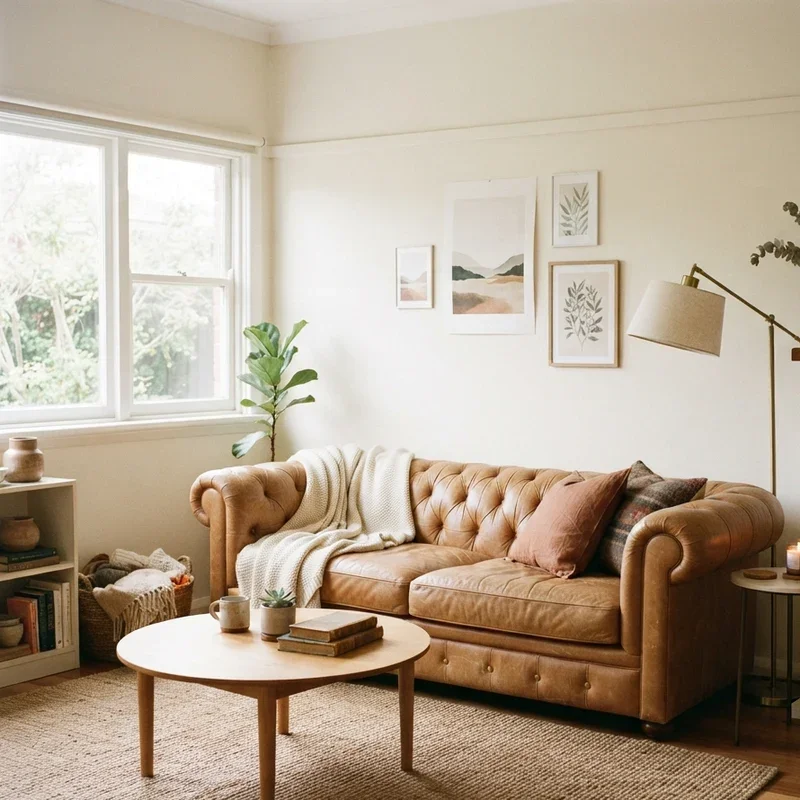
Leather can be a durable and luxurious option. While leather resists spills and develops character over time, it can feel cooler to the touch and needs periodic conditioning. Textile upholstery, meanwhile, tends to be softer and warmer but may require more frequent cleaning and specific stain treatments.
Texture is important with oversized sofas. Structured weaves hide wear, while smoother surfaces show color more vividly. Choose an option that balances visual appeal with practical considerations.
Exposure to sunlight and the need for easy cleaning will affect the longevity and appearance of upholstery. Attention to these factors can reduce the need for replacement and help your oversized sofa remain a focal point of your open-plan home.
Color choices and the perception of scale
The color of an oversized sofa can influence how its scale is perceived in an open layout. Lighter fabrics reflect more light, making large sofas appear less imposing and airier. Darker hues add a sense of depth and can make a sofa seem more substantial.
Neutral tones provide flexibility as accessories change over time. Bold colors may create a focal point but can also make the seating area feel heavier. In open-plan homes, coordinating colors with flooring, walls, and nearby furnishings helps maintain cohesion.
Pattern affects scale as well. Large patterns can emphasize the sofa’s presence, while smaller ones may soften it. Texture and sheen interact with light, potentially increasing or decreasing the sofa’s visual impact.
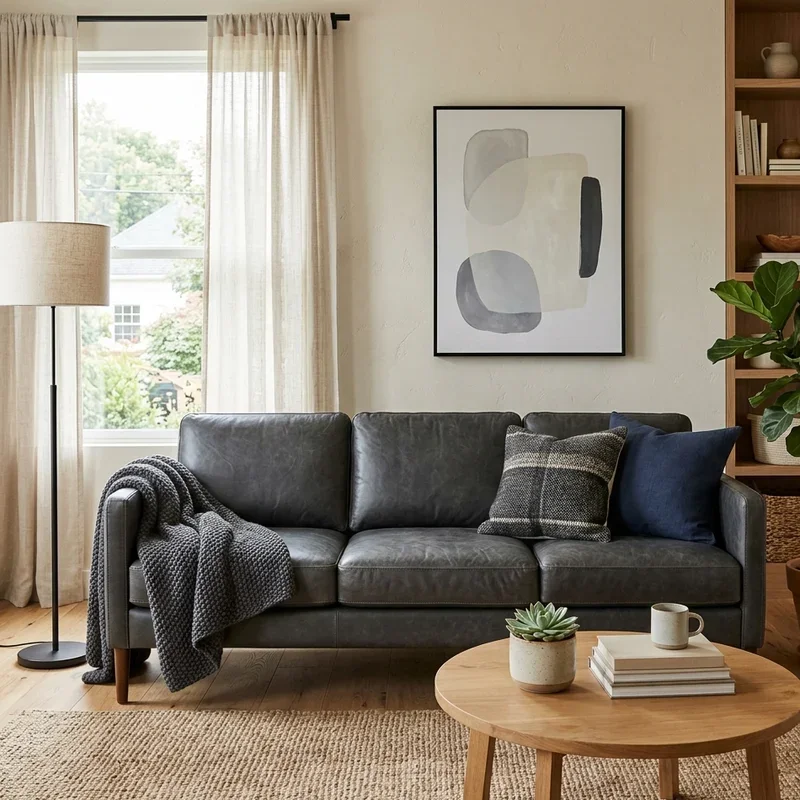
Black Sectional Sofa remains a helpful reference point since darker upholstery can ground an open-plan space when balanced with lighter surrounding elements. The best choice depends on how you want your seating area to relate to adjacent zones. Consistency in tone and material helps oversized sofas look intentional rather than overwhelming.
Stay up to date with our latest ideas!