Kitchen Remodel Planning in Redmond, WA: Budget and Timeline
Learn how to plan a kitchen remodel in Redmond, WA, including scope, budget, timeline, selections, and contractor considerations before construction begins.
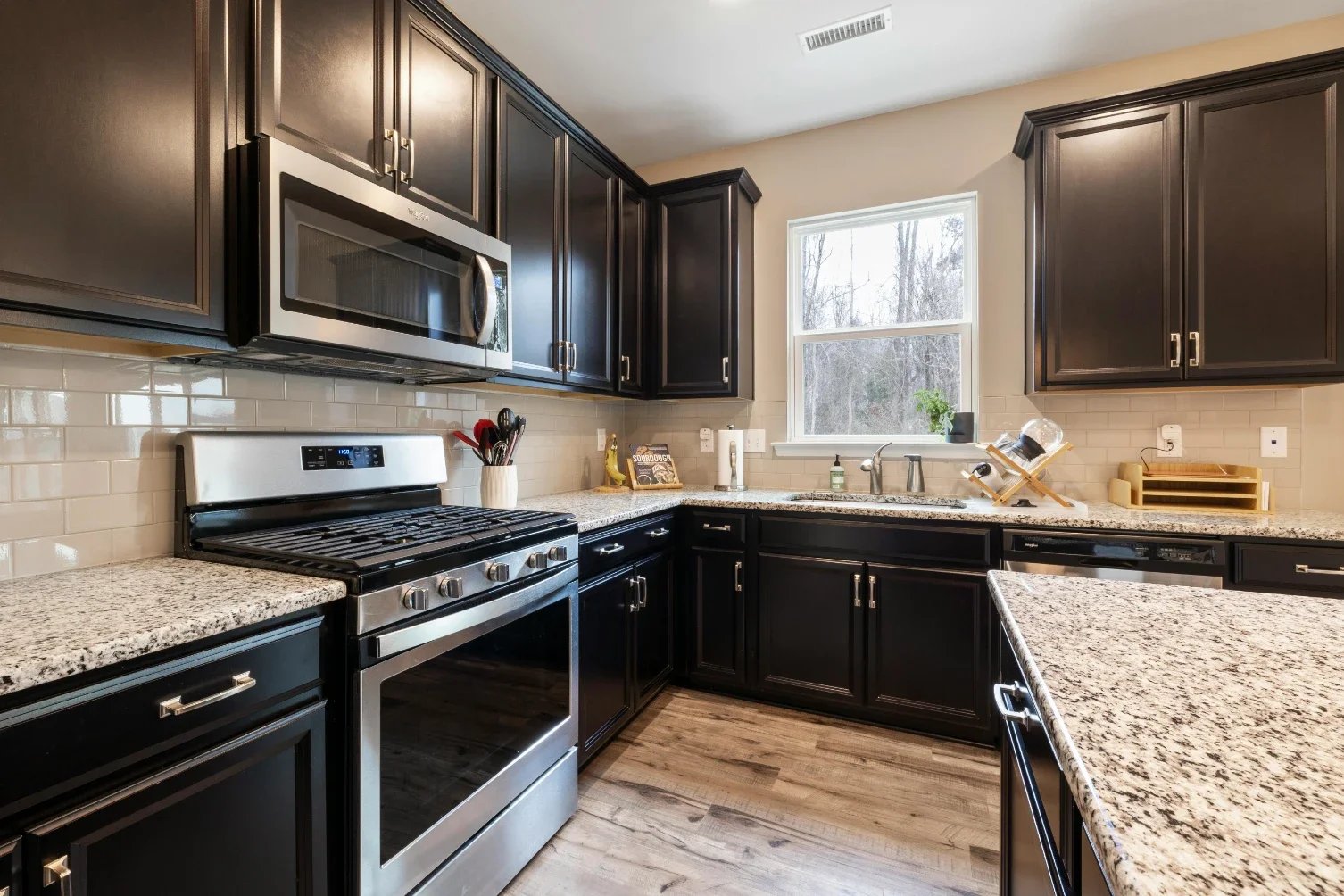
A kitchen remodel is one of the most valuable upgrades a homeowner can make, but the best results usually come from planning rather than rushing into finish selections. In Redmond, WA, a successful remodel depends on more than choosing cabinets and countertops. Homeowners also need to think through layout, workflow, budget, material lead times, electrical and plumbing needs, ventilation, and how daily life will function while construction is underway.
Many kitchen renovation projects become more stressful than necessary because important decisions are left unresolved until after demolition starts. Homeowners often focus first on tile, paint colors, or fixture style, while bigger questions about scope, storage, appliance layout, lighting, and utility changes are still undecided. A smoother remodel begins by defining the project clearly, then matching budget and finish selections to that scope.
For homeowners comparing design and construction options, it helps to speak with a kitchen remodeling contractor in Redmond before final materials are ordered and work begins. Early planning can reduce delays, avoid unnecessary change orders, and make the overall kitchen remodeling process more predictable from start to finish.
Start with the real scope of work
The first step in kitchen remodel planning is deciding exactly what the project includes. Some kitchens only need finish upgrades such as counters, backsplash, paint, and fixtures. Others need a full kitchen remodel with new cabinets, new flooring, lighting upgrades, appliance relocation, drywall work, improved ventilation, and plumbing or electrical adjustments.
That difference matters because the budget and timeline are built around the real work involved, not just the appearance of the finished kitchen. If the remodel includes moving plumbing, changing appliance locations, opening walls, correcting outdated wiring, or solving hidden framing issues, it becomes a very different project from a cosmetic refresh. Homeowners should define what is essential, what is optional, and what is outside the project before construction starts.
Build the budget around actual decisions
A kitchen remodel budget should reflect the real scope of work, not just online averages. In Redmond and throughout the Eastside, costs can vary significantly depending on cabinet quality, countertop materials, appliances, tile, plumbing fixtures, lighting, electrical work, drywall repair, finish carpentry, and installation labor.
The biggest budget drivers in a kitchen remodeling project are usually cabinetry, countertops, appliances, tile, plumbing, electrical upgrades, and finish materials. If demolition reveals moisture damage, uneven floors, outdated rough-ins, or ventilation problems, the project may require corrections before finish work can move forward. This is why a realistic budget should always leave room for hidden conditions.
A well-structured remodel budget also helps homeowners make better decisions. Separating fixed construction scope from material allowances gives flexibility in selecting finishes while keeping the total investment under control. That approach makes budgeting clearer and helps reduce surprise costs later in the project.
Understand the kitchen remodel timeline
Most kitchen remodels follow a similar sequence, but the actual schedule depends on how early the important decisions are made. A typical project starts with planning, measurements, design review, and ordering. Then come home protection, demolition, rough-in work for plumbing, electrical, framing, and ventilation, followed by inspections where required. After that, the project usually moves into drywall and prep, cabinet installation, countertop templating, fabrication, backsplash, finish work, appliance installation, and final punchlist completion.
One of the most common causes of delay is late material selection. Cabinets, specialty hardware, appliances, fixtures, and some tile materials often have lead times that affect the overall schedule. Countertops cannot usually be templated until cabinets are installed and leveled, and backsplash work usually waits until counters are complete. When one phase gets delayed, the following trades shift with it.
That is why kitchen remodel planning should include not only style decisions, but also the order in which decisions need to be finalized so the work can move forward without unnecessary downtime.
Lock in the decisions that affect construction most
Some selections are mostly visual, while others directly affect construction. Cabinet layout, appliance sizes, sink location, hood ventilation, lighting plan, and electrical requirements all influence rough-in work and project coordination. These are not decisions to leave until the last minute.
Appliance choices affect cabinet sizing, clearances, power requirements, and ventilation strategy. Lighting decisions affect switch placement, under-cabinet wiring, recessed lighting layout, and fixture coordination. Ventilation matters not only for comfort, but also for long-term kitchen performance. A remodel is often the best time to improve an outdated or undersized ventilation setup and make the kitchen function better as a whole.
By finalizing these decisions early, homeowners reduce the risk of rework, rushed substitutions, and last-minute changes that add cost and delay.
Plan for living through the remodel
A kitchen remodel affects much more than the room itself. It changes cooking, storage, cleanup, access, noise, and the daily routine of the household. For occupied remodels, homeowners should plan ahead for floor protection, dust control, debris removal, work hours, and temporary food prep arrangements.
Even a simple temporary setup with a microwave, coffee station, and small prep area can make the remodel period easier to manage. Good project planning should also include regular communication about what happens each week, which materials are on site, and what milestones are coming next.
Choose a contractor based on process and clarity
A strong remodel experience depends on more than craftsmanship alone. Homeowners should look for a licensed and insured contractor who provides a clear written scope, realistic allowances, documented change order procedures, milestone-based payments, and good communication throughout the project.
The right contractor should be able to explain what is included, what is excluded, what assumptions were made, and what decisions still need to be finalized before construction starts. Kitchen remodeling is not only about design. It is also about scheduling, coordination, protection of the home, and careful execution through each phase of work.
Final thoughts
Kitchen remodel planning in Redmond, WA should begin with scope, budget, timeline, and early design decisions rather than finish selections alone. Homeowners who define the project clearly, choose materials early, and understand how the work will be sequenced usually have a smoother remodeling experience and a stronger final result.
A beautiful kitchen matters, but so does the process that gets you there. The most successful kitchen remodels are the ones that balance design, function, planning, and construction management from the very beginning.
Stay up to date with our latest ideas!