How to Choose, Install, and Maintain Artificial Grass for Residential Spaces
Learn how to choose, install, and maintain artificial grass for residential spaces with tips on durability, drainage, appearance, and long term care.

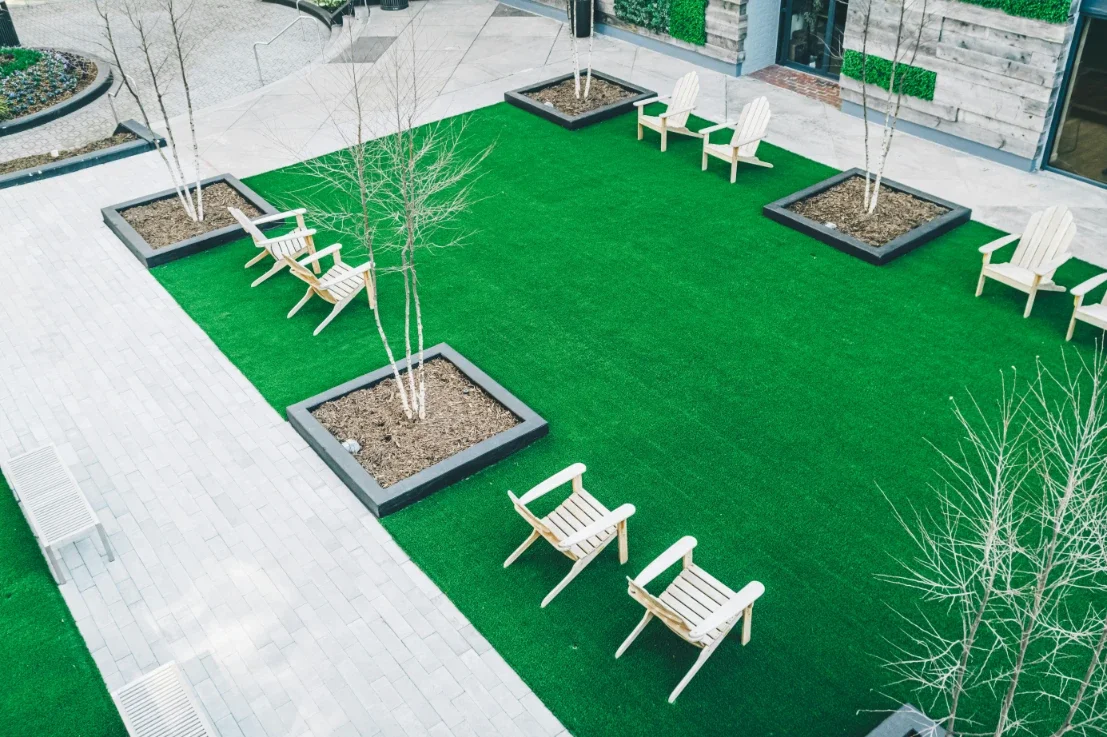
Homeowners across the UK are rethinking their outdoor spaces. Rising maintenance costs, unpredictable weather, and limited time have made traditional lawns harder to justify. Artificial grass offers a practical alternative that stays green year-round without the weekly mowing, watering, or seasonal upkeep.
The market for artificial turf continues to grow as more households prioritise durability and convenience. Modern products now replicate natural textures closely, with options suited to gardens, play areas, and pet-friendly zones. Installation has become more accessible, with local suppliers offering cut-to-size services and prompt delivery in many areas.
Choose Based on Material Composition and Durability
Fibre type is one of the first things worth understanding before buying. Polypropylene is the most affordable option, but it tends to flatten under heavy foot traffic. Polyethylene is softer and more resilient, making it the most common choice for residential gardens. Nylon is the strongest of the three, though it costs more and retains heat at higher levels.
Understanding Pile Density and Stitch Rate
Pile density, measured in stitches per square metre, directly affects how long a product holds up. Higher stitch counts generally mean a denser, longer-lasting surface. Products with lower density may look fine at first but tend to wear unevenly over time. When browsing artificial grass from Urmston Artificial Grass, ask about the stitch rate and check real samples in store. This visual and tactile check helps buyers identify turf that feels firm and recovers well from compression, indicating better durability for high-traffic areas and family gardens.
UV Resistance and Backing Materials
UV stabilisation matters more than many buyers expect. Products without proper UV treatment can fade or become brittle after a relatively short period, especially in areas with strong seasonal sun exposure. Reputable manufacturers test their products against UV exposure standards to confirm colour retention over time. Quality products are designed to last for many years depending on usage and care.
Install on a Properly Prepared and Well-Drained Base
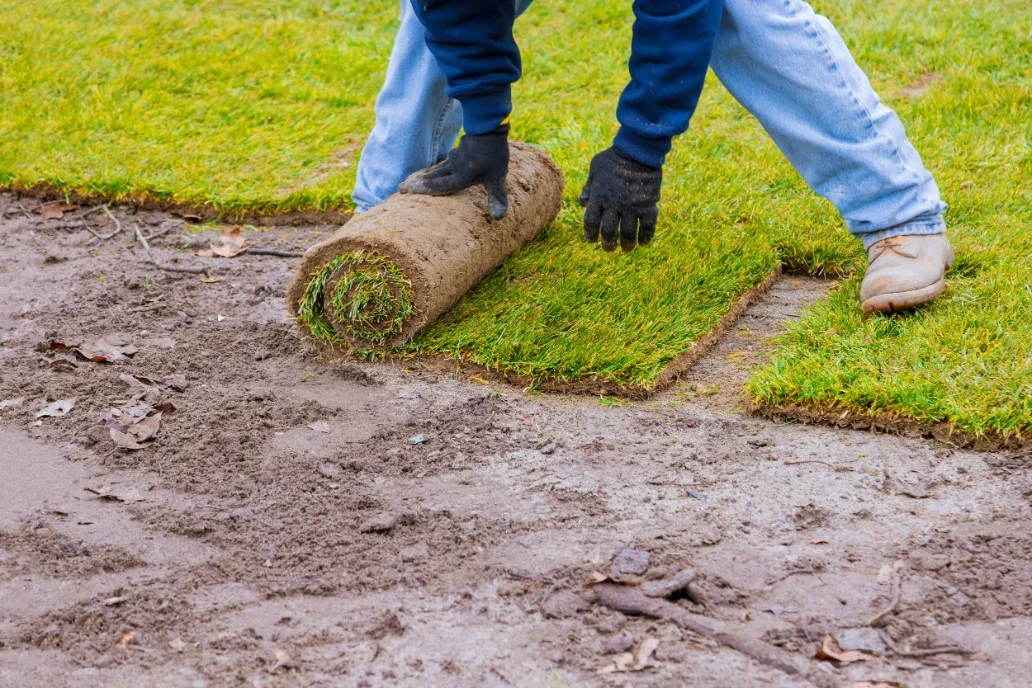
Good drainage starts before the grass goes down. A properly prepared base layer is what separates a long-lasting installation from one that develops pooling or odour problems within a season. Crushed stone or compacted aggregate, laid at an adequate depth, forms the foundation for effective water movement.
Preparing the Ground for Reliable Drainage
Effective drainage remains important across regions with variable rainfall patterns. To avoid problems like water pooling or unpleasant odours, prepare the ground with a compacted layer of crushed aggregate, making sure the surface is firm and level. Before laying the turf, always test how quickly water runs off the area after heavy rain, as this shows up any low spots that might need extra aggregate or minor regrading.
Where soil is heavy clay or has previously suffered from drainage issues, consider incorporating a free-draining sub-base and, if required, an additional thin layer of sharp sand to further improve permeability. This approach supports reliable water dispersal, protecting both lawn and property. Professional installers recommend conducting a water test on the prepared base and correcting uneven sections to guarantee water flows away naturally.
Slope, Infill, and Final Preparation
Slope also affects drainage performance. A gentle gradient helps direct water away from structures and towards natural runoff points. Flat installations without any slope are more likely to develop drainage issues over time.
Infill material sits between the grass blades and supports both drainage and blade recovery. Sand infill is the most widely used option for residential settings. It adds weight to keep the surface stable and helps blades stand upright after foot traffic. Using the wrong infill, or skipping it entirely, is one of the most common installation mistakes that leads to premature wear. Silica sand and rounded kiln-dried sand are preferred for their drainage properties and blade support.
Choose by Assessing Texture and Appearance in Person
Blade shape has a direct impact on how artificial grass looks and feels underfoot. C-shaped blades are soft and flexible, making them popular for family gardens. W-shaped blades offer more rigidity and tend to hold their shape better under regular use. Diamond-shaped blades reflect light differently, giving a more natural, varied appearance.
Pile Height and the Thatch Layer
Pile height varies across residential products, with shorter piles suiting high-traffic areas and looking neater from a distance. Taller piles feel more like natural grass but require more effort to keep blades upright. A thatch layer woven into the base of the product adds depth and makes the surface look less uniform, improving the natural effect.
Checking Colour Consistency Before You Buy
Colour consistency is another factor worth examining before purchase. Fade resistance varies between products, and cheaper options may show uneven discolouration over time. Physical examination before buying is always worth the effort. Running a hand across the surface, pressing down to test recovery, and checking the backing for consistency all help identify quality differences that product descriptions alone cannot communicate.
Visiting showrooms and comparing sample textures and colours side by side gives buyers a clearer sense of what is available. Experiencing product textures in person, under local light conditions, reveals practical differences in feel and appearance that photographs often miss.
Getting the Choice, Installation, and Maintenance Right Pays Off Long Term
Artificial grass rewards careful decision-making at every stage. Selecting the right fibre type and backing material ensures the product holds up well under the demands of everyday family life. Taking the time to prepare a sound, well-drained base prevents the most common installation problems before they arise.
Stay up to date with our latest ideas!