How Do Impact Socket Sets Compare for DIY vs Professional Use?
Compare impact socket sets for DIY and professional use, including durability, materials, performance, and value to choose the right option for your needs.

Impact socket sets serve different purposes for DIY users and professionals, though the core function remains the same. The main difference between impact socket sets for DIY and professional use comes down to how often the tools get used, the level of torque required, and the range of sizes needed for various jobs. A weekend mechanic might only need a basic set with common sizes, while a professional requires a more complete collection that can handle daily use under high stress.
Most DIY enthusiasts work with ⅜-inch and ½-inch drive sets because these sizes cover typical car repairs and home projects. These sets usually include the most common metric or standard sizes without extras that would sit unused in a toolbox. Professionals need multiple drive sizes and both metric and standard measurements to work on different vehicles and equipment throughout the day.
The choice between a DIY set and a professional set affects both the wallet and the work quality. Both types must handle the force from impact tools, but professional sets get built with materials that resist wear from constant use. This guide will help readers understand which features matter most for their specific needs and how to match a socket set to the type of work they do most often.
Comparing Impact Socket Sets for DIY and Professional Use
DIY users need smaller sets with basic sizes, while professionals require heavy-duty materials and broader coverage. The gap between these two categories shows up in construction, price, and how each set handles repeated stress.
Material Quality and Durability
DIY impact socket sets typically use chrome molybdenum steel with a black oxide or phosphate finish. This construction works well for occasional home projects and light automotive work. The sockets can handle standard impact wrench torque without cracking or wearing down too fast.
A professional grade impact socket set requires premium chrome molybdenum alloy with superior heat treatment. Professional mechanics subject their tools to thousands of impacts per week. The walls need precise thickness to absorb shock while maintaining strength at stress points.
The finish matters more than many people realize. Professional sets often feature a manganese phosphate coating that resists corrosion in harsh shop environments. DIY sets may skip this extra layer since they spend less time exposed to moisture and chemicals.
Professional sockets also maintain tighter tolerances. The drive end must fit the anvil perfectly to prevent slippage under maximum torque. A loose fit creates dangerous kickback and damages both the socket and the fastener.
Size Range and Compatibility
Most DIY sets include 10 to 20 pieces in common sizes. These cover standard automotive needs like wheel lugs, suspension components, and basic engine work. A typical kit includes sizes from 10mm to 24mm in metric or 3/8" to 1" in SAE measurements.
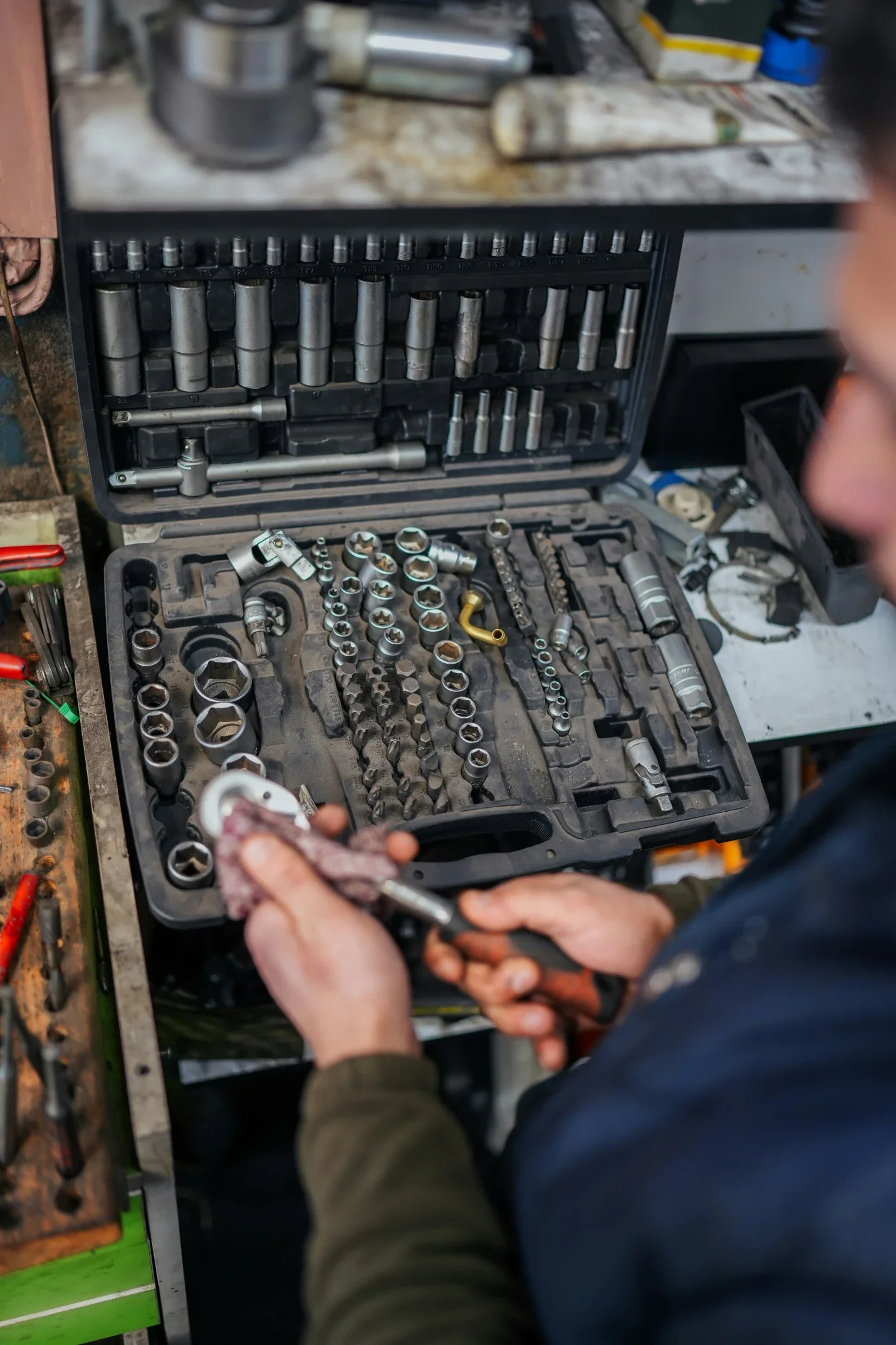
Professional sets expand to 40 or more pieces with deep and shallow versions of each size. Mechanics need both types because access varies by job. Deep sockets reach recessed fasteners on driveshafts and suspension parts. Shallow sockets fit tight spaces near frame rails and body panels.
Drive size splits the two categories clearly. DIY users stick with 3/8" or 1/2" drive tools for most tasks. Professionals add 1/4" drive for delicate work and 3/4" drive for heavy equipment. Each drive size requires its own complete socket set.
Extension bars and adapters matter for professionals who face different vehicles daily. A complete professional kit includes multiple extension lengths and universal joints. DIY sets keep accessories minimal since home users work on fewer vehicle types.
Cost Effectiveness
DIY sets range from $30 to $80 for a basic collection. This price point suits occasional users who complete a few projects per month. The lower cost reflects simpler manufacturing and fewer pieces in the kit.
Professional sets start at $150 and climb past $400 for complete collections. This investment pays off through longer service life and reduced downtime. A broken socket during a job costs more in lost productivity than the price difference between budget and professional tools.
The per-socket cost tells a different story. DIY sets might seem cheaper upfront, but they cost more per piece in smaller packages. A 15-piece DIY set at $60 equals $4 per socket. A 45-piece professional set at $300 drops to $6.67 per socket with better quality.
Replacement costs favor professional sets over time. Budget sockets crack or round out after heavy use. Professionals who buy cheap tools twice spend more than those who invest in quality once.
Performance Under Heavy Loads
DIY impact socket sets handle up to 300 foot-pounds of torque without problems. This capacity covers most home and light automotive applications. Wheel lugs, suspension bolts, and engine components stay within this range.
Professional mechanics work with tools that deliver 600 to 1,200 foot-pounds regularly. Heavy-duty impact wrenches demand sockets built to absorb that force repeatedly. The socket walls must flex slightly without permanent deformation or fracture.
Failure modes differ between categories. DIY sockets tend to crack at the drive end or split along the wall. Professional sockets wear gradually at contact points but rarely fail catastrophically. This predictable wear pattern allows mechanics to replace sockets before they break.
Heat buildup separates adequate sockets from superior ones. Repeated high-torque impacts generate friction and heat at the fastener interface. Professional sockets dissipate heat better through their material composition and surface treatment. DIY sockets may lose temper after extended use, which softens the metal and accelerates wear.
Key Factors in Selecting the Right Impact Socket Set
The right impact socket set depends on how often someone plans to use it, what design features matter most for their work, and what kind of support the manufacturer provides after purchase.
Intended Applications and Frequency of Use
DIY users who work on occasional projects need different socket sets than professionals who use their tools daily. Someone who changes tires twice a year can get by with a basic metric or SAE set that covers common sizes. However, a mechanic who works on multiple vehicles each day requires a complete set with both shallow and deep sockets in various drive sizes.
The type of fasteners someone encounters also matters. Automotive work typically requires 3/8-inch and 1/2-inch drive sockets, while heavy equipment or industrial applications may need 3/4-inch or 1-inch drives. A person should count which socket sizes they use most often before they buy a set.
Drive size connects directly to torque requirements. Light-duty tasks like furniture assembly work fine with 1/4-inch drive sets. Medium automotive work suits 3/8-inch and 1/2-inch drives best. Heavy machinery and large vehicle work demands 3/4-inch or larger drives.
Socket point design affects how well they grip fasteners. Six-point sockets provide better grip and reduce the chance of rounded bolt heads. Twelve-point sockets offer easier alignment but may slip on tight or rusty fasteners.
Ergonomics and Design Features
Socket wall thickness determines both strength and accessibility. Impact sockets use thicker walls than standard chrome sockets because they must absorb repeated strikes from the impact tool. Chrome molybdenum steel construction provides the necessary strength without excessive weight.
Deep and shallow socket options serve different purposes. Shallow sockets fit in tight spaces and work well for exposed bolts. Deep sockets accommodate threaded rods and recessed fasteners that extend past the nut or bolt head.
Storage case design affects how quickly someone can find the right socket. Color-coded size markings help with rapid identification. Laser-etched or stamped size markings last longer than painted ones. A well-organized case with clear socket placement reduces job time and prevents lost pieces.
Socket finish also plays a role. Black oxide coating resists corrosion better than bare steel. The dark color makes size markings easier to read. Some manufacturers add protective coatings that further extend tool life in harsh conditions.
Warranty and Manufacturer Support
A solid warranty reflects the manufacturer's confidence in their product. Professional-grade sets often include lifetime warranties that cover defects and normal wear. DIY-focused sets may offer limited warranties of one to five years.
Replacement policies matter as much as warranty length. Some manufacturers replace broken sockets immediately without questions. Others require proof of purchase and detailed damage reports. A person should check whether the warranty covers professional use if they plan to make money with their tools.
Customer support quality varies between manufacturers. Access to replacement parts, technical assistance, and clear contact methods all contribute to long-term satisfaction. A company that responds quickly to questions and ships replacement parts promptly saves time and frustration.
Conclusion
Both DIY users and professionals benefit from impact socket sets, though their needs differ in key ways. DIY enthusiasts typically find success with a basic ⅜-inch drive set that covers common fastener sizes for home projects and light automotive work. Professionals require multiple drive sizes, deeper coverage across metric and SAE measurements, and materials that withstand daily high-torque applications.
The right choice depends on how often someone uses the tools and what type of work they perform. A weekend mechanic can save money with a mid-range set, while shop technicians need premium options that last through thousands of fasteners. Understanding these differences helps buyers select a set that matches their actual requirements without overspending or settling for inadequate tools.
Stay up to date with our latest ideas!