From Listing to Closing: How to Successfully Sell Your House
Learn how to successfully sell your house from listing to closing with practical tips that help you attract buyers, negotiate offers, and close with confidence.
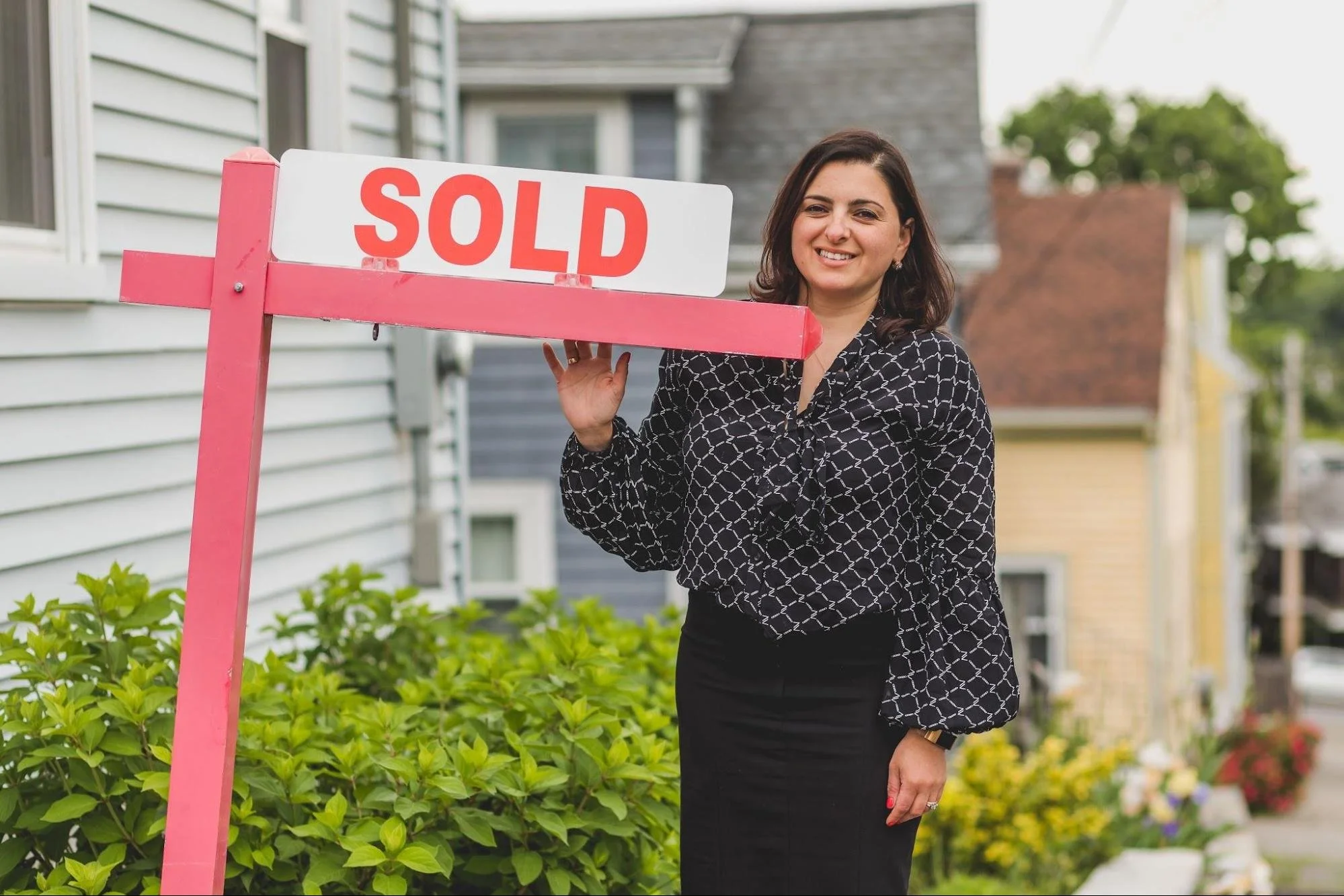
Selling a home brings plenty of excitement along with a fair share of stress. Moving your property from the initial thought to a finalized deal requires clear steps. Each phase demands focus to keep the transaction moving forward smoothly.
Preparation makes the entire journey much friendlier for every homeowner. Small choices early in the process create big advantages when buyers begin looking at the property. Strategic planning saves time down the road.
Reviewing the Property Condition
Every home sale starts with a realistic look at the physical structure. Sellers need to look closely at every room to spot areas needing immediate repair. Fixing broken fixtures right away prevents delays when buyers submit their initial offers.
Traditional market sales demand significant upkeep before buyers show interest. Homeowners seeking a faster route often choose teams that say we buy houses in Wilmington to skip expensive upgrades entirely. Choosing a direct path bypasses months of tedious repair work.
Deciding between doing repairs and selling directly shapes your entire timeline. Property owners must weigh their budget against their preferred moving date. Every path offers distinct benefits for different financial situations.
Planning the Timeline Early
Timing defines the success of a property transaction from the very start. Rushing the process often leads to skipped details and lower offers from buyers. Setting a clear schedule helps manage daily stress during the sale.
A mortgage data website recommended arranging a professional home inspection 2 or 3 months before placing the home on the market. This step highlights hidden issues before buyers discover them during their own walkthroughs. Finding structural or mechanical flaws early lets you fix them on your own terms.
Sellers who understand their home's condition stand in a much stronger negotiating position. Buyers feel more confident when viewing a property with detailed maintenance records. Preparedness eliminates surprises during formal contract talks.
Setting the Right Price
Finding the right spot for your listing price requires a careful local market study. Pricing too high frightens buyers away. Low pricing leaves money on the table. Local market dynamics dictate the final value of the home.
An industry report revealed that accurately valued properties found buyers in 32 days on average. Overpriced homes lingered on the market for an average of 99 days before securing a deal. The huge gap shows how accuracy affects your holding costs.
Adjusting expectations to match local sales data protects your property from becoming a stagnant listing. Buyers notice when a house sits on real estate websites for months. Fresh listings always attract the highest interest from serious buyers.
Sprucing Up the Interior
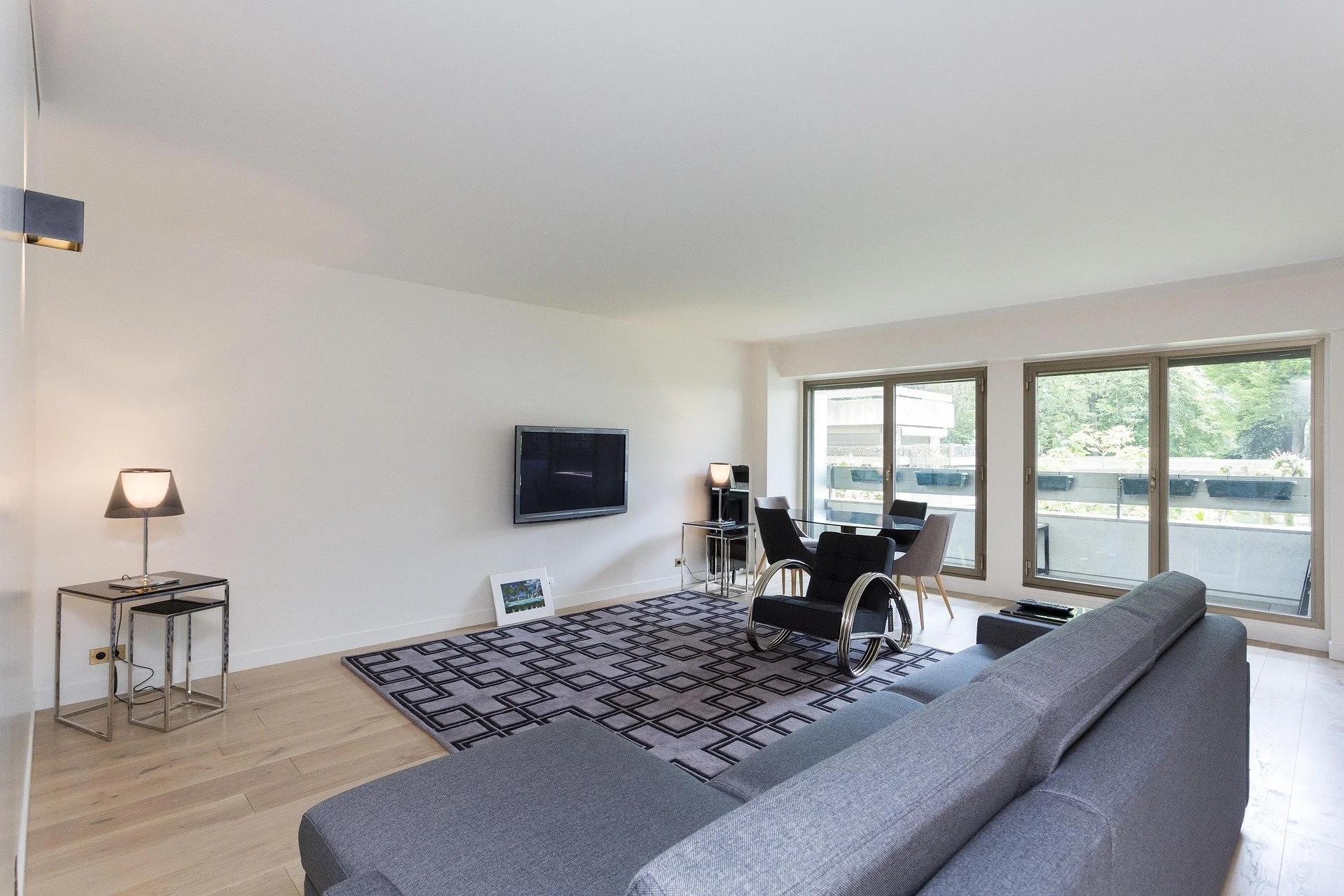
First impressions matter immensely when prospective buyers step through the front door. Clutter blocks the vision of buyers who want to imagine their own belongings in the rooms. Simple cleaning costs very little but yields high returns during tours.
A real estate platform noted that professional neutral painting runs between $200 and $500 per room. The simple update hides old scuffs and creates a clean palette for broad buyer appeal. Bright walls make spaces feel well-maintained throughout.
Sellers often target specific quick fixes to maximize visual appeal. Consider some basic staging steps:
Clear off kitchen counters completely.
Remove personal family photos from the walls.
Open all window blinds to maximize natural light.
Marketing and Showings
Online presence dictates how many physical tours your property receives. High-quality photographs capture attention far better than dark smartphone pictures. Digital listings act as the primary front door for your property nowadays.
Sellers must remain flexible when buyers request tours at inconvenient times. Keeping the home clean daily allows for rapid showing readiness. A tidy house stands ready for unexpected buyer visits from out of town.
Feedback from showings provides valuable hints about market perception. If multiple visitors mention the same drawback, addressing it might unlock a fast sale. Listening to the market guides your strategy forward to success.
Navigating the Closing Stage
Accepting an offer marks the start of the final legal phase. Attorneys and escrow agents handle the bulk of the paperwork. Sellers must supply requested documents to prevent closing delays.
Appraisals and buyer inspections sometimes require minor renegotiations before the final signatures. Remaining calm during talks helps keep the deal on track. Flexibility saves a transaction from falling apart at the finish line.
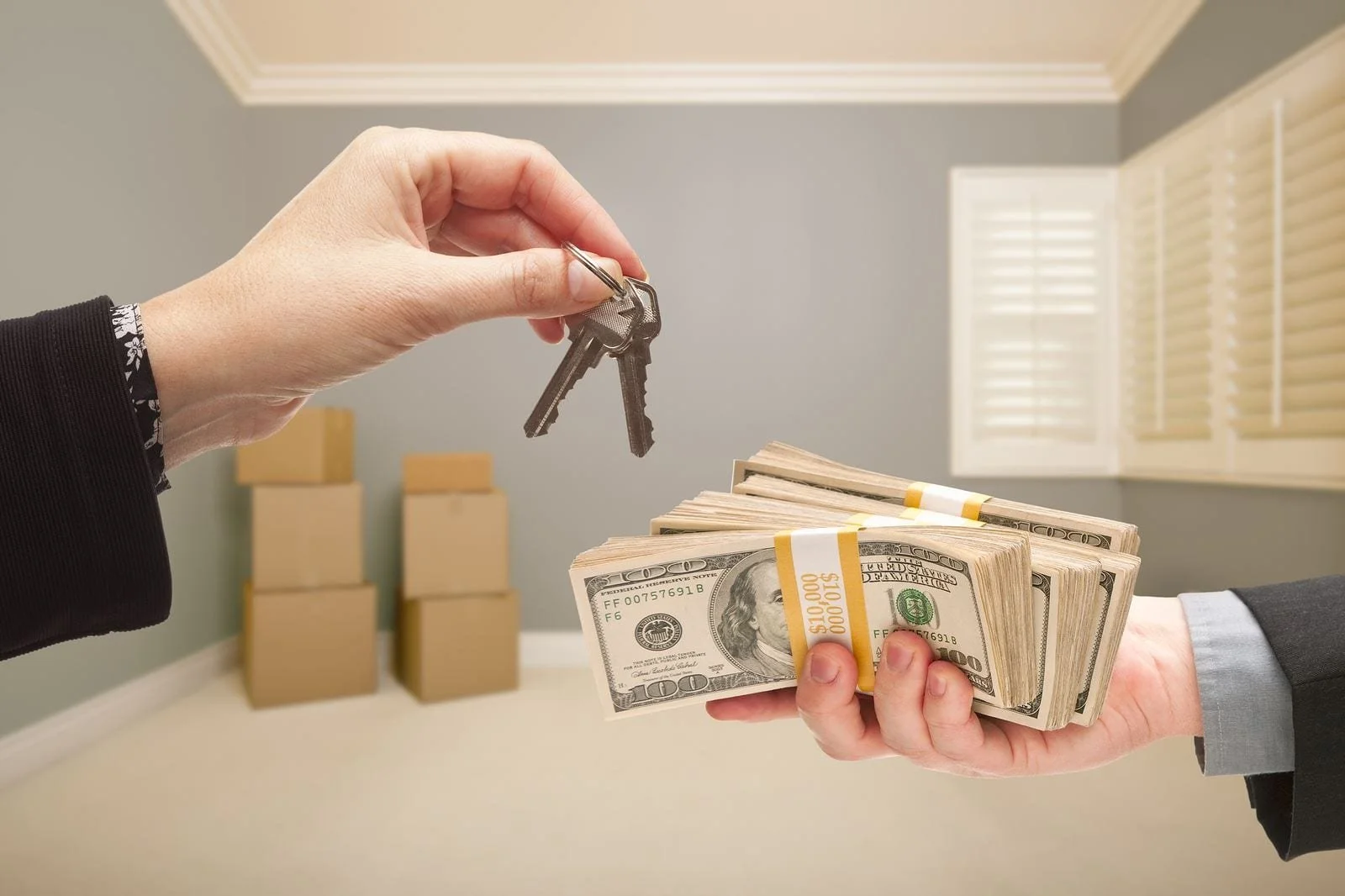
Signing the final deed transfer completes your journey as a property owner. Funds will be transferred to your account after the county records the paperwork. You can then hand over the keys to the new owners with peace of mind.

Selling a home involves many moving pieces from start to finish. Proper planning and realistic expectations make the transition smooth.
Each step brings you closer to a successful real estate transaction. Moving forward with clear knowledge guarantees a positive experience as you hand over the keys.
Stay up to date with our latest ideas!