Beyond the Nylon: The Definitive Guide to Choosing Your Camping Sanctuary
Planning a trip? Learn how to choose the perfect camping tent. Expert advice on capacity, seasonality, and materials for a comfortable night under the stars.
Have you ever woken up at 3:00 AM to the rhythmic slapping of a tent wall against your face, or perhaps the unpleasant realization that your "waterproof" sanctuary has become a shallow pond? I certainly have. In my years spent traversing ridgelines and setting up basecamps, I’ve learned that a tent is far more than a nylon bag—it is your psychological anchor in the wild. Selecting the right one is a delicate dance between understanding physics, geometry, and your own tolerance for cramped quarters.
The Myth of Tent Capacity: Why Numbers Lie
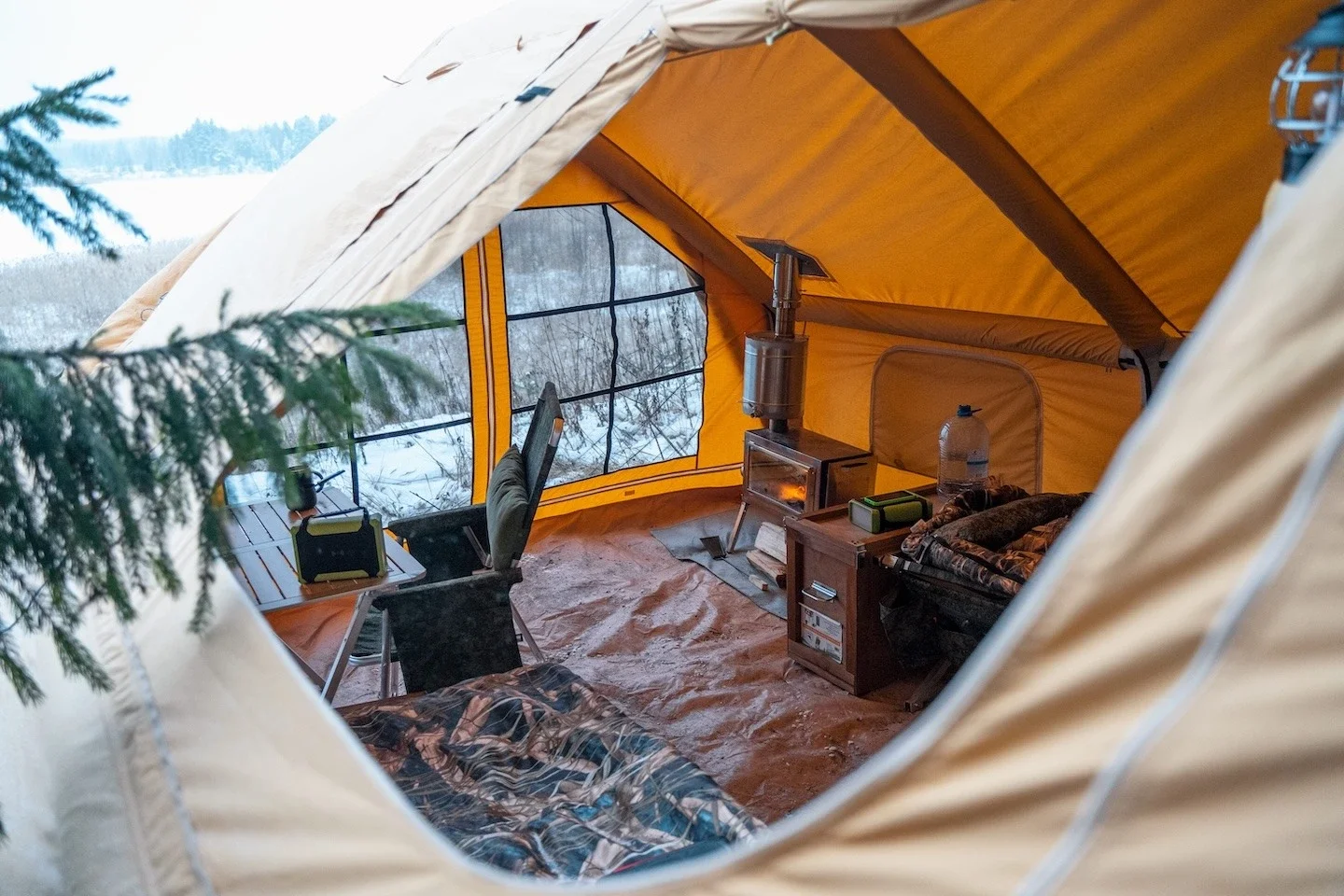
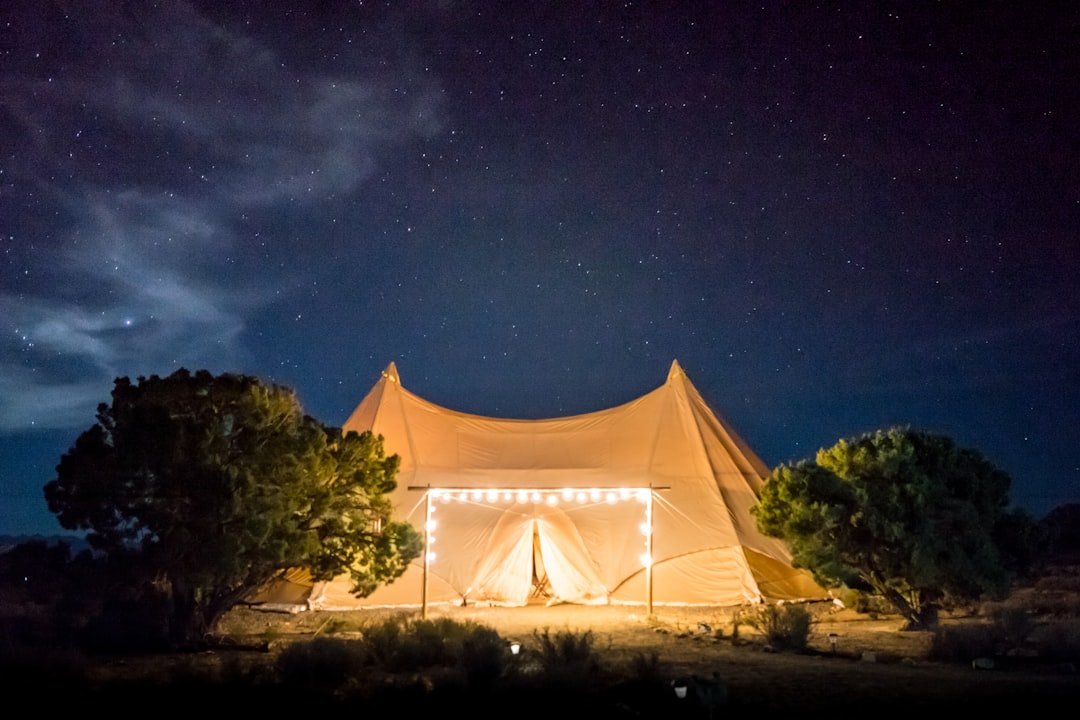
When you see a label that says "2-person," take it with a grain of salt—or perhaps a whole shaker. In the industry, "capacity" usually refers to the number of standard sleeping pads that can be squeezed onto the floor like sardines in a tin, leaving zero room for gear, elbows, or a restless dog. If you actually want to enjoy your morning coffee without kicking your partner in the ribs, the professional's secret is to always "plus-one" your capacity. For those who refuse to compromise on space, luxury tents for camping provide the kind of breathing room that turns a standard trip into a true outdoor residence.
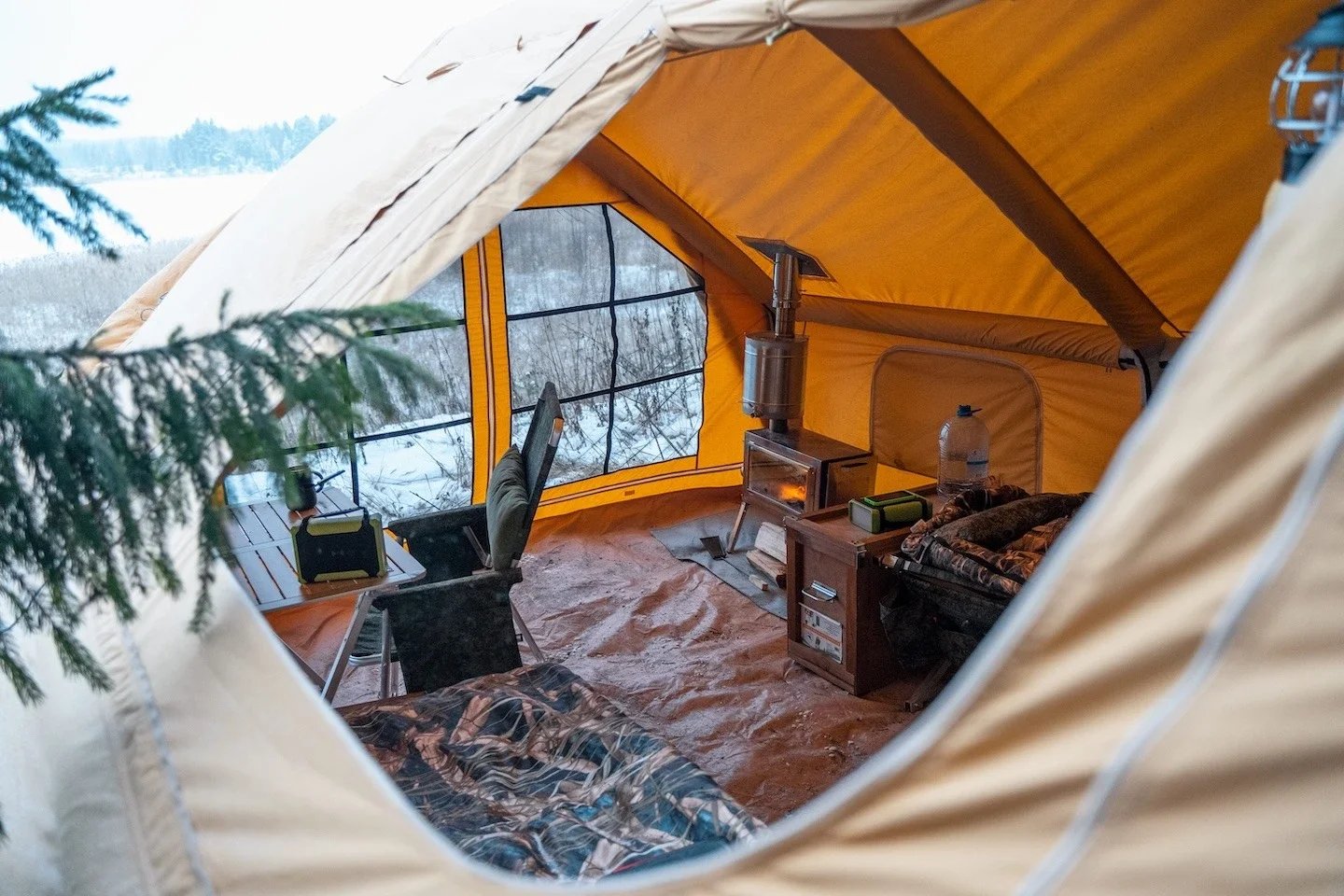
Livable space is about more than just square footage; it’s about the "volume" of the interior. A family of four with a mountain of duffel bags and a wiggly golden retriever will find a 4-person tent claustrophobic within hours. This is where 4 person hot tents for camping change the game, offering enough verticality to actually stand up while changing your clothes. Remember, car camping is about luxury, not suffering, so don't be afraid to size up to an 8-person palace if your vehicle has the storage space.
Beyond the floor, you must consider the "mudroom" of the tent world: the vestibule. If you’re choosing a 4 season family camping tent, a generous vestibule is non-negotiable for storing wet boots and muddy gear outside the sleeping area. Think of it as your transition zone; without it, the line between the "great outdoors" and your "clean sleeping bag" becomes dangerously blurred after the first rainstorm.
Seasonality and the Physics of Survival
Most casual campers gravitate toward 3-season models, which are the "all-season tires" of the tent world—designed for spring, summer, and fall. These tents rely on heavy mesh panels for airflow, which is fantastic for stargazing but less ideal when a surprise October blizzard rolls in. A true professional looks at the structure: 3-season tents are built to handle rain, while extended-season or 4-season models are engineered like bunkers to withstand the weight of heavy snow and the shear force of high-altitude winds.
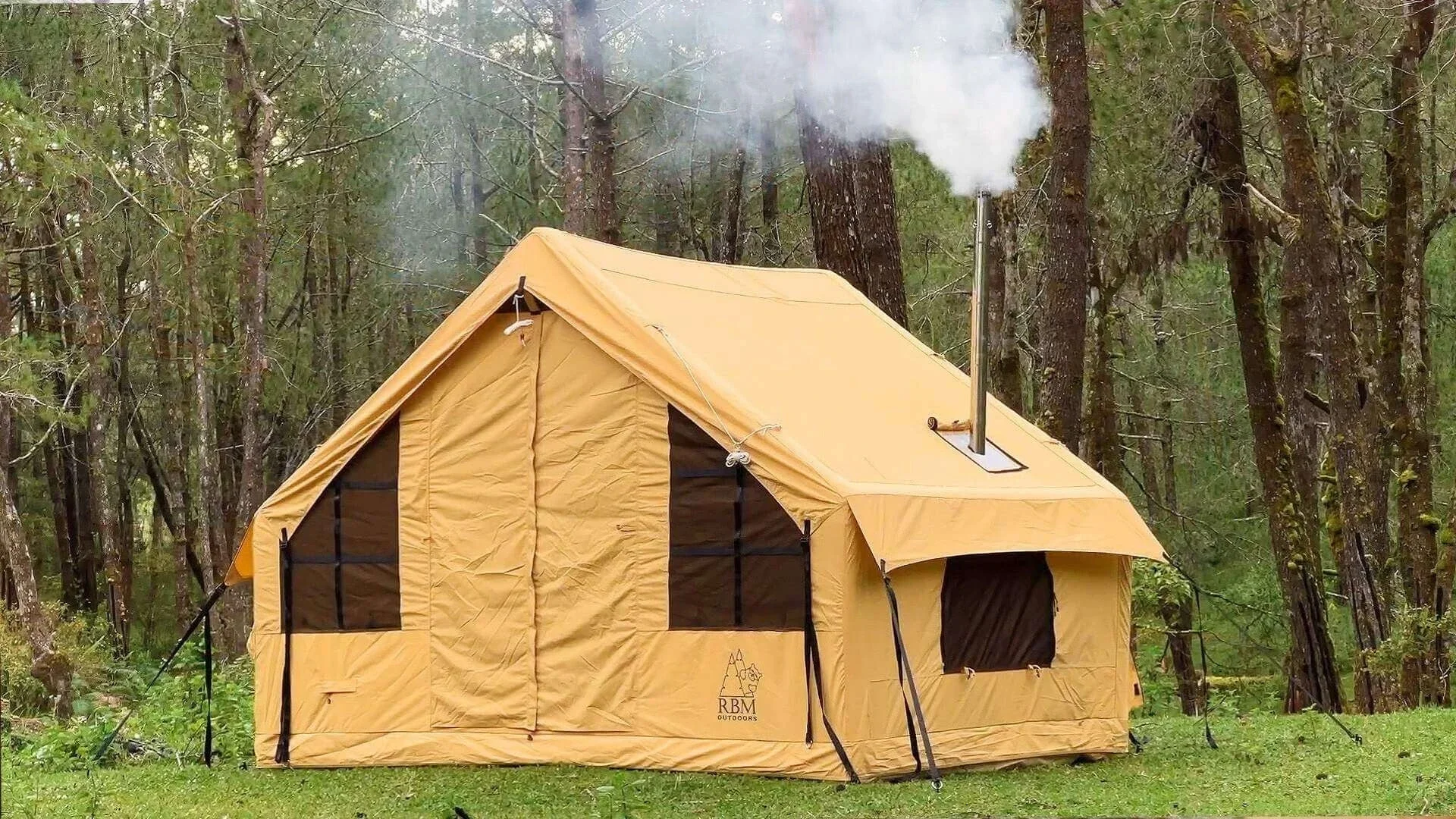
Why does shape matter so much in a storm? Imagine a cabin-style tent with near-vertical walls; it’s a beautiful, airy apartment until the wind picks up, at which point those walls act like giant sails. Dome-style tents, conversely, use leur curved geometry to deflect wind and prevent snow from piling up on the roof. If you are camping in an exposed area—like a beach or a high-elevation plateau—the dome is your best friend, whereas the cabin belongs in the sheltered protection of the woods.
We are also seeing a massive shift in how we think about "ground" camping. Rooftop tents are the future for many overlanders, offering a sturdy, elevated platform that keeps you away from swampy earth and curious critters. While they are significantly heavier and require a robust roof rack, the speed of setup is addictive. Imagine arriving at a site in a downpour and being "home" in under three minutes; that is the kind of convenience that is hard to put a price on.
Materials, Denier, and the Technical Edge
Let’s talk shop about fabrics because this is where the amateurs get soaked. Most modern tents use polyester or nylon, but the real metric you need to watch is "Denier" (D). This measures the fiber thickness; a 150D floor is significantly more rugged and puncture-resistant than a 20D ultra-lightweight floor. If you camp with pets or kids who treat the tent like a trampoline, high-denier fabrics are your insurance policy against a ruined trip.
Waterproofing is another technical hurdle. Most rainflies are treated with polyurethane (PU) or silicone coatings to shed water. However, keep an eye on the "Durable Water Repellent" (DWR) treatments. Historically, these used "forever chemicals" (PFAS), but the industry is moving toward more eco-friendly, non-fluorinated alternatives. As a professional, I always recommend checking if your tent seams are "taped"—factory-sealed seams are the difference between a dry night and a slow, maddening drip on your forehead.
Finally, never overlook the poles. Aluminum is the gold standard for a reason: it’s lighter, stronger, and more durable than the cheap fiberglass found in "big box" store tents. Aluminum can bend slightly under stress and be straightened; fiberglass tends to shatter into a thousand tiny spears that can rip through your tent fabric. In the future, we may see carbon fiber or composite materials become more common in car camping, but for now, high-grade aluminum remains the king of the campsite.
Pro-Tips: The Accessories That Actually Matter
If you want your tent to last more than two seasons, buy a footprint. It’s a simple ground cloth that sits between your tent floor and the abrasive reality of rocks and roots. Think of it as a sacrificial layer; it’s much cheaper to replace a $40 footprint than a $500 tent. Just ensure it’s slightly smaller than the tent floor itself, otherwise, it will actually funnel rainwater under your tent, creating an accidental waterbed.
Inside the tent, organization is the key to maintaining your sanity. Look for "gear lofts"—mesh shelves that hang from the ceiling—to keep your headlamps, glasses, and smartphones off the floor. I also swear by specialized stakes; the flimsy aluminum pegs that come with most tents are useless in soft sand or rocky soil. Investing in a set of heavy-duty steel stakes or broad sand anchors ensures your tent stays in your zip code when the wind starts to howl.
Ultimately, the best tent is the one that removes the friction from your outdoor experience. Whether it's a battery-powered fan for those humid July nights or a repair kit for the inevitable "dog-vs-mesh" disaster, being prepared allows you to focus on why you’re there in the first place: the view, the fire, and the silence. Happy trails, and may your tent always be dry and your coffee always hot.
Stay up to date with our latest ideas!