Learn the key steps to take after buying a new home before decorating, helping you plan layouts, avoid mistakes, and make smarter design choices.

Buying a new property is a rewarding and thrilling milestone. The excitement of unlocking the front door for the first time is almost palpable. And often, furnishing and decorating each room is at the top of your mind. However, you can’t simply fill the space with items or elements. There are critical steps that should come before any of those plans.
Continue reading to learn what you need to do before moving in.
Organize Important Documents
Before anything else, it’s vital to get the legal and financial aspects of your new property in order. You may have already checked some of these during the initial purchase process. However, a thorough review protects you from unexpected complications.
Important things to check:
Title deeds and ownership documents: Verify that the seller has a clear title and that all paperwork is accurate.
Property taxes and assessments: Check that previous taxes are settled and understand your ongoing tax obligations.
Insurance policies: Arrange homeowners’ insurance to protect your investment from day one.
Managing these documents and paperwork can feel overwhelming. That’s why partnering with a reputable conveyancing firm like Red Door is often the best solution. They guide you through the buying process, ensuring all legal and financial matters are handled correctly.
Complete Necessary Repairs
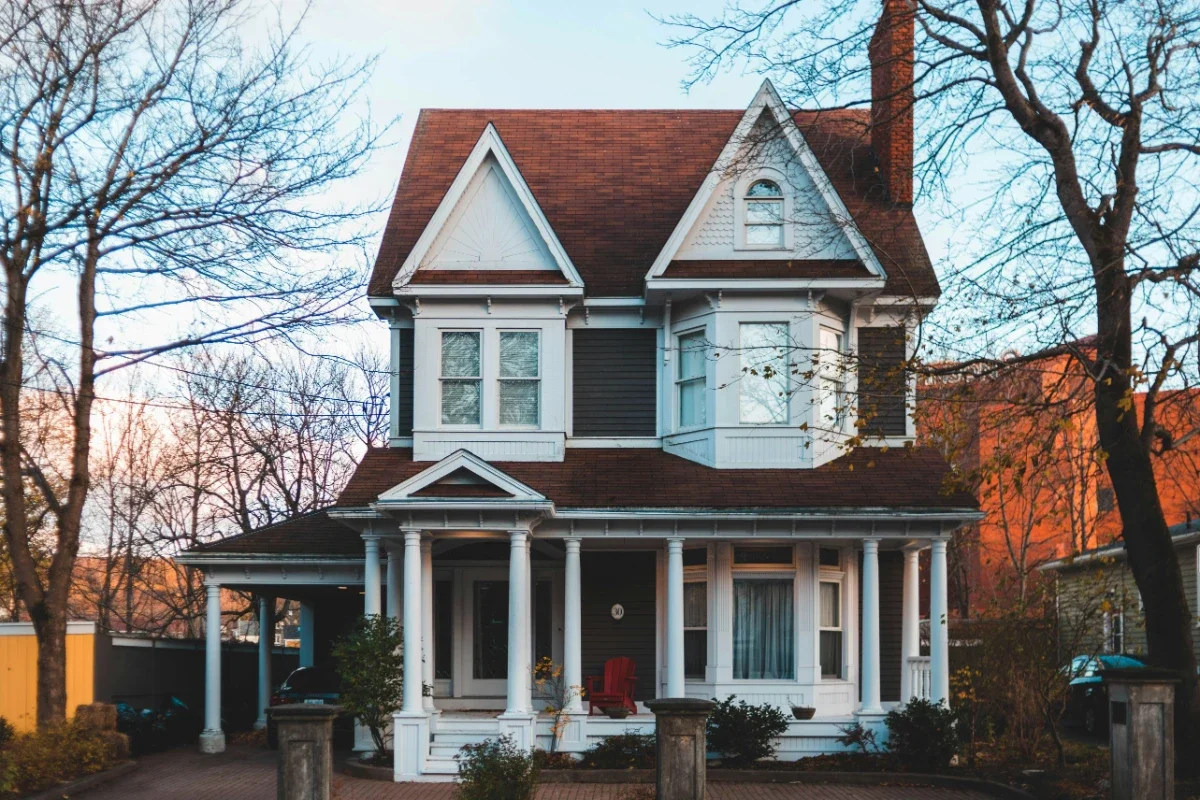
It’s natural for home buyers to be captivated by a property’s beautiful facades. Most of the time, you expect that the rest of the house will be just as flawless. But judging it by the exterior alone can be deceiving. There could be hidden problems you won’t notice until you start living in the space.
So, it’s crucial to thoroughly assess the property. Focus on areas that could be costly or disruptive if left unattended, including:
Structural concerns: Check for foundation cracks, wall damage, or uneven flooring that may indicate more serious issues.
Roof conditions: Inspect for leaks, missing shingles, or signs of wear that might require immediate repairs.
Pest or moisture problems: Address any signs of mold, termites, or water damage before you start painting walls and placing furniture.
HVAC systems: Make sure your heating and cooling systems are working efficiently to prevent costly repairs.
Tackling repairs or renovations before moving in ensures that your home is ready to become the space you’ve always envisioned.
Check the Electrical and Plumbing System
Did you know that home fire fatalities in 2025 reached almost 2,000, many of which were linked to electrical malfunctions. This makes it especially crucial when buying a home. After all, electrical and plumbing systems are the backbone of a comfortable living space.
Note that this task isn’t for DIY enthusiasts, unless you’re a certified electrician, as it can be complex and potentially hazardous. It’s always best to hire a licensed home inspector to examine the two systems for any hidden issues.
A professional home inspection will help identify outdated or damaged wiring, circuits, leaks, low water pressure, or corrosion. If they find any issues, they can recommend the necessary upgrades to ensure your home is fully functional.
Inspect and Update Security Measures
Buying a home means taking responsibility for more than just its design and functionality. You also need to ensure the well-being of everyone who lives there. And that starts with security, such as:
Locks on doors and windows: Ensure all entry points are secure and in good working condition. It’s also best to replace the current locks to enhance safety and prevent potential break-ins.
Alarm systems in entrances and hallways: Install or update alarms to enhance protection and receive alerts in case of emergencies. You can also integrate them with smart devices to monitor your property remotely.
Smart security for garages and sheds: These areas are often potential targets for theft, as they can contain valuable tools, equipment, or personal items. Adding motion-sensor lights or security cameras can further deter intruders and provide extra protection.
Prying eyes are everywhere these days. The best way to protect your home is to put these security measures in place. Don’t leave any opportunity for intruders to target your property or belongings.

Deep Clean the Entire Home
After taking care of the paperwork, systems, and security, it’s time to prepare the space for living. Even if the home appears clean, dust, allergens, and hidden grime can accumulate in corners, vents, and behind appliances (if there are any).
To make sure nothing is overlooked, take a look at the table below outlining the main cleaning tasks:
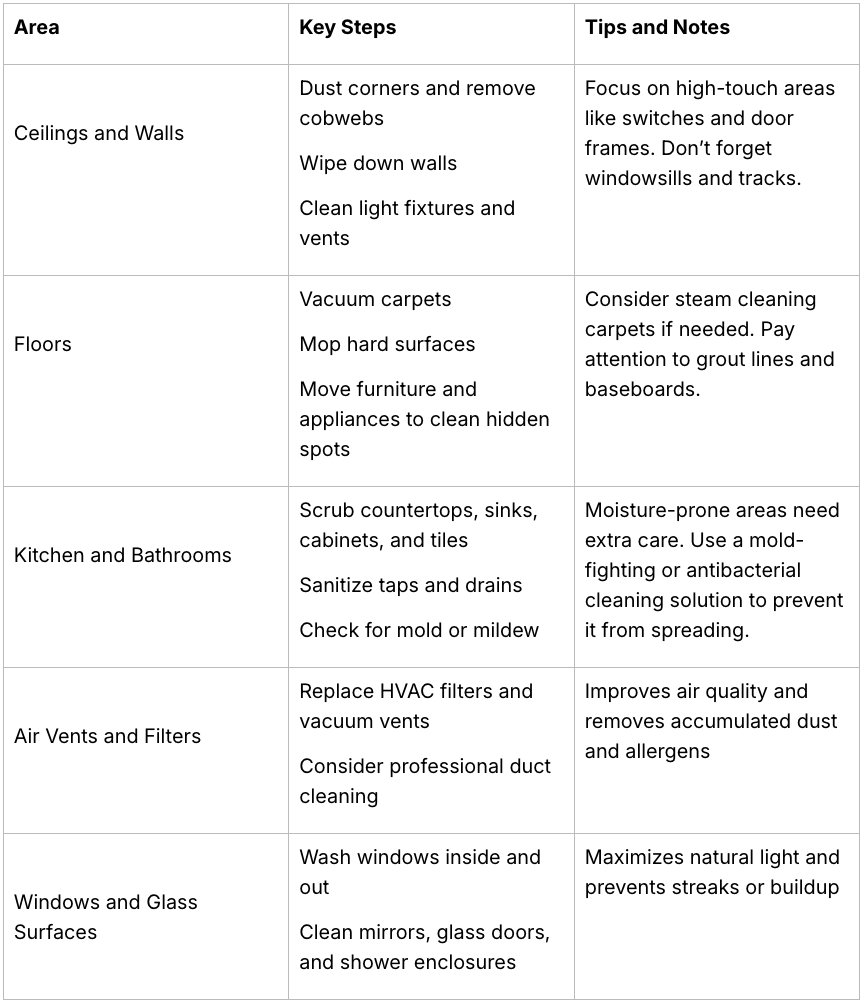
Keep in mind that some cleaning tasks may require specialized equipment. That said, you can hire a professional cleaning service to handle these areas efficiently.
Wrapping Up
There's always a feeling of excitement and possibility when moving into a new home. That great energy can be inspiring. Yet, preparation is what ensures a smooth transition. Before adding any personal touches, it’s essential to handle practical tasks first. You want to decorate a space that's clean, safe, and ready to support your daily life.
Stay up to date with our latest ideas!